Thrift
Don't spend all of it
Loading audio…
Press play to listen along. The line being read lights up as you go.
Show full transcript
Loading transcript…
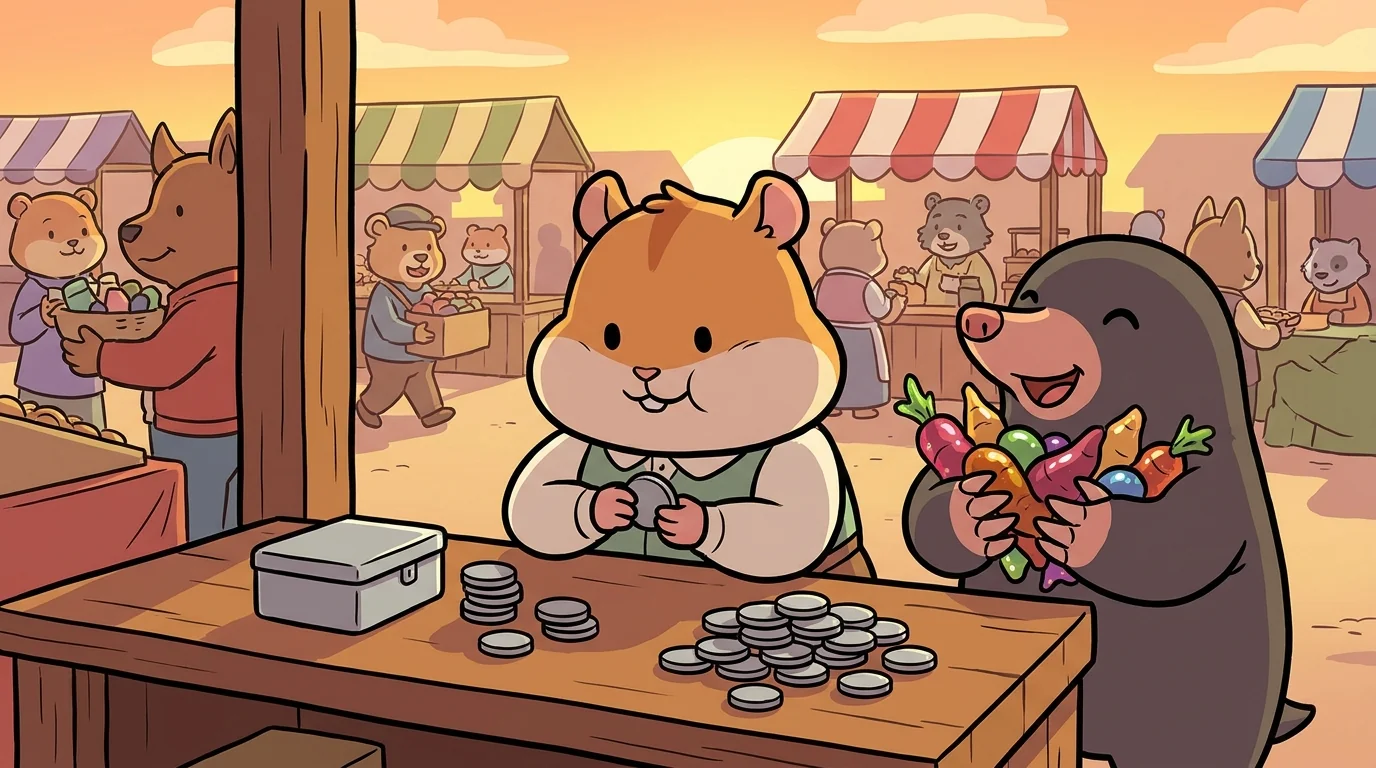
At the end of a good market day, while everyone else spent every coin they'd earned on treats, a young hamster sat quietly counting her earnings into two little piles instead of one.
Thrift was round and careful, with cheek-pouches she never quite emptied and a small tin box she guarded gently. Beside her, a young mole was gleefully spending his whole day's earnings on candied roots. "I made SO much today!" he said, arms full of treats. "So I'm buying ALL the candy!"
"That's the fun part," Thrift said, smiling, "and a treat is fine. But watch what I do first." She counted her coins into two piles — a bigger one and a smaller one. "This bigger pile, I can spend or enjoy. But this smaller pile—" she tucked it into her tin "—I keep back. Always. Some of every good day goes into the tin, before I spend a thing." She patted the box. "Because tomorrow my cart might break, and I'll need coins to fix it. Or I'll want more reeds to make more baskets. Or it'll be a slow, rainy day with no sales, and I'll still need to eat. Don't spend all of it. Keep some back — to fix what breaks, to make more, to weather a slow day."
The mole paused, arms full of candy. "But it's MY money. I earned it. Why not enjoy it all?"
"You SHOULD enjoy some of it — that's what the bigger pile is for," Thrift said. "But the little you keep back isn't lost. It's your future self's helper. Spend every coin the day you earn it, and the first broken wheel or slow week stops you cold. Keep a little back, and you can roll right through."
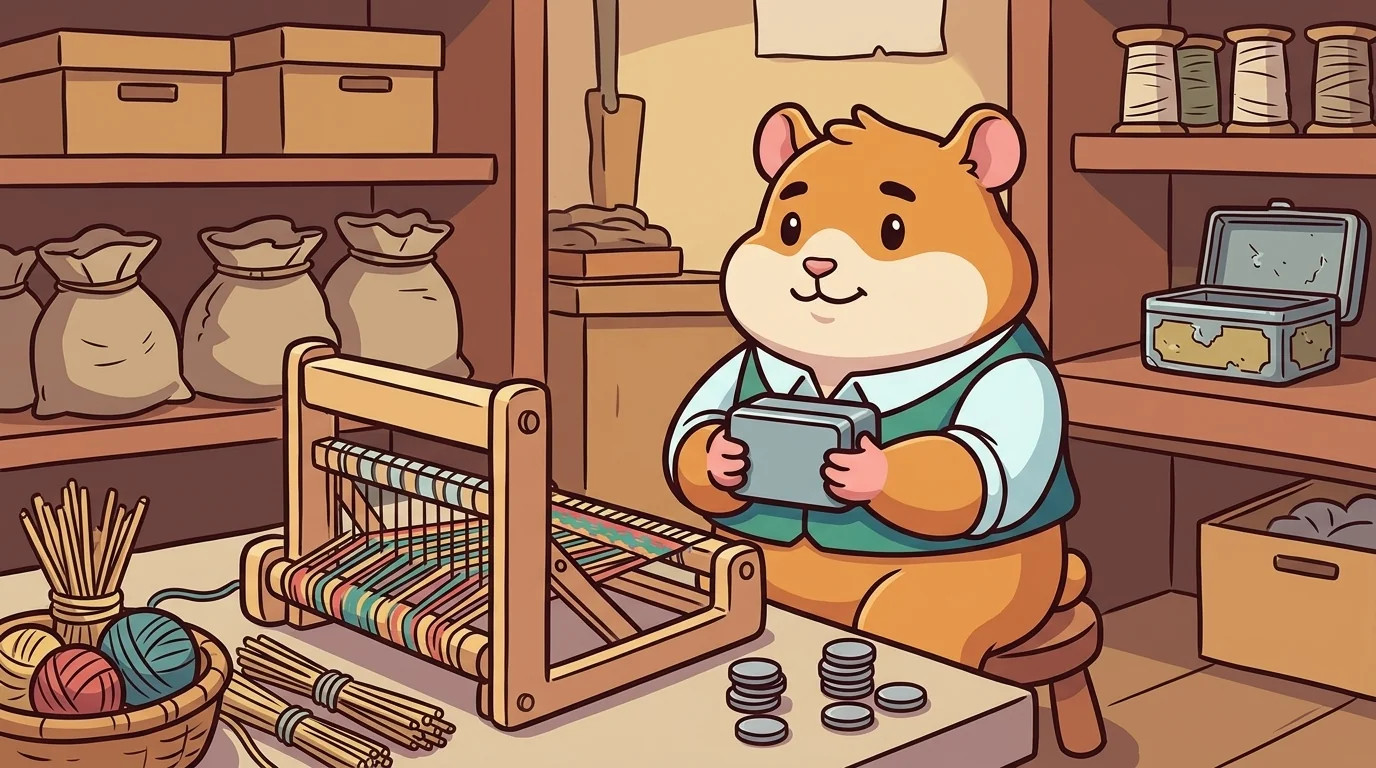
Thrift had learned about keeping-back the hard way.
The first good week she ever had, she spent every single coin the moment it came in — treats, trinkets, all of it, gone by nightfall. Then her weaving-loom snapped, and she had NOTHING set aside to fix it, and her little business stopped dead for weeks. She sat by her broken loom, pockets empty, sure she was just bad with money.
Her grandfather, an old hamster with a battered tin box, sat with her. "You're not bad with money," he said. "You just sent all of it out the door and kept none of it home." He shook his tin, and coins rattled. "Every good day, I keep a little back — not most, just a little — before I spend anything. It's dull. It's not a treat. But when MY loom broke, this tin fixed it the very next morning, and I never missed a market." He tapped the box. "The little you keep back is boring on the day you save it. And it's the most exciting thing in the world on the day something breaks and you're the only one who can keep going."
Thrift started keeping a little back from every good day, into her own tin. It felt like nothing at first. But the next time her loom snapped, the tin fixed it overnight — and she was weaving again while others were stuck. The bad-with-money feeling settled into a calm, prepared steadiness. She wasn't bad with money. She'd just been keeping none of it back.
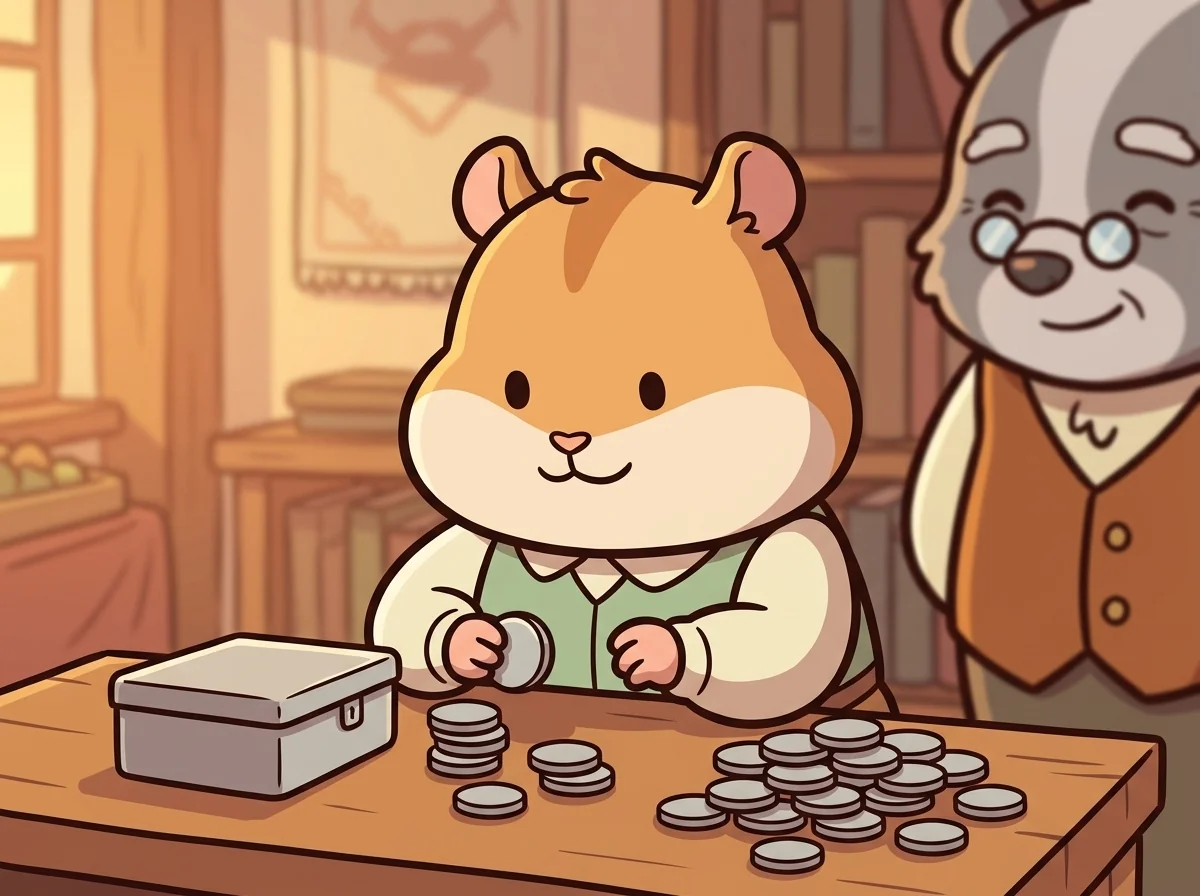
When Thrift turned twelve, she went to VentureQuest, where a wise old mentor named Ledger asked, "What do you do with a good day's earnings?"
Thrift didn't answer with a speech. She counted imaginary coins into two piles. "I keep a little back — this smaller pile, into the tin — BEFORE I spend or enjoy the rest. Every good day. Not most of it, just a steady little." She patted the tin. "So when the cart breaks, or I want to make more, or it's a slow week, the tin is ready. The little kept back is what keeps me going when others stop."
Ledger's eyes crinkled warmly. "Many people spend every coin the day it arrives," Ledger said.
"And the first broken wheel stops them," Thrift said. "The little I keep back rolls me right past it." Ledger smiled. "Then come in," Ledger said. "VentureQuest needs someone who keeps a little back."
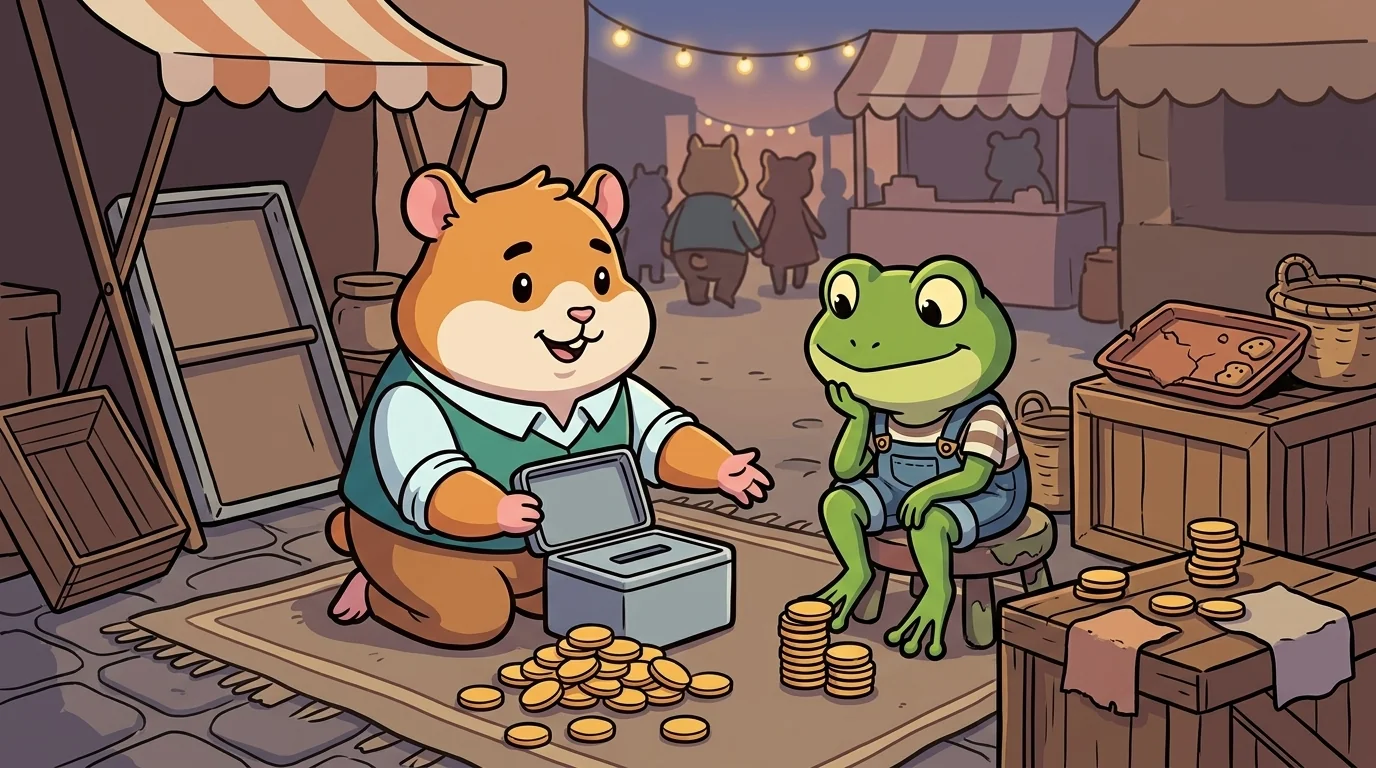
One afternoon a discouraged young frog hopped into Thrift's corner, having lost his stand.
"I had a great fly-cookie stand," he said, "and I made good money, so I spent it ALL on more fun stuff. Then my cookie-tray cracked, and I had zero coins to buy a new one, so my whole business stopped. Everyone says I was foolish. Maybe I'm just no good at this."
"You're not foolish, and you're plenty good at this," Thrift said gently. "You made good money — that's the hard part, and you did it! You just sent every coin out the door and kept none home." She showed him her two piles. "From now on, every good day, before you spend anything fun, count a little into a tin. Not most. Just a steady little." She tapped her box. "That tin is the difference between a cracked tray STOPPING you and a cracked tray being a quick fix. Same good earnings — but one of them keeps a little back."
The frog looked at the two piles. "So it's not that I earned too little. It's that I kept none of it back for when things break."
"That's the whole craft," Thrift said. "Things break, days go slow, chances to grow appear — and every one of them needs a little kept-back money ready. Enjoy most of what you earn. But keep a steady little back, and a broken tray becomes a bump instead of the end."
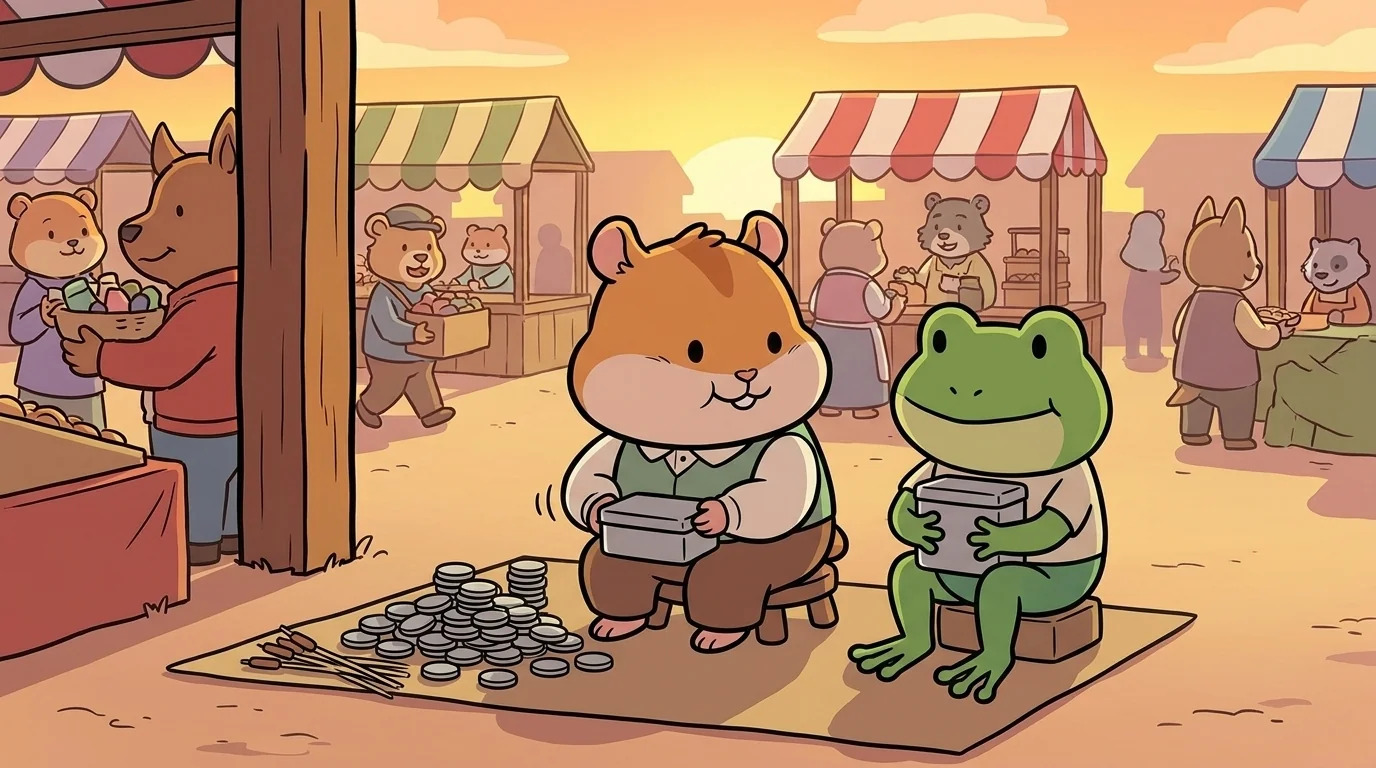
Later, as the light went gold, the frog came back, calmer, a little tin under his arm.
"It's kind of unglamorous," the frog said, "keeping money in a tin instead of spending it on fun."
Thrift settled beside him, rattling her box softly.
"It IS unglamorous," she agreed, "on the day you save it. Nobody cheers for the little you didn't spend." She patted the tin. "But it's the quiet hero of every business. The day your tray cracks, or a slow week comes, or a chance to make more appears — that boring little tin is suddenly the most important thing you own, because you're the one who can keep going." She smiled. "There's a steady, prepared feeling in keeping a little back. Not the quick thrill of spending it all, but something better: the calm of knowing that whatever breaks, you've got a little set aside to meet it."
The frog nodded, hugging his tin, and Thrift watched the discouraged, spent-it-all feeling ease into that calm, prepared steadiness she'd found over her grandfather's box — the warm gladness of a young maker who's learned that the little you keep back, boring as it feels today, is exactly what lets you roll right past the day something breaks.
The VentureQuest ensemble
Thrift is one of the friends in VentureQuest. Each friend shows you one idea by how they act; meet them all and you have the whole subject.
-

Spot
Opportunity recognition — noticing problems worth solving for real people
-

Listen
Customer discovery — asking + waiting + watching, never guessing
-

Build
Lean experimentation — rough first drafts, fast iteration, failure-as-learning
-
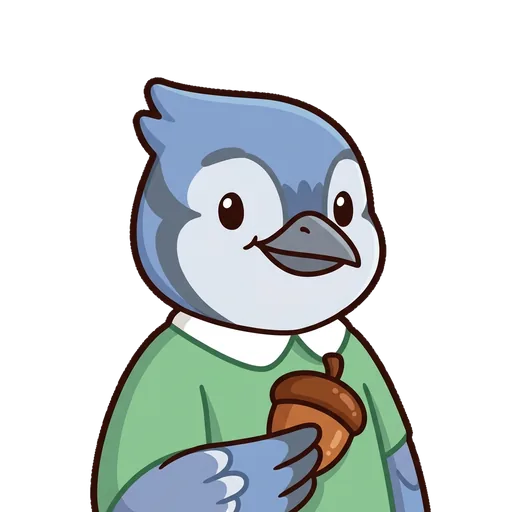
Kernel
Focus — the one essential thing
-

Pitch
Pitch craft — plain-language story, inviting people in, never pressuring
-
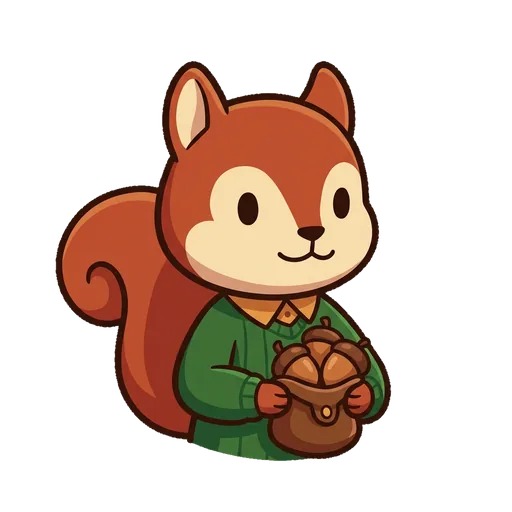
Till
Fair pricing
-
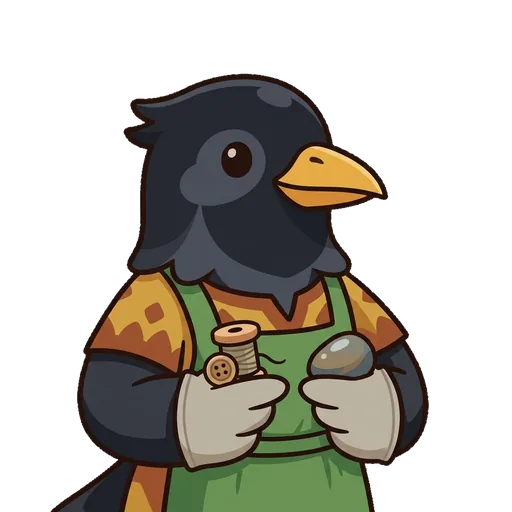
Barter
Fair exchange — a deal both sides win
-
Loyal
Reputation — customers who come back
-

Surplus
Profit — the money left after paying every cost, so count all the costs before you count the win
-

Weigh
Ethical decision-making — sitting with tradeoffs, holding stakeholder views