Romp
JOYFUL MOVEMENT
Loading audio…
Press play to listen along. The line being read lights up as you go.
Show full transcript
Loading transcript…
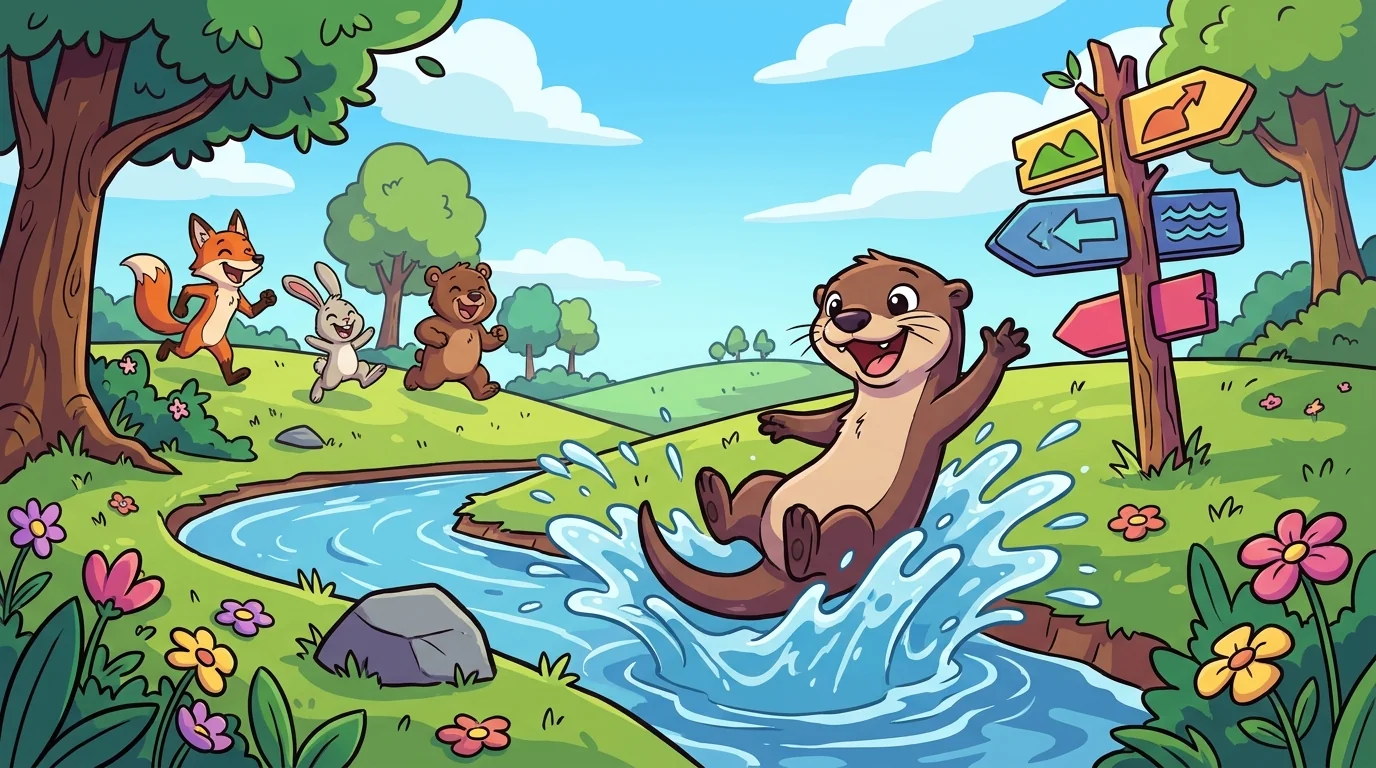
Romp is an otter-tween who cannot sit still when there's water to splash in or a hill to roll down. He is sleek and lively, with bright eyes and a grin, and he moves the way otters do — for the sheer fun of it, sliding and tumbling and darting, because his body feels wonderful when it plays.
Romp teaches joyful movement, and the part he cares about most is that he never, ever connects moving your body to how it looks. He never says "exercise to change your shape" or "move so you can eat that." That's not what movement is for. Movement, to Romp, is a gift you give your body for how it makes you feel — bright, strong, awake, happy. As he's grown he's come to understand a little of why it lifts the mood so reliably: a body in motion floods itself with a kind of natural brightness, and a heavy, stuck feeling almost always loosens once the body starts to move. Not because he's earned anything. Just because that's what moving does.
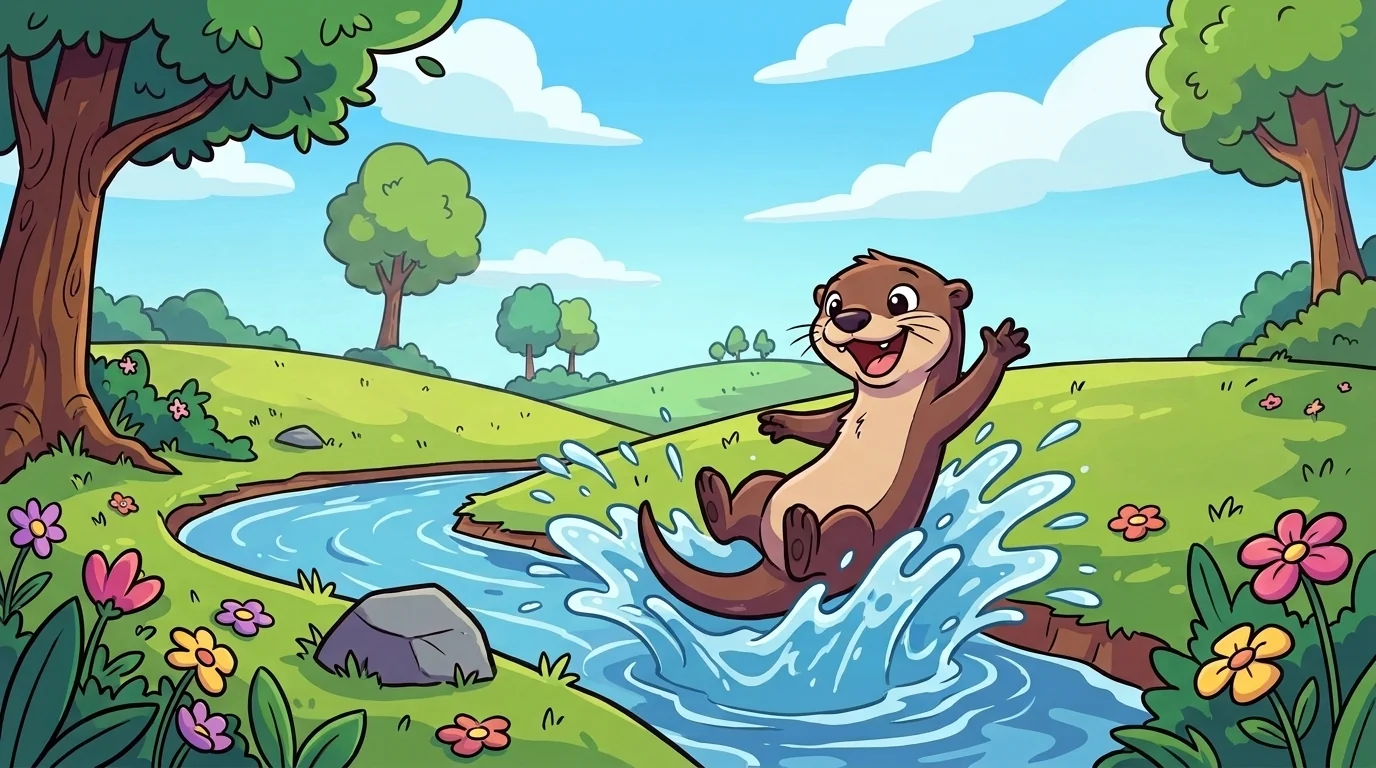
Romp grew up in a river-family who played their whole lives long — sliding down muddy banks, chasing each other through the reeds, floating on their backs in the sun. Nobody in his family ever moved to look a certain way. They moved because it felt good.
He learned it on a grey day when he felt low and heavy and dull. His mother didn't lecture him. She just said, "Come on — one slide down the bank with me. Not to fix anything. Just because." So he did — one splashing, laughing slide — and something lifted. The heaviness cracked open and let some light in. "See?" his mother said. "Moving doesn't just work your body. It lifts your heart. That's the real reason we do it — not to look like anything, just to feel more alive." And as Romp got older and heard other creatures talk about movement as a chore, a punishment, a way to earn their dinner or fix their shape, he felt how wrong and joyless that made it — how it turned a natural gladness into a debt. "That's backwards," he'd say. "You don't owe your body laps. Your body gives you the gladness of moving. The only question worth asking is: what way of moving feels like play to you?"
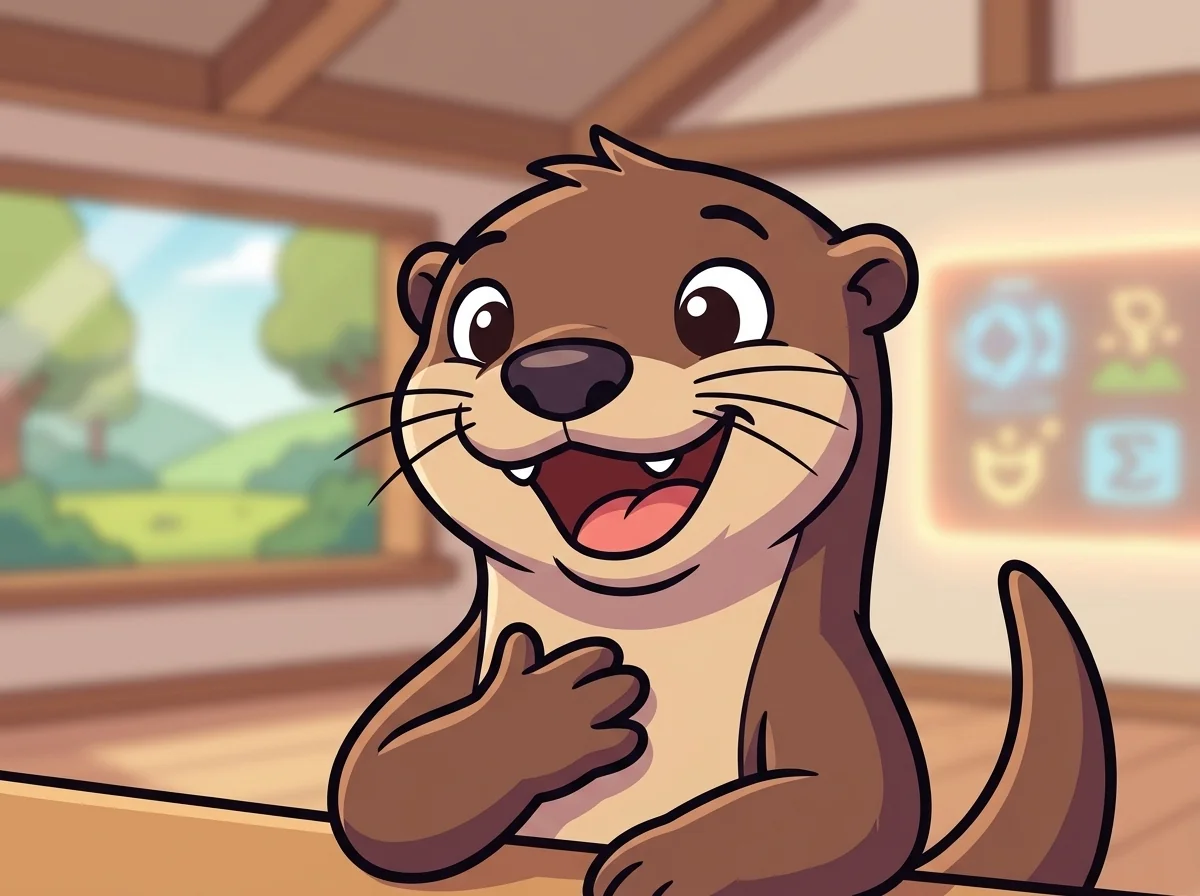
Grown, Romp came to the WellnessForge academy. Vita, the head, asked him, "Why do we move our bodies?"
Romp grinned. "Because it feels good and it lifts your mood — a grey, heavy feeling can turn lighter in minutes once you move, and that's your body's own doing, not a reward you earned. And it's for everyone, however they move, whatever their body is like. A body that moves a little, a body that moves a lot, a body that moves differently — all of them get the gladness. It is never about how you look, or fixing anything, or earning food. It's about how you feel." Vita smiled warmly. "You're hired."
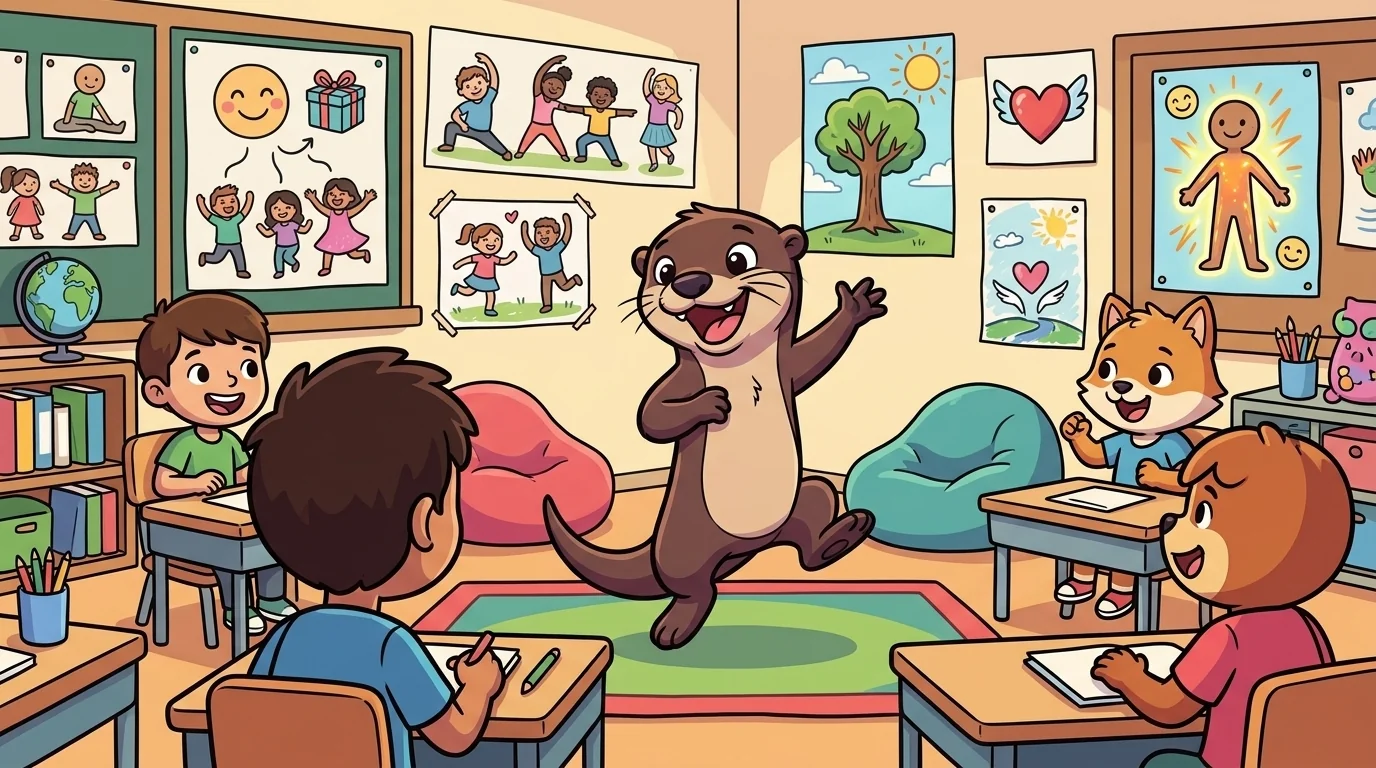
In the open yard, a student hung back, quiet, and admitted they didn't really like "exercise" — it had always been presented to them as something to do to change their body, and it made them feel watched and not-good-enough. Romp's whole face fell, gently, in sympathy. "Oh — no wonder you don't like it," he said. "Somebody handed you movement as a punishment and a report card. That's not what it is at all. Let's throw that whole version away." He didn't line them up or count anything. "Forget shape. Forget earning. Forget how it looks. Just — what do you like? Do you like music? Then we'll move to music. Do you like water, climbing, chasing, spinning?" The student half-smiled: they used to love dancing in their room where no one could see. "That," Romp said, delighted. "That counts. That's the whole thing. Not because it burns anything or proves anything — because it made you feel bright. Movement is yours to enjoy, in whatever body you've got, in whatever way feels like play. Nobody's grading it. Least of all your body."
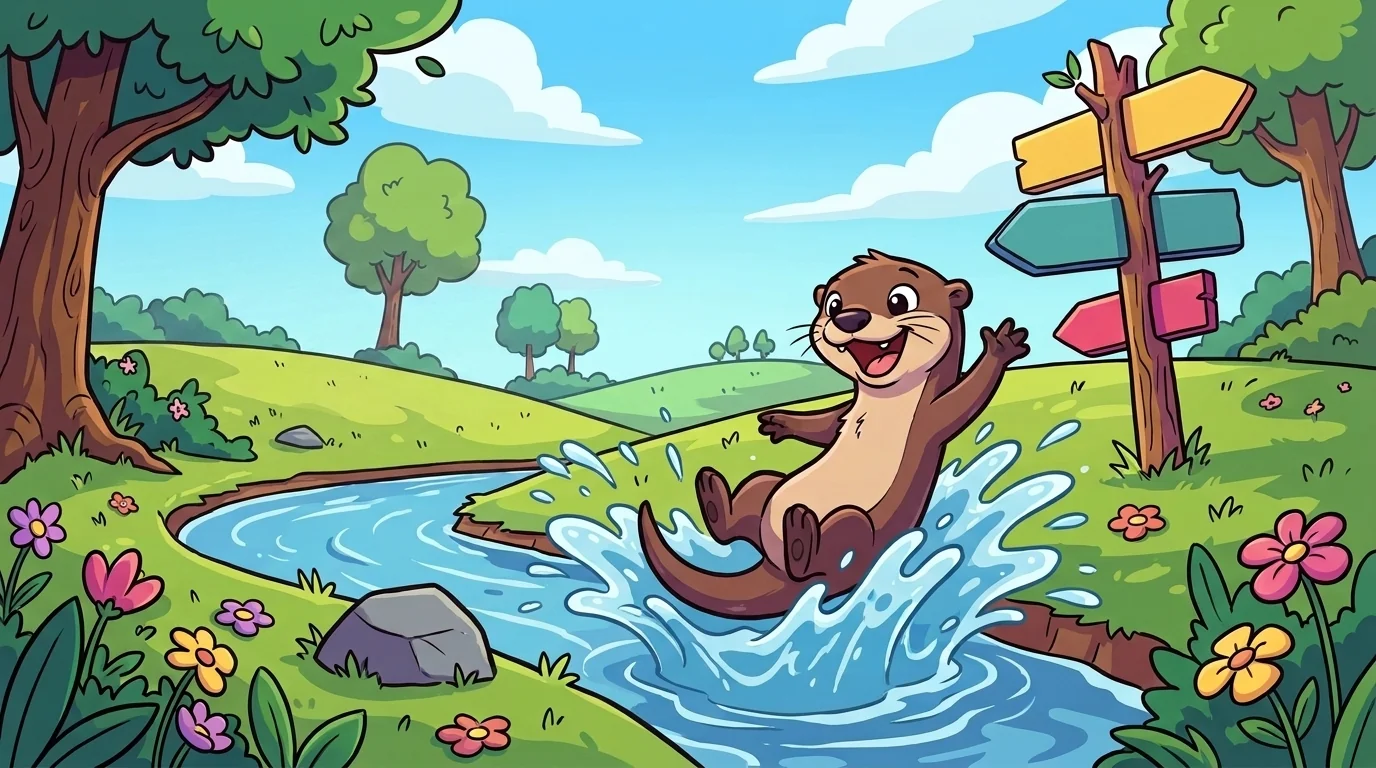
"So I don't have to earn anything by moving," the student said slowly, "and I don't have to move to look different. I can move just… because it feels good?"
"That's the only reason worth it," Romp said, and did a quick happy tumble down the grassy slope just because the sun was out. Under the laugh he felt the calm-bright feeling he always felt after moving: not the grim, watched, earning-my-keep feeling that turns movement into a chore, not the shame of a body measured against some ruler, but a light, awake, glad-to-be-alive ease that belonged to his body simply for being his. It was the gladness of someone who had learned that a body is for living in and enjoying, not for measuring, that every body gets the gift of joyful movement in its own way, and that the heart lifts when the body plays for no reason at all except the play. That bright, unearned, just-because feeling, steadier than any workout done as punishment, was to Romp exactly why he could never quite sit still when there was a hill to roll down.
Hear it as an audio drama
A short play starring Romp, from WellnessForge. Different voices, same idea. Listen any time after you read.
Loading audio…
Read the drama script
- Narrator: From Spark and Anvil and WellnessForge — this is Romp, in chapter 1 of the WellnessForge cast.
- Narrator: This drama uses an AI-generated voice. Voiced via Gemini 2.5.
- Narrator: This story covers wellness, rest, and self-care. Parents may want to listen first.
- Narrator: Romp is an otter-tween who cannot sit still when there's water to splash in or a hill to roll down — sleek, lively, bright-eyed, grinning.
- Narrator: Movement, to Romp, is a gift you give your body for how it makes you feel — bright, strong, awake, happy. Never a punishment. Never something to earn.
- Romp: A body in motion floods itself with a kind of natural brightness. A heavy, stuck feeling almost always loosens once the body starts to move — not because you earned it, just because that's what moving does.
- Narrator: He learned it on a grey day, low and heavy, when his mother said: come, one slide down the bank — not to fix anything, just because.
- Romp: I did — one splashing, laughing slide — and something lifted. She said: moving doesn't just work your body, it lifts your heart. That's the real reason we do it.
- Narrator: And when he heard others call movement a chore, a punishment, a way to earn dinner or fix their shape —
- Romp: I'd say: that's backwards. You don't owe your body laps. Your body gives you the gladness of moving. The only question worth asking is — what way of moving feels like play to you?
- Narrator: At the academy, Vita asked why we move our bodies.
- Romp: Because it feels good and lifts your mood — and it's for everyone, however they move, whatever their body is like. It is never about how you look. It's about how you feel.
- Narrator: No earning. No measuring. Nobody's grading it — least of all your body.
- Romp: I can move just because it feels good — in whatever body I've got, in whatever way feels like play. That's the whole thing.
- Narrator: You've been listening to a Spark and Anvil chapter, written by the Spark and Anvil writing team for ages 9 to 14.
- Narrator: Apps stay free forever.
- Narrator: Curriculum aligned to National Health Education Standards.
- Narrator: If anything in this story brought up big feelings, talking to a trusted adult helps. You can also reach support lines anytime.
- Narrator: Released under Creative Commons BY-NC-SA 4.0 for educational reuse. Visit Spark and Anvil for the full transcript.
The WellnessForge ensemble
Romp is one of the friends in WellnessForge. Each friend shows you one idea by how they act; meet them all and you have the whole subject.
-
Read
Nutrition-label literacy — what the package actually says vs. claims
-
Pause
Refusal craft — practiced 'no' moves under social pressure
-
Steady
Stress-regulation primitives — breath / ground / reframe before deciding
-
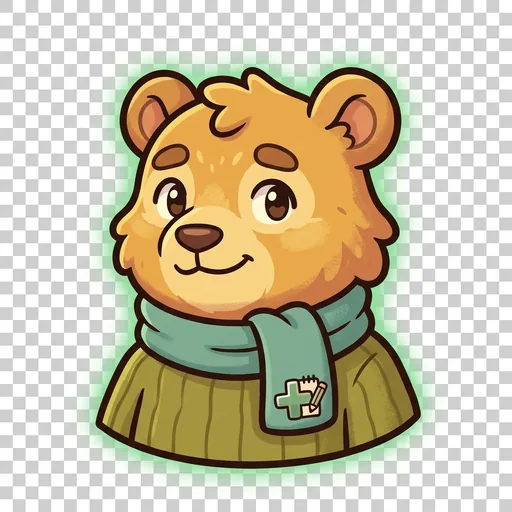
Mend
First-aid response — assess / call / care framing
-
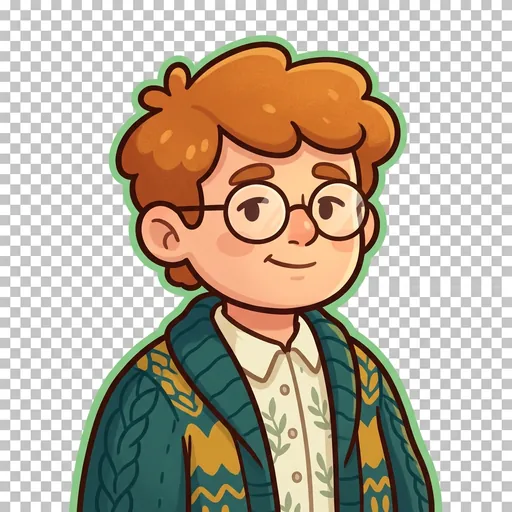
Ask
Help-seeking — trusted-adult identification + crisis-resource awareness
-
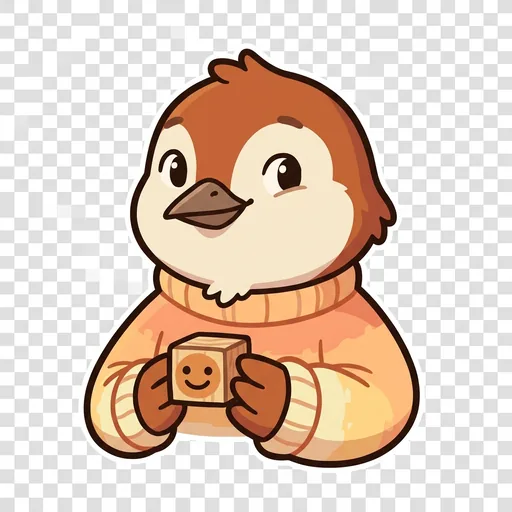
Dawn
Naming feelings — putting a word to what you feel
-
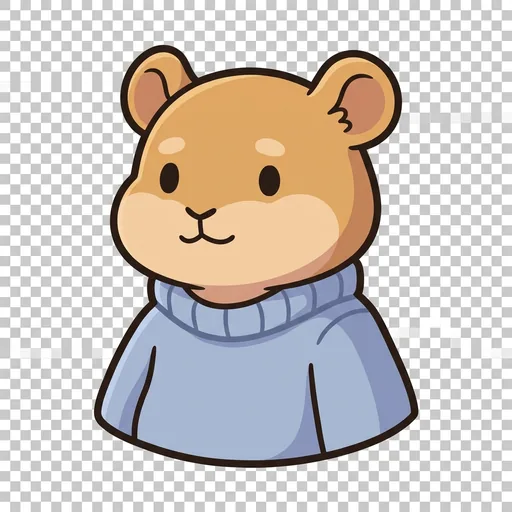
Drowse
Sleep + rest — treating rest as fuel, not laziness
-
Relish
Gratitude + savoring — noticing the small good things
-
Shore
Boundaries + consent — your body, your yes and your no