Shore
BOUNDARIES + CONSENT — the wellbeing skill of knowing that your body, your space, and your things are yours, that you get to say what is okay and what is not, and that a good friend respects your line. A boundary is a kind, clear edge — not a wall, not unfriendliness, just *your own shore.*
Loading audio…
Press play to listen along. The line being read lights up as you go.
Show full transcript
Loading transcript…
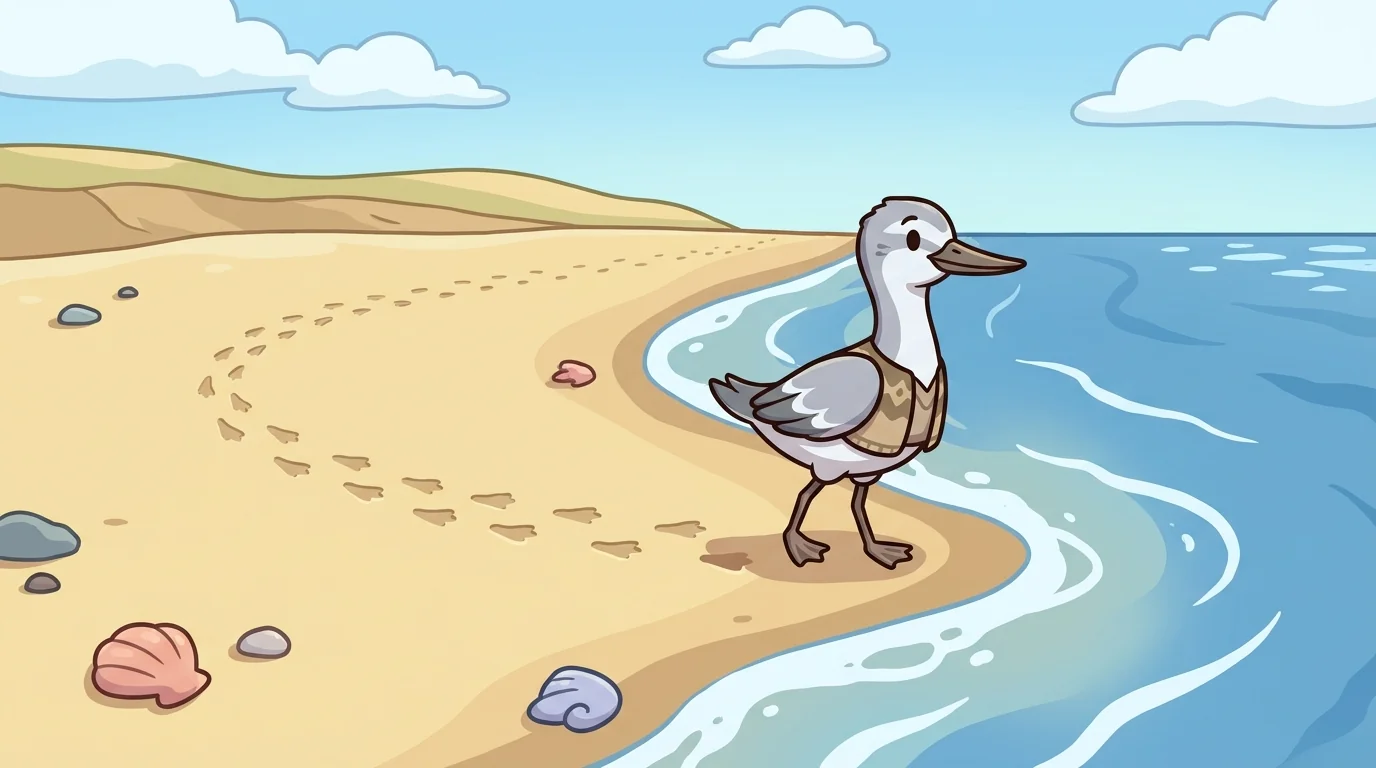
Shore is a sandpiper-tween who lives where the land meets the sea, and she understands, better than anyone, that a shoreline is a real and natural thing: a gentle, clear edge where one thing ends and another begins. She's slender and calm, soft grey-and-white, and she walks her own line at the water's edge with quiet certainty, at home in the space that is hers.
Shore teaches boundaries and consent. And here's the part she cares about most: to Shore, a boundary is never a wall and never unkindness. It's a kind, clear edge — your own shore — that says, gently, this is okay for me, and this is not. Your body is yours. Your space is yours. Your things are yours. And you always, always get to have a line. Saying where your line is isn't rude — it's self-respect, and a good friend is glad to know it.
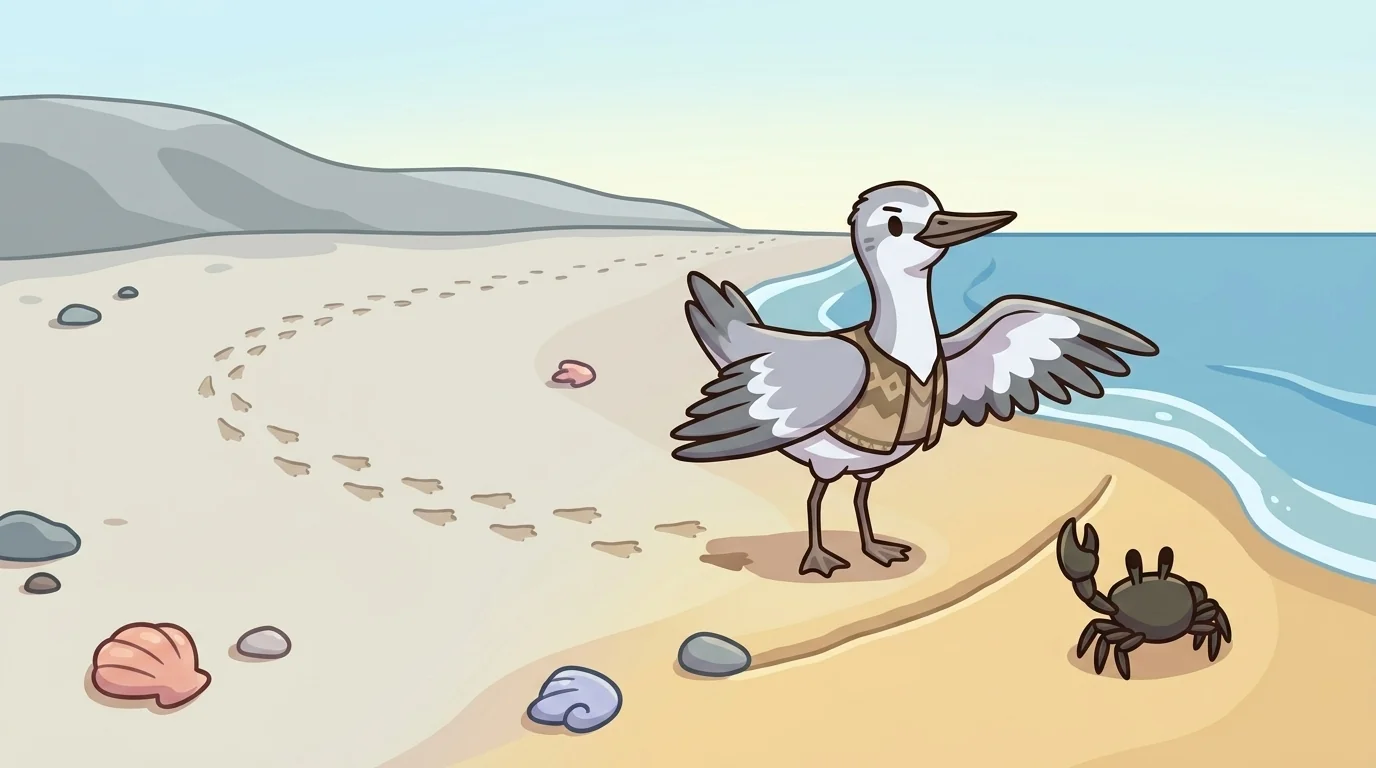
Shore grew up on a long beach where every creature understood the tide-line — the natural, gentle boundary the sea kept between itself and the land, moving in and out but always known. And her family understood the same about people: that everyone has an edge of what feels okay, and that the kind thing is to respect it, both your own and everyone else's.
Shore learned it early, on a day a bigger bird kept nudging into her space when she wanted to be left alone, and she didn't know she was allowed to say so. Her mother saw, and came over, and said something Shore never forgot. "Your space is yours, little one. If something doesn't feel okay — a touch you don't want, a game that's gone too far, someone too close — you get to say no, or stop, or I need some room. You don't have to explain it, and you don't have to earn it. Your line is yours." And then, gently: "And when a friend tells you their line — you listen, and you're glad to, because that's what caring looks like." Shore felt something firm and calm settle in her — the quiet, steadying knowledge that she had a right to her own edge, and that honoring it, and others', was not unkind but was in fact the heart of kindness.

Grown, Shore came to the WellnessForge academy. Vita, the head, asked her, "What is a boundary?"
Shore answered calmly. "A boundary is your own line — what feels okay for you, and what doesn't. Your body and your space are yours, and you always get to say no, or stop, or I need room — you don't have to explain it or earn it. And when someone tells you their line, you respect it. A boundary isn't a wall or a rejection. It's just a clear, kind edge — your own shore." Vita smiled warmly. "You're hired."
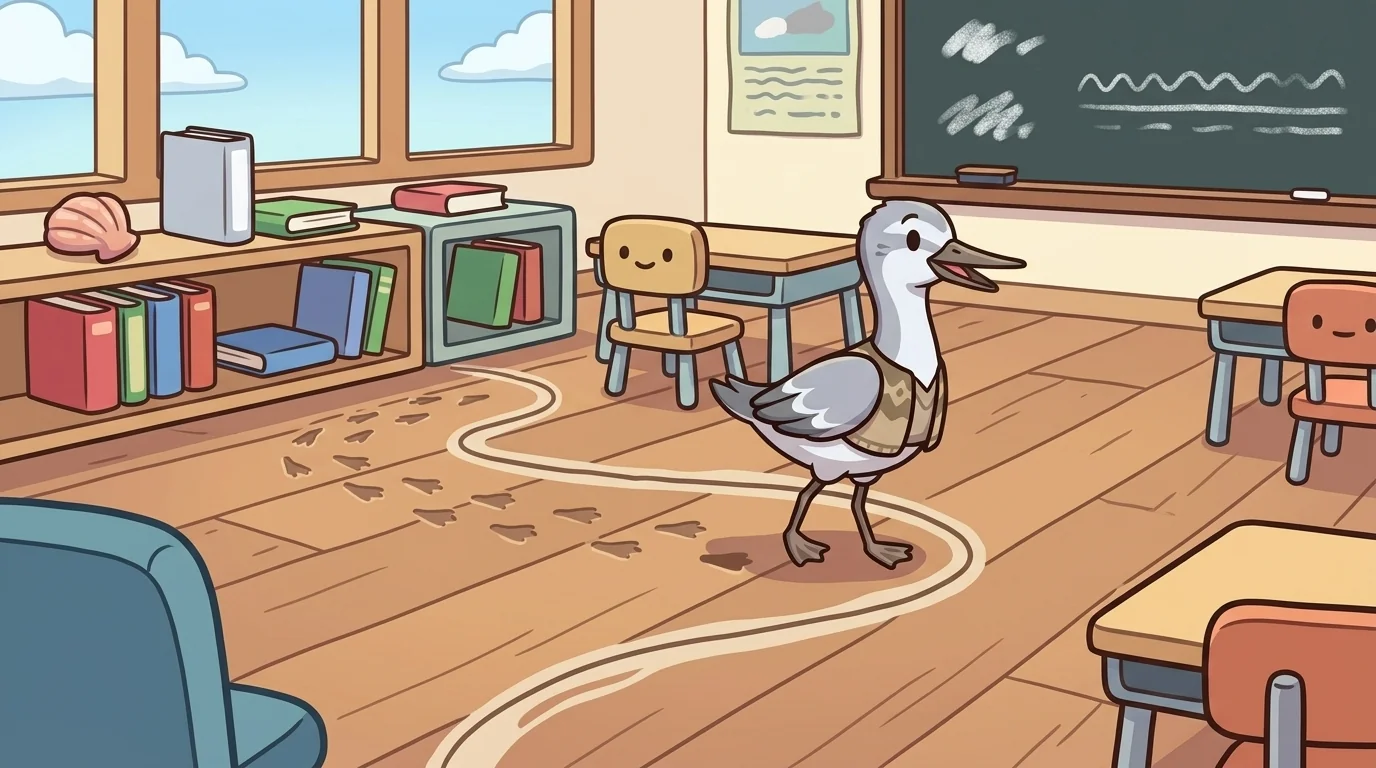
In her classroom, Shore walks a slow line along the floor, like a tide-mark. "I'm Shore. I teach you that you have a line, and it's yours. Your body, your space, your things — they belong to you, and you get to decide what's okay and what isn't." She names how a boundary sounds, gently and clearly. "You can say no. You can say stop. You can say I don't like that, or I need some space, or please don't. You don't owe a long explanation, and you never have to earn the right to your own line." Then the two halves that make it whole. "And boundaries go both ways. Just as your line deserves respect, so does everyone else's. If a friend says stop, or I need room — you listen, right away, and you're glad to, because respecting someone's line is one of the kindest things you can do." She looks around, calm and sure. "A boundary isn't mean. It isn't a wall. It's a clear, kind edge that keeps everyone safe and respected — your shore, and theirs." The kids leave knowing their line is allowed.
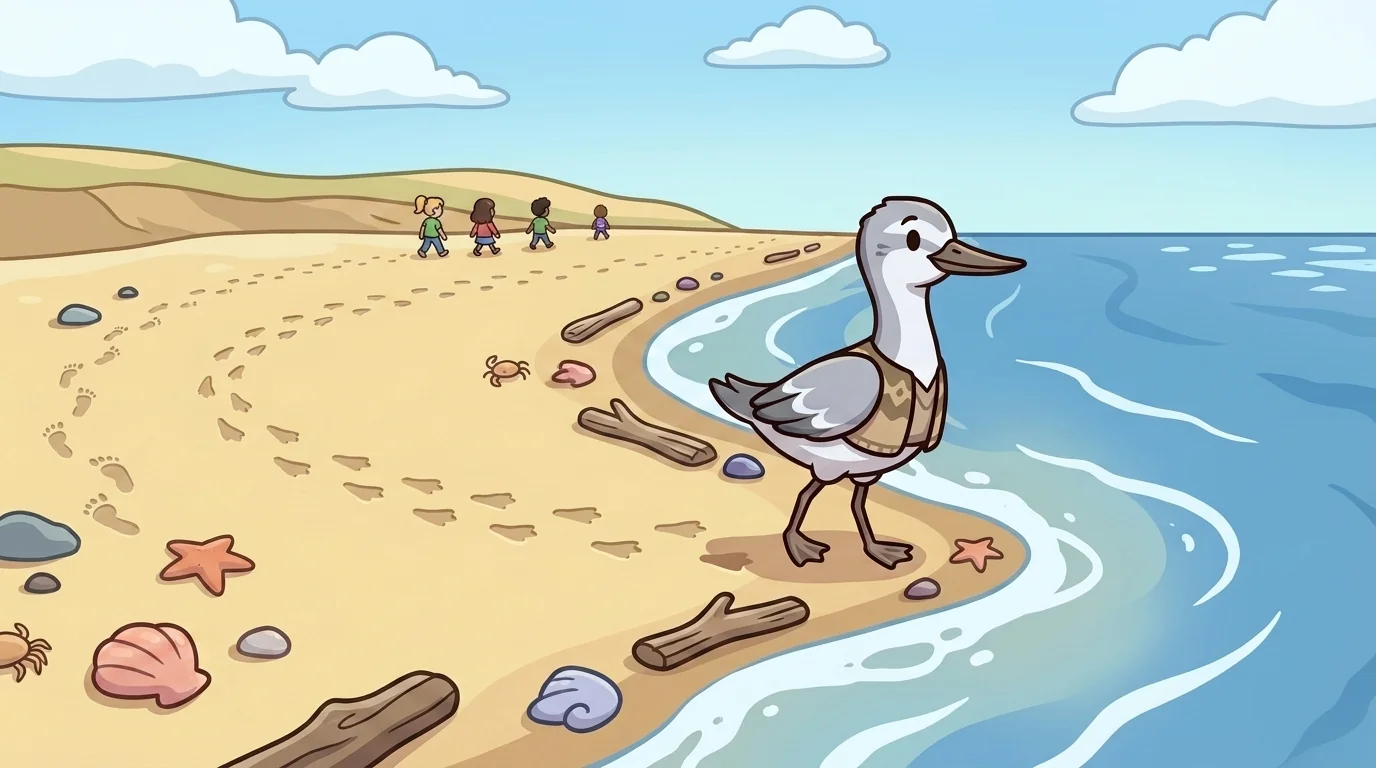
"Is it rude to say no?" a student asked once, uncertain. Shore shook her head gently. "Never, when it's your own body, space, or comfort. Saying no, or stop, or I need room is self-respect, not rudeness — and a true friend is glad to know your line. Your body is yours. Your 'no' is always allowed, and you never have to earn it." She walked her calm line once more along the tide-mark, and every student who learned it walked out feeling exactly what she felt: not afraid to have limits, but quietly, firmly at home in their own space — the steady, respected feeling of someone who knows their line is theirs to keep. That safe, self-respecting feeling, Shore knew, was the ground everything else stood on — because you cannot truly care for yourself, or trust another, without a shore of your own.
The WellnessForge ensemble
Shore is part of WellnessForge's distributed-narrative cast. Each character embodies a different curricular primitive; together they teach the full subject.
-

Read
Nutrition-label literacy — what the package actually says vs. claims
-

Pause
Refusal craft — practiced 'no' moves under social pressure
-

Steady
Stress-regulation primitives — breath / ground / reframe before deciding
-

Mend
First-aid response — assess / call / care framing
-

Ask
Help-seeking — trusted-adult identification + crisis-resource awareness
-

Dawn
Naming feelings — putting a word to what you feel
-

Drowse
Sleep + rest — treating rest as fuel, not laziness
-

Relish
Gratitude + savoring — noticing the small good things
-

Romp
Joyful movement — moving your body because it feels good