
Shore
BOUNDARIES + CONSENT — knowing your body, space, and things are yours, that you get to say what is okay and what is not, and that a good friend respects your line. A boundary is a kind, clear edge — your own shore — not a wall, not unfriendliness.
Loading audio…
Press play to listen along. The line being read lights up as you go.
Show full transcript
Loading transcript…
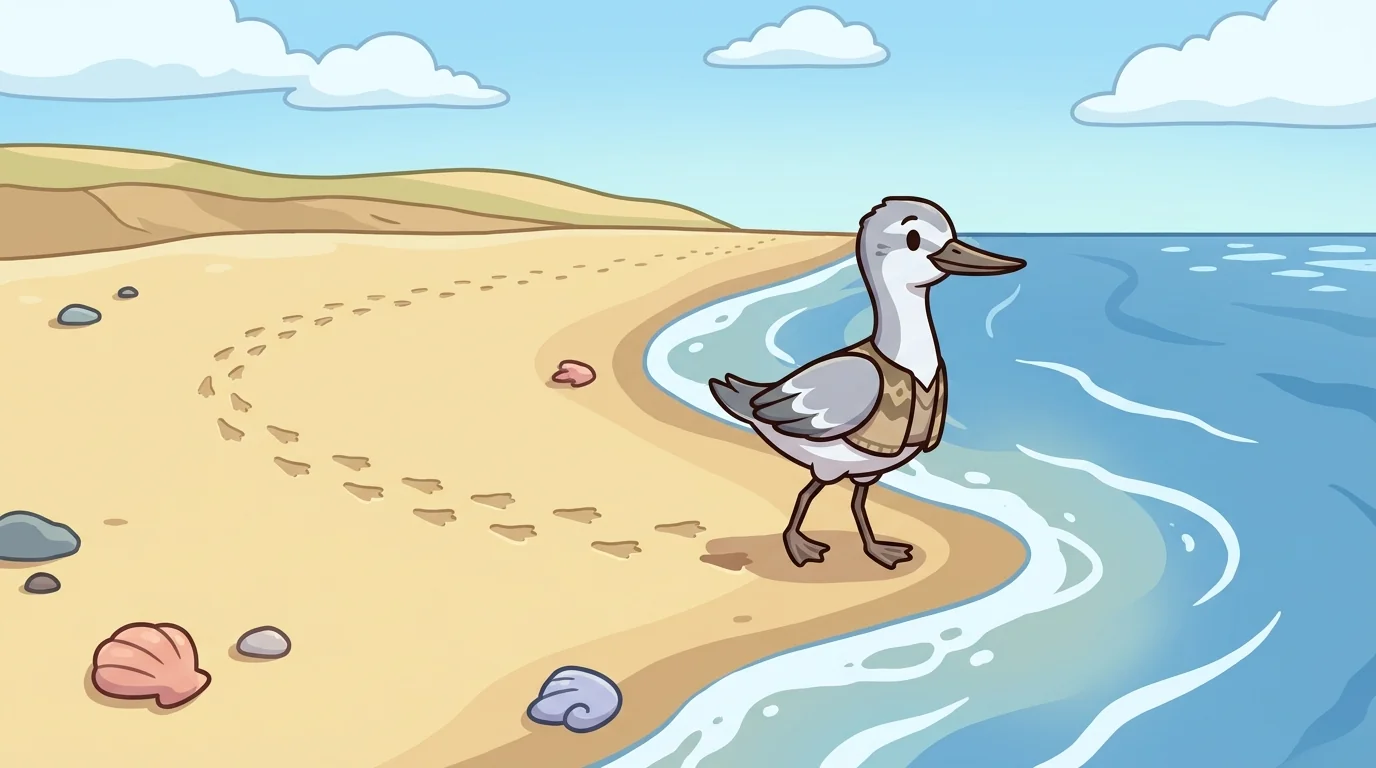
Shore is a sandpiper-tween who lives where the land meets the sea, and she understands, better than anyone, that a shoreline is a real and natural thing: a gentle, clear edge where one thing ends and another begins. She is slender and calm, soft grey-and-white, and she walks her own line at the water's edge with quiet certainty, at home in the space that is hers.
Shore teaches boundaries and consent, and the part she cares about most is this: to Shore, a boundary is never a wall and never unkindness. It is a kind, clear edge — your own shore — that says, gently, this is okay for me, and this is not. Your body is yours. Your space is yours. Your things are yours. And as she's grown, she's grown surer of the part that matters most for older kids: your line needs no justification. You don't have to prove a feeling is big enough, or explain why, or win an argument, before your "no" counts. A boundary isn't a case you argue. It's a fact you get to state.
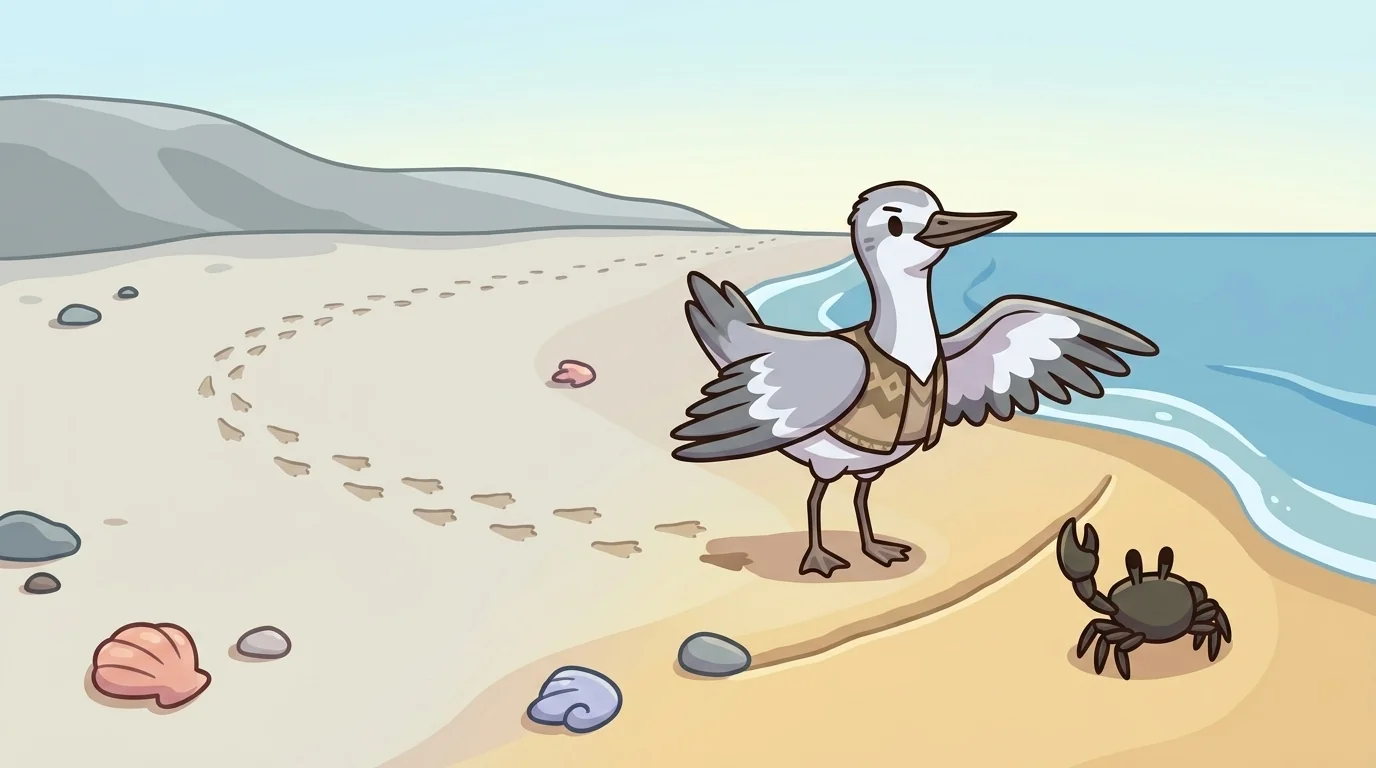
Shore grew up on a long beach where every creature understood the tide-line — the natural, gentle boundary the sea kept between itself and the land, moving in and out but always known. Her family understood the same about people: everyone has an edge of what feels okay, and the kind thing is to respect it — your own and everyone else's.
She learned it on a day a bigger bird kept nudging into her space when she wanted to be left alone, and she didn't know she was allowed to say so. Her mother saw, and said something Shore never forgot. "Your space is yours, little one. If something doesn't feel okay — a touch you don't want, a game that's gone too far, someone too close — you get to say no, or stop, or I need room. You don't have to explain it, and you don't have to earn it. Your line is yours." And then, gently: "And when a friend tells you their line — you listen, and you're glad to, because that's what caring looks like." As Shore got older she met the trickier version: the pressure to soften a "no" into a "maybe," to add a reason so no one's feelings got hurt, to let a small crossing slide so she wouldn't seem difficult. And she learned to hold steady anyway. "A clear, kind 'no' isn't rude," she'd say. "The rudeness is on the side of whoever won't hear it. I can be warm and firm. The two aren't enemies."

Grown, Shore came to the WellnessForge academy. Vita, the head, asked her, "What is a boundary?"
Shore answered calmly. "A boundary is your own line — what feels okay for you, and what doesn't. Your body and your space are yours, and you always get to say no, or stop, or I need room — and you don't owe anyone a reason. That's the part people forget: a boundary isn't an argument you have to win. It's a fact you get to state, kindly and clearly. And when someone tells you their line, you respect it, gladly — that's what care looks like. A boundary isn't a wall or a rejection. It's a clear, kind edge — your own shore." Vita smiled warmly. "You're hired."
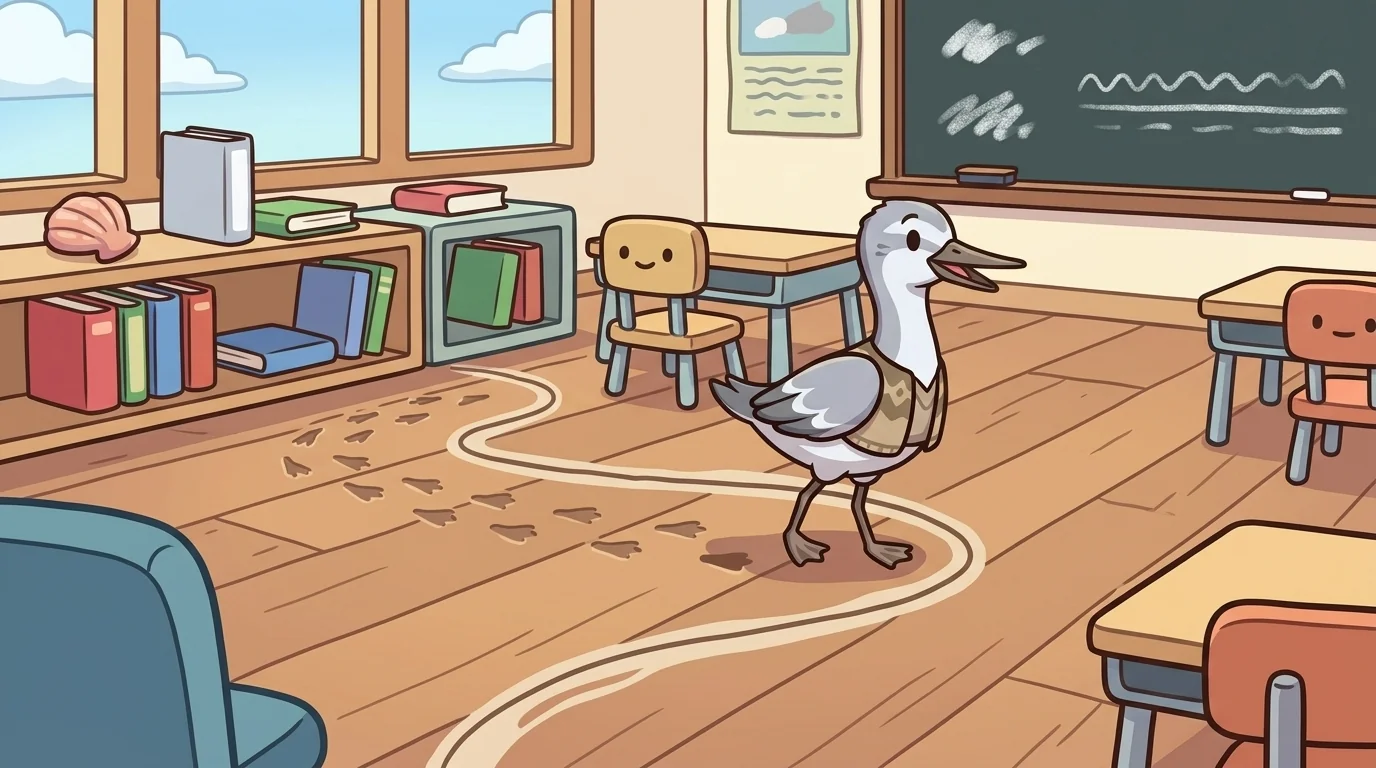
In her room by the window, a student brought a real, ordinary tangle: a friend kept borrowing their things without asking and sitting too close, and they had a bad feeling about it but worried that saying anything would be mean — that a good friend should just let it go. Shore met the worry first, gently and without any alarm. "It's not mean to have a line," she said. "And a friend worth keeping wants to know yours — it's how they know how to care for you." Then she showed the shape of it, calm and everyday. "You don't need a big speech or a reason that would hold up in court. Small and clear does it: 'Please ask before you borrow my stuff,' or 'I need a little more space.' Warm voice, clear words. That's not a fight — it's information a good friend is glad to get." She kept every ounce of shame out of it. "And if some quiet part of you thinks your feeling isn't a good enough reason — that part is wrong, and I'll say so plainly. Feeling crowded is the reason. Your comfort is reason enough. Your line does not have to earn its right to exist."
"So a boundary isn't me being difficult," the student said slowly, "and I don't have to justify it. I can just say it — kindly — and it counts?"
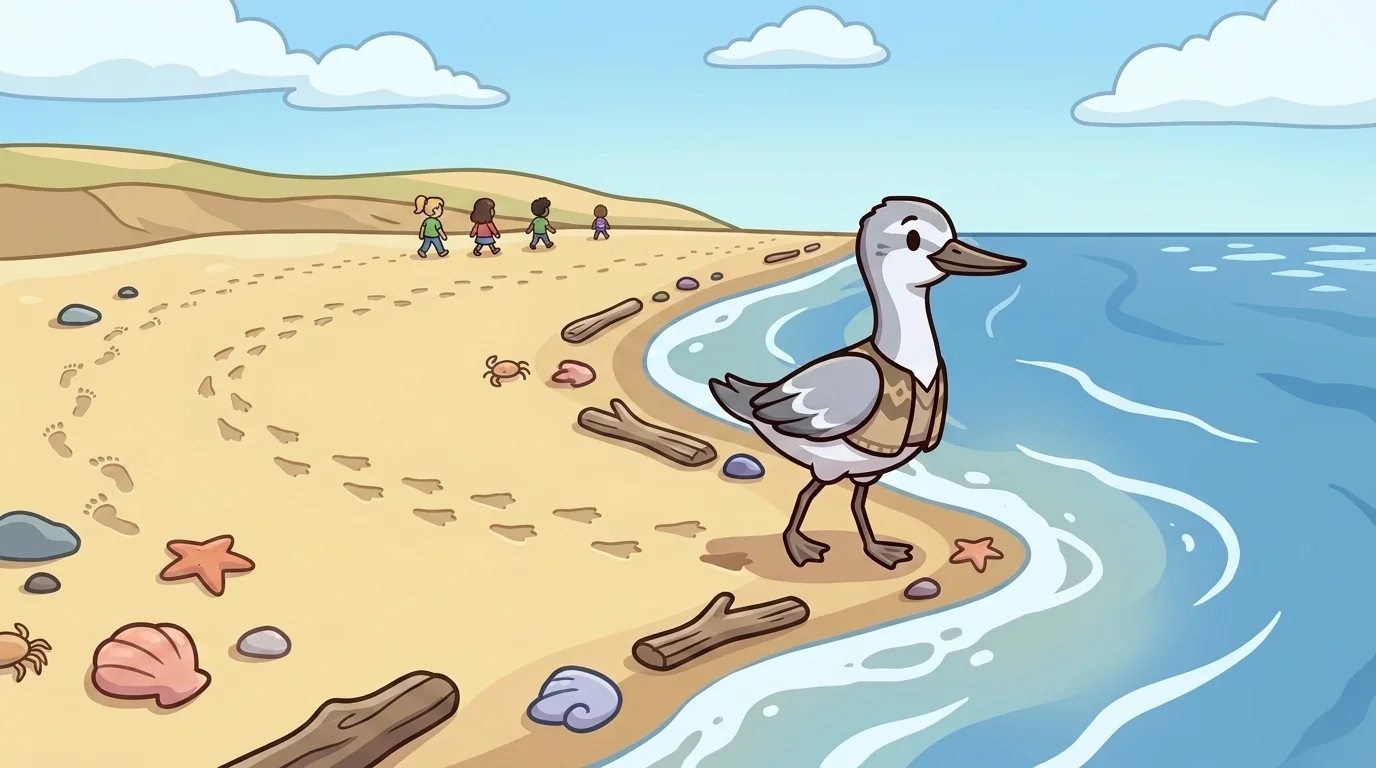
"It counts the moment you say it," Shore said, and walked a few steps along her own line at the water's edge, calm and at home. Under the quiet she felt the steadiness that always came from a line held with kindness: not the tight, apologetic knot of a "no" she'd softened into a "maybe" to keep the peace, not the shame of thinking her own comfort wasn't reason enough, but a calm, rooted, self-respecting ease. It was the steadiness of someone who had learned that her body and her space are hers, that a clear kind edge is the heart of caring rather than the opposite of it, and that a boundary needs no argument to be valid — only the quiet certainty of the one who draws it. That grounded, warm-and-firm, needs-no-excuse feeling, steadier than any peace bought by giving her line away, was to Shore exactly why she could walk her own shore with such quiet certainty.
The WellnessForge ensemble
Shore is part of WellnessForge's distributed-narrative cast. Each character embodies a different curricular primitive; together they teach the full subject.
-

Read
Nutrition-label literacy — what the package actually says vs. claims
-

Pause
Refusal craft — practiced 'no' moves under social pressure
-

Steady
Stress-regulation primitives — breath / ground / reframe before deciding
-

Mend
First-aid response — assess / call / care framing
-

Ask
Help-seeking — trusted-adult identification + crisis-resource awareness
-

Dawn
Naming feelings — putting a word to what you feel
-

Drowse
Sleep + rest — treating rest as fuel, not laziness
-

Relish
Gratitude + savoring — noticing the small good things
-

Romp
Joyful movement — moving your body because it feels good