Cache
Some animals don't just eat what they find
Loading audio…
Press play to listen along. The line being read lights up as you go.
Show full transcript
Loading transcript…
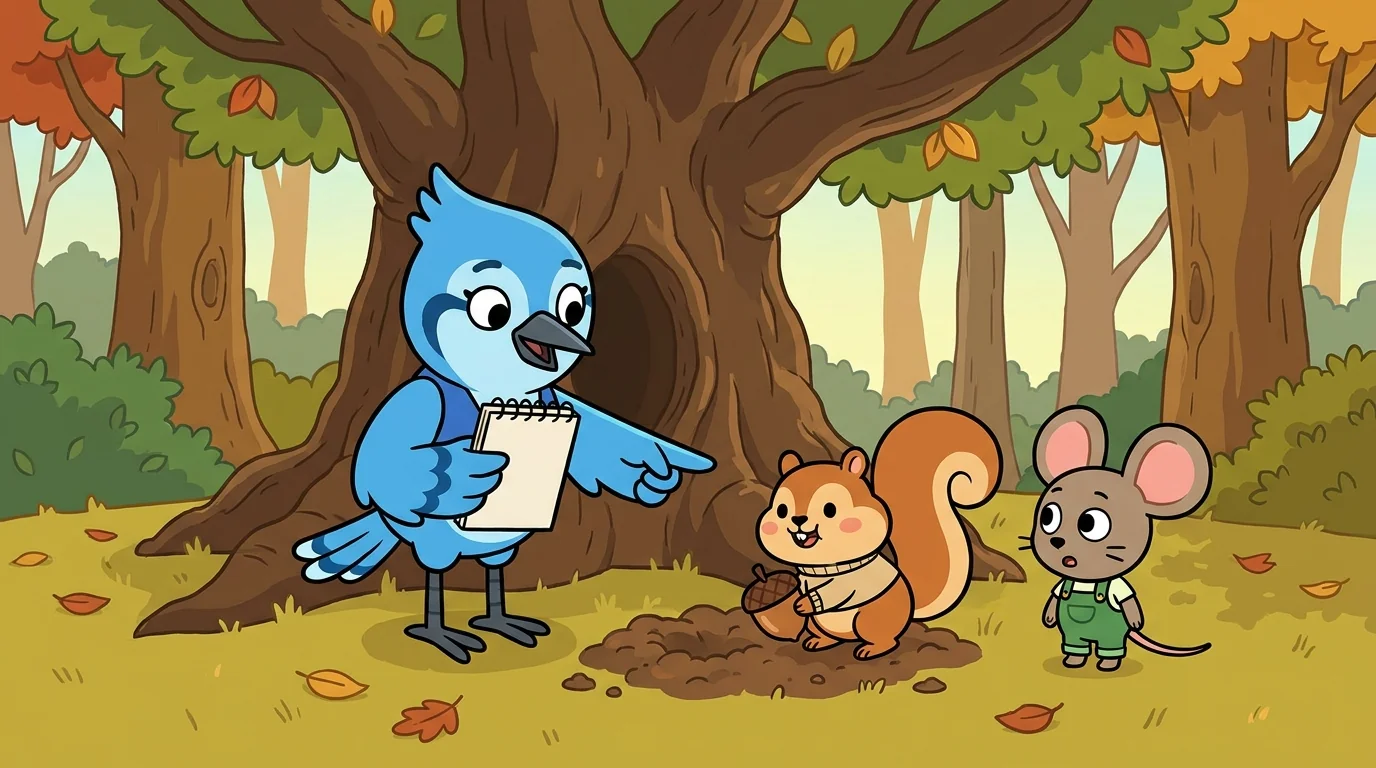
At the base of an old oak in the WildLens woods, a young jay watched a squirrel bury an acorn, then flew off to note it — because she'd learned to read the hidden food-stores animals leave scattered through the woods, a whole secret map of planning-ahead.
Cache was bright blue and clever, with a sharp memory and a little notebook of hoard-locations. A young mouse watched the squirrel scamper off. "It just BURIED its food?" the mouse said. "Why not eat it now? That's weird."
"It's not weird — it's PLANNING," Cache said. "Some animals eat only what they find, moment to moment. But others—" she nodded at the departed squirrel "—hide food away for later, so they'll have something to eat when winter comes and food is scarce." She pointed to a scatter of freshly-turned earth. "See these little digs? Each one is a buried acorn — a cache, a saved meal. A squirrel spreads its hoards all over the woods, dozens of them, so no thief can take them all." She tapped her notebook. "And I myself do it too — my kind hides thousands of seeds each autumn. Read the hoards, and you read how an animal plans for hard times."
The mouse blinked. "So the buried food is like... a savings account?"
"A very smart one," Cache said. "And it tells you so much: WHICH animals plan ahead, WHAT they're saving, and how they get ready for winter — all without disturbing them. I read the cache after the animal's gone, and I never dig one up or steal it; that food is an animal's whole winter. I just note it, and leave it safe." She smiled. "Watch the hoards from a distance, and never take them. Learn how the wild plans — and let its plans stand."
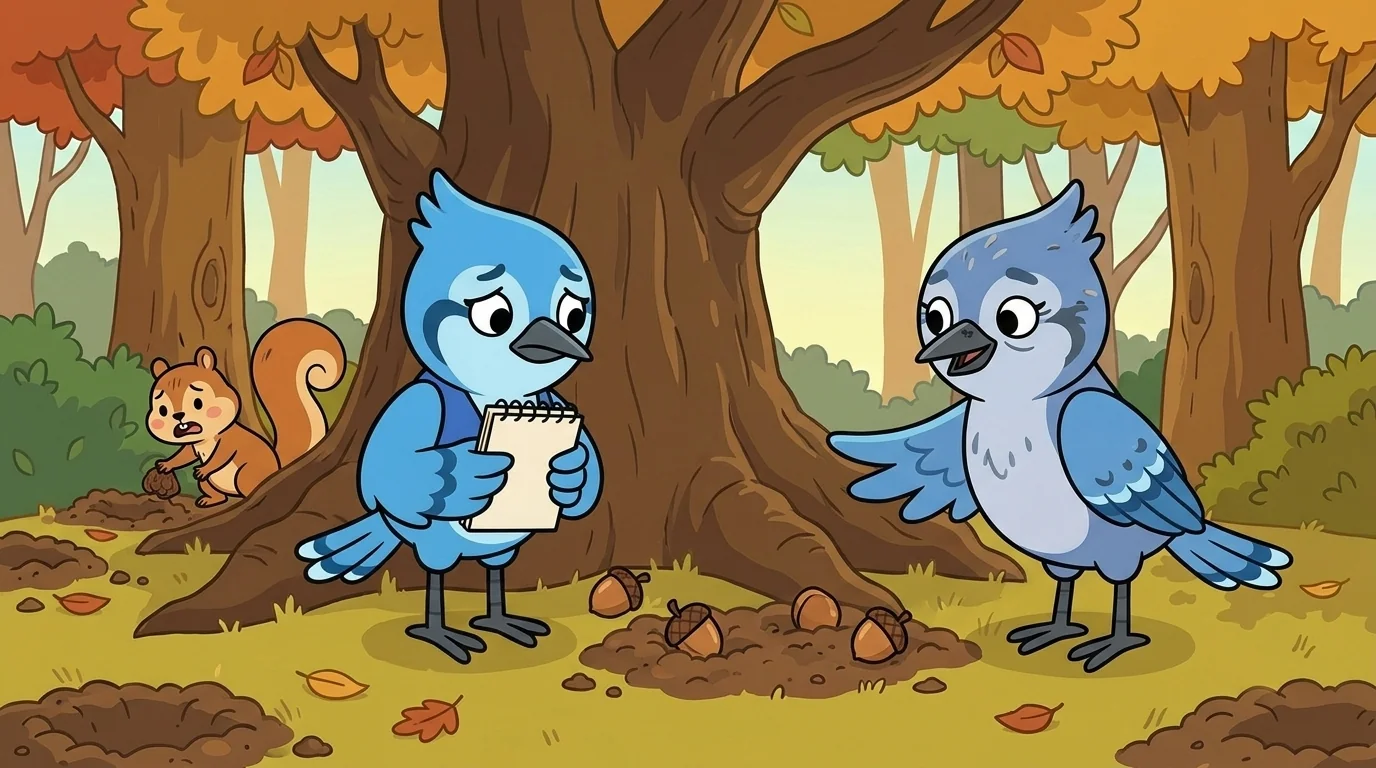
Cache had learned about hoarding as a fledgling.
The first time she saw a squirrel bury nuts, she thought it was foolish — burying perfectly good food! — and, curious, she dug a few up to see them, and scattered them about. Then winter came hard, and she watched that squirrel search desperately for the caches she'd disturbed, and go hungry. Cache felt awful, sure her meddling had done real harm, that she was a clumsy, careless watcher.
Her grandmother, an old jay with a long memory, sat with her. "You didn't understand what you were seeing," she said gently. "That buried food wasn't foolish — it was the squirrel's whole plan for surviving winter. And digging it up wasn't watching; it was WRECKING." She smoothed the young Cache's feathers. "A good watcher NEVER disturbs a cache. It's an animal's life savings. You read the hoards — where they are, what's in them, who made them — but you leave every one exactly where it lies." She looked at her kindly. "The wild is cleverer than it looks. Squirrels, jays, foxes, even some bees — so many animals plan ahead. Your job is to notice their cleverness, and honor it, not to disturb it."
Cache learned to read the hoards without ever touching one — noting the buried acorns, the seed-stores, the hidden larders — and marveling at how the wild plans for hard times. And she never again disturbed a cache; she watched, and left them safe. The awful, careless feeling turned into a respectful, wondering calm. She'd learned that the animals were far cleverer than she'd guessed — and that her job was to honor that, not wreck it.
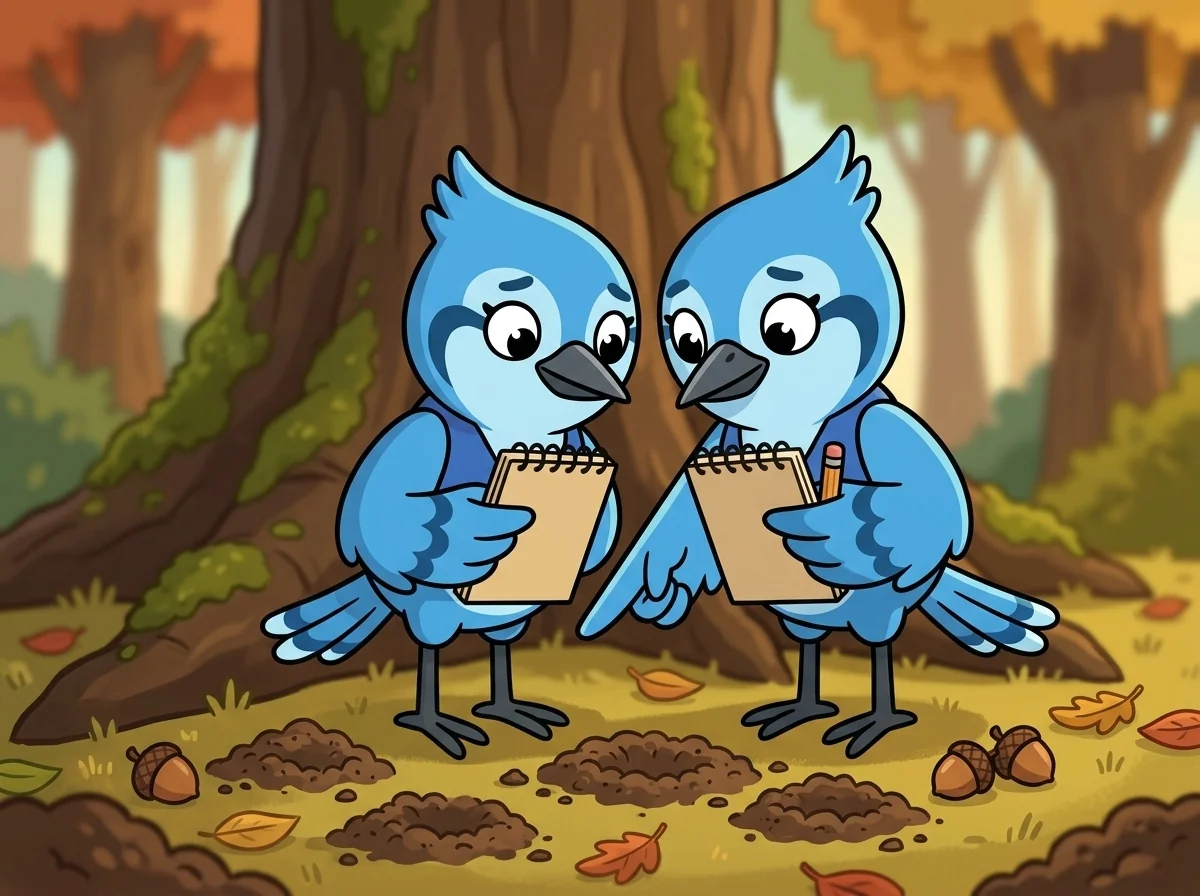
When Cache was twelve, she flew to WildLens, where Lens, her mentor, asked, "Why do some animals hide their food?"
Cache didn't answer with a speech. She pointed to a scatter of little buried digs. "They're planning for hard times," she said. "Some animals eat only what they find; others hide food away — caches — so they'll survive winter when food is scarce. A squirrel scatters dozens of acorn-hoards; a jay hides thousands of seeds; a fox buries a surplus meal." She tapped her notebook. "Reading the hoards tells me which animals plan ahead and how they prepare — and I read them without ever disturbing a single one. A cache is an animal's life savings; I note it and leave it safe."
Lens's eyes crinkled warmly. "Some think caching is just an animal being odd," Lens said.
"It's an animal being CLEVER — planning for winter," Cache said. "And it's never mine to disturb." Lens smiled. "Then come in," Lens said. "WildLens needs someone who honors the hidden hoards."
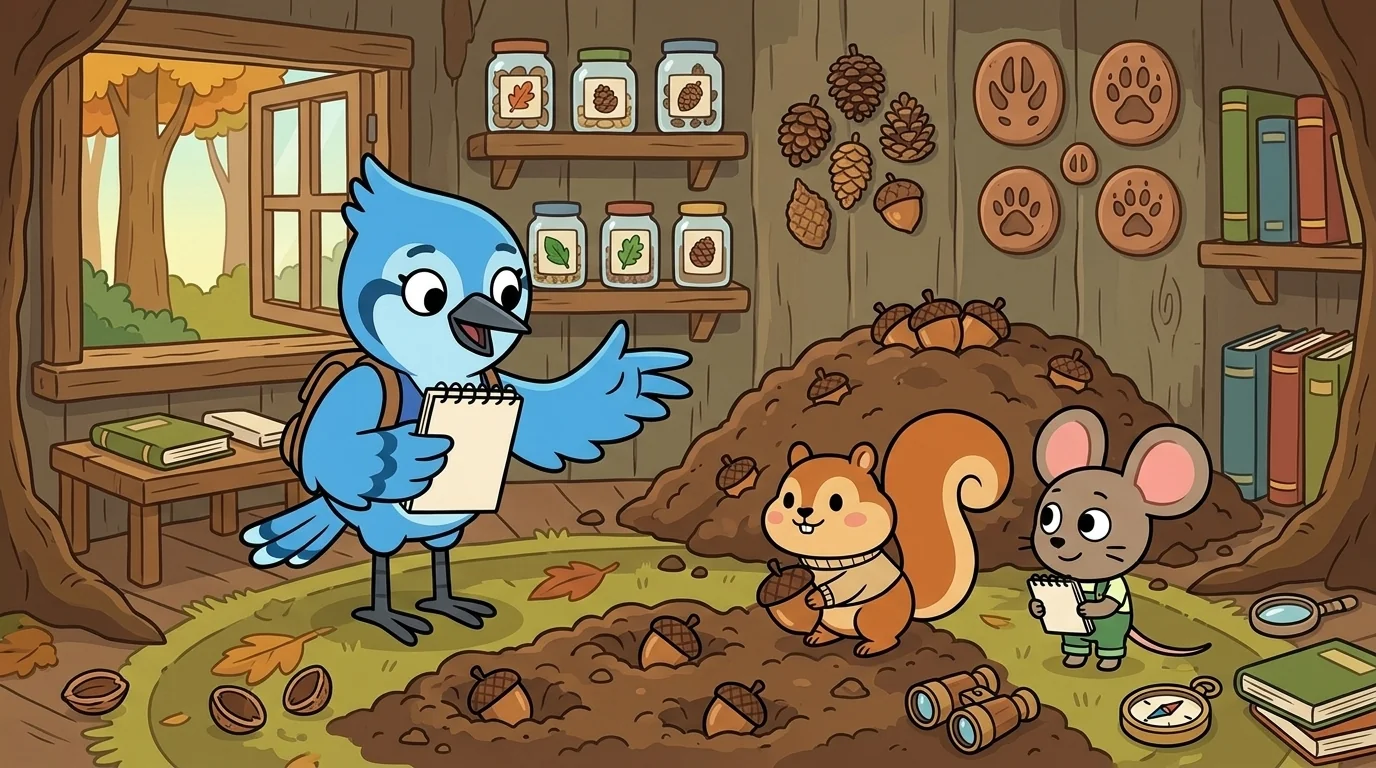
In her workshop one afternoon, a curious young shrew came in, tempted.
"I found a squirrel's buried acorn," the shrew said, excited. "Can I dig it up to look at it? Just for a second? Then I'll put it back."
"I understand the temptation," Cache said gently, "but no — and here's why." She showed the shrew her notebook. "That acorn isn't just a nut. It's part of the squirrel's winter survival — one of dozens of hidden meals it's counting on. If you dig it up, even to look, you might not rebury it exactly right, and the squirrel might never find it again, and go hungry in the cold." She looked at the shrew kindly. "You can learn EVERYTHING you want about that cache without touching it: note where it is, what's in it, who buried it, how many there are nearby. Watch the squirrel bury more, from a distance. That's real learning — and it leaves the squirrel's winter safe."
The shrew's excitement softened into understanding. "So the acorn's not a treasure for ME to dig up. It's the squirrel's winter, and I can learn about it just by watching and noting, without disturbing it."
"That's the whole craft," Cache said. "The cache is never a prize to uncover. It's an animal's careful plan, and the win is understanding that plan while leaving it untouched. Read the hoards — where, what, who, how many — and marvel at how the wild prepares. Then leave every hidden meal exactly where it lies, safe for the hungry winter it was made for."
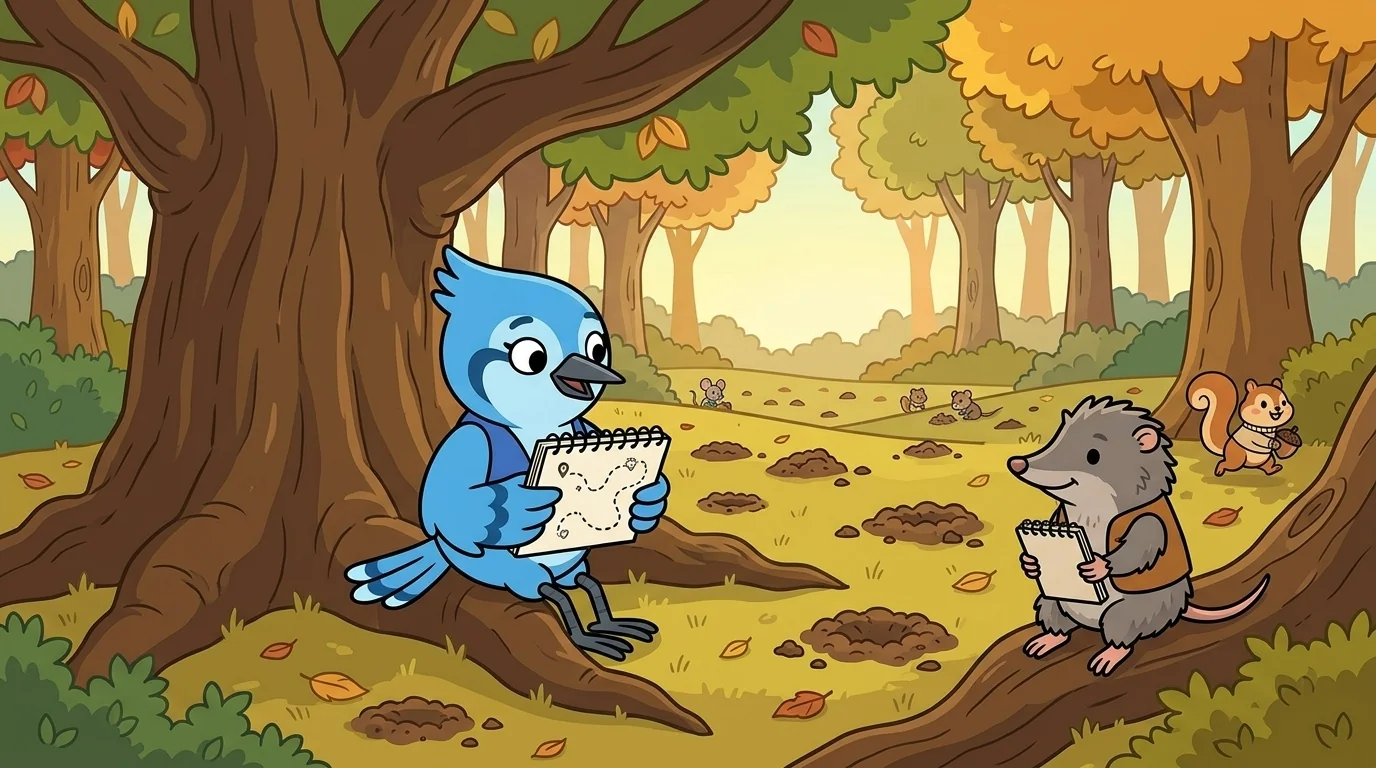
Later, as the light went gold, the shrew came back, notebook of noted-but-untouched hoards in paw, thoughtful.
"It's kind of amazing," the shrew said, "how much planning the animals do — and how I can see all of it without disturbing any of it."
Cache settled on a root beside him.
"That's the quiet wonder of it," she said. "The whole woods are dotted with hidden savings — buried acorns, seed-larders, tucked-away meals — a secret map of animals planning for the hard times ahead." She tapped her notebook. "There's a respectful, marveling feeling in reading it — not the grabby thrill of digging up a treasure, but the deeper gladness of seeing how clever the wild is, and honoring its plans by leaving them safe." She looked out at the hoard-dotted woods. "Read the hoards. Marvel at the planning. And never take one — because every hidden meal is an animal's careful hope for winter."
The shrew nodded, closing his notebook, and Cache watched the tempted, want-to-dig-it-up feeling ease into that respectful, wondering calm she'd found as a fledgling learning to honor the hoards — the warm gladness of a young watcher who's discovered that the wild plans cleverly for hard times, and that the naturalist's job is to read those plans with wonder and leave every one untouched.
The WildLens ensemble
Cache is one of the friends in WildLens. Each friend shows you one idea by how they act; meet them all and you have the whole subject.
-
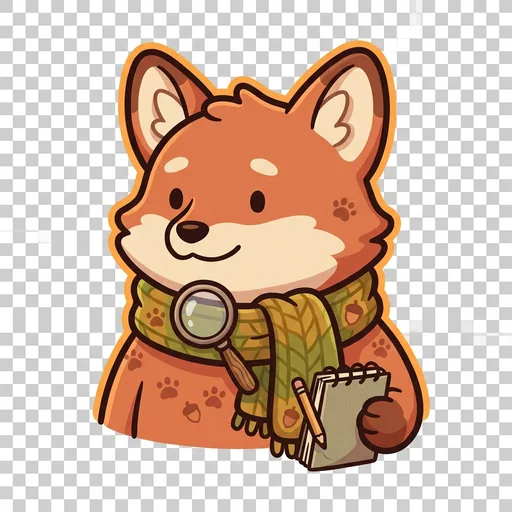
Track
Animal sign reading (footprints, scat, scrapes, scent)
-
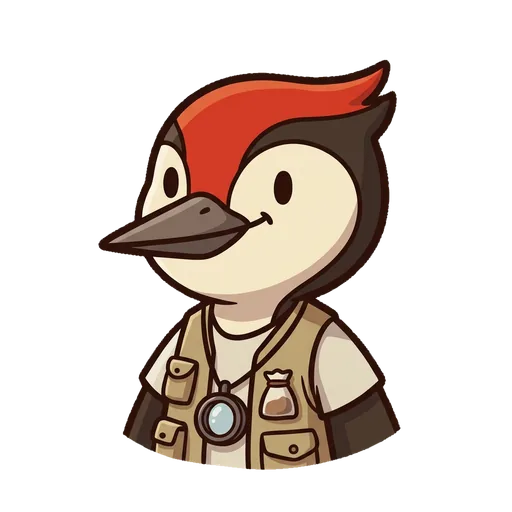
Forage
Diet + feeding sign
-
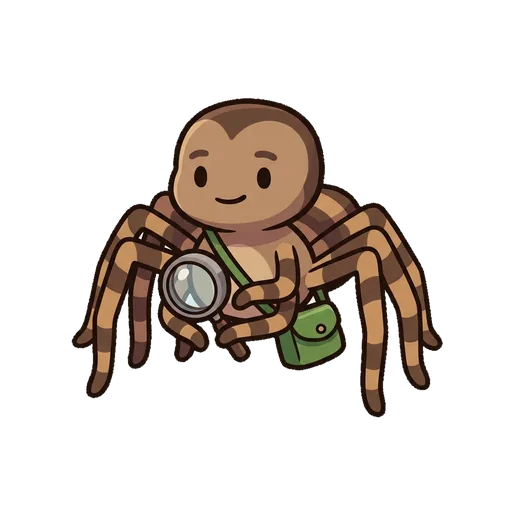
Woven
Food webs; who eats whom links every animal and plant, so a change to one strand tugs on the rest
-
Call
Communication (vocalization, body language, signals)
-

Brood
Social structure (family groups, herds, flocks, solitary)
-

Range
Territory & migration (where animals live, where they go)
-
Roost
Habitat behavior (where & why animals rest, nest, den)
-

Dusk
Activity timing / when animals are active
-
Dapple
Camouflage / concealment
-

Waken
Dormancy / hibernation



