Before you start
Most popular
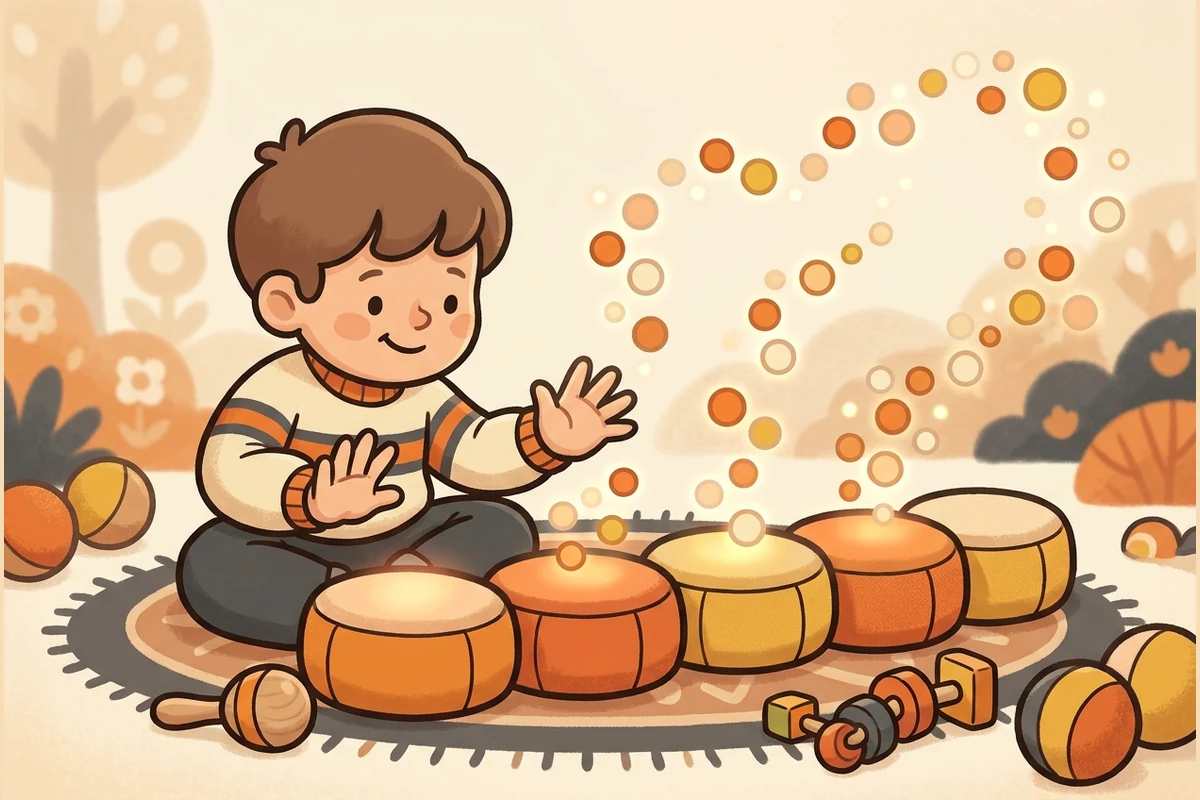 Beat Studio Place beats on the grid, see them as a wheel, count them out loud.
 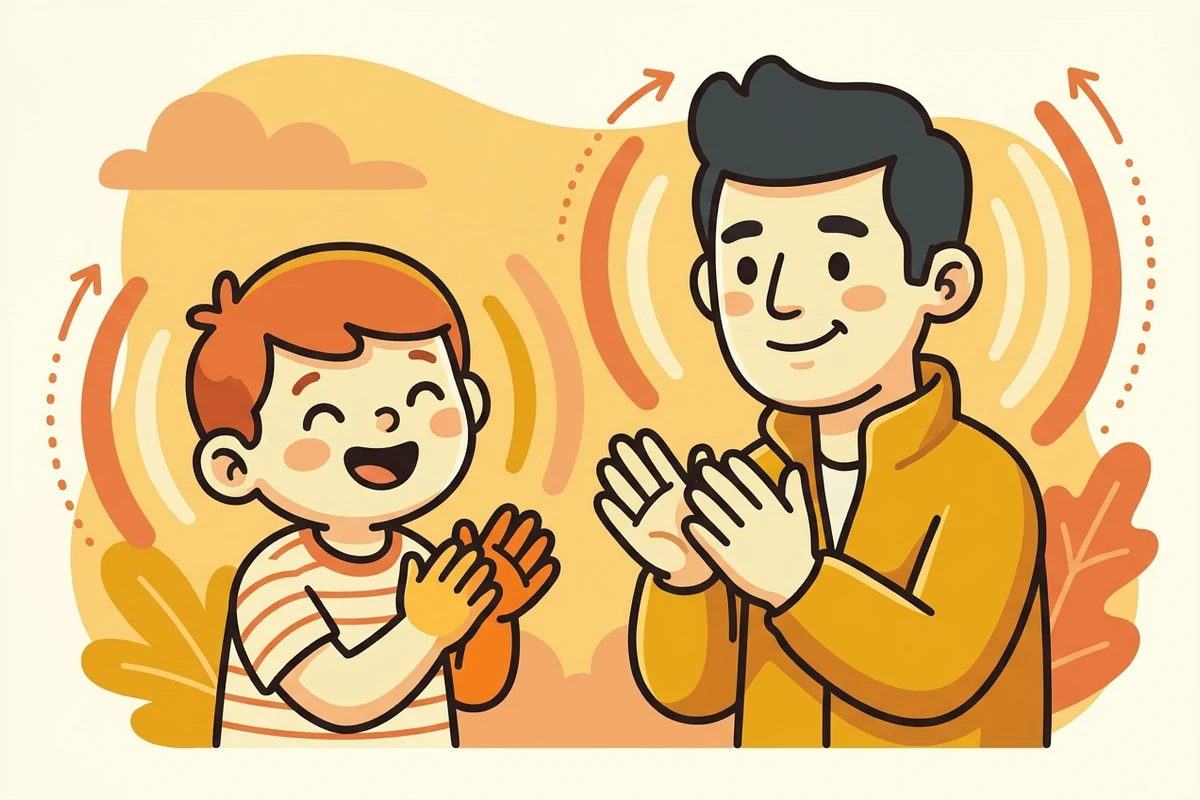 Rhythm Coach Fill the measure, echo back a rhythm — a hint after every first try.
  Melody Studio Build a tune on a pitched grid — in pentatonic mode nothing sounds wrong.
  Notation Bridge Read real notes, stems and flags — then build the rhythm on the grid.
 All activities
Make music
Beat Studio A step-sequencer with a circular rhythm wheel and count-along syllables (1 e & a · ta-ka-di-mi). Melody Studio Build a tune on a pitched grid. In pentatonic mode there are no wrong notes — then switch to the full scale. Compose to a Brief Build a rhythm that meets a goal — a groove, a backbeat, a syncopation — then see it in real notation.
Train your ear
Rhythm Coach Fill the measure to four beats, and echo back rhythms you hear or see. A hint is always there. Notation Bridge Read a rhythm in real notes, then build it on the beat grid — the bridge from the grid to the page. Tempo Trainer A visual metronome with a swing slider — plus a tap-the-beat drill that tells you early, late, or on time. Harmony Harbor Two notes at once make harmony — name the interval, hear smooth vs. clashing, bright vs. dark. Predict, then hear it. Dynamics Domain From a whisper (pp) to a shout (ff) — order the levels, predict if a phrase grows louder or softer.
Practice & play
Beat Battle 2–4 players take turns on one device — highest first-try score wins. Or open a room and play a friend. Beat Quest — the map A path through all 16 kits — clear each stop, then move on. Mixed Practice A short round across the kits you have played — brought back to make it stick. BeatForge Sprint Race your OWN best on what you already know. Timer optional, no penalty. Trick Questions Brain-teasers with a twist — spot why the obvious answer is a trap. Teach the Cast Teach a music idea to a cast member still learning it — teaching makes it stick. For grown-ups — progress report A private, on-device snapshot mapped to the skill areas practiced. Export a CSV or print — nothing leaves this device.
Concept Kits — 16 kits about music
Kit 1: Rhythm & Beat Basics Rhythm & Beat · grades 4-5 · 25 questions Kit 2: Melody & Pitch Melody & Pitch · grades 4-5 · 25 questions Kit 3: Musical Notation Reading Notation · grades 5-6 · 25 questions Kit 4: Instrument Families Instruments · grades 5-6 · 25 questions Kit 5: Rhythm Composition & Time Signatures Rhythm & Beat · grades 5-6 · 25 questions Kit 6: Music History & Genres History & Genres · grades 6-7 · 25 questions Kit 7: Music Theory & Harmony Theory & Harmony · grades 6-7 · 25 questions Kit 8: Digital Music Production & Sound Design Music Tech & Production · grades 7-8 · 25 questions Kit 9: World Music & Global Traditions World Music · grades 5-6 · 25 questions Kit 10: Music & Emotion / Film Scoring Emotion & Song · grades 6-7 · 25 questions Kit 11: Song Structure & Lyrics Emotion & Song · grades 6-7 · 25 questions Kit 12: Music Technology & Production Music Tech & Production · grades 7-8 · 25 questions Kit 13: Cross-Topic Connections Putting It Together · grades 5-6 · 25 questions Kit 14: Real-World Applications Putting It Together · grades 6-7 · 25 questions Kit 15: Misconceptions & Reasoning Putting It Together · grades 6-7 · 25 questions Kit 16: Advanced Synthesis Putting It Together · grades 7-8 · 25 questions
More ways to play
😄 Brain break
Meet the cast — the characters who teach this
-
 Throb The steady pulse — the underlying clock every other rhythm hangs from
 -
 Snap Subdivision — splitting a beat into equal smaller parts (eighths, sixteenths, triplets)
 -
 Hammer Accent — emphasis on specific beats (the downbeat, the backbeat, polyrhythmic emphasis)
 -
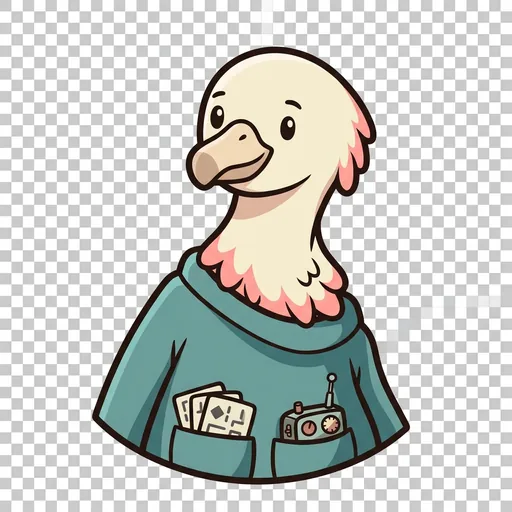 Tilt Syncopation — placing weight off the expected beat to create pull and forward motion
 -
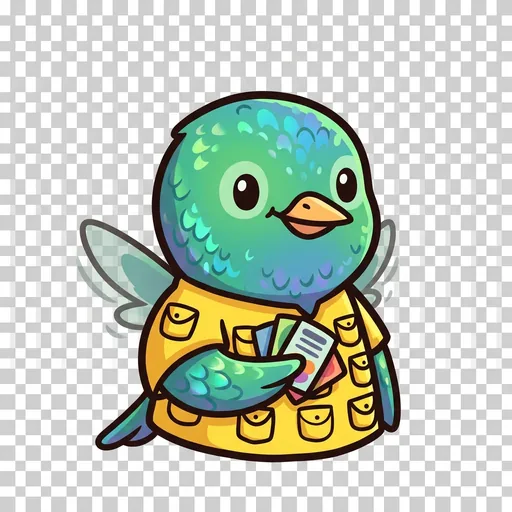 Spin Groove — the looping pattern that emerges when pulse + subdivision + accent + syncopation cohere; the thing that makes a beat feel like a particular genre
 -
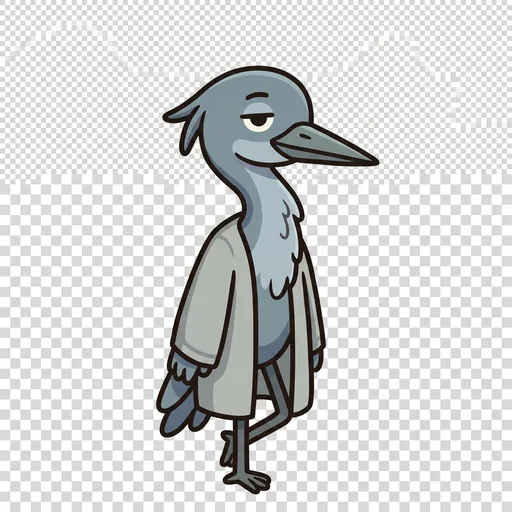 Lull The rest — the beat you leave empty on purpose; silence counted as part of the music, so the next sound lands bigger
 -
 Crest Dynamics — how loud or soft the music is, swelling louder and easing softer to give a song its waves
 -
 Rush Tempo — how fast the pulse runs, and speeding up or slowing down to steer the whole mood of a song
 -
 Volley Call-and-response — one player calls a phrase and the others answer it back; music as a conversation traded around a circle
 -
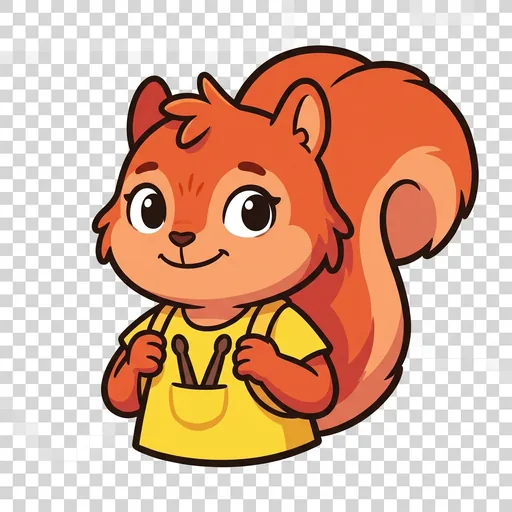 Flurry The fill — the quick burst of drum notes that carries a song across the turn from one section into the next
 -
 The Jam The whole rhythm section playing together — how pulse, subdivision, accent, and syncopation lock into one groove that lifts everybody up at once
Ensemble stories — the cast together