
Before you start
Most popular
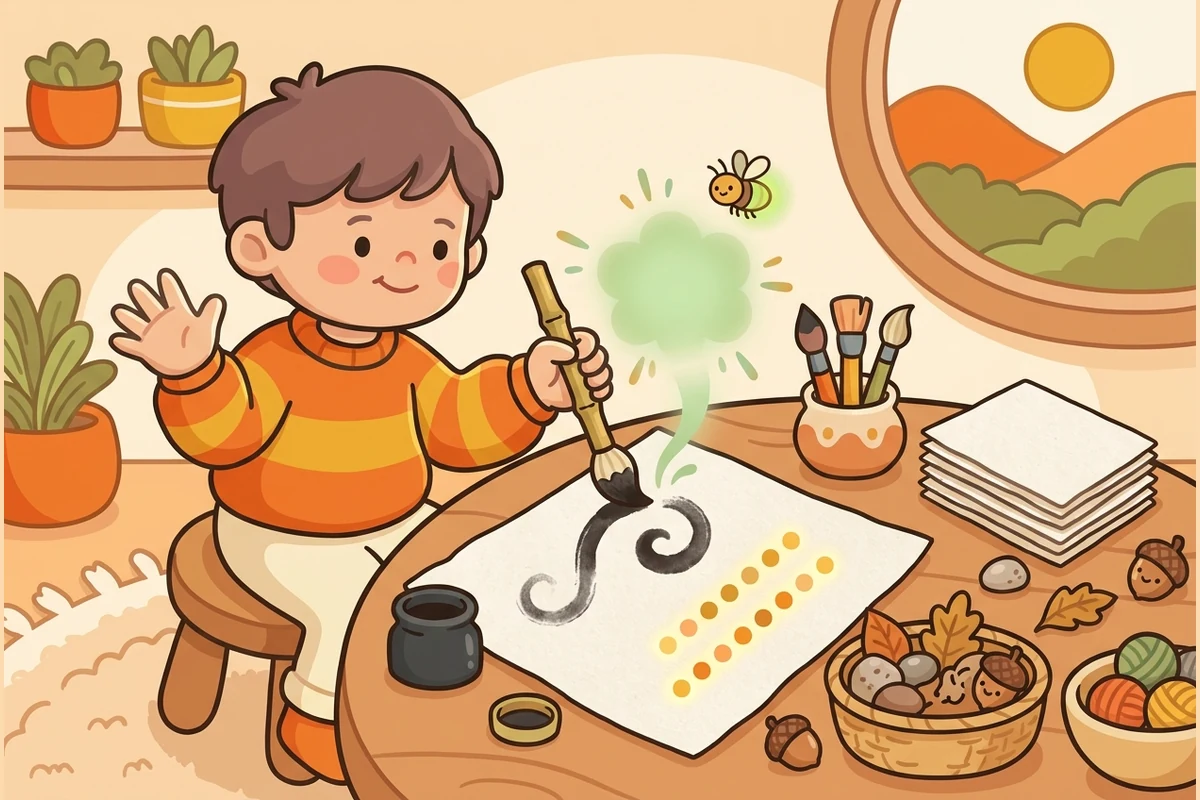 Write a Haiku Compose a poem one line at a time with a live syllable meter — soft green when a line lands, warm amber when it doesn’t.
 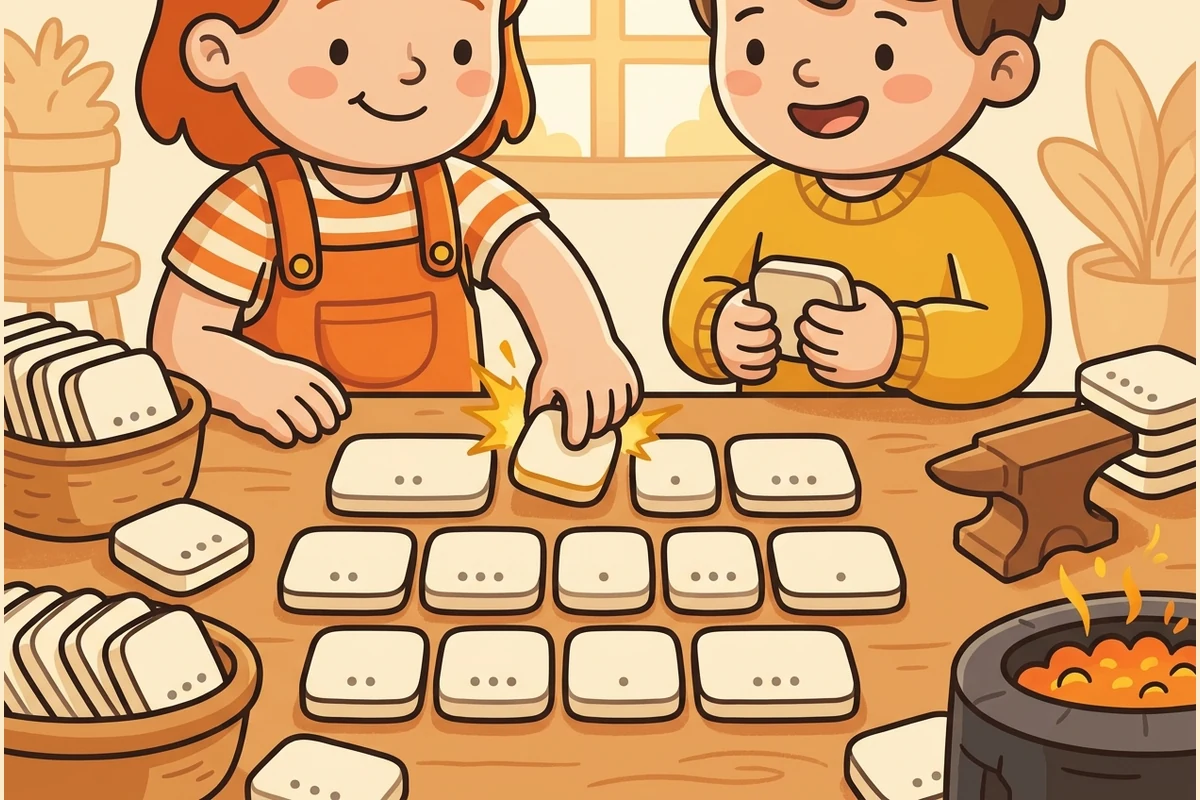 Word Tile Studio Build a poem from a word bank — every tile shows its syllables, so the rhythm is in your hands.
 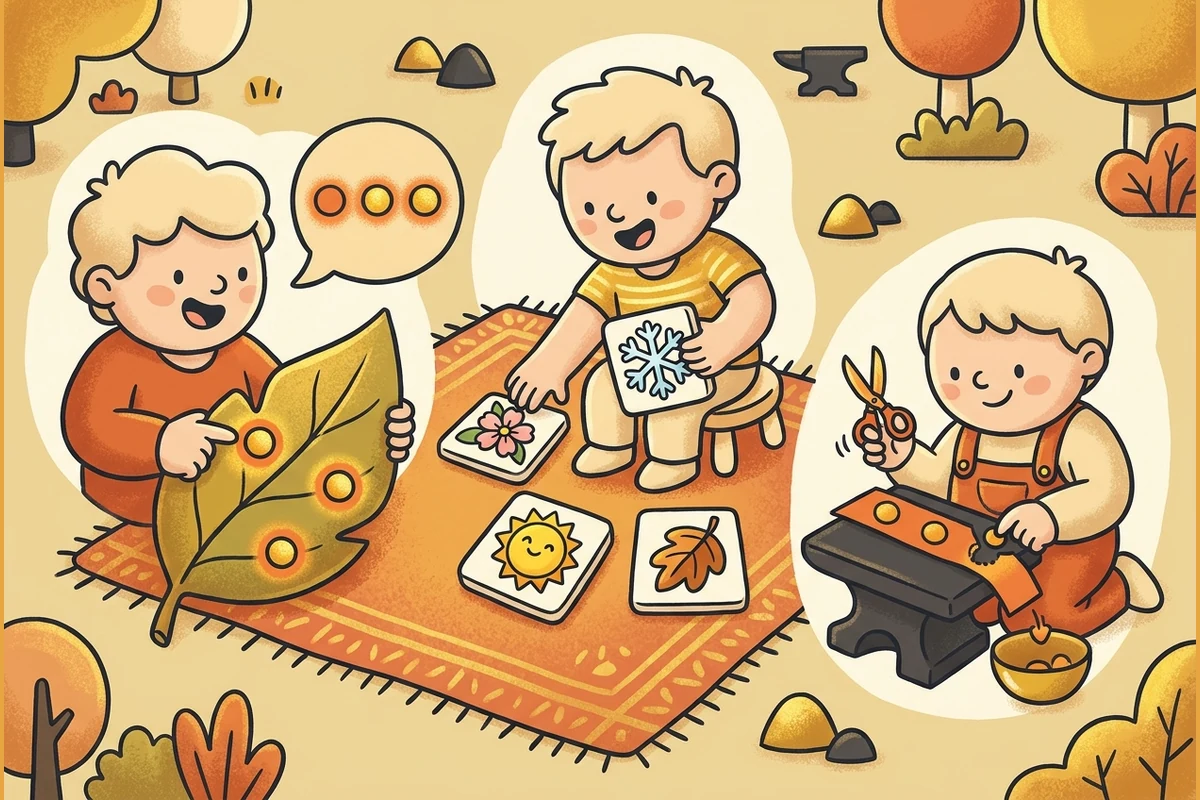 Craft Drills Quick rounds that teach one skill each — counting syllables, matching forms, season-words, and trimming.
 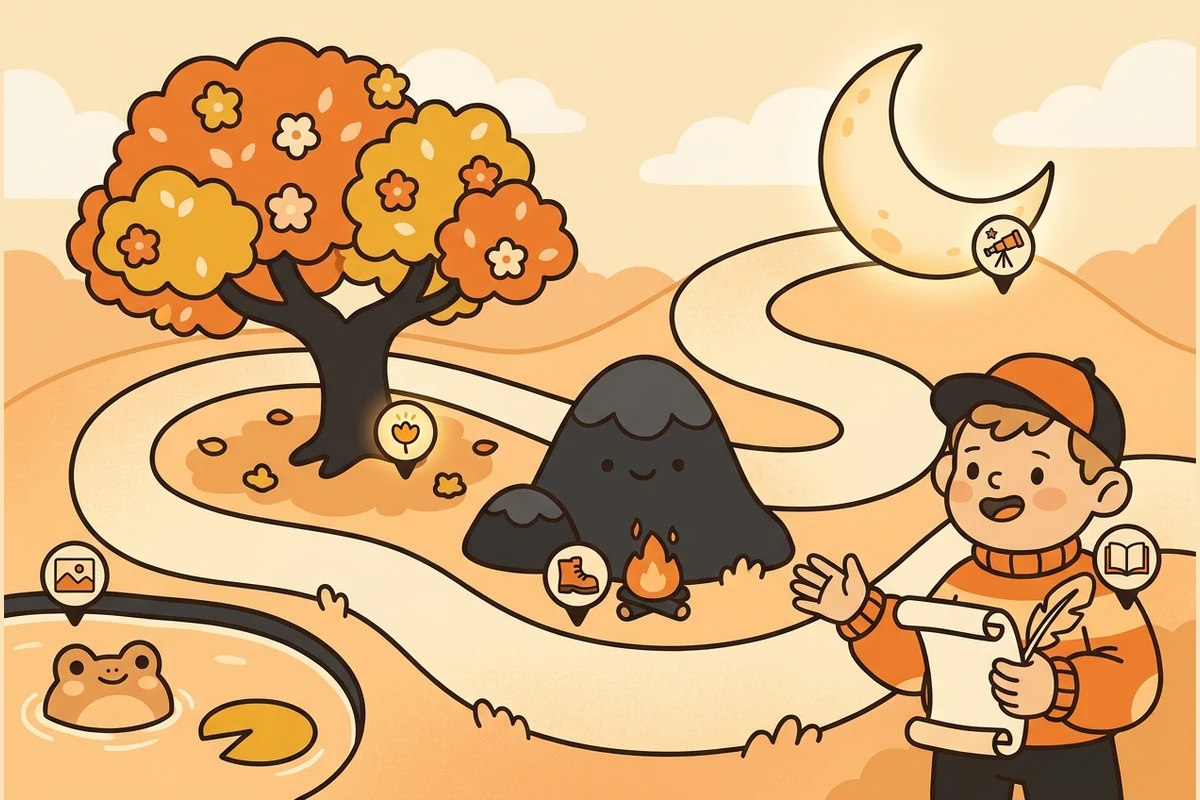 Adventure Map A path through all 16 concept kits — clear each stop, then move on.
 All activities
Create poems
Write a Haiku 3 lines · 5 / 7 / 5 — with a live syllable meter. Write a Tanka 5 lines · 5 / 7 / 5 / 7 / 7. Write a Cinquain 5 lines · 2 / 4 / 6 / 8 / 2. Write a Limerick 5 lines · AABBA · bouncy. More forms Acrostic, diamante and shape poems. Today’s prompt One gentle noticing-prompt a day to spark a poem. Form Explorer Where each form came from, with examples you can picture. My Anthology Every poem you finish, saved on this device.
Learn the craft
Predict the Syllable Count Guess a line’s beats, then see the breakdown — predicting first sharpens the ear. Concept Kits 16 kits · 400 questions on the craft behind the poems — a hint whenever you get stuck. Mixed Practice A short round shuffling questions from the kits you have played — spaced out so it sticks. HaikuQuest Sprint A calm speed round on what you have mastered. Timer optional, no penalty for a miss. Trick Questions Brain-teasers with a twist — spot why the obvious answer is a trap. Teach the Cast Teach a craft idea to a cast member still learning it — teaching makes it stick. Progress Your levels, streak, and how each skill is coming along — saved on this device. Progress report For grown-ups — a private on-device snapshot mapped to the skill areas. Export a CSV or print.
Play together
Concept Kits — the craft behind the poems, kit by kit
1. Syllable Basics What a syllable is and how to count them · gr4-5 2. Tricky Syllables Counting beats in trickier words · gr4-5 3. What Is a Haiku The shape and spirit of a haiku · gr4-5 4. Imagery & the Senses Painting pictures with sensory words · gr4-6 5. Kigo: Season Words The season word at the heart of haiku · gr5-6 6. Kireji: The Cut The pause and turn that gives a haiku its power · gr5-6 7. Writing Your Haiku Putting form, image, season, and cut together · gr5-7 8. Tanka Haiku's five-line cousin with room to feel · gr6-7 9. Cinquain The five-line American syllable form · gr5-6 10. Limerick The bouncy, funny, rhyming five-line form · gr5-7 11. Figurative Language Metaphor, simile, and personification in few words · gr6-7 12. Word Choice & Concision Making every word earn its place · gr6-8 13. Sound Devices Alliteration, assonance, and the music of words · gr6-8 14. Cultural Context & History Where haiku come from, and writing with respect · gr6-8 15. Revising Short Poems Turning a rough draft into a finished poem · gr7-8 16. Capstone: The Poet's Craft Bringing every skill together · gr7-8
More ways to play
😄 Brain break

Meet the cast — the characters who teach this
-
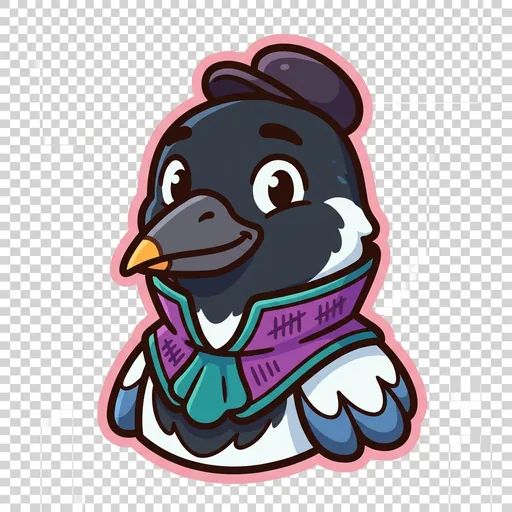 Count Syllable count / count-discipline — magpie-tween whose beak-tap enacts the rhythmic underpinning of every counted form
 -
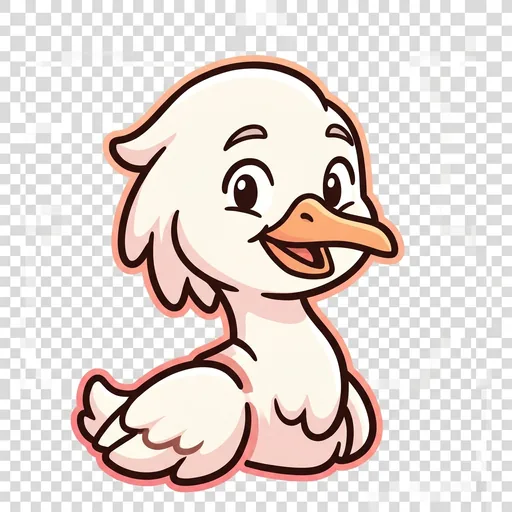 Pause Kireji / cut / productive break — snowy-egret-tween whose perpetually-mid-step body IS the kireji in physical form
 -
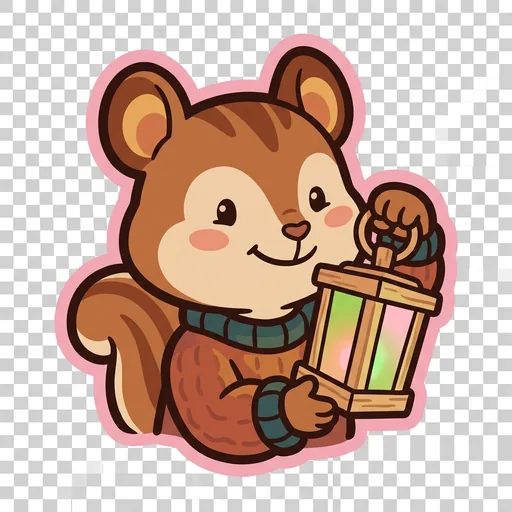 Lantern Season-word / anchoring image — chipmunk-tween whose wooden lantern visibly shifts color with the season
 -
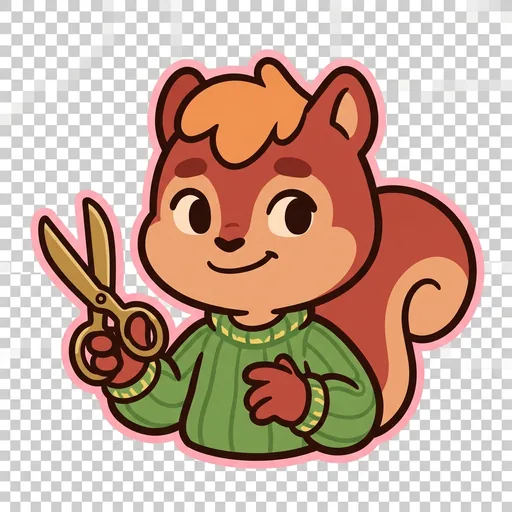 Trim Brevity / saying-less — red-squirrel-tween with brass scissors who snips redundant words to find the smaller-stronger version
 -
 Flint Juxtaposition — flinty badger-creature who strikes two smooth stones to make a spark; two images set side by side make a third meaning leap up in the gap
 -
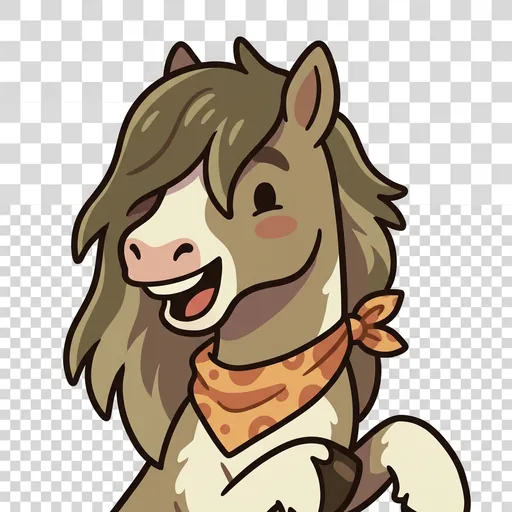 Gallop Meter / the stressed beat — long-legged pony-creature whose hooves fall da-da-DUM; not how MANY beats (that's Count) but which ones to stomp (esp. the limerick)
 -
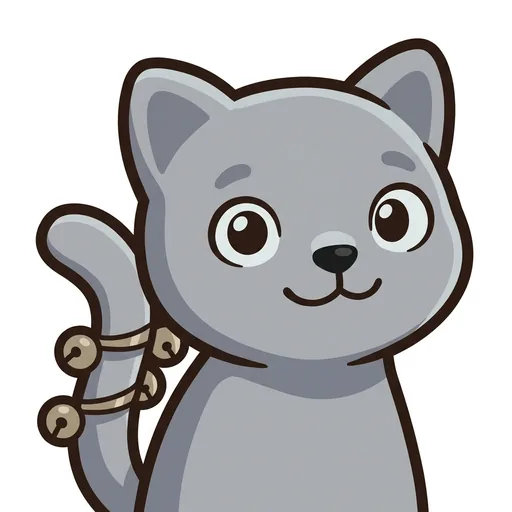 Bell Rhyme — silver creature with tuned tail-bells that chime the same note when end-sounds match; a forced rhyme jammed in just to chime is worse than none
 -
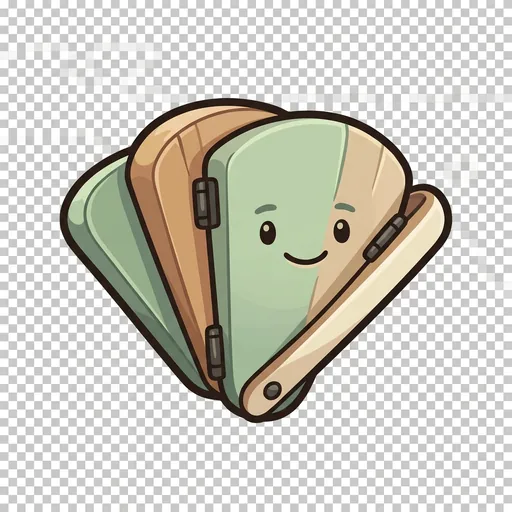 Hinge The line break — folding-door creature who holds a small pause at the end of each line; the end of a line is a little stage, so end on a word that earns it
 -
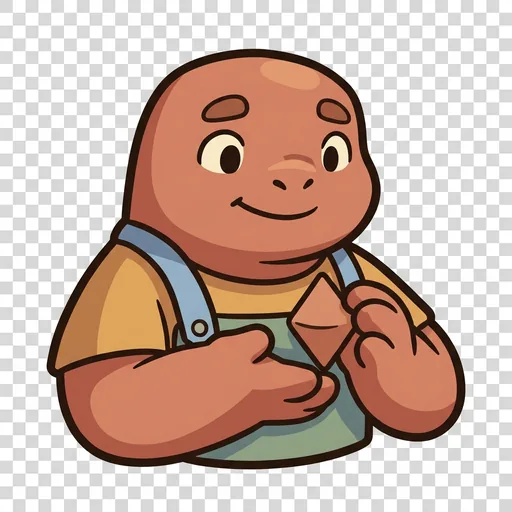 Mold Shape on the page — clay-colored creature who builds a poem's silhouette (a cinquain's 2-4-6-8-2 diamond); shape is meaning you can see from across the room
 -
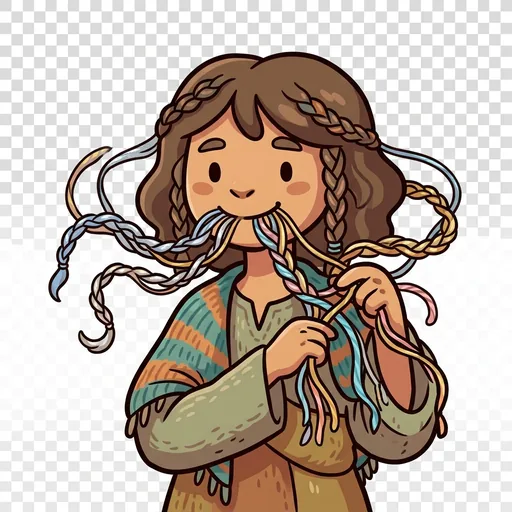 Braid Sound texture — nimble creature who weaves repeated sounds through a line (alliteration + assonance); enough echo makes music, too much makes a tongue-twister knot
Ensemble stories — the cast together