Before you start
Most popular
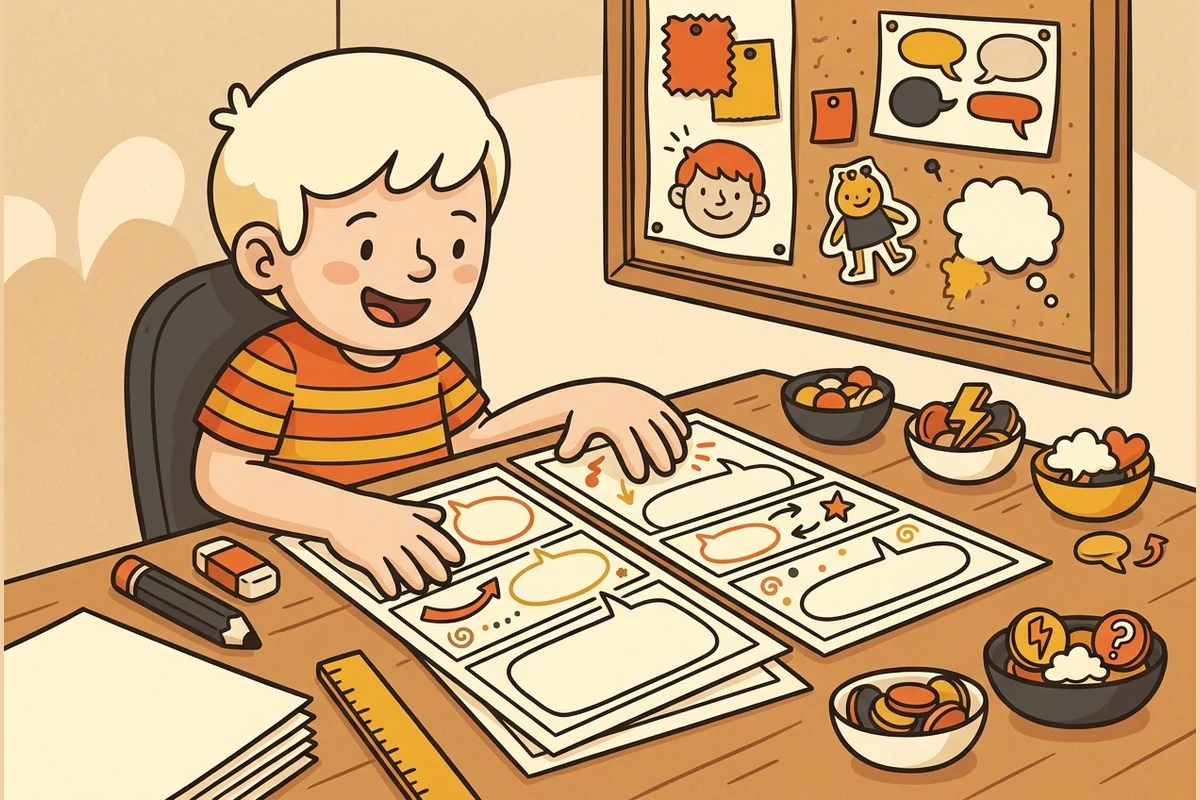
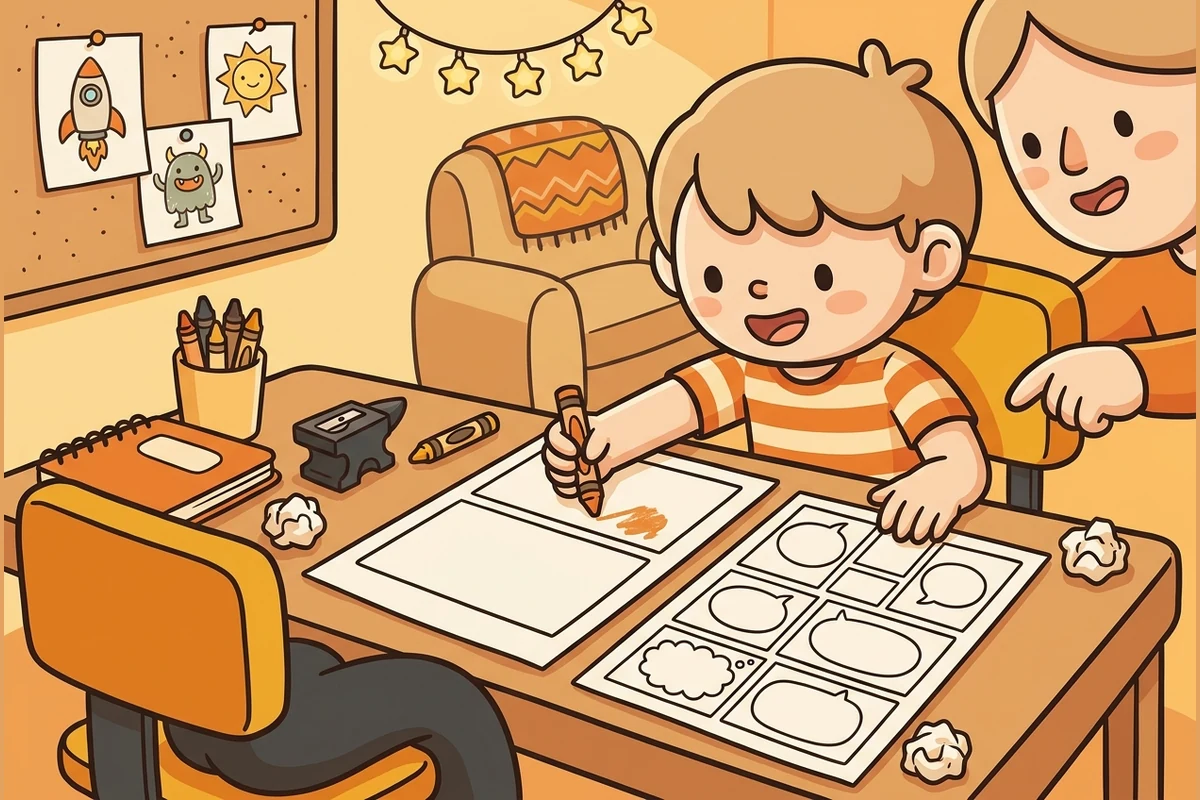 Panel Studio Lay out a manga page and give each panel its best shot — establishing, close-up, action, or reaction.
 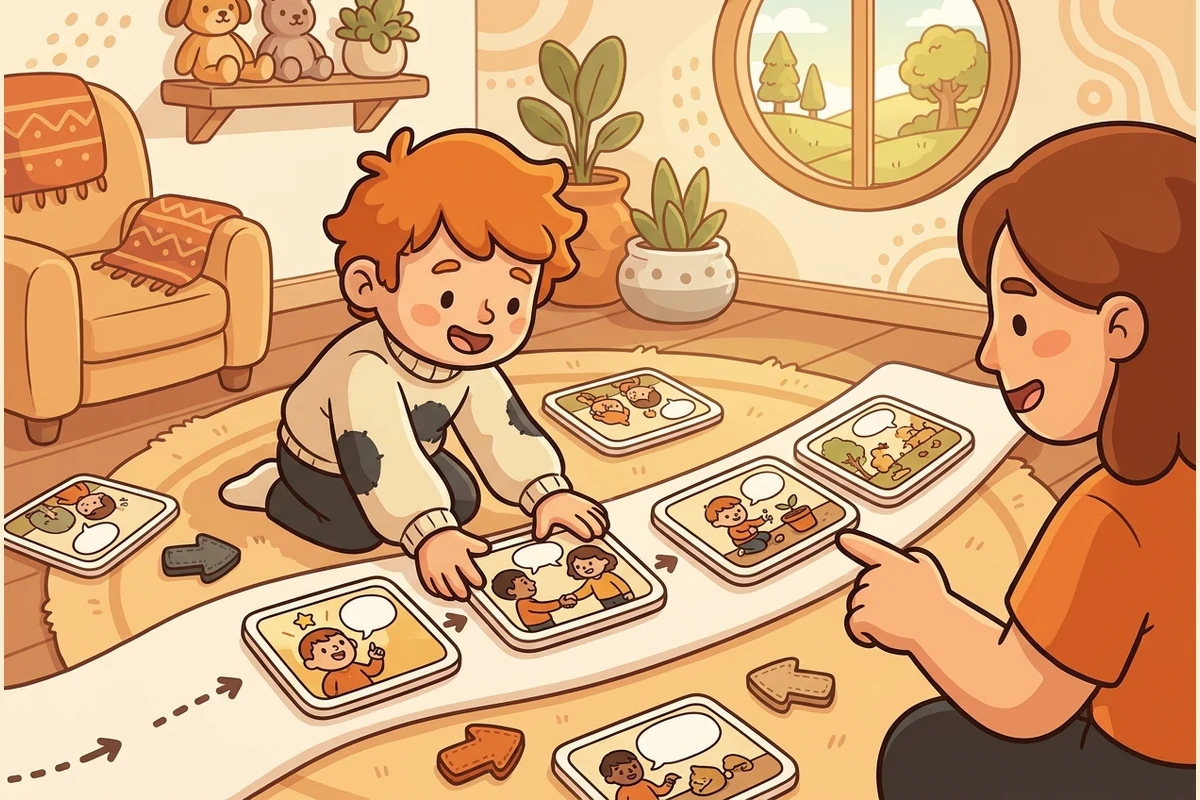 Sequence the Beats Put four scrambled panels in the order that reads as one story — then see the four-act manga shape.
 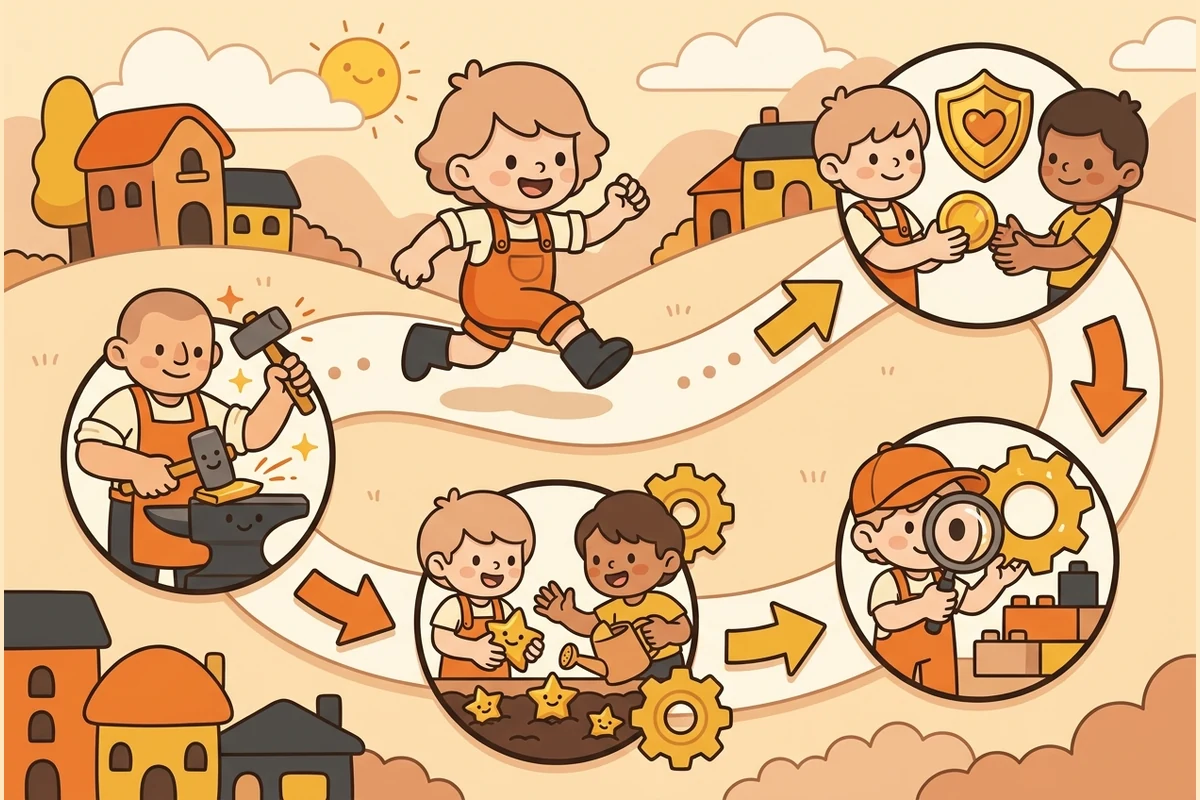 Manga Quest A progression path through all 16 kits — clear each stop, then move on.
  Panel Duel 2–4 players take turns on one device — highest first-try score wins.
 All activities
Make & compose
Learn & practice
Mixed practice A short round that shuffles the kits you have played, resurfaced when they are ready to review. MangaForge Sprint Race your OWN best on what you already know. Timer optional, no penalty for a miss. Trick Questions Brain-teasers with a twist — spot why the obvious panel or beat is a trap. Progress Your levels, streak, and how each skill area is coming along — saved on this device.
Play together
Concept Kits — 16 kits of drawing, composition & story
Kit 1: Character Proportions and Head Construction grades 4-5 · 25 questions Kit 2: Facial Expressions and Emotion grades 4-5 · 25 questions Kit 3: Body Anatomy and Dynamic Poses grades 5-6 · 25 questions Kit 4: Panel Layout and Reading Flow grades 5-6 · 25 questions Kit 5: Screen Tones and Halftone Patterns grades 6-7 · 25 questions Kit 6: Speed Lines and Motion Effects grades 6-7 · 25 questions Kit 7: Dialogue, Speech Bubbles, and Sound Effects grades 7-8 · 25 questions Kit 8: Complete Story Arcs and Multi-Page Narratives grades 7-8 · 25 questions Kit 9: Lighting And Shadow Techniques grades 4-5 · 25 questions Kit 10: Costume And Clothing Design grades 7-8 · 25 questions Kit 11: Environment And Background Drawing grades 4-5 · 25 questions Kit 12: Color In Manga And Chibi Design grades 6-7 · 25 questions Kit 13: Cross Topic Connections grades 5-6 · 25 questions Kit 14: Real World Manga Publishing grades 6-7 · 25 questions Kit 15: Misconceptions And Reasoning grades 5-6 · 25 questions Kit 16: Advanced Synthesis grades 6-7 · 25 questions
For grown-ups — progress report →
More ways to play
😄 Brain break
Meet the cast — the characters who teach this
-
 Panel The panel — the rectangular frame that contains a single moment of story (the atomic unit of sequential art)
 -
 Bubble The speech bubble — the shape-encoded container for dialogue + thought + sound (its outline encodes voice register: thought-cloud / shout-burst / whisper-dotted-line / radio-jag...
 -
 Sweep Speed lines / motion lines — the directional line-bursts that convey speed, impact, and energy direction
 -
 Tone Screentones — the halftone dot/line patterns laid over an area to convey shadow, mood, and emotional register (the manga-specific shading vocabulary)
 -
 Splash The splash page — the full-page or near-full-page impact image that marks a story climax (the moment the page breaks its grid to give one image all the space)
 -
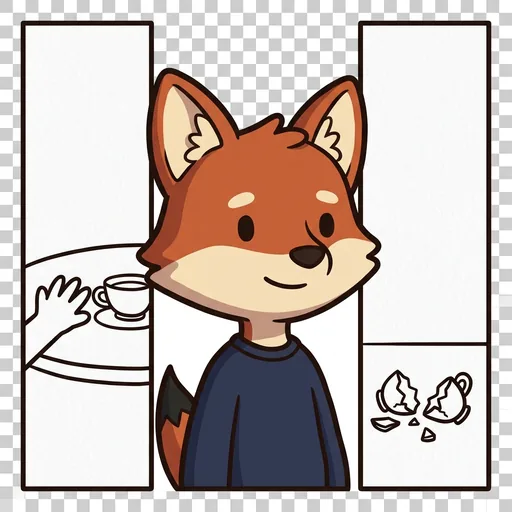 Lapse The gutter — the empty space between two panels where your own mind fills in what happened; closure, the invisible half of comics
 -
 Segue The transition — how one panel flows into the next, guiding your eye and your sense of time from moment to moment
 -
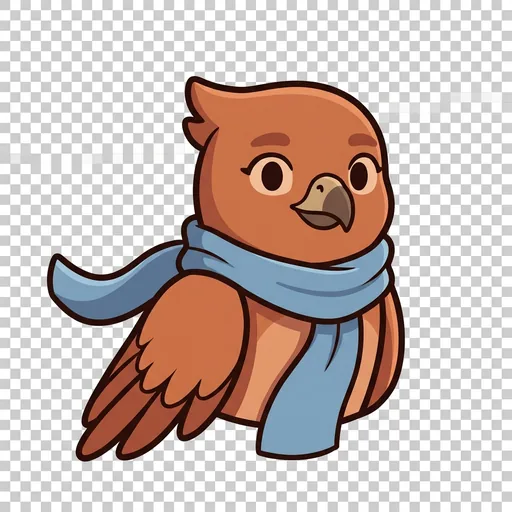 Vista The establishing shot — the wide opening panel that shows you where you are before the story zooms in close
 -
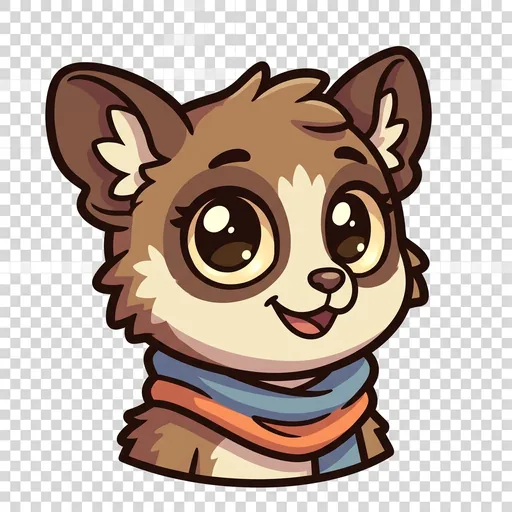 Jolt The reaction beat — the panel that catches a character reacting, so a surprise or a feeling truly lands
 -
 Boom The sound-effect lettering — onomatopoeia drawn right into the art, so you can see a sound as much as hear it
 -
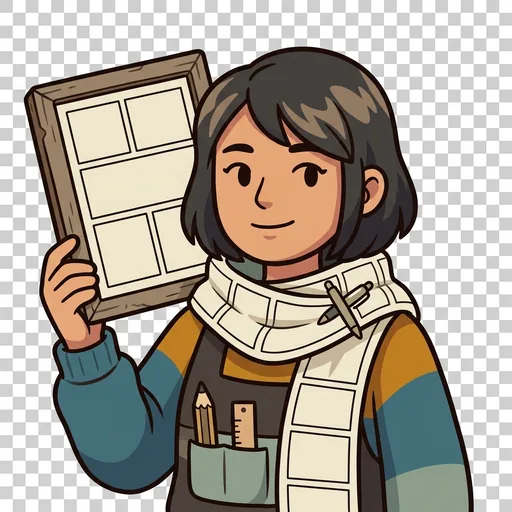 The Layout The whole page coming together — how the establishing shot, panels, transitions, gutters, and sound-effect lettering arrange to guide one reader eye through one moment of story
Ensemble stories — the cast together