Start here
 The Strategy Lab Read a real game, predict what rational players do, then see the worked-out reasoning.
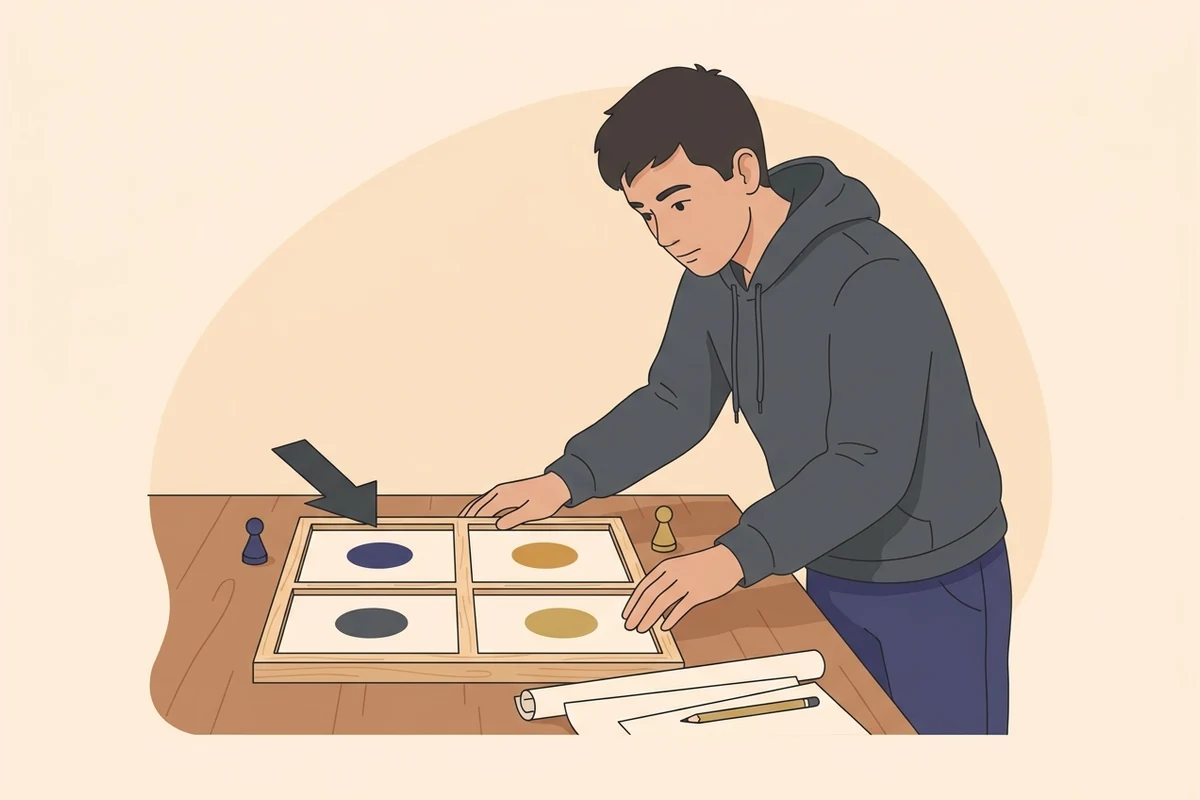
  Stable, or Best? Tell a stable outcome apart from the one that’s actually best for everyone.
  Teach the Cast Teach a strategy move to a peer still learning it — teaching makes it stick.
 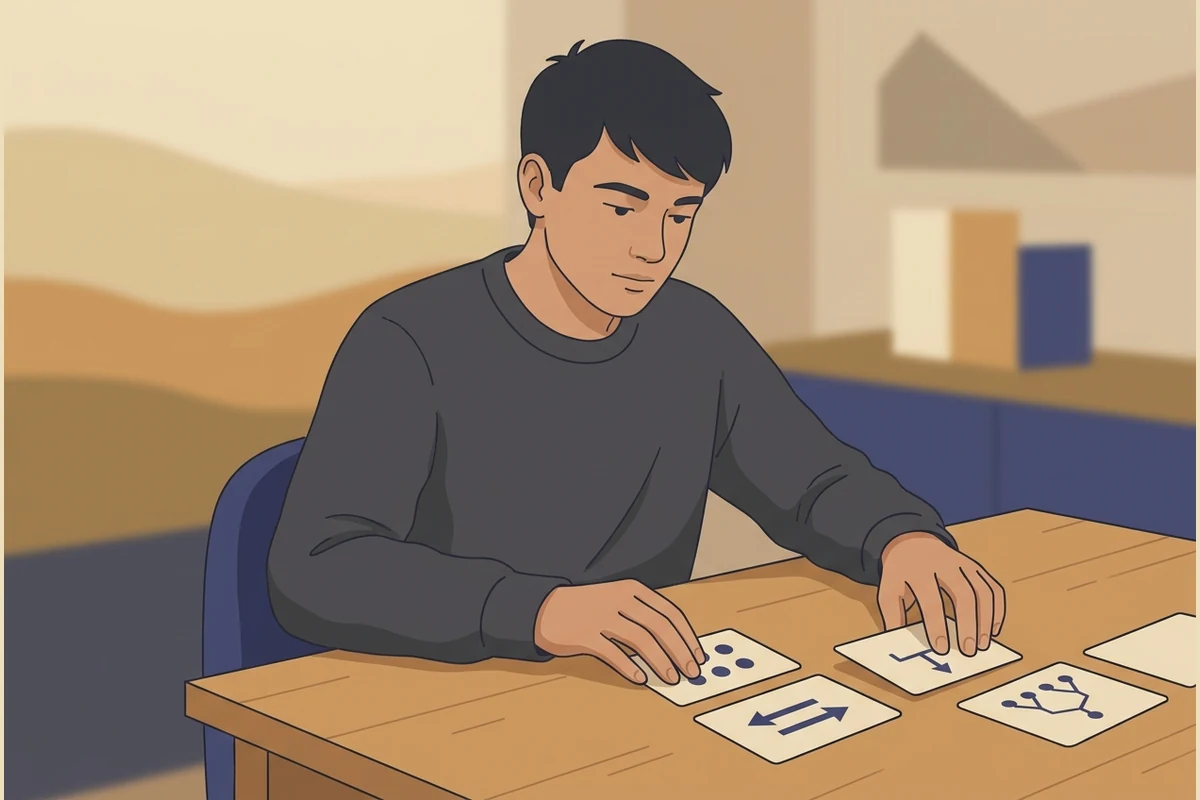 Concept Practice 16 kits from “what is a game?” to mixed strategies, backward induction, mechanism design.
 All activities
Play & predict
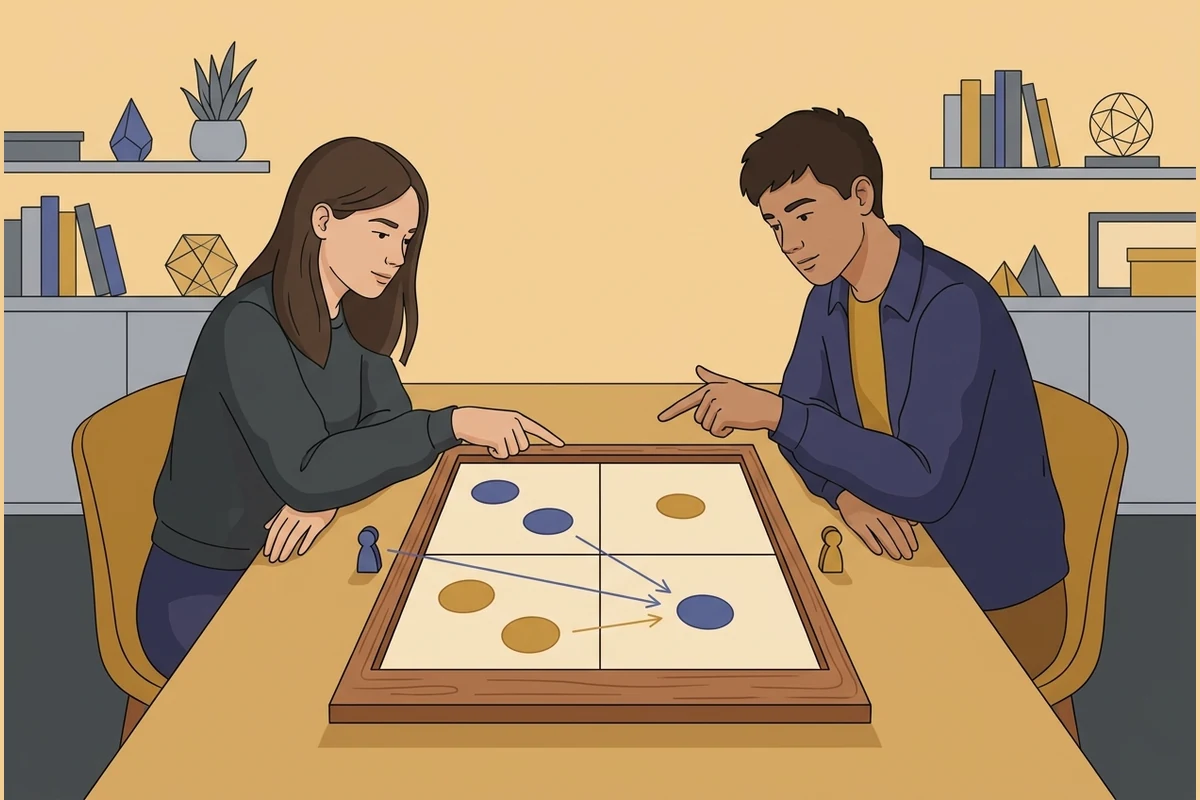
The Strategy Lab A prisoner’s dilemma, a price war, a stag hunt, matching pennies — predict, then see the exact answer from a pure engine. Stable, or Best? A stable outcome isn’t always best for everyone — predict whether both players could still do better, then see the difference. The Long Game When the same players meet again and again, does cooperation win? Predict Axelrod’s iterated tournaments, then watch tit-for-tat, grim trigger and the rest play out move by move. Tournament Builder Run your OWN long game — pick the field of strategies, set the rounds each pair plays (the shadow of the future), then run a round-robin and read the standings. Peek at any match move by move. Build a Winning Coalition Assemble a coalition in a weighted vote, predict whether it passes — then discover who really holds the power. A small party can be a kingmaker; a big one can be powerless. The Auction House A second-price sealed auction where honesty wins: read the room, predict which bid leaves you with no regret, then see why bidding your true value is a dominant strategy — the design behind real ad and spectrum auctions.
Practice & teach
Concept Practice Sixteen short kits across AP Microeconomics game theory, with hints when you want them. Teach the Cast A near-peer strategist is still learning a move — teach it to them and catch their misconception. Mixed Practice A short round across the kits you’ve played, brought back to review (spaced so it sticks). Progress Your levels and how each strand is coming along — saved only on this device.
Concept Kits — 16 kits of game theory
Kit 1: What Is a Game? Game theory foundations — players, strategies, payoffs · 25 questions Kit 2: Dominant Strategies Strictly and weakly dominant and dominated strategies · 25 questions Kit 3: The Prisoner's Dilemma The PD; individual vs collective outcome · 25 questions Kit 4: Nash Equilibrium Best response; the stable point · 25 questions Kit 5: Pure vs Mixed Strategies Mixed strategies; randomize to be unexploitable · 25 questions Kit 6: Zero-Sum vs Non-Zero-Sum Fixed vs growing pie · 25 questions Kit 7: Coordination & Focal Points Coordination games; focal points · 25 questions Kit 8: Repeated Games & Reputation Repeated games; tit-for-tat; reputation · 25 questions Kit 9: Game Trees Extensive form; sequential moves · 25 questions Kit 10: Backward Induction Subgame-perfect; reason from the end · 25 questions Kit 11: Commitment & Credible Threats Credible threats & commitment · 25 questions Kit 12: Bargaining & Fairness Bargaining; ultimatum; fairness · 25 questions Kit 13: Auctions & Bidding Auction formats; bidding strategy · 25 questions Kit 14: Mechanism Design Designing rules so honesty pays; incentive compatibility · 25 questions Kit 15: Collective Action Common-pool / public-goods dilemmas · 25 questions Kit 16: Real-World Strategy Capstone Apply strategy to real cases (climate/pricing/misinformation) · 25 questions
Who you’ll meet
- Dahlia — plays the best move regardless of the opponent (a dominant strategy)
- Elena — finds the stable point neither side wants to leave (Nash equilibrium)
- Cai — chooses the mutual-best cooperative move
- Dex — takes the tempting individual defect — the prisoner’s dilemma
- Tao — mirrors your last move across rounds, building reputation (tit-for-tat)
- Remy — randomizes to stay unpredictable (a mixed strategy)
- Zara — reads whether the pie is fixed (zero-sum) or can grow
- Ines — reasons from the end of the game back to now (backward induction)
- Auggie — designs the rules so honesty is the best policy (mechanism design)
- Thalia — the mentor — sets a strategic goal, plays, and guides reflection