Sweep League
Every board can be solved by pure logic. How cleanly can you do it?
💣 Play the field →How the league measures you
- 3BV. The fewest clicks the board could possibly take — its real difficulty.
- Efficiency. 3BV ÷ your clicks. Wasted clicks lower it; smart chording can push it past 1.
- 3BV per second. Speed that’s fair across boards — shown only after you finish, never a clock ticking at you.
- 🔍 Probability Lens. The exact chance each hidden square is a mine, counted from every arrangement the numbers allow.
Why is Minesweeper famous in computer science?
In 2000 the mathematician Richard Kaye proved that deciding whether a Minesweeper position is consistent — whether any arrangement of mines fits all the numbers — is NP-complete. That puts it in the same family as some of the hardest puzzles computers know: nobody has found a fast method that works for every possible board, and finding one would answer a million-dollar open question (P vs NP).
Meet the cast — the characters who teach this
-
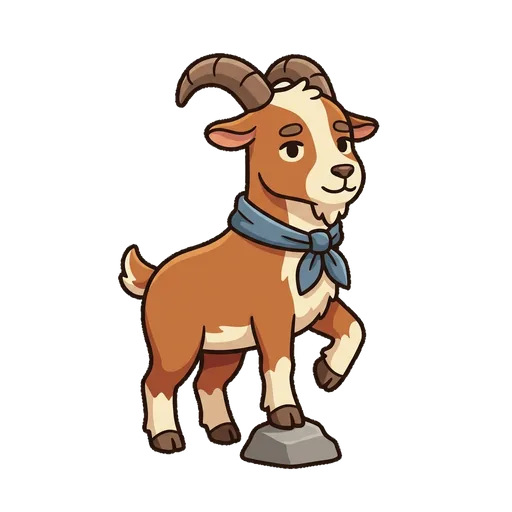 Surefoot (Mentor, a mountain goat) - only steps where she is SURE; asks which square the numbers prove
 -
 Bevvy A bee who knows the fewest clicks a board could take - its 3BV
 -
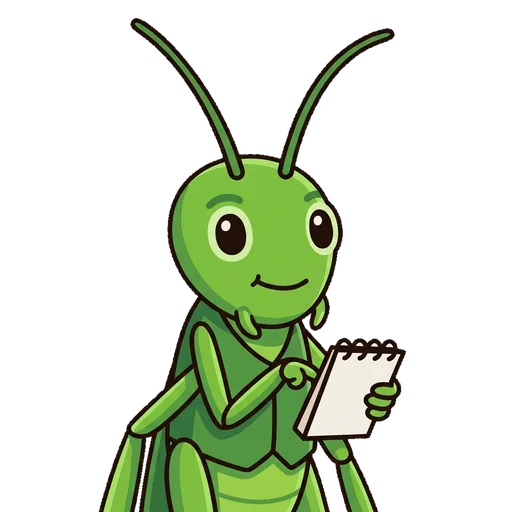 Clicksy A cricket who counts every wasted click - efficiency is 3BV divided by clicks
 -
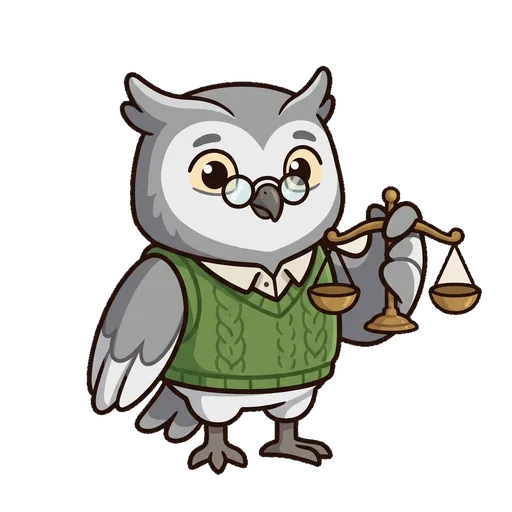 Oddsley An owl who weighs every arrangement the numbers allow - the exact odds of a mine
 -
 Chordy A crab who opens a whole ring of squares at once when a number's mines are all flagged
 -
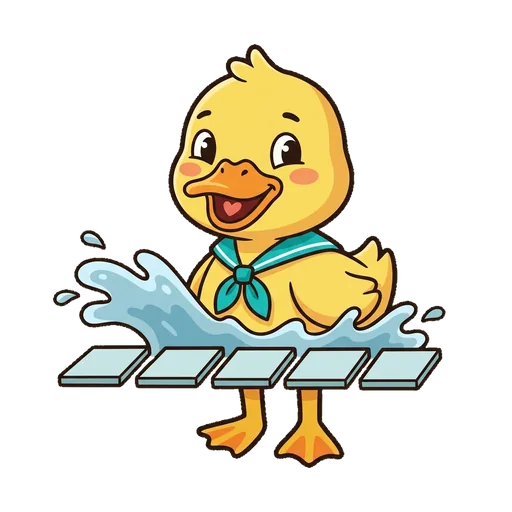 Floody A duck who knows a zero opens its whole empty region in one go
 -
 Knowsley A red panda who knows every board can be solved by knowing, never by guessing
 -
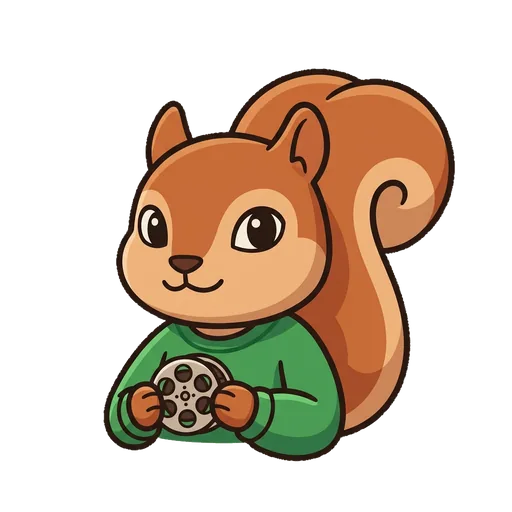 Rewinda A squirrel who checks a run by re-playing every move, never by trusting it
 -
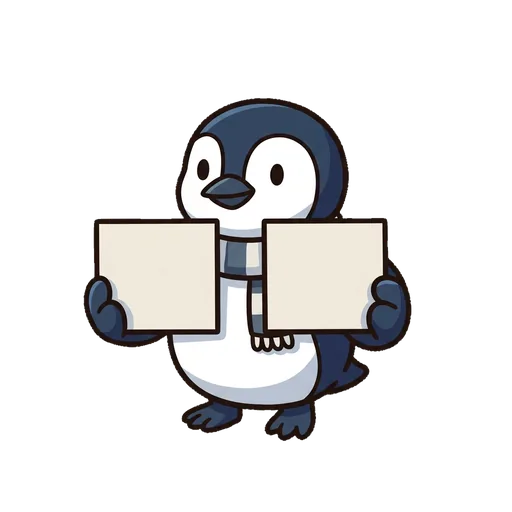 Samesby A penguin who knows a race code gives both racers exactly the same board
 -
 Sumsy A hamster who knows the total number of mines shapes the odds of every hidden square
 -
 Tickwell A hare who knows your speed is shown only AFTER you finish, never while you play
Ensemble stories — the cast together