Before you start
Most popular
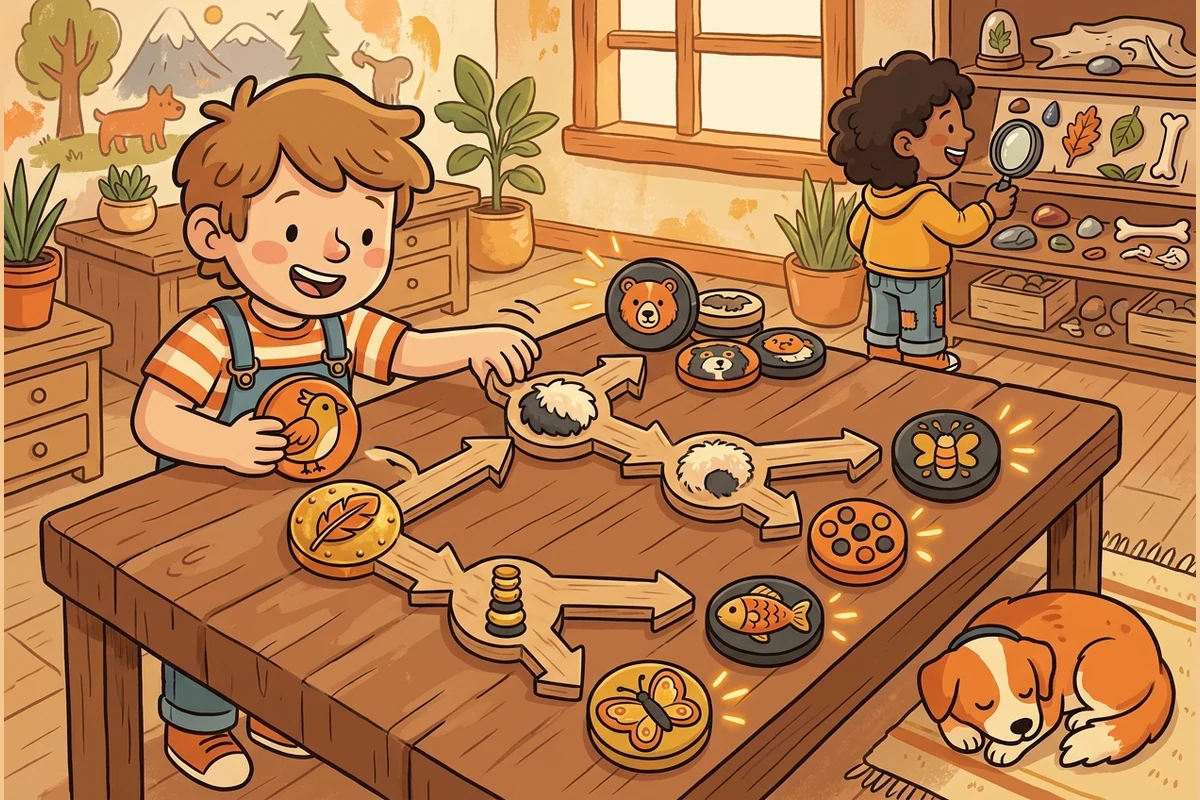 Observation Lab Read a field observation, then PREDICT which animal group it belongs to — work a dichotomous key: feathers? backbone? how many legs?
 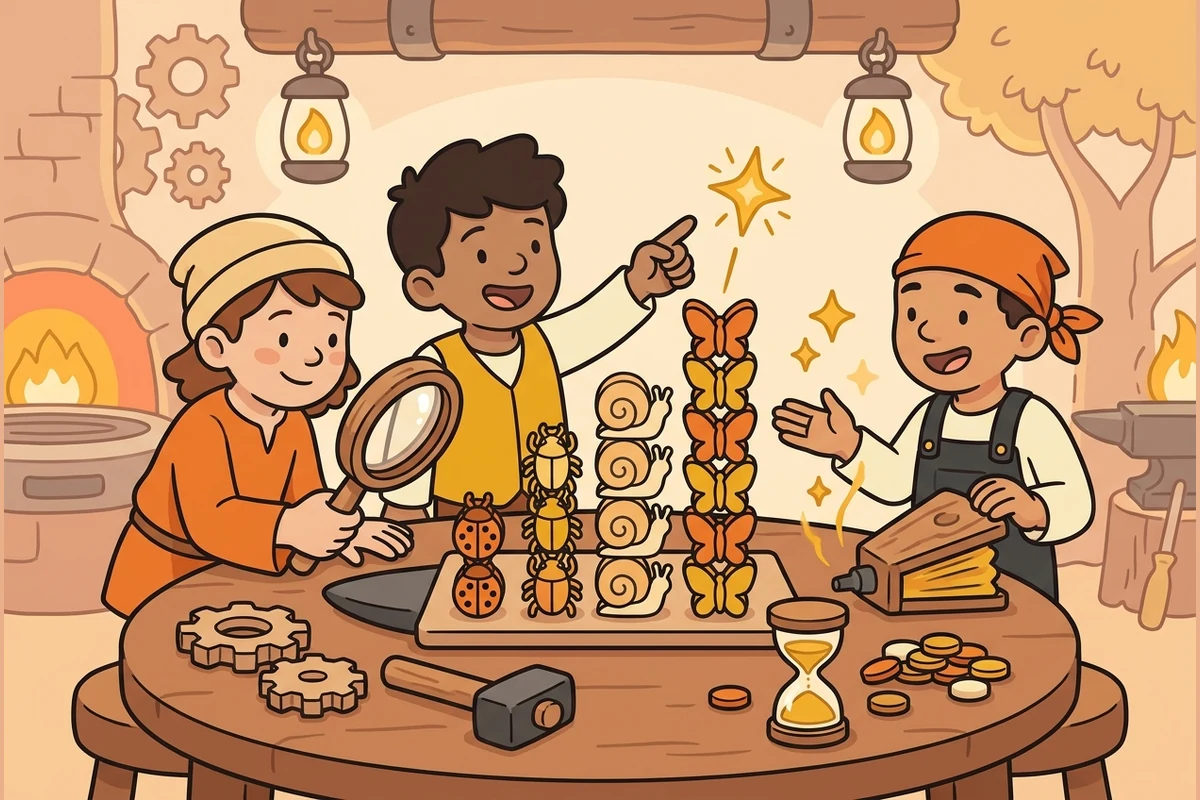 Data Lab Look at real citizen-science data — monarch counts, water temperature, dissolved oxygen — then predict the trend before you check.
 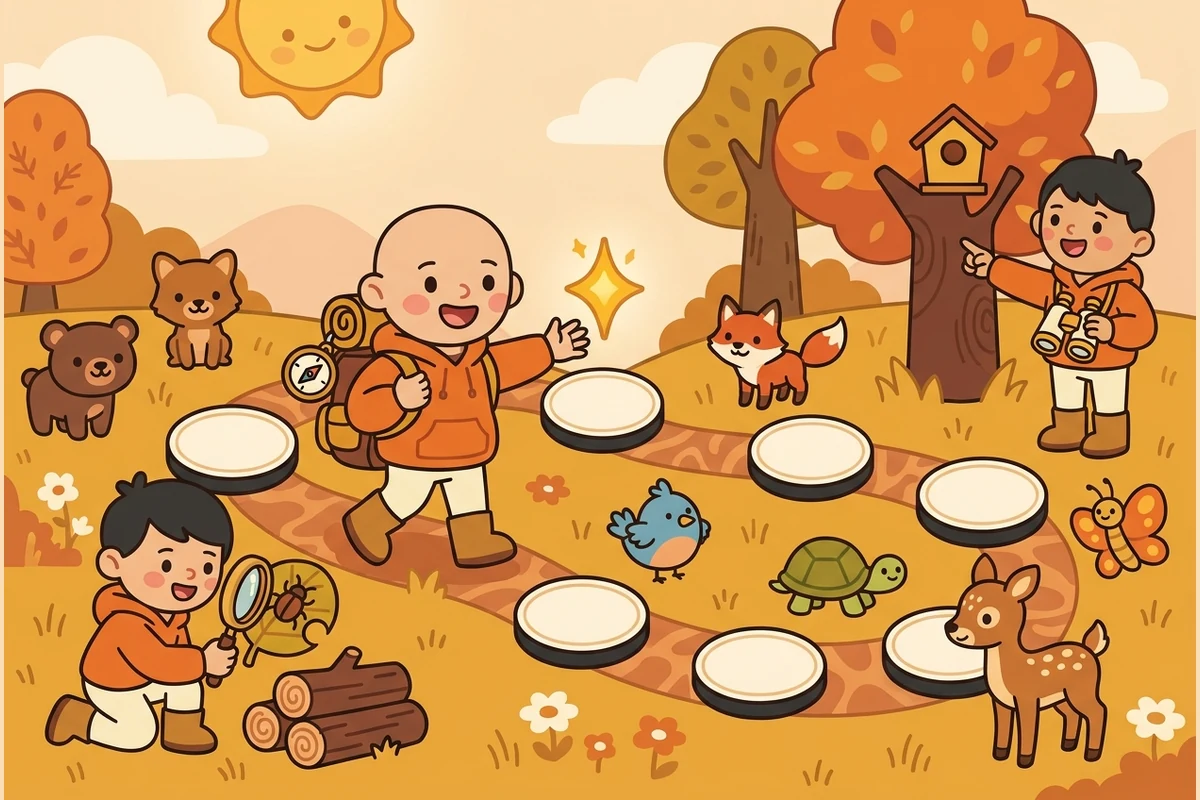 TerraWatch Journey A path through every kit — clear each stop of real practice, then move on.
 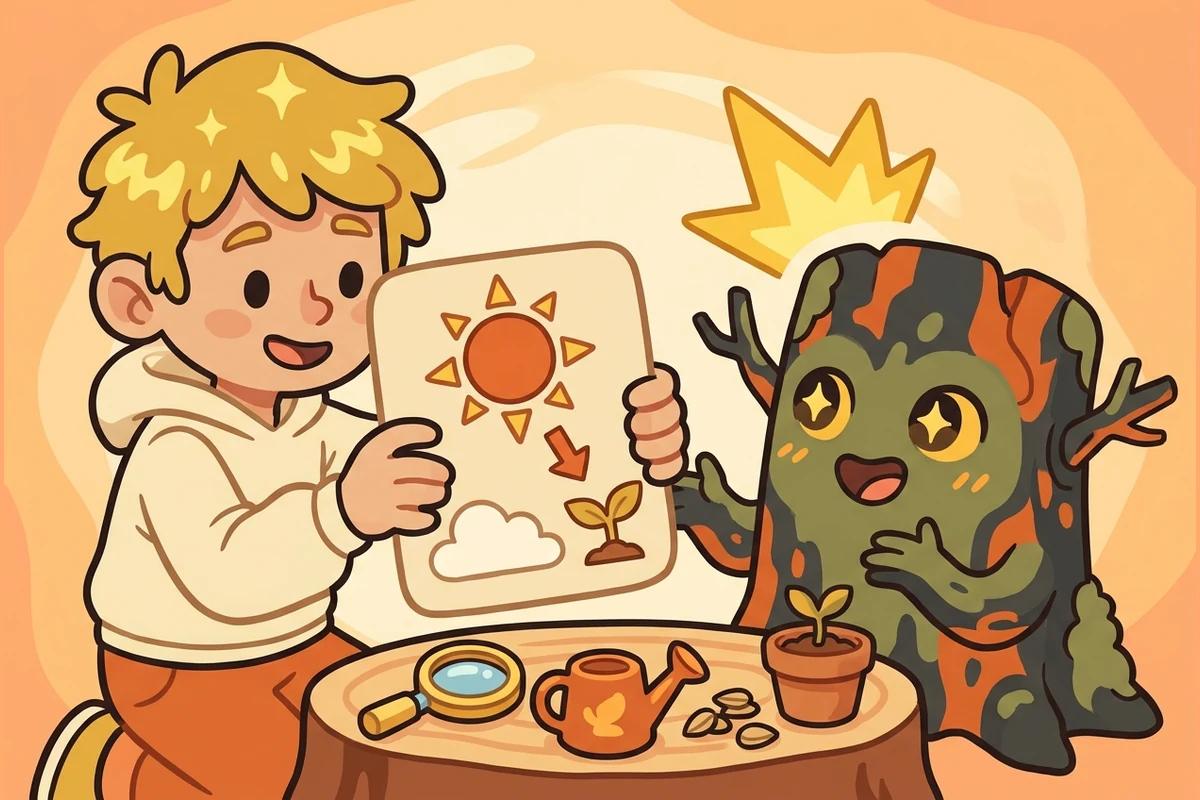 Teach the Cast Teach a science idea to a cast member still learning it — teaching makes it stick.
 All activities
Observe & investigate
Observation Lab Predict which group a specimen belongs to, then check — learn to work a dichotomous key like a real field scientist. Data Lab Predict the trend or how two measurements relate in real citizen-science data — reading the evidence is the heart of science. Teach the Cast Teach a science idea to a cast member still learning it — teaching makes it stick.
Practice & play
Mixed Practice A short round across the kits you have played — brought back to make it stick. TerraWatch Sprint A calm speed round on what you already know. Timer optional, no penalty for a miss. Trick Questions Brain-teasers with a twist — spot why the obvious answer is a trap. TerraWatch Duel 2–4 players take turns on one device — same questions, highest first-try score wins. Or open an online room. Progress Your levels, streak, and how each skill area is coming along — saved on this device. Progress report For grown-ups — a private on-device snapshot mapped to the skill areas. Export a CSV or print.
Concept Kits — citizen science, ecosystems, water quality & biodiversity
Kit 1: What Is Citizen Science? grades 4-5 · 25 questions · NGSS ESS3.C Kit 2: Observing Nature grades 4-5 · 25 questions · NGSS 3-LS4-3 Kit 3: Data Collection Methods grades 5-6 · 25 questions · NGSS SEP-3 Kit 4: Ecosystems & Habitats grades 5-6 · 25 questions · NGSS MS-LS2-1 Kit 5: Weather & Climate Monitoring grades 6-7 · 25 questions · NGSS MS-ESS2-5 Kit 6: Water Quality & Conservation grades 6-7 · 25 questions · NGSS MS-ESS3-3 Kit 7: Biodiversity & Species Identification grades 7-8 · 25 questions · NGSS MS-LS2-5 Kit 8: Research Design & Data Analysis grades 7-8 · 25 questions · NGSS MS-SEP-3 Kit 9: Bird Identification & Behavior grades 5-7 · 25 questions · MS-LS2 Kit 10: Water Quality & Aquatic Life grades 6-8 · 25 questions · MS-LS2 + MS-ESS3 Kit 11: Weather Observation & Patterns grades 6-8 · 25 questions · MS-ESS3 Kit 12: Citizen Science & Field Methods grades 6-8 · 25 questions · MS-LS2 + MS-ESS3 Kit 13: Cross-Topic Connections grades 5-6 · 25 questions Kit 14: Real-World Applications grades 6-7 · 25 questions Kit 15: Misconceptions & Reasoning grades 6-7 · 25 questions Kit 16: Advanced Synthesis grades 7-8 · 25 questions
More ways to play
Meet the cast — the characters who teach this
-
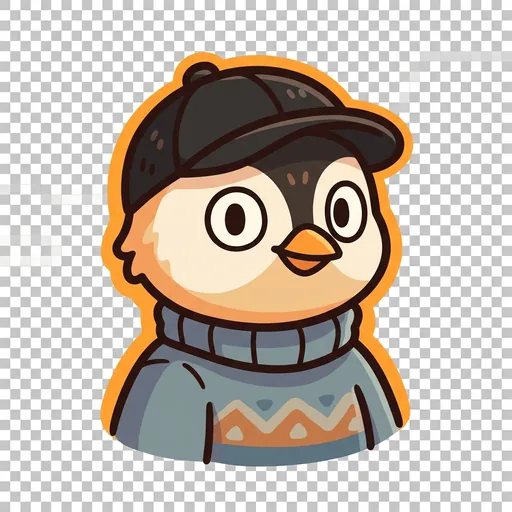 Spot Observation + noticing — the chickadee-tween perched on a branch who teaches slow-noticing as the first scientific skill ('look once, then look again, slower; the second look usually finds more')
 -
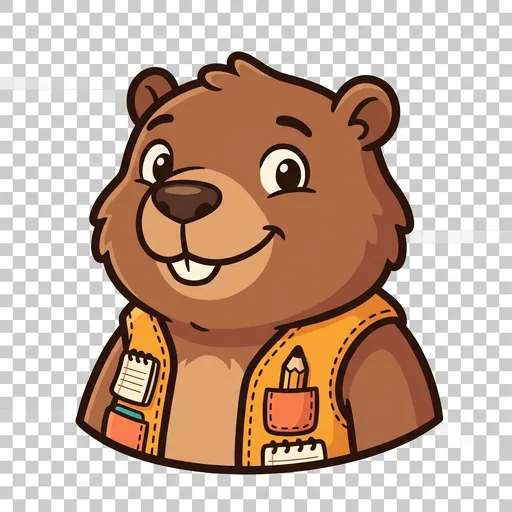 Note Structured recording — the beaver-tween in notebook-pocket vest who teaches fact-vs-inference discipline ('write what you saw; then write what you think it means; don't mix them')
 -
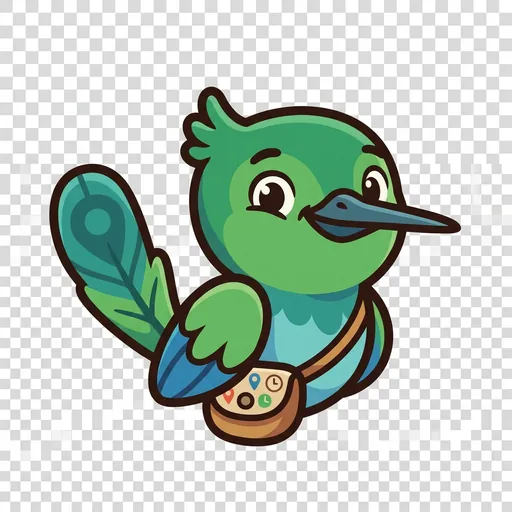 Pin Geolocation + spatial-data discipline — the hummingbird-tween with pin-tail-feather who teaches that location-stamps + time-stamps make observations useful to other scientists ('where matters; when matters; the same plant in two places is two stories')
 -
 Census Biodiversity counting + sampling — the raccoon-tween with tally-pattern vest who treats unglamorous repeated counting as the actual magic of science ('one bird seen is a moment; ten birds seen over ten days is a pattern; counting is the magic')
 -
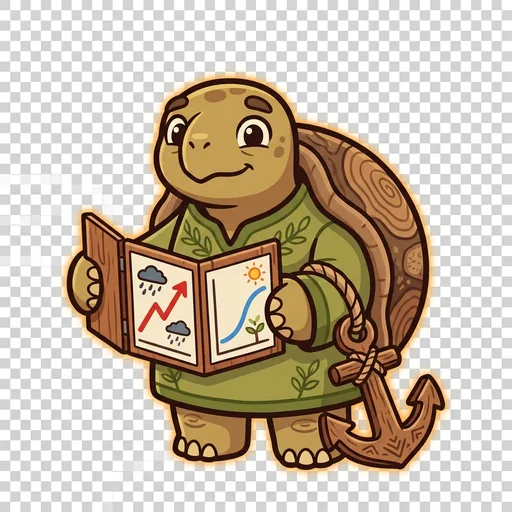 Trend Change-over-time + agency-positive climate framing — the tortoise-elder with tree-ring shell and folding-graph showing both worrying AND hopeful trends; carries the eco-anxiety-gate anchor ('today is one dot; many dots make a line; lines can bend; your dot helps the line')