
Bite the Air-Gripper
BITE — a wing grips the air at an angle (the angle of attack); tilt it steeper and the grip strengthens, until past one exact critical angle the grip lets go all at once — the stall. The Advanced idea is that the stall is about ANGLE, not speed; a wing can stall at any speed if the angle gets too steep.
A story read by Bite the Air-Gripper
Loading audio…
Press play to listen along. The line being read lights up as you go.
Show full transcript
Loading transcript…
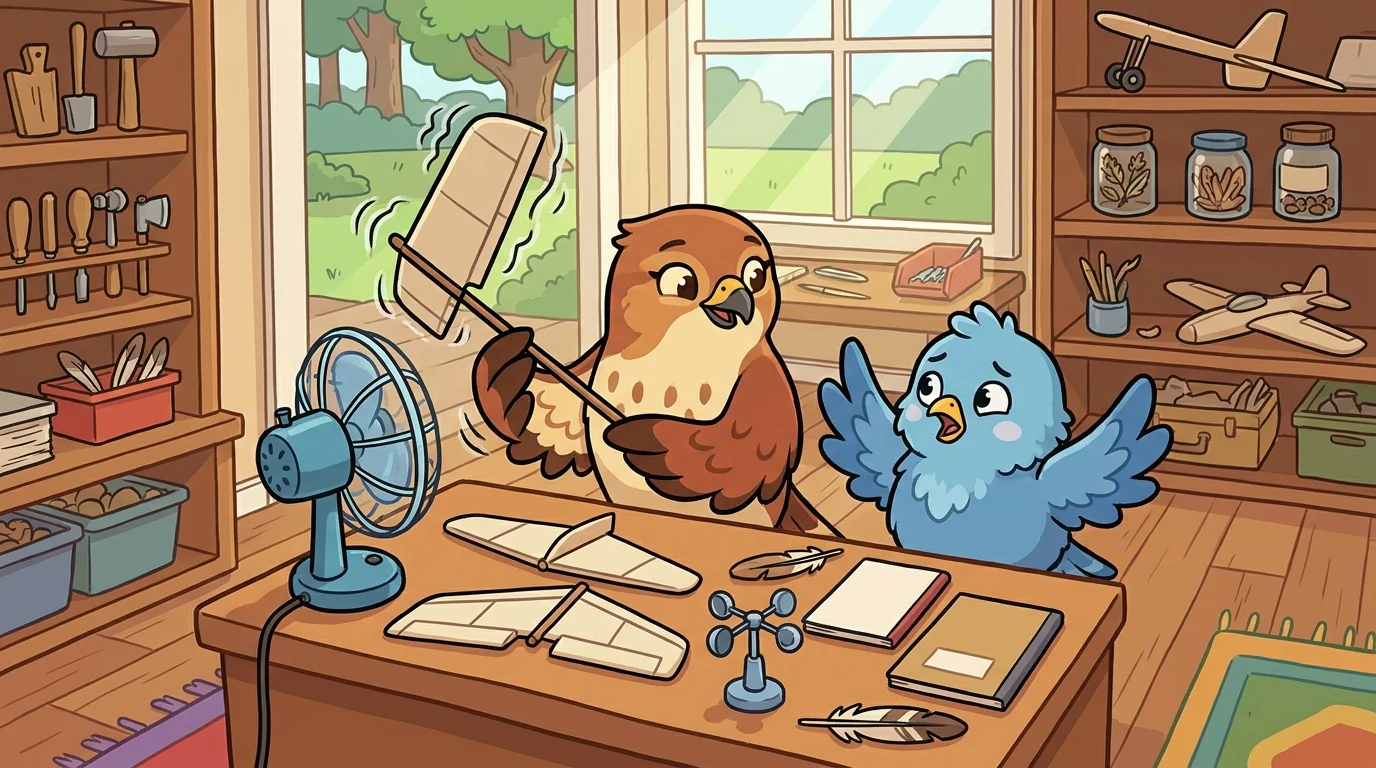
A small hawk named Bite held a model wing on a stick into the breeze of a little fan and slowly tilted it. At a shallow angle, the wing pulled gently upward. She tilted it steeper — the pull grew stronger. Steeper still — stronger yet. Then, at one more tiny tilt, the pull vanished completely, and the wing flopped, shuddering, useless.
"Feel that?" she said to the flyers holding their own wings in the fan-breeze. "The wing grips the air. The steeper you tilt it, the harder it grips — right up until one exact angle, where the grip lets go all at once. Not slowly. All at once. That letting-go is called the stall."
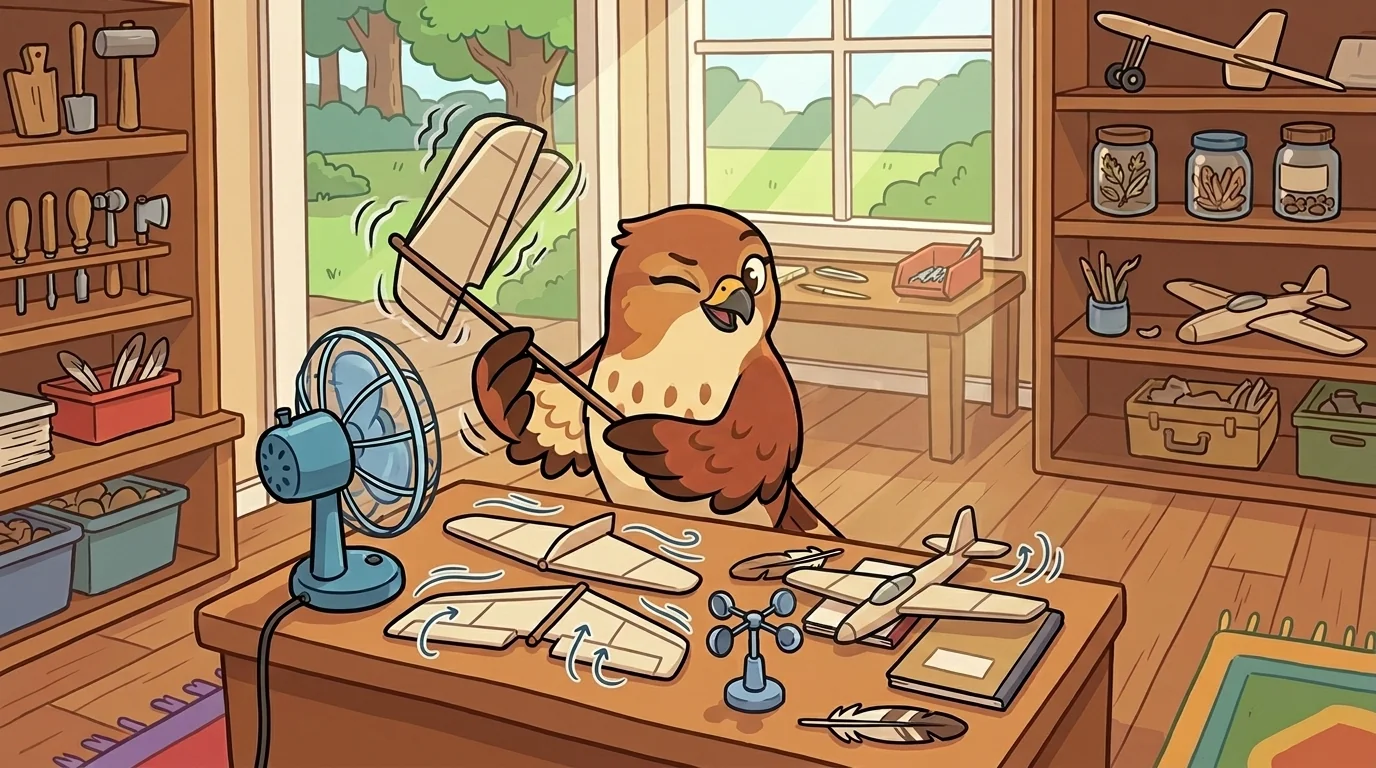
The angle the wing meets the air, she explained, has a name: the angle of attack. "Not the angle of the sky — the angle between the wing and the air actually flowing over it. A little angle, a little grip. More angle, more grip. The air bends smoothly over the top of the wing and pulls it up. That smooth bending is the lift."
Then the Advanced part, the part that surprises everyone. "There is one exact angle — the critical angle of attack — where the air can no longer bend around the top of the wing. Instead of flowing smooth, it breaks away into a churning mess, and the lift collapses. That is the stall. And here is what almost no one guesses: the stall is about the angle, not the speed. People think 'the plane stalled because it went too slow.' What really happened is the nose came up past the critical angle. A wing can stall going fast if you yank the angle too steep — and a wing can fly slow and happy if you keep the angle gentle."
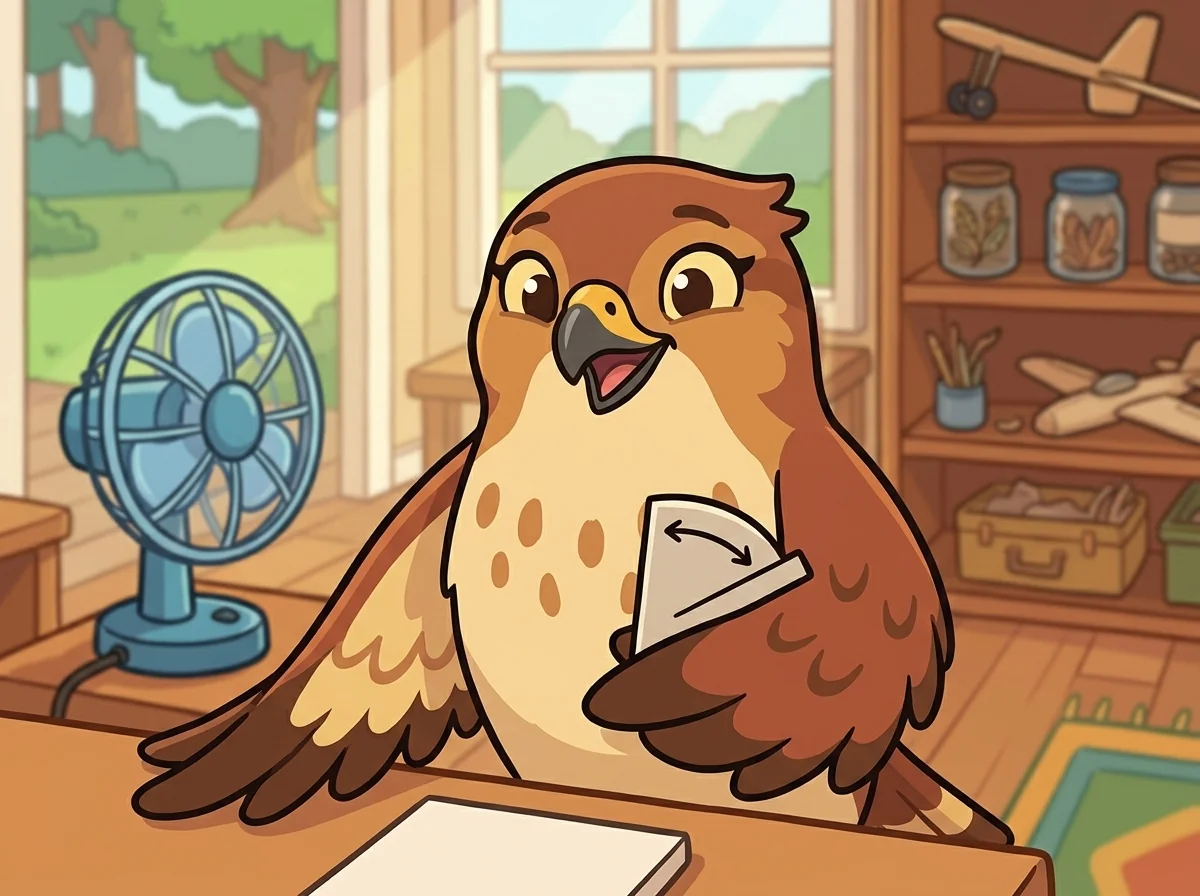
She showed it with two throws. "Watch. Slow plane, gentle angle" — a soft toss, gentle attitude — "flies fine, slow and calm. Now, fast plane, steep angle" — a hard throw with the nose yanked way up — and the plane, moving fast, shuddered and dropped exactly as the slow-tilt wing had. "Same stall. Faster plane. The wing did not care about the speed. It cared that the angle got past critical."
A flyer asked how you recover from a stall. "You give the grip back its angle," Bite said. "Ease the nose down — toward the fall, which feels wrong and is the one thing that works. Lower the angle of attack below critical, the smooth flow reattaches, the grip returns, and the wing flies again. Fighting a stall by pulling up only holds the angle too steep and keeps you stalled."
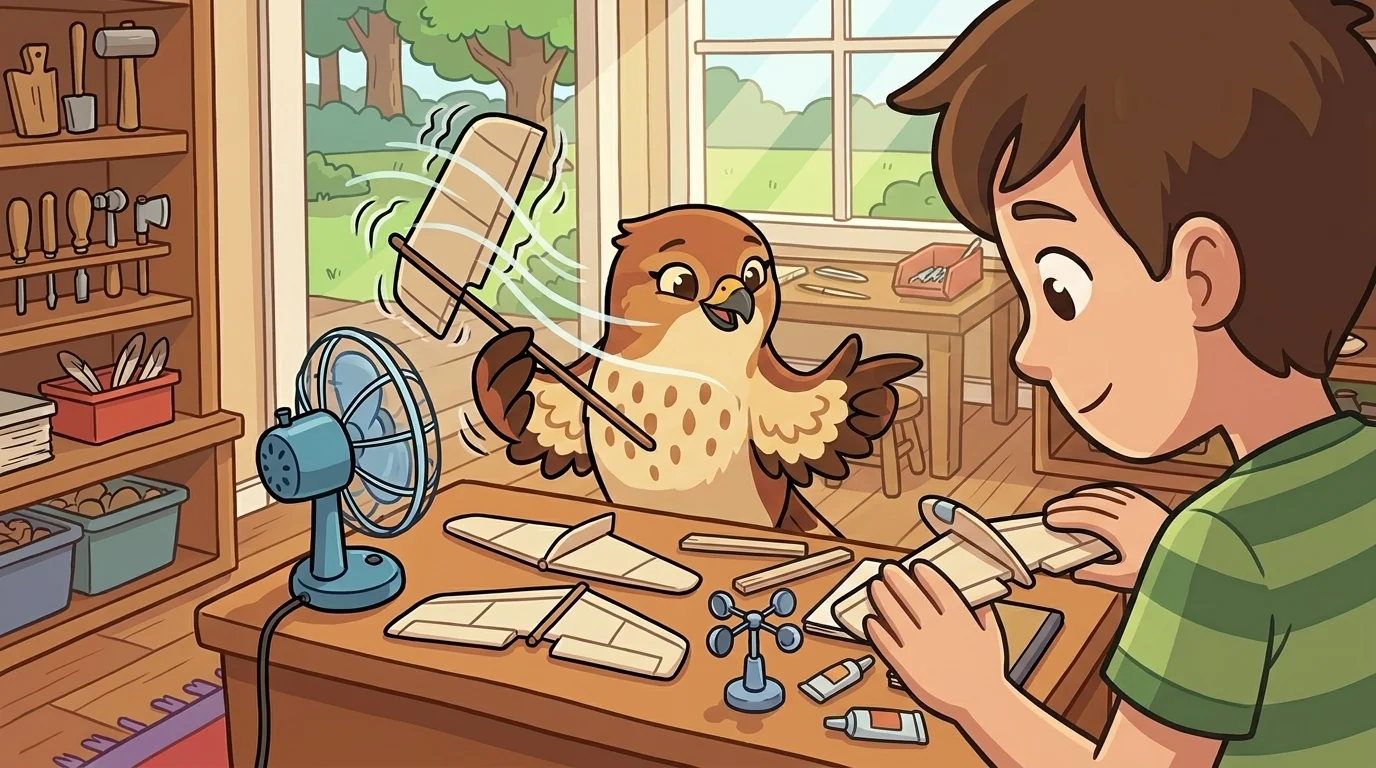
A bold young flyer named Pike kept stalling his plane and kept yanking the nose higher to fix it, dropping every time. Bite caught his wrist mid-throw. "You are feeding the stall," she said. "The grip let go because the angle was too steep. Pulling up makes it steeper. Push the nose down — just a touch — and let the air grab the wing again." Pike pushed instead of pulled, against every instinct, and the plane bit the air and flew.
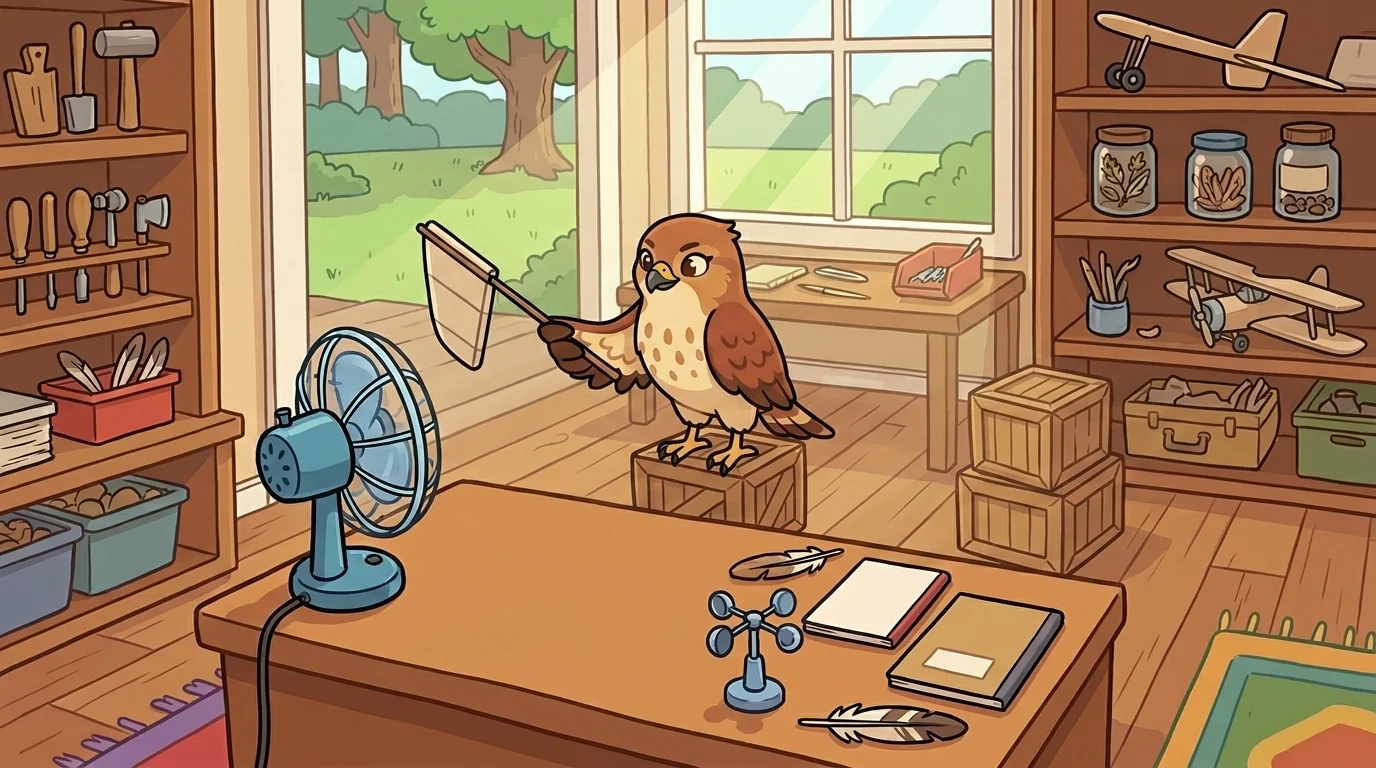
What shook Pike was that the fix was the opposite of the fear — you point toward the ground to climb back into flight. Bite nodded. "The wing grips by angle, and it lets go by angle, and it grabs again by angle. Speed is a rumor. Watch the angle." She tilted her model wing to the gentle grip and held it, steady and pulling, in the breeze.
The FlightForge ensemble
Bite the Air-Gripper is part of FlightForge's distributed-narrative cast. Each character embodies a different curricular primitive; together they teach the full subject.
-

Wing
Lift generation — airfoil + camber + Bernoulli AND Newton both-right complementary
-

Drag
Resistance — drag isn't bad, drag is information; shape-fights-air conversation
-

Thrust
Propulsion — every engine just throws air the wrong way (propeller/jet/rocket same trick different scale)
-

Yaw
Vertical-axis control — the rudder is the POLISH on the turn not the steering
-

Tail
Horizontal + vertical stabilizer family — quiet-control-from-the-back; the tail is why your paper plane goes straight
-
Attitude
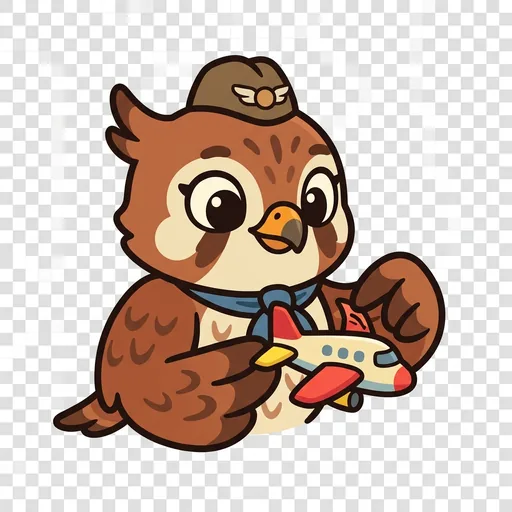
Aircraft pitch attitude — the nose points where the elevator aims it; climbing is aim plus enough wing to hold it
-

Heel
Banking to turn — a plane turns by leaning, not pushing sideways; tilt the wings and lift itself pulls you around the corner
-
Keel
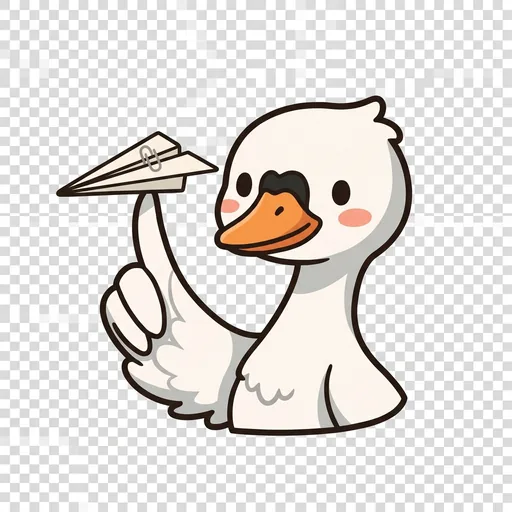
Center of gravity and balance — weight pulls down, but WHERE the weight sits decides level flight versus a tumble
-
Sail
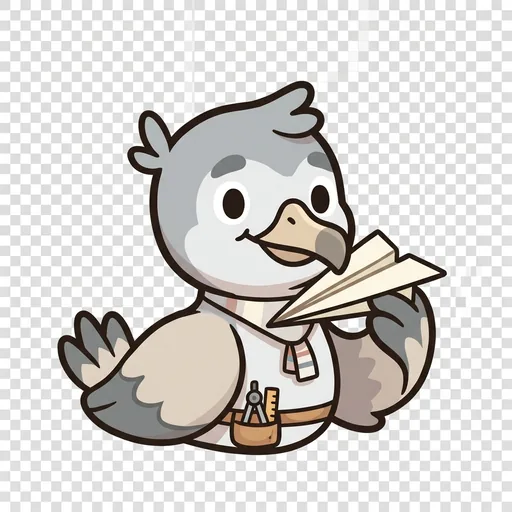
Gliding — no engine, so you trade height for distance; a smoother shape buys more distance per bit of altitude