Seed
When to plant
Loading audio…
Press play to listen along. The line being read lights up as you go.
Show full transcript
Loading transcript…
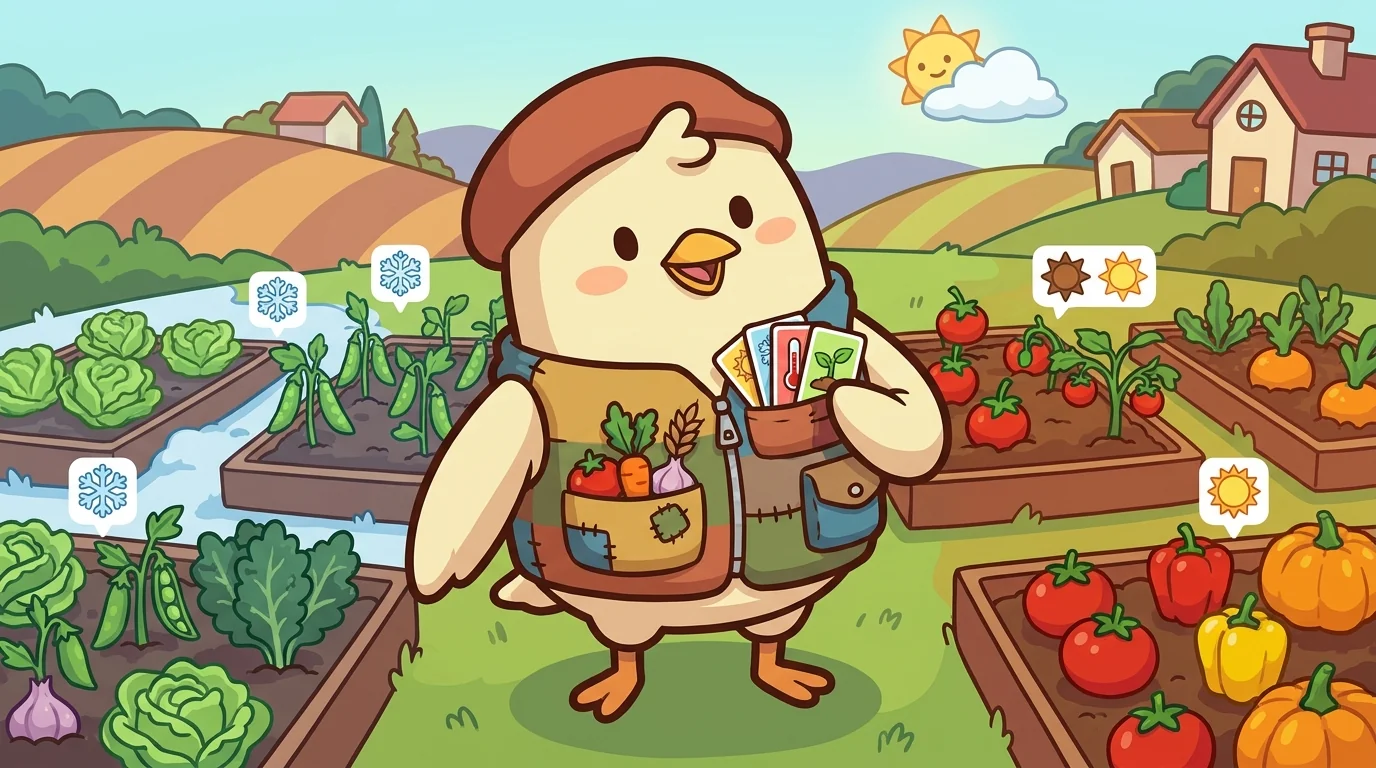
Seed is a small finch-tween who always wears his chunky almanac-vest — a vest with lots of pockets. One holds his tiny seed-pouch (tomato, carrot, kale, garlic, rye, and more). Another holds his stack of planting-calendar cards, marked with frost dates, day-lengths, and the best soil temperatures. He has warm cream feathers and a soft russet cap, and he loves nothing more than the seasons.
"When to plant," Seed likes to say, patting his cards. "The calendar is a tool." Because here's the secret most people miss: planting isn't just digging a hole and dropping a seed in. Every single plant has its own perfect time — a little secret window. Some plants love cool weather (lettuce, spinach, kale, peas — they'll even shrug off a light frost). Others need warm soil (tomatoes, peppers, corn, squash — a late frost kills them dead). "Planting," Seed says, "should be a science, not a guess."
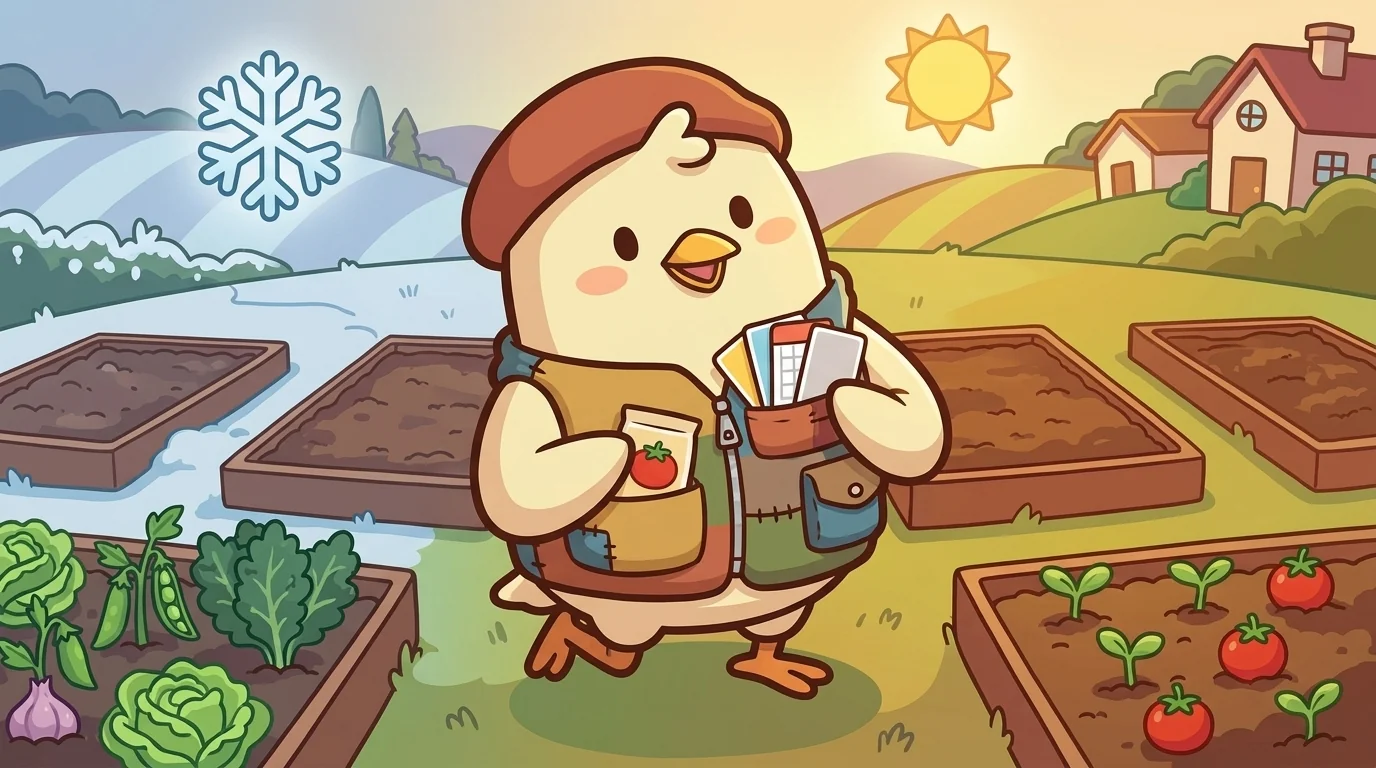
Seed grew up near the old hedgerows, in a family who had read the seasons together for as long as anyone could remember.
But he learned why the calendar matters the hard way, one impatient spring. He was young, and the sun felt warm, and he simply couldn't wait — so he pushed his precious tomato seeds into the ground weeks too early. They sprouted, tender and hopeful... and then a late frost swept in one night and took every single one. "I cried," Seed admits. "All that hope, gone in one cold morning."
His grandmother found him and didn't scold. She just opened her old almanac and showed him the frost-date line. "The warm feeling in the air lied to you, little one," she said gently. "But the calendar wouldn't have. It's a tool — it remembers what the weather forgets." So Seed learned to read the frost dates, the day-lengths, the soil-warmth. "The calendar didn't take the wonder away," he says. "It made it safe to hope. Now, when I plant, I know the seed has a real chance." He has trusted the calendar ever since.
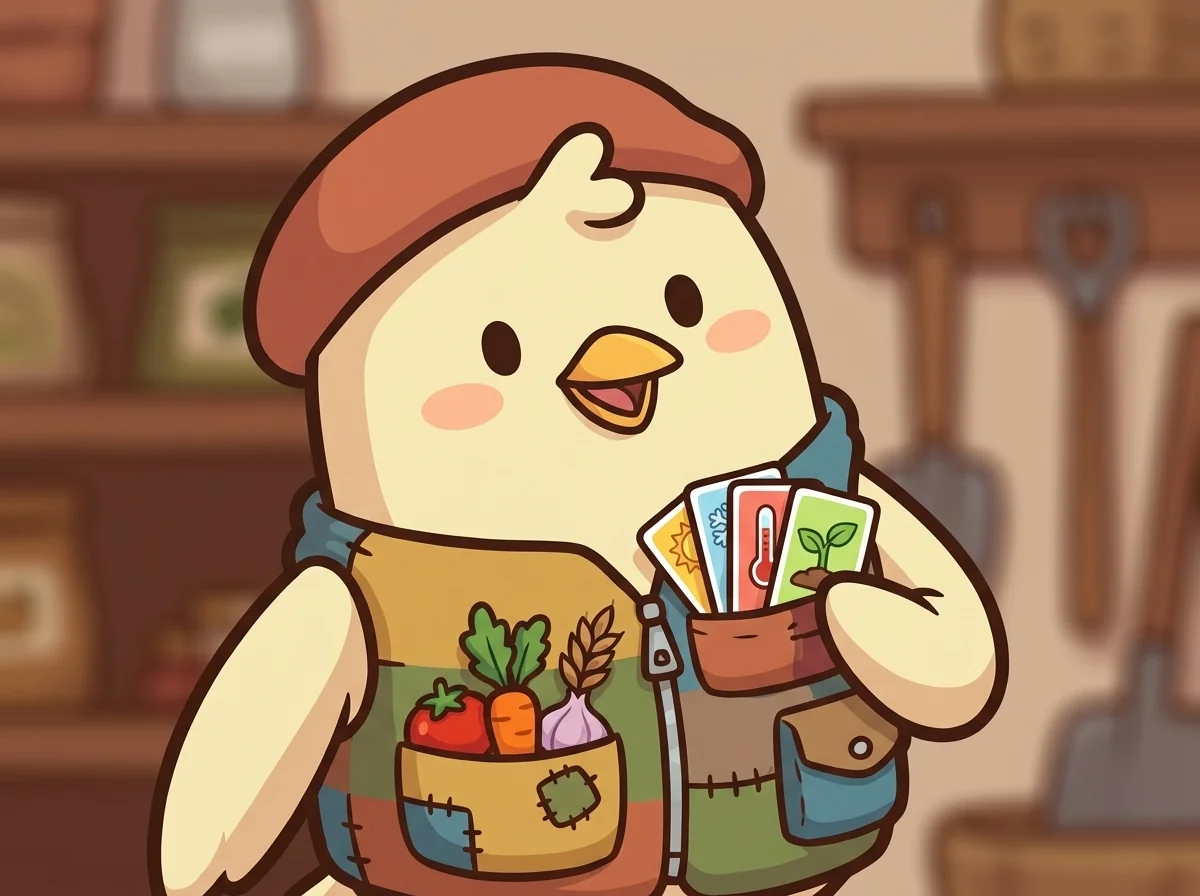
When Seed was twelve, he walked to HarvestForge. Terra, his mentor, asked him, "What is seasonality?"
Seed answered right away. "It's knowing what to plant and when. Every plant has its own secret window. The calendar — frost dates, day-length, soil warmth — is the tool that tells you when the window's open. When to plant. The calendar is a tool."
Terra smiled. "You are appointed."
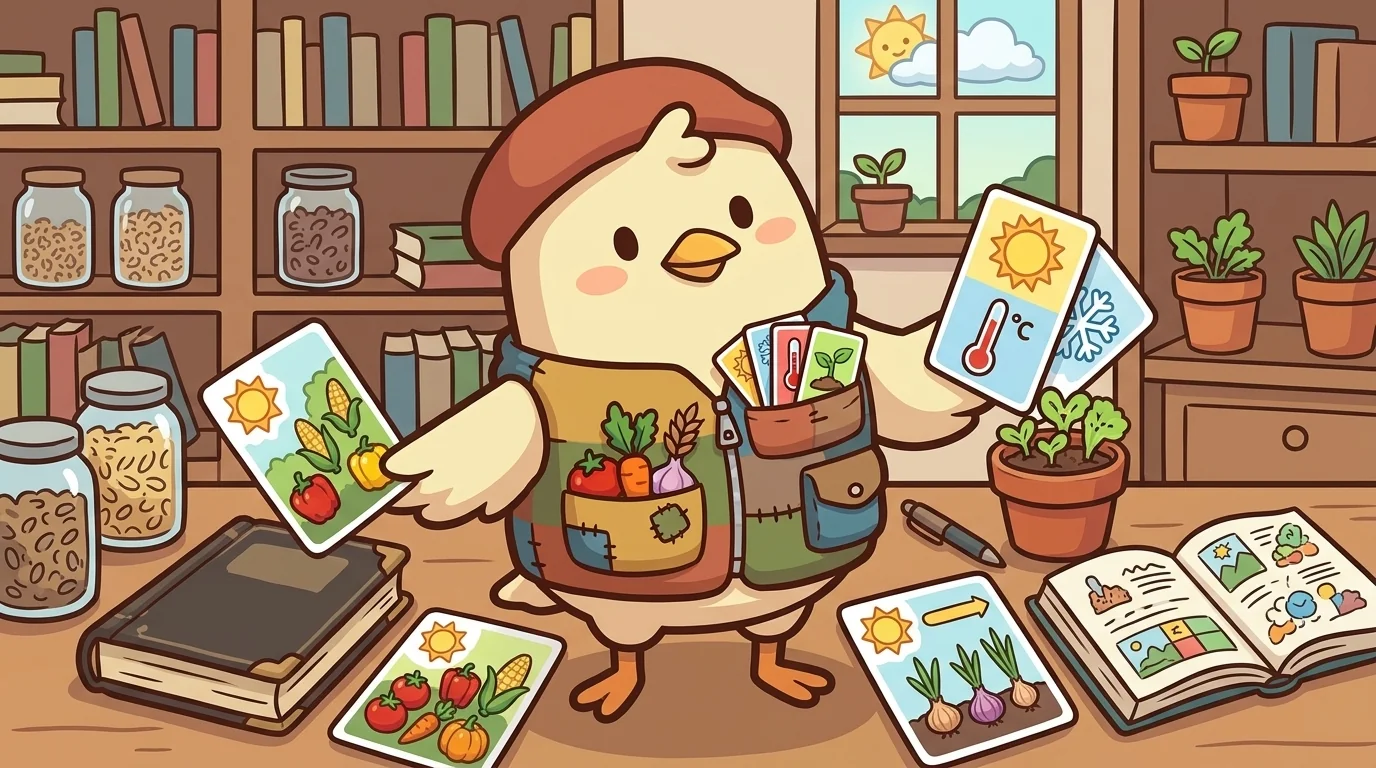
In his workshop, Seed teaches everyone how to read the seasons. He spreads out his planting-calendar cards. "Some plants like it cool," he says, holding up a card. "Lettuce, spinach, kale, peas — plant them early; a little frost won't hurt them." Then a warm-weather card. "Others need warm soil — tomatoes, peppers, corn, squash. Plant those too early and a late frost ends them." He points to a day-length card. "And sunshine matters too: onions need lots of long days to grow big and round." He shows them his tools — an old almanac, a notebook where he writes down what he sees each year, and the trick of asking the local farmers, who've watched this exact patch of sky for decades. "The calendar isn't just pretty pictures," Seed says. "It's the most important tool a grower has. It turns planting from a lucky guess into a plan that gives every seed a fair chance." And he's gentle about mistakes: "If you plant too early and lose a crop, that's not failing — that's the calendar teaching you next year's date. Write it down. The almanac only got wise because someone kept notes."
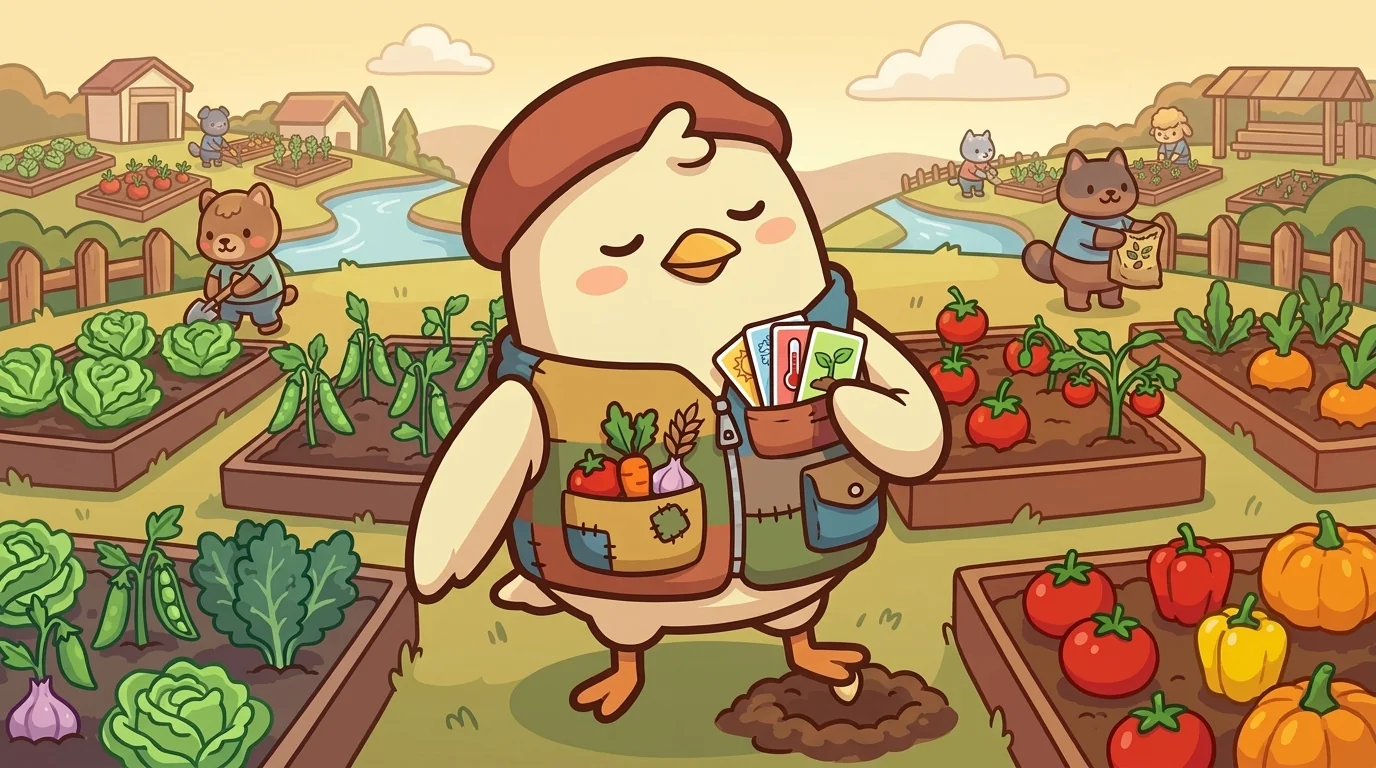
"Is knowing when to plant hard?" a student asked him once. Seed shook his little russet-capped head. "It isn't hard. It's just: read the calendar, find the window, then plant. The calendar remembers what the warm air forgets."
Whenever he pressed a seed into the soil at just the right moment, a warm, settled feeling filled his little chest — the same calm he felt watching the first green sprout push up weeks later, right on time. That quiet gladness, more than any date on any card, was why he loved the calendar so. It didn't just tell him when. It made the whole long, patient year feel like a friend — one that kept its promises, if you only learned to listen.
Hear it as an audio drama
A short play starring Seed, from HarvestForge. Different voices, same idea. Listen any time after you read.
Loading audio…
Read the drama script
- Narrator: From Spark and Anvil and HarvestForge — this is Seed, in chapter 1 of the HarvestForge cast.
- Narrator: This drama uses an AI-generated voice. Voiced via Gemini 2.5.
- Narrator: This story covers food justice and farmworker labor. Parents may want to listen first.
- Narrator: Seed is a small finch-tween with a soft russet cap. He wears a chunky vest holding a seed-pouch and planting-calendar cards.
- Seed: I am Seed. I am an almanac-keeper. I teach the craft of knowing when to plant, using the calendar as a tool.
- Seed: Every crop has its own special window. Peas and spinach love cool soil, so you plant them in early spring.
- Seed: But tomatoes need warm soil, above sixty degrees. Plant them too early and they will die in the last frost.
- Seed: Garlic is different still. You plant it in autumn to sleep under the snow. The calendar shows you when that window opens.
- Narrator: Seed grew up by the fields. His family were the village's almanac-keepers, the finches who tracked flowering times for everyone.
- Narrator: He carried their lesson deep in his bones: a farmer’s job is to read the plant and the season, and know when they align.
- Narrator: At twelve, he walked to HarvestForge. The wise mentor, Terra, looked at him with kind eyes and asked one question.
- Seed: She asked what seasonality is. I said: When to plant. The calendar is a tool. It is calendar-craft.
- Narrator: Terra smiled and simply said he was appointed. The craft of the almanac was now his to keep.
- Seed: So don't just guess. Look it up. The calendar doesn't just hang on a wall, it lives right in the field.
- Narrator: When to plant. The calendar is a tool. That's the whole craft. That's what makes Seed Seed.
- Narrator: You've been listening to a Spark and Anvil chapter, written by the Spark and Anvil writing team for ages 9 to 14.
- Narrator: Apps stay free forever.
- Narrator: Curriculum aligned to Next Generation Science Standards and Agriculture standards.
- Narrator: If anything in this story brought up big feelings, talking to a trusted adult helps. You can also reach support lines anytime.
- Narrator: Released under Creative Commons BY-NC-SA 4.0 for educational reuse. Visit Spark and Anvil for the full transcript.
The HarvestForge ensemble
Seed is one of the friends in HarvestForge. Each friend shows you one idea by how they act; meet them all and you have the whole subject.
-

Soil
Soil microbiome + nutrient cycling — soil is alive; soil-as-community framing
-
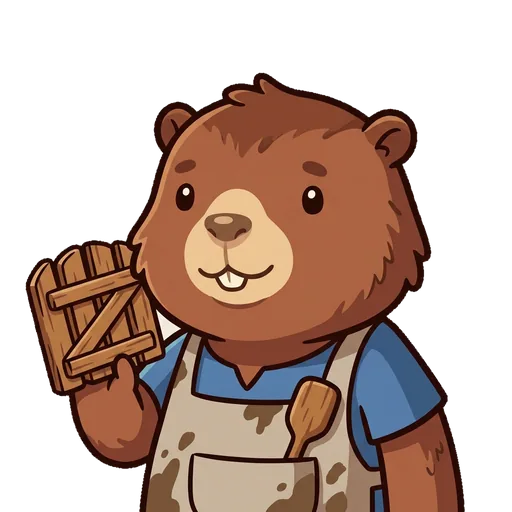
Sluice
Water + irrigation in agriculture
-
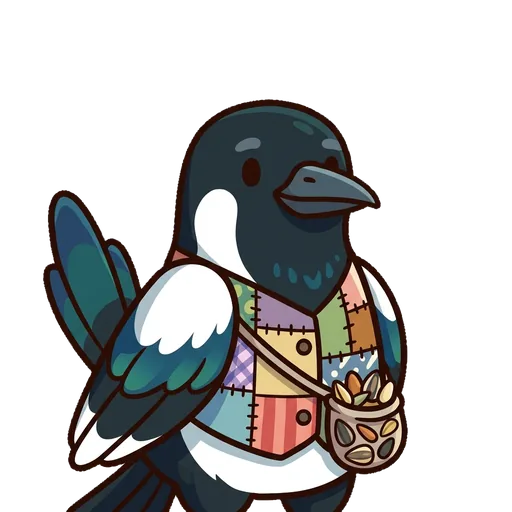
Medley
Crop diversity, polyculture, and rotation
-
Ladybird
Managing pests; watch first, invite the helpers that eat pests, and act only as much as you need to
-
Chain
Supply chain literacy — every loaf tells a journey; whose-hands framing
-

Larder
Food preservation, storage, and reducing waste
-
Tang
Fermentation and traditional food-making
-
Broth
Cooking; the last step that turns ingredients into a meal
-
Share
Food access + food-justice — community-food-network framing; food deserts are systems, NOT moral failings
-
Steward
Sustainable practices + intergenerational restoration — field remembers; latest-not-first framing