Probyn
THE FOLLOW-UP QUESTION — *the story-keeper whose recurring act is catching a story just as it slows and nudging it onward with 'and then what happened?' so a memory unfolds instead of stopping at its first line.*
Loading audio…
Press play to listen along. The line being read lights up as you go.
Show full transcript
Loading transcript…
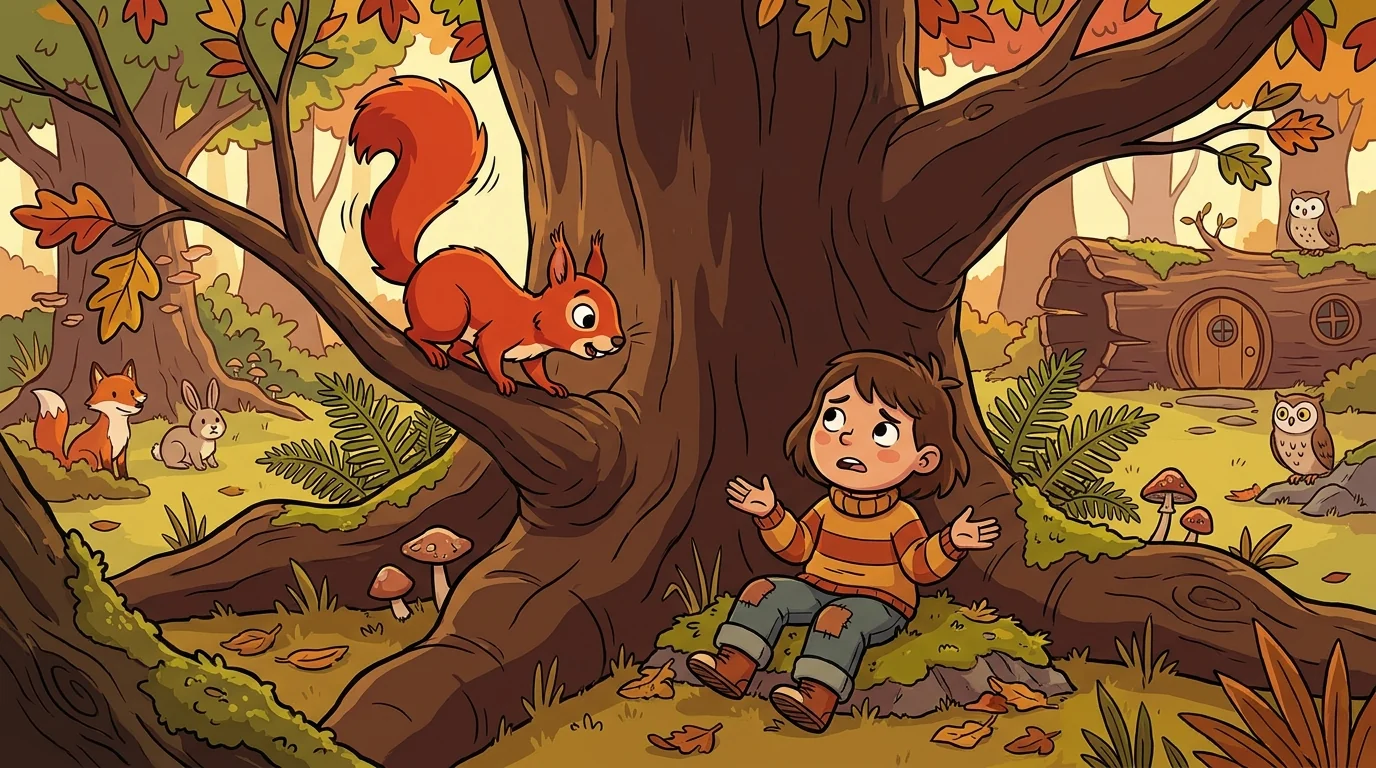
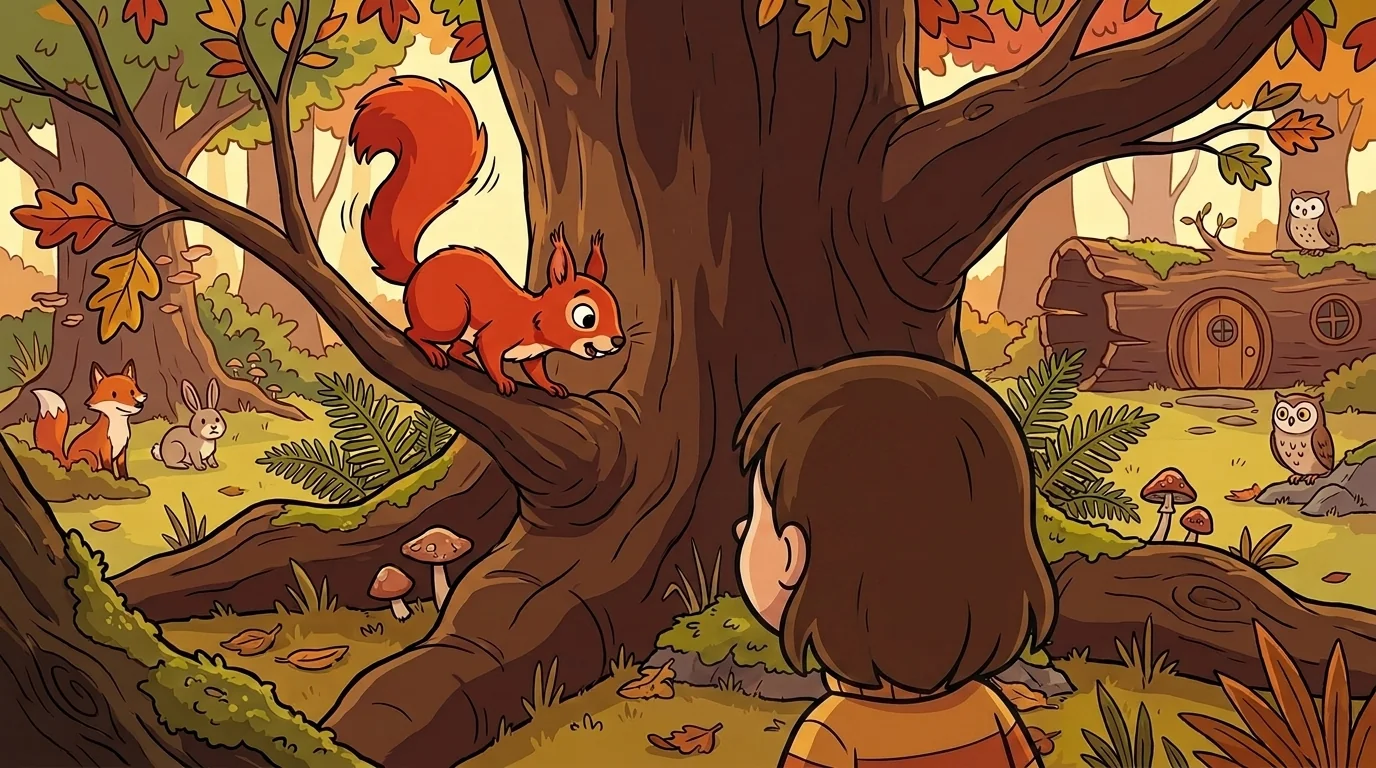
Near the roots of the great maple lived a bright red squirrel named Probyn, who could never sit still when a story was only half-told. His tail would twitch and his whole body would lean in, because to Probyn an unfinished story was the most exciting thing in the world — a door left ajar. The child from the hollow found him perched on a low branch, and sat down to explain a new trouble.
"Ola taught me to ask open questions," the child said, "and it worked! Grandpa started telling me about the boat he took across the water when he was young. But then he just... stopped. He said 'it was a long trip' and looked out the window. And I didn't know what to do, so I asked a totally different question, and the boat story got lost."
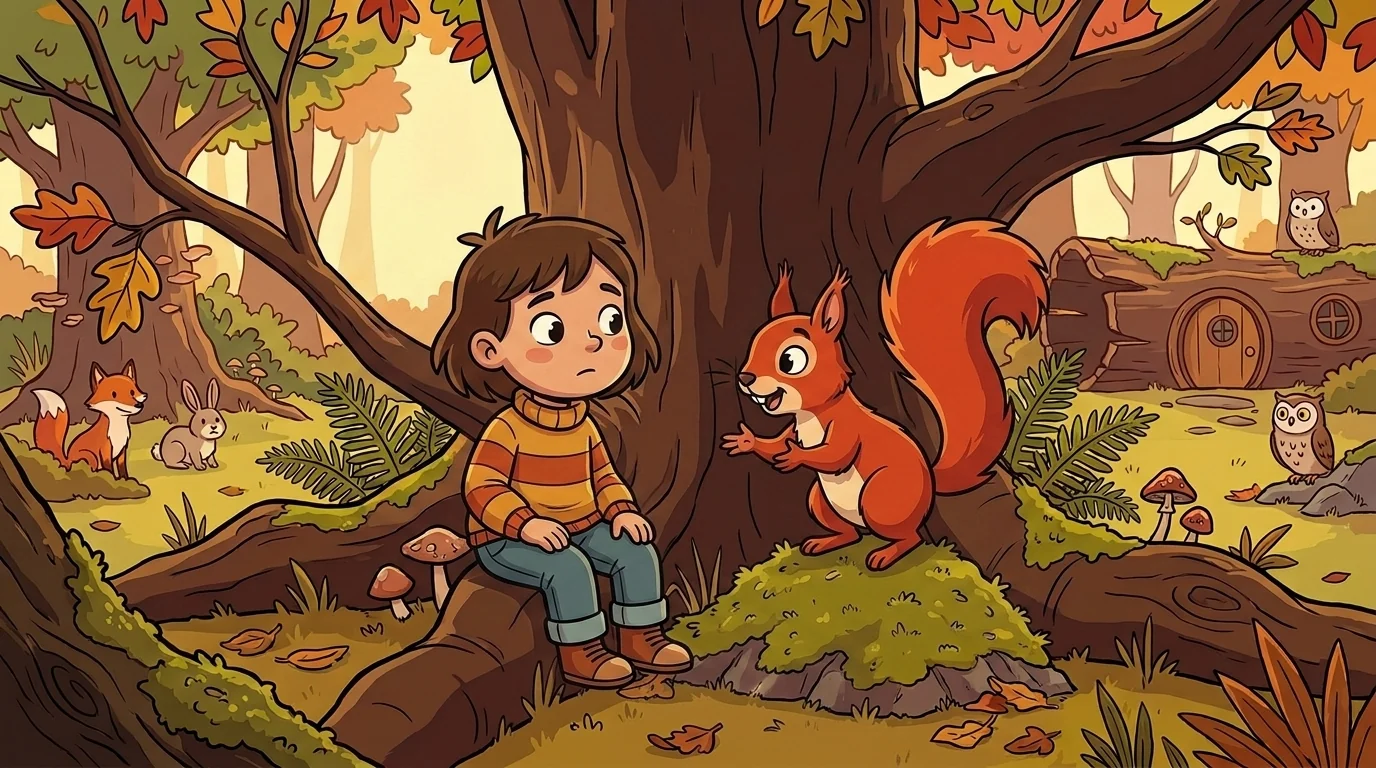
Probyn's tail went still — a rare thing. "Oh, that's the saddest part," he said, "letting a real story slip away just as it starts. But it's the easiest thing in the world to fix, and you already had everything you needed." He hopped down closer. "When Grandpa said 'it was a long trip' and looked out the window — he hadn't finished. He'd just come to the edge of the first sentence and needed a tiny push to step off it. And the push is the smallest question there is." Probyn's eyes gleamed. "You lean in, and you say: And then what happened? Or What was that like? Or just — Go on. A follow-up question doesn't change the subject. It doesn't ask something new. It grabs the very thread he just dropped and says, keep pulling, I'm still here."
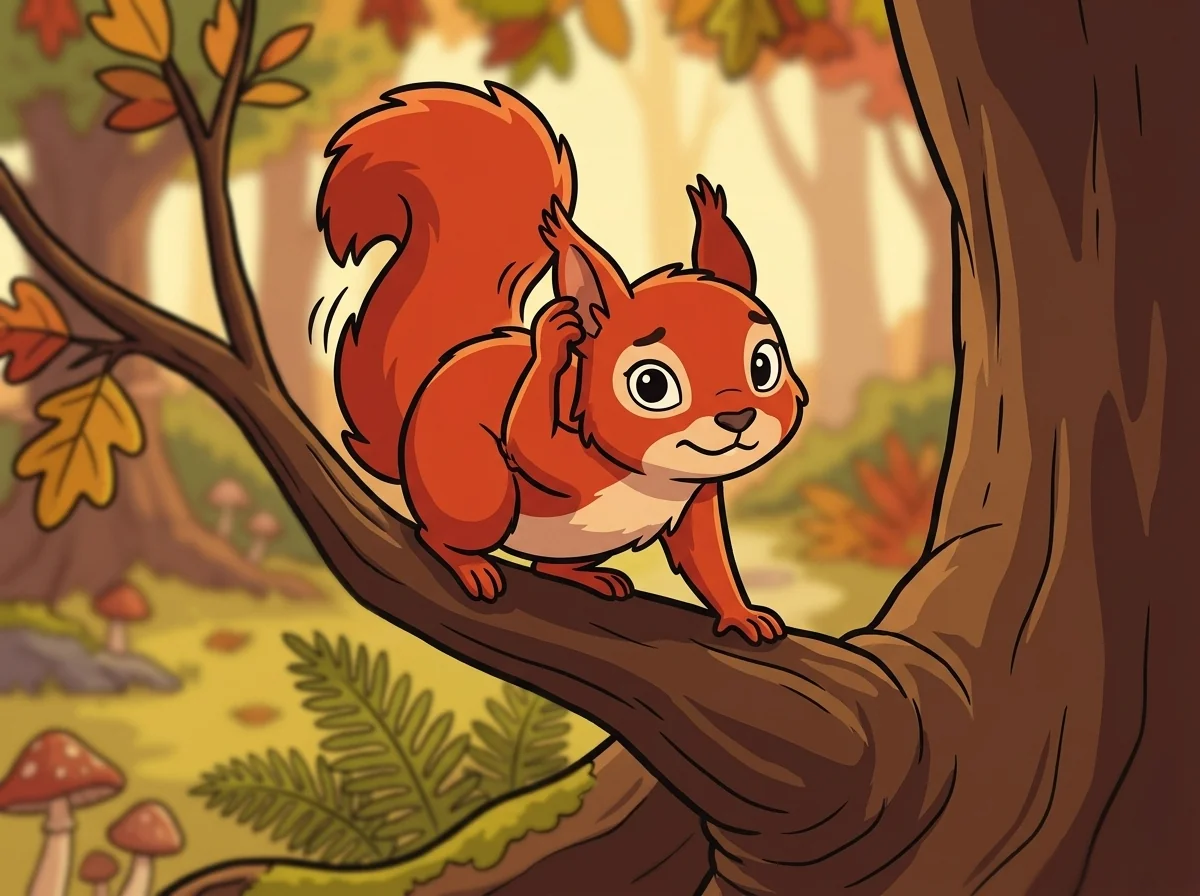
"I learned this the hard way," Probyn admitted, scratching one ear. "I used to be so eager that when a story slowed down, I'd jump to my next exciting question. I thought I was keeping things lively. Really I was yanking people off their own path over and over, and they never got to the good part — because the good part is almost never in the first sentence. It's in the third. It's in the and-then." He looked at the child seriously. "The elder isn't done when the story slows. The slowing is just them catching their breath, deciding whether it's worth going on. Your little 'what happened next' is you telling them: yes. It's worth it. I want the rest."
"So next time Grandpa says 'it was a long trip'..." the child began.
"You lean in," said Probyn, leaning in himself, "and you don't say anything clever. You just say, warm and curious: A long trip — what do you remember most about it? And watch. Because I promise you the boat had a storm in it, or a stranger who shared his bread, or a night he thought he'd never see land. That's all still in there. Your follow-up is the little word then that carries him from the edge of the sentence into the middle of the memory."
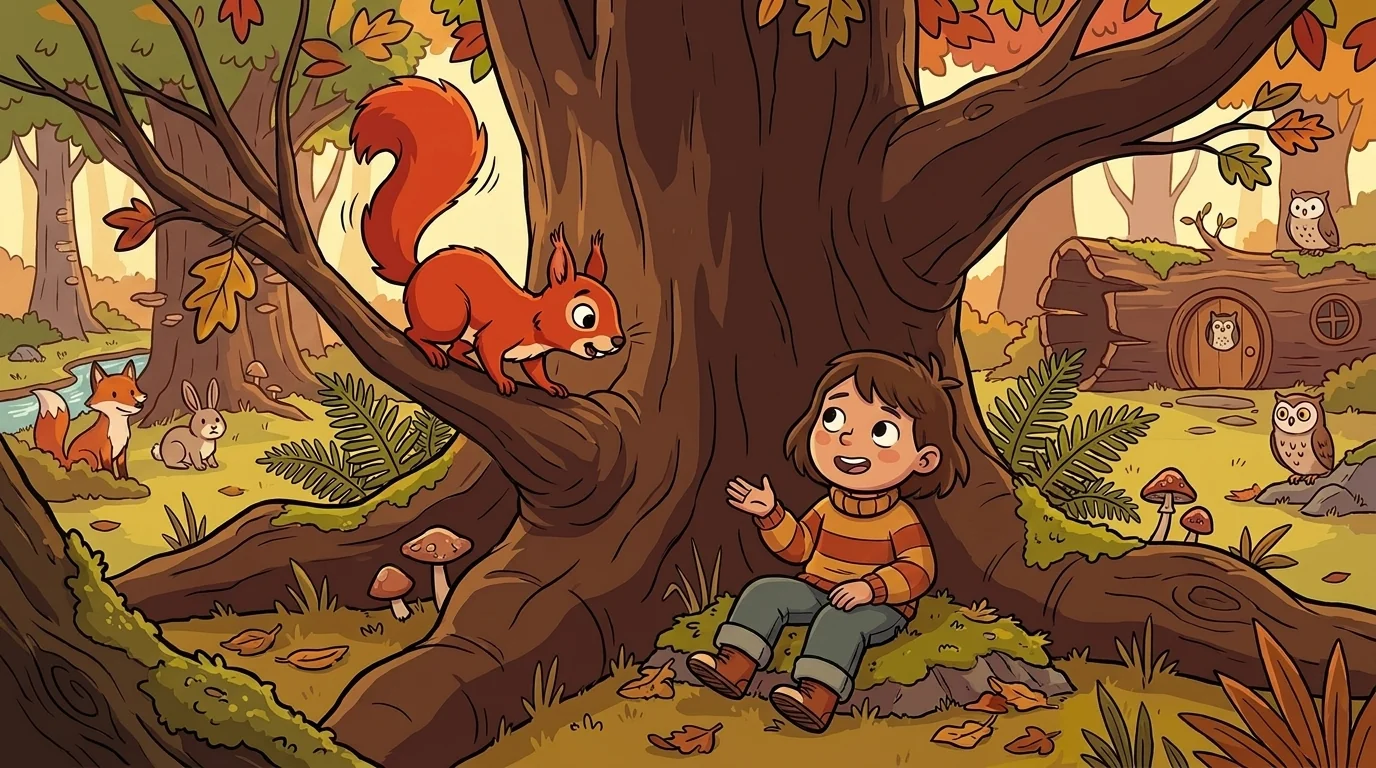
The child practiced it — a slow story, a gentle and then?, and in the pretend of it the child could already feel how a memory kept walking when someone stayed curious about its next step. A bright, patient gladness settled over the branch.
Because the feeling a follow-up gives isn't the thrill of a brand-new question — it's the steady, connected joy of helping someone finish something that mattered to them, of being the reason a half-told story got to become a whole one. The child had feared that stories just ran out; now the child knew that most stories don't run out at all — they only pause, waiting to see if anyone still wants them. And wanting them, out loud, with a small warm what happened next, was a gift the child could give again and again. That feeling — I can keep a story alive just by staying curious — settled bright and warm in the child, and Probyn's tail curled up in quiet delight, because a story kept walking was, to him, the very best sound in the wood. "And then what happened," the child murmured, leaning in, and Probyn nodded, certain the rest of the boat story was already on its way.
The HeritageQuest ensemble
Probyn is part of HeritageQuest's distributed-narrative cast. Each character embodies a different curricular primitive; together they teach the full subject.
-
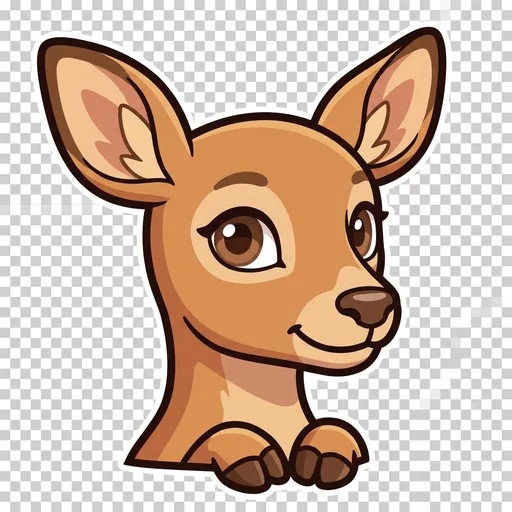
Ola
Open questions — ask 'tell me about…' so the story can grow
-
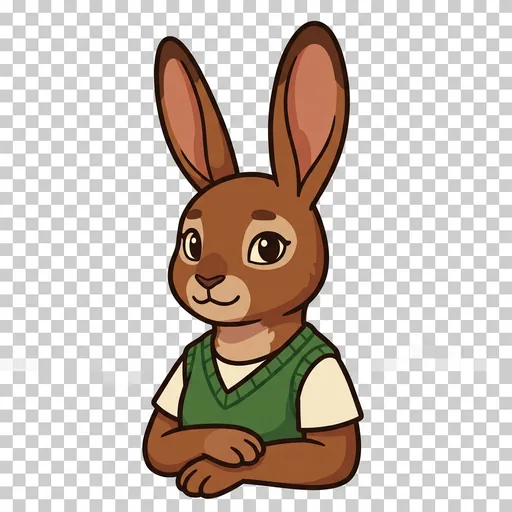
Lenne
Active listening — nod, wait, and really hear before the next question
-
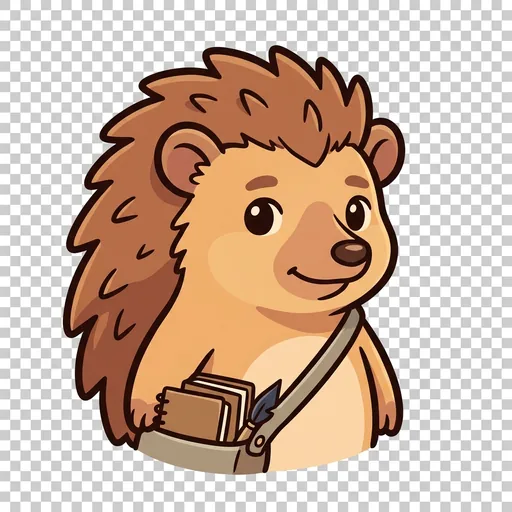
Keeper
The story-keeper — write it down so it isn't lost
-
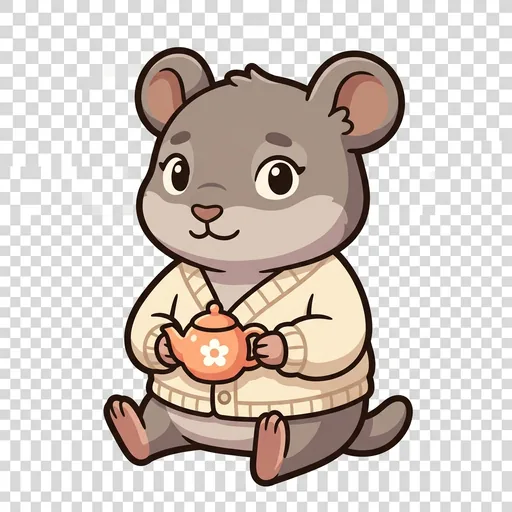
Warmly
The warm-up — start with an easy, friendly question
-
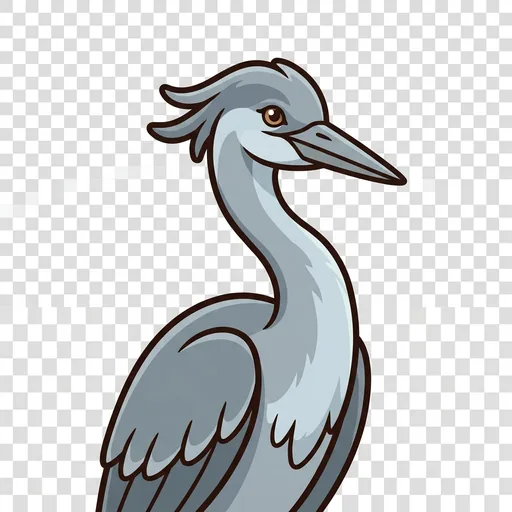
Reva
Reflect back — say it in your own words to check you understood
-
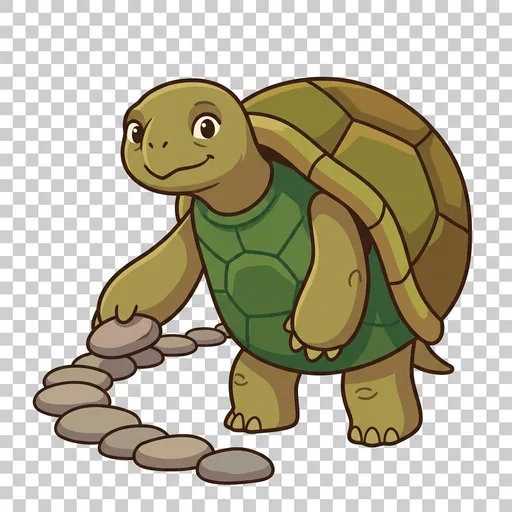
Tessa
Timeline — put the memories in the order they happened
-
Senza
Five-senses detail — ask what it looked, sounded, and smelled like
-
Pausa
The kind pause — silence gives an elder room to remember
-

Elder Maple
(Mentor) — the family keeper of stories who guides the interview