Warmly
THE WARM-UP QUESTION — *the story-keeper whose recurring act is opening an interview with an easy, low-stakes, friendly question, so the teller relaxes into talking before any big or tender question arrives.*
Loading audio…
Press play to listen along. The line being read lights up as you go.
Show full transcript
Loading transcript…
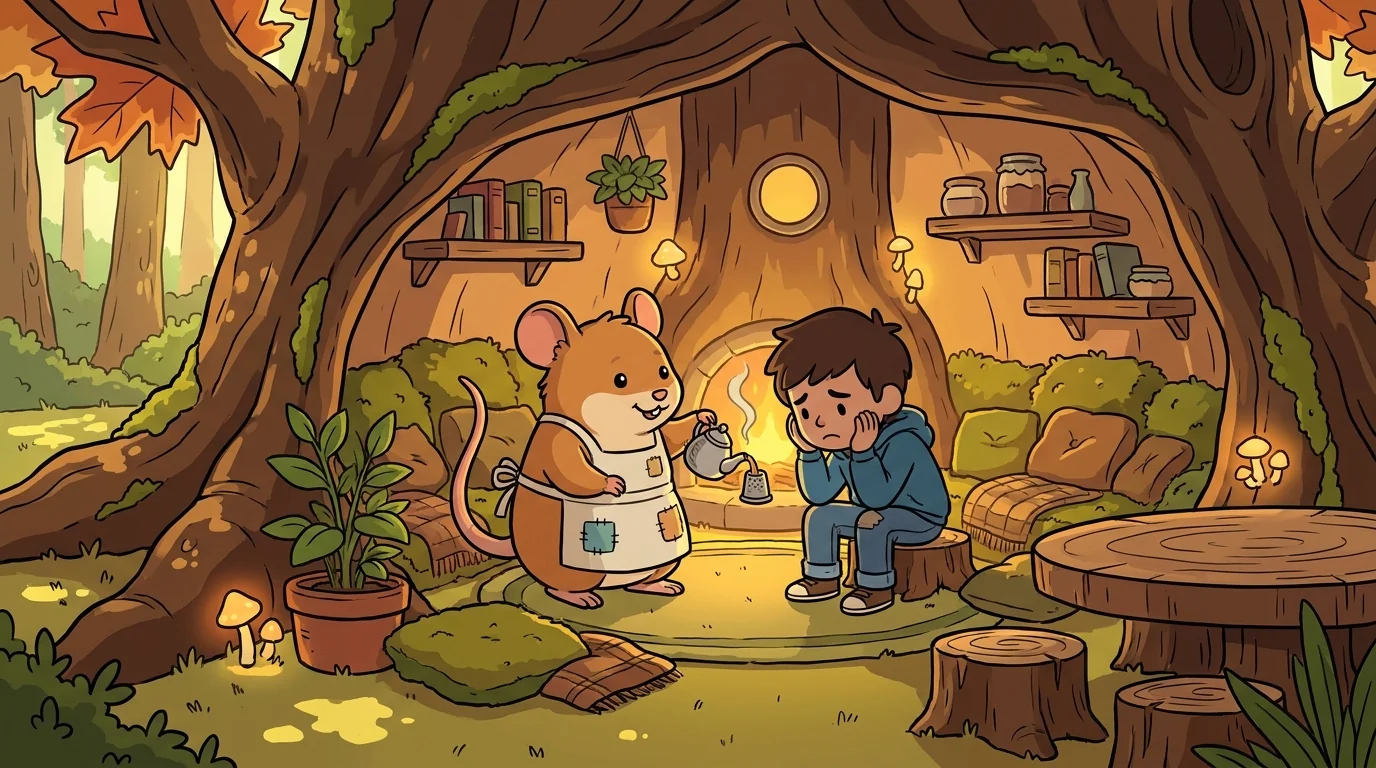
In a cozy nook of the great maple, cushioned with moss and always warm, lived a small dormouse named Warmly who kept a tiny teapot forever on the boil. She believed that no good story ever began with someone tense, and so she'd made herself the keeper of beginnings — the gentle first minutes before the real talking starts. The child arrived at her nook looking crestfallen, and Warmly poured out a thimble of something warm before a single word was spoken.
"I did everything right," the child said. "I sat down with my grandfather and asked him my most important question first — I asked him about the hardest thing he ever lived through. And he got all stiff and quiet and said 'oh, that was a long time ago,' and the whole talk felt frozen after that. I picked the best question. Why did it go so wrong?"
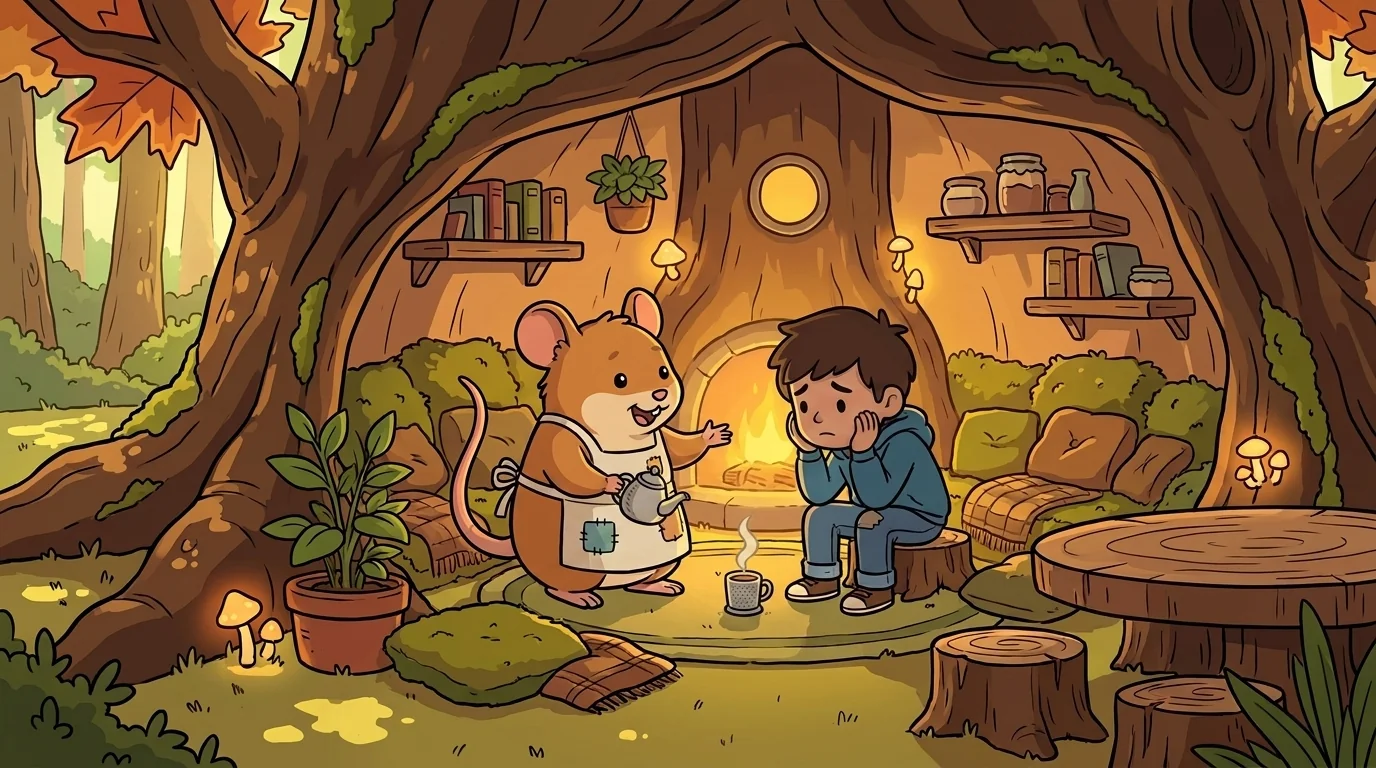
Warmly nodded kindly and nudged the warm thimble closer. "Because it was the best question," she said, "asked at the wrong moment. You knocked on the door and immediately asked to come into the deepest, most tender room in the house — before he'd even had a chance to open the door and see it was a friend. A big question isn't wrong. It's just heavy, and heavy questions need a warm hand ready to catch them." She sipped from her own tiny cup. "So I always begin somewhere easy. Somewhere with no weight at all. What did you have for breakfast when you were little? What games did you play in the street? What was your favourite thing to wear? Small, friendly, safe. Nobody freezes at a breakfast question. And while he answers the easy one, his shoulders come down, his voice warms up, and the door swings open on its own. Then the important room is a place he'll gladly walk you into."
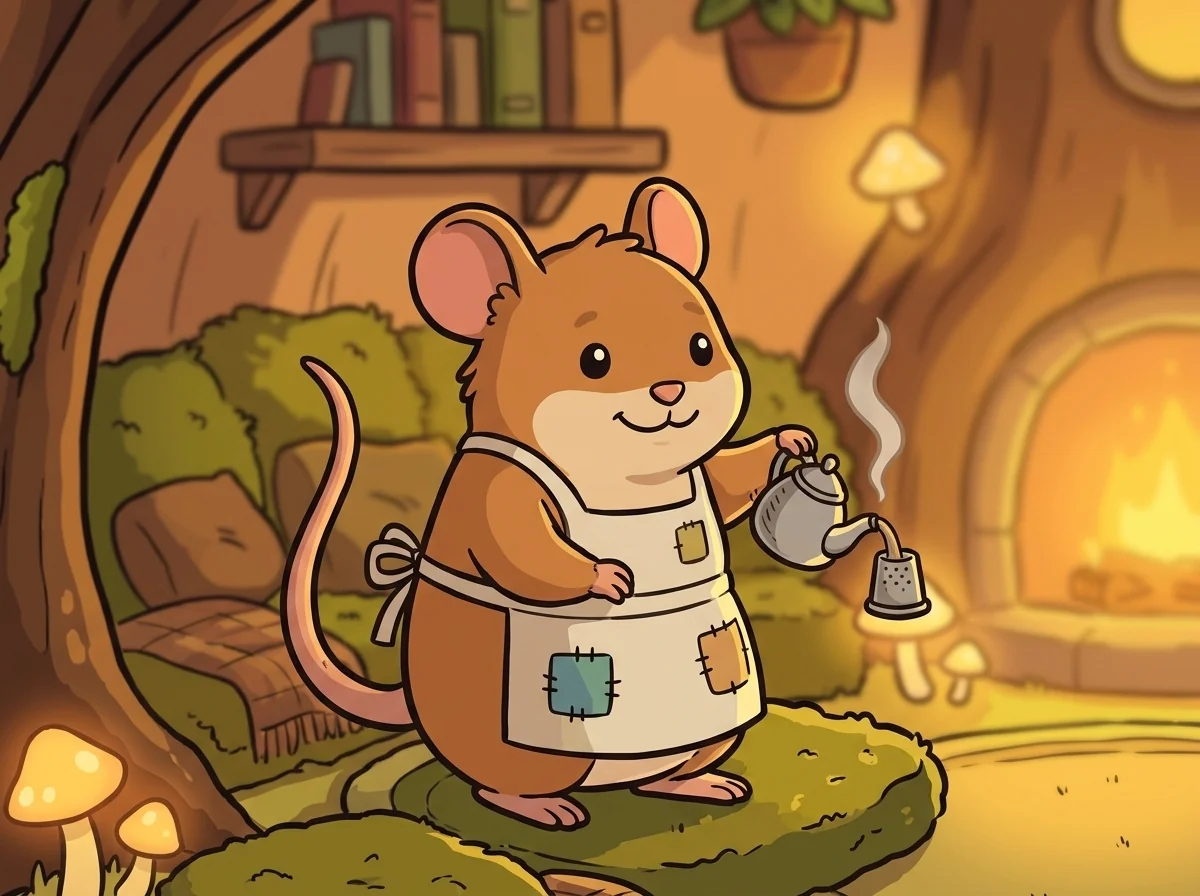
"I know exactly how a cold start feels," Warmly said, "because I used to give them. When I was young I thought warm-up questions were a waste of good time — I wanted to get straight to the treasure. So I'd sit down and ask my grandmother the biggest thing right away, and she'd go polite and careful, the way people do when they've been startled. It took me years to see it: I wasn't saving time. I was spending it, all at once, on thawing out a talk I'd frozen myself." She smiled over the steam. "The easy question isn't a detour on the way to the good stuff. It's the warmth that makes the good stuff possible. A cold room keeps its secrets. A warm one shares them."
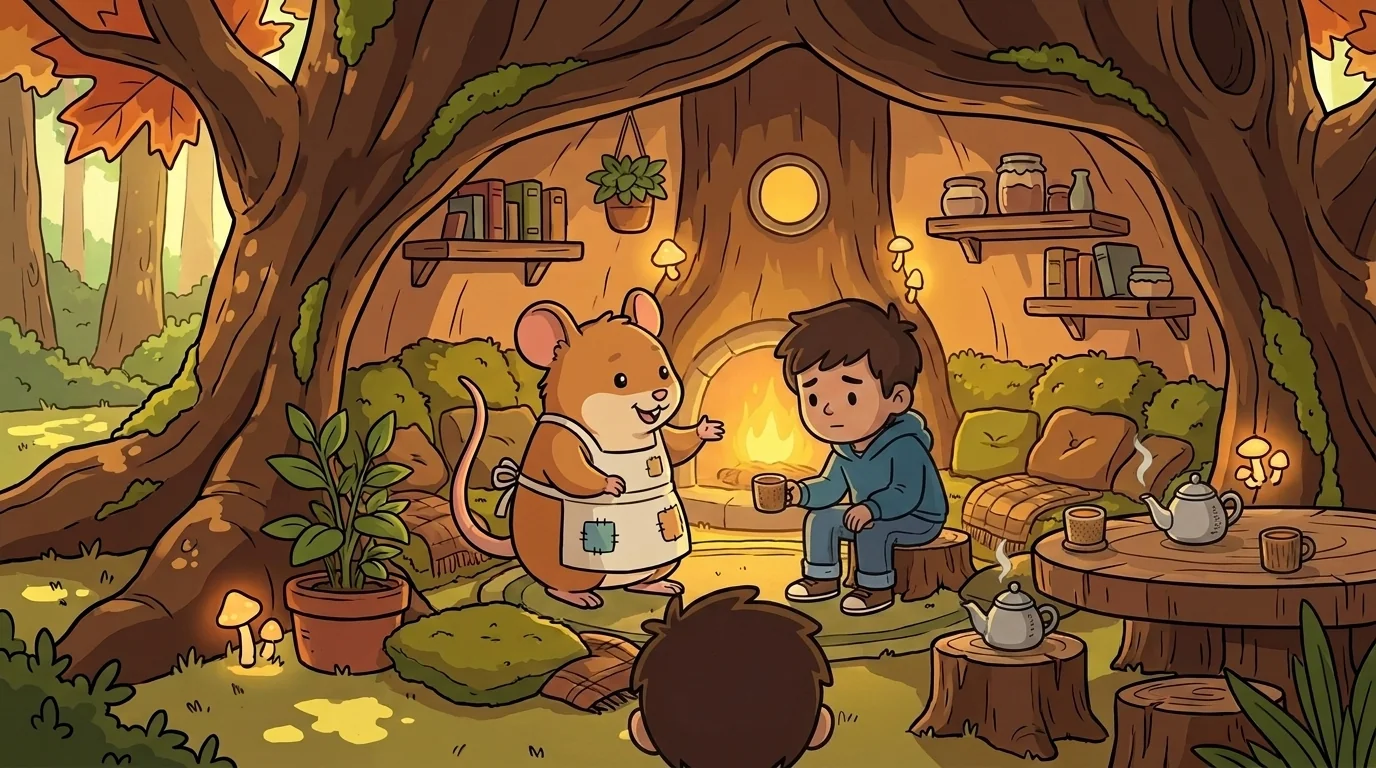
"So next time," the child said slowly, "I start small."
"You start warm," said Warmly. "Ask your grandfather something with a smile in it — What was your favourite meal your mother made? Let him tell you. Laugh a little. Have some tea. Let the easy story do its easy work. And somewhere in there, when the room has gone soft and safe, you'll feel the moment the door is truly open — and that's when your big, important question lands not like a shock, but like a friend who was always welcome."
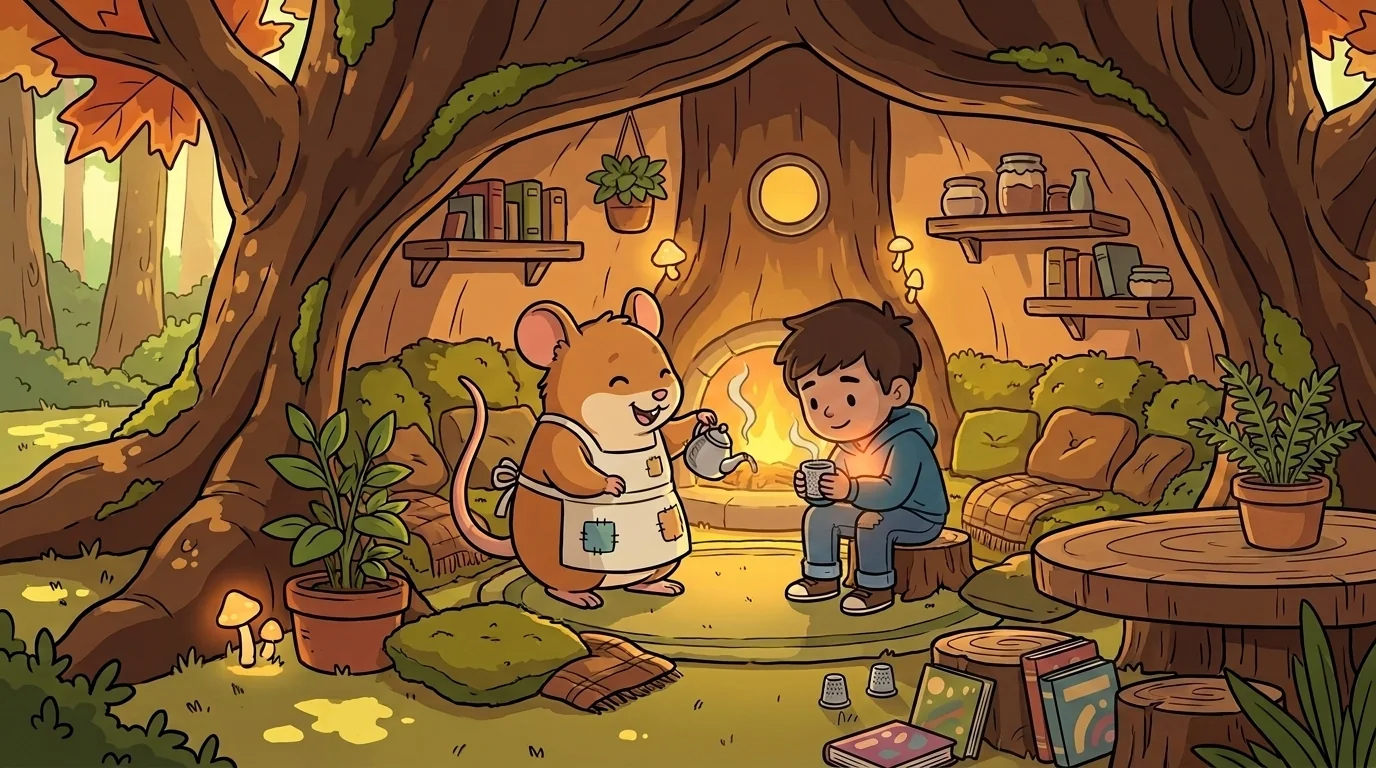
The child wrapped both hands around the warm thimble and practiced a few easy openers, and each one felt less like a test and more like a welcome, and a soft, unhurried comfort filled the mossy nook.
Because the feeling a warm-up gives isn't the rush of getting to the treasure — it's the gentle, hospitable gladness of making another person feel safe before you ask anything that matters, of being the warmth that thaws a careful heart. The child had learned that even the best question can arrive too cold and too soon; now the child understood that kindness has an order to it, that you open a door before you ask to enter the deepest room. That feeling — I can make hard things easy to say, just by starting somewhere warm — settled soft and glowing in the child, and Warmly topped up the thimble, content, because she had always known that the best stories are simply the ones told by someone who has been made comfortable first. "Start easy, start friendly," the child murmured into the steam, and Warmly beamed, her little teapot humming.
The HeritageQuest ensemble
Warmly is part of HeritageQuest's distributed-narrative cast. Each character embodies a different curricular primitive; together they teach the full subject.
-

Ola
Open questions — ask 'tell me about…' so the story can grow
-
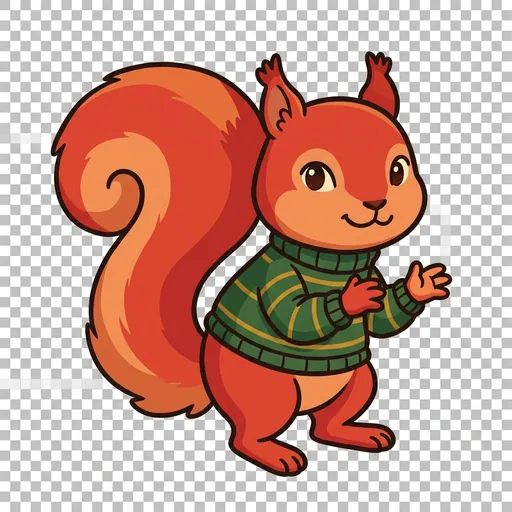
Probyn
The follow-up — 'what happened next?' keeps the story going
-
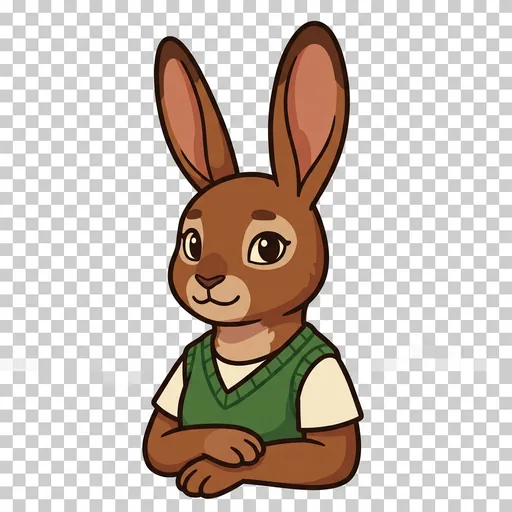
Lenne
Active listening — nod, wait, and really hear before the next question
-
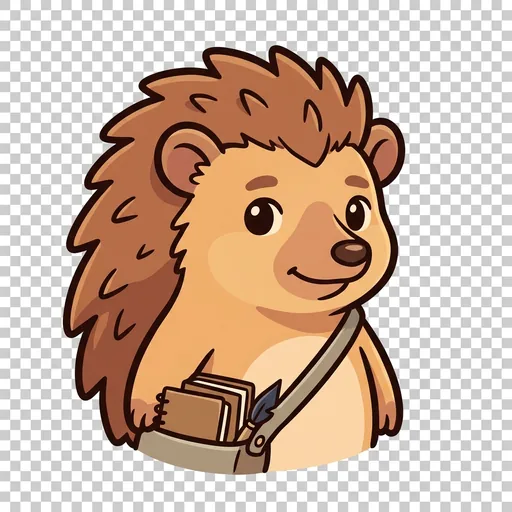
Keeper
The story-keeper — write it down so it isn't lost
-
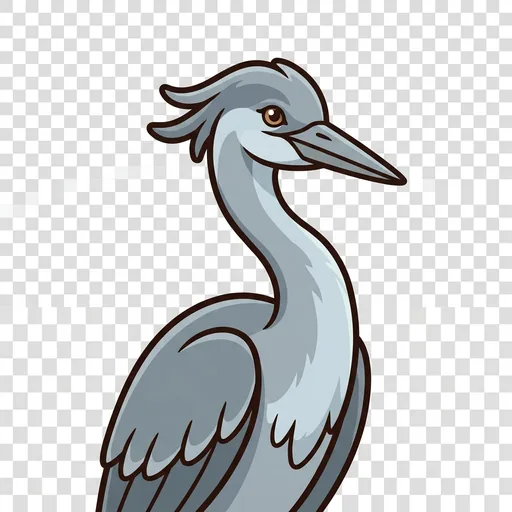
Reva
Reflect back — say it in your own words to check you understood
-
Tessa
Timeline — put the memories in the order they happened
-
Senza
Five-senses detail — ask what it looked, sounded, and smelled like
-
Pausa
The kind pause — silence gives an elder room to remember
-

Elder Maple
(Mentor) — the family keeper of stories who guides the interview