Tessa
THE TIMELINE
Loading audio…
Press play to listen along. The line being read lights up as you go.
Show full transcript
Loading transcript…
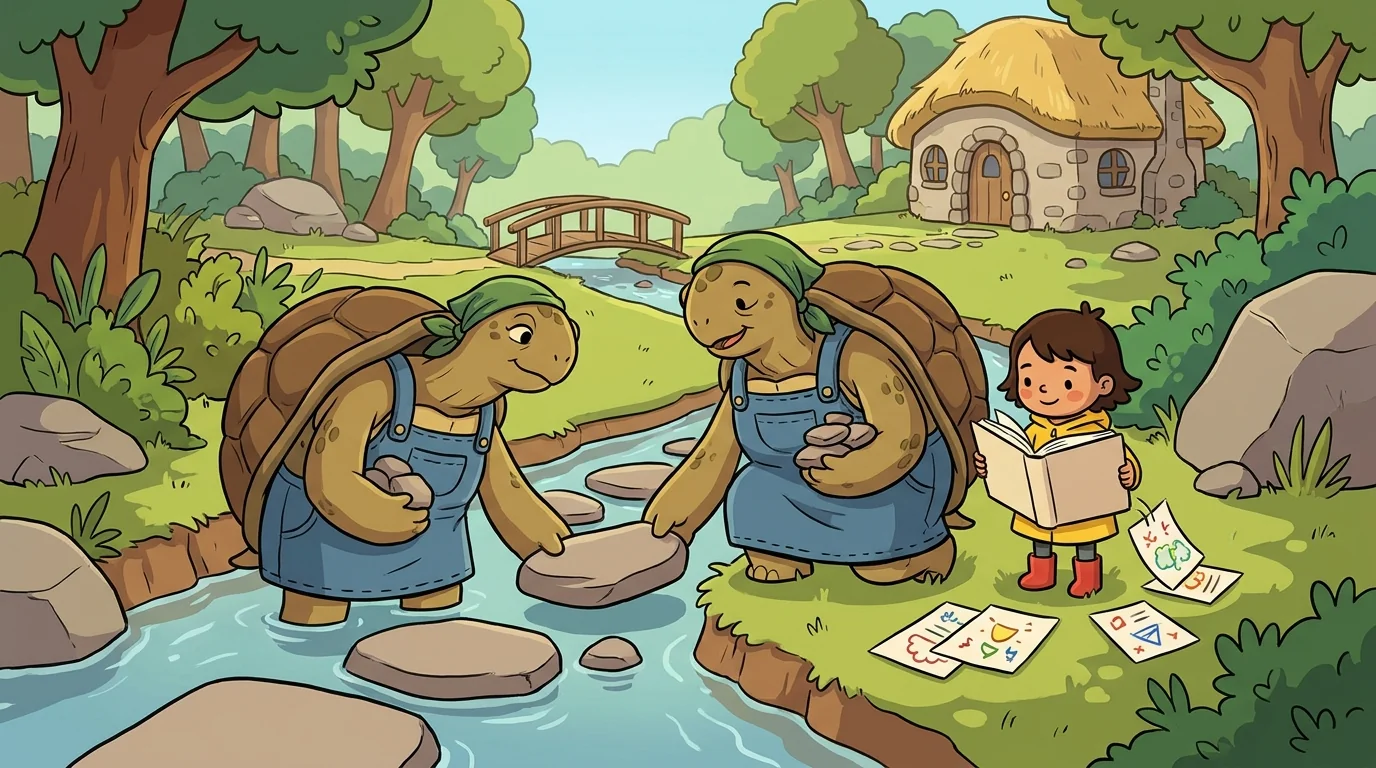
Beside a slow stream in the hollow lived a patient tortoise named Tessa, who was never in a hurry and who loved, more than anything, to lay flat stones across the water in the right order so that anyone could cross. She thought of memories the same way — as stones — and the family sent her anyone whose collected stories had become a confusing pile. The child arrived with a book full of exactly that.
"I've written down so many of my grandfather's stories now," the child said, spreading out pages, "but they're all mixed up. Here he's a young father, here he's a little boy, here he's already old — and they're not in any order. When I read them together it's like a jumble. I don't know how his life actually went."
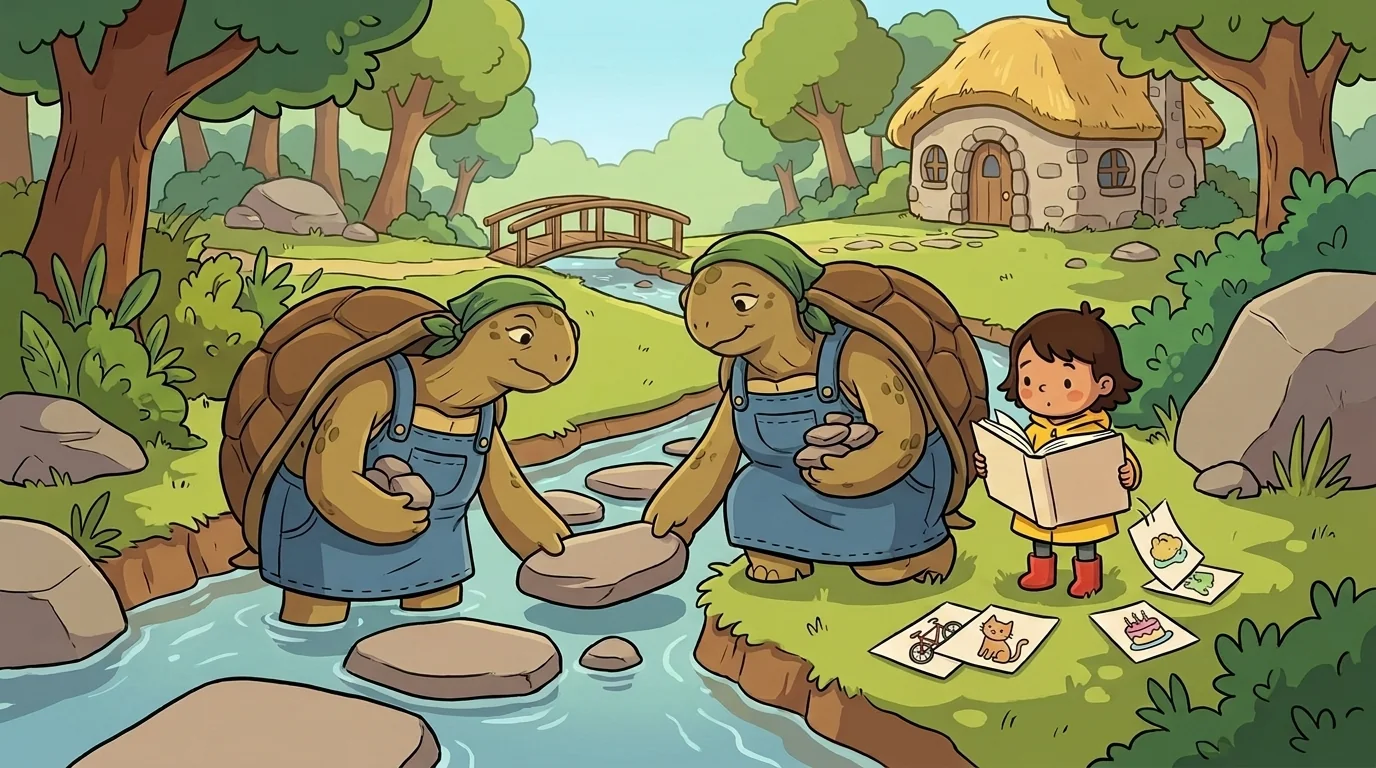
Tessa nodded slowly, the way she did everything. "A pile of stones is still just a pile," she said, "until someone lays them in a line you can cross. Your stories aren't wrong — they're just out of order, the way memories naturally come out: whatever a person thinks of first, they say first. It's your kind job to help them find their place." She placed a flat stone at the stream's edge. "And you do it without ever interrupting the story. You wait until a memory is finished, and then you ask a gentle placing question: Was that before or after you moved to the city? How old were you then? Did that happen before your sister was born, or after? Little questions that don't ask for anything new — they just ask when. One at a time, each memory finds the stone it belongs on."
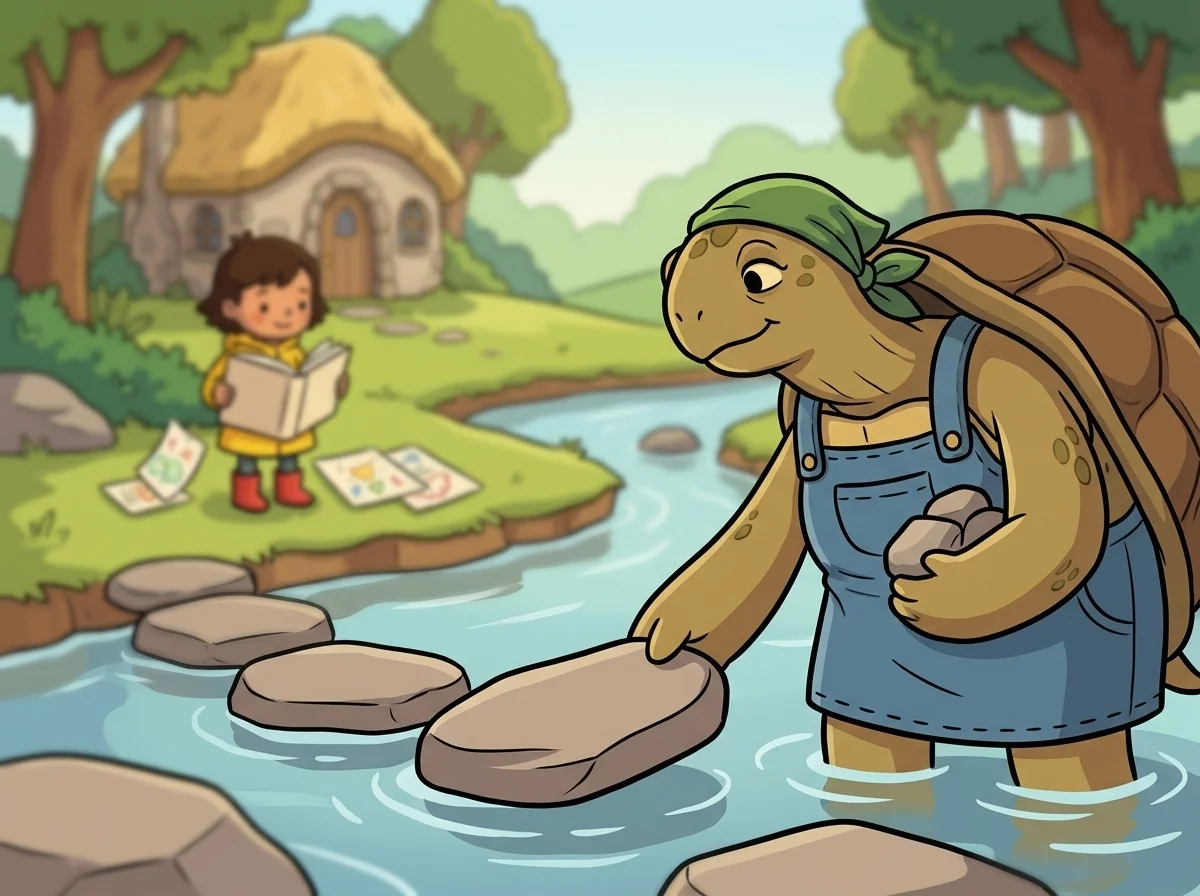
"I used to think order didn't matter," Tessa admitted, setting another stone. "A good story is a good story, I thought — who cares what came before it? Then I helped an old friend gather her mother's memories, and we left them all in a jumble, and years later we couldn't tell whether the hard year came before the move or because of it. We'd lost the shape of her life — the way one thing led to another. And the shape, it turns out, is where the meaning lives." She looked at the child. "A life isn't just a bag of moments. It's a path. This happened, and so that happened, and that led here. When you put the stones in order, you don't just tidy the stories — you can suddenly see the path, and understand how your grandfather became the person you know."
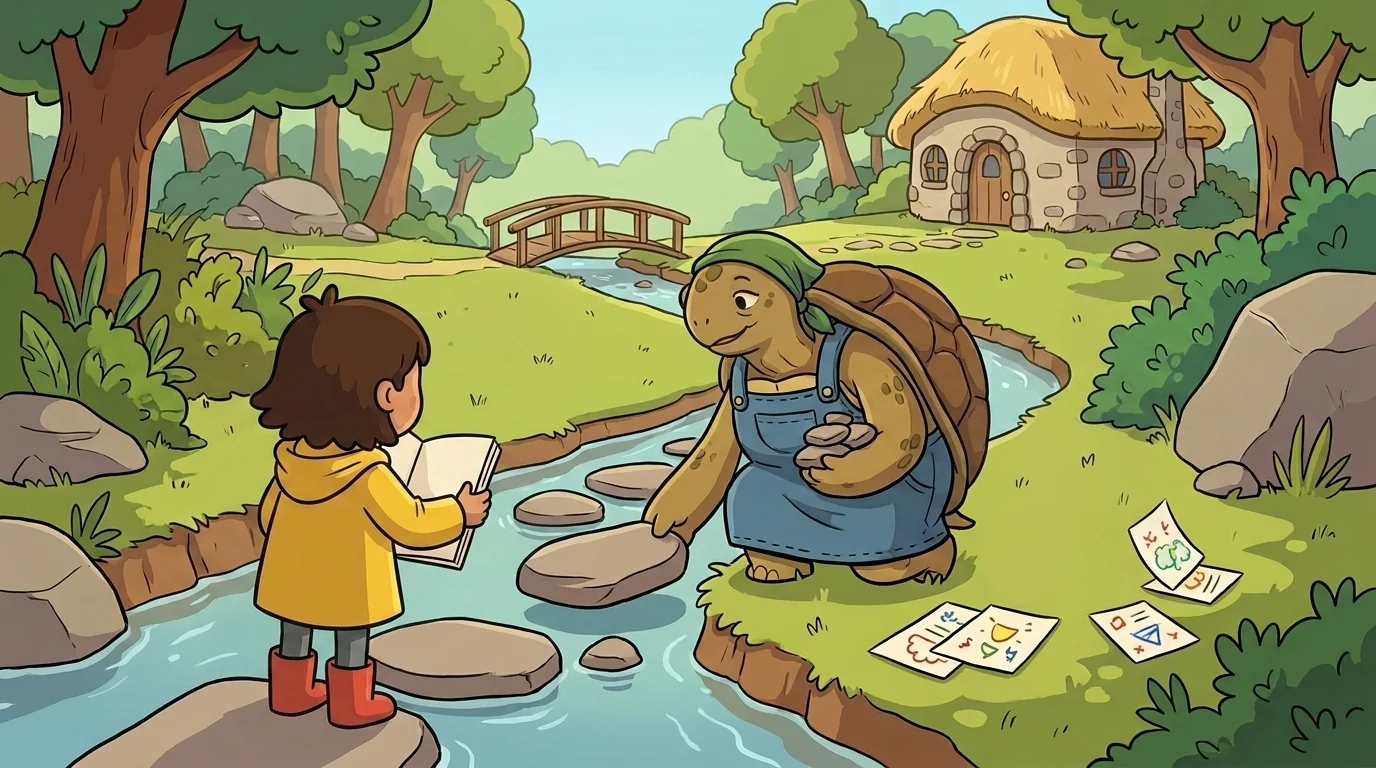
"So I go back through my book," the child said, "and for each story I find out when."
"Gently, and over time," said Tessa. "You needn't do it all in one sitting — I never do. Next visit, you might just ask, That story about the flood — was that when you were a boy, or after you'd married? He'll tell you, and you write a little date or an age beside it. Stone by stone. And one day you'll lay the last one down and step back, and there it'll be: not a jumble anymore, but a path you could walk from his very first memory to his very last — the whole shape of a life, clear enough to cross."
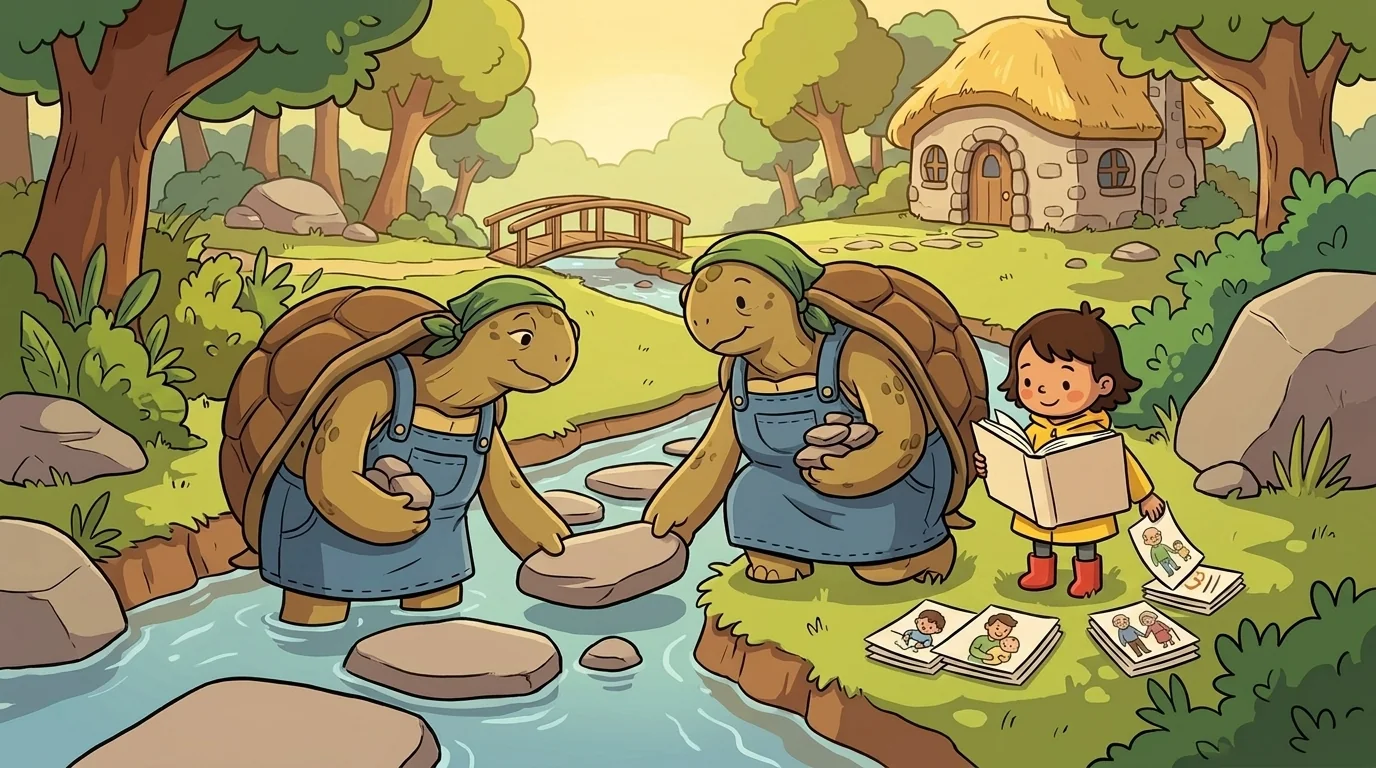
The child began sorting the scattered pages by when, and as a few of them clicked into order a quiet, satisfying steadiness settled over the streambank.
Because the feeling of building a timeline isn't the tidiness of sorted pages — it's the deep, clarifying wonder of watching a scatter of separate moments become one connected life, of seeing how a person came to be who they are. The child had felt lost in a jumble; now the child understood that ordering the stones was itself an act of love — that to place a grandfather's memories in the order they happened is to honour the whole path he walked. That feeling — I can turn a pile of moments into a life I can walk through — settled steady and warm in the child, and Tessa laid one more stone across the stream, unhurried and content, because to her there was no finer thing than a path made whole, one patient stone at a time. "Before or after," the child murmured, sorting, and Tessa nodded, slow and sure, watching the path appear.
Hear it as an audio drama
A short play starring Tessa, from HeritageQuest. Different voices, same idea. Listen any time after you read.
Loading audio…
Read the drama script
- Narrator: From Spark and Anvil and Heritagequest — this is Tessa, in chapter 1 of the Heritagequest cast.
- Narrator: This drama uses an AI-generated voice. Voiced via Gemini 2.5.
- Narrator: Tessa was a careful, long-tailed lizard who laid scattered memories out like stones across a stream, in the order they happened.
- Child: Tessa, Grandpa's stories jump everywhere! The war, then his wedding, then back to being a boy, then his first job. I can't tell what came before what.
- Tessa: Memories don't arrive in order — they arrive as they're remembered. Your job is to lay them out like stepping-stones, so the whole life becomes a path you can walk.
- Child: How do I do that without interrupting?
- Tessa: One small question does it: "Was that before or after...?" "How old were you then?" "Did that happen before the wedding, or after?" Each answer sets a stone in its place.
- Narrator: The child asked softly, "Grandpa — was the first job before or after the war?"
- Elder: Before — I was seventeen. The war came two years later. And the wedding, that was after I came home.
- Child: Now the stones are in a line. I can walk the whole path from boy to now.
- Tessa: When memories jump, ask "before or after?" and lay them in order. A jumble of moments becomes a life you can walk through.
- Narrator: You've been listening to a Spark and Anvil chapter, written by the Spark and Anvil writing team for ages 9 to 14.
- Narrator: Apps stay free forever.
- Narrator: Curriculum aligned to Common Core and Next Generation Science Standards.
- Narrator: Released under Creative Commons BY-NC-SA 4.0 for educational reuse. Visit Spark and Anvil for the full transcript.
The HeritageQuest ensemble
Tessa is one of the friends in HeritageQuest. Each friend shows you one idea by how they act; meet them all and you have the whole subject.
-

Ola
Open questions — ask 'tell me about…' so the story can grow
-

Probyn
The follow-up — 'what happened next?' keeps the story going
-
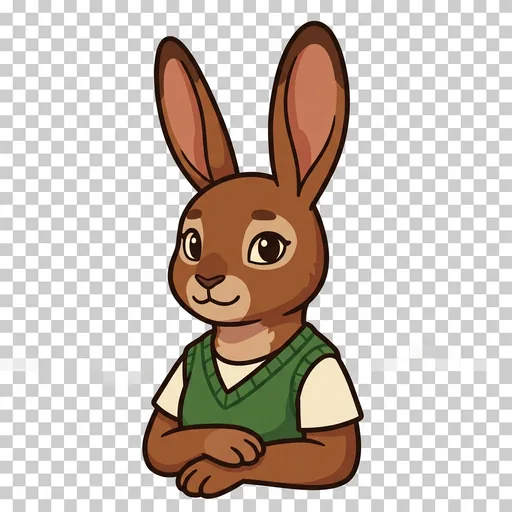
Lenne
Active listening — nod, wait, and really hear before the next question
-

Keeper
The story-keeper — write it down so it isn't lost
-

Warmly
The warm-up — start with an easy, friendly question
-
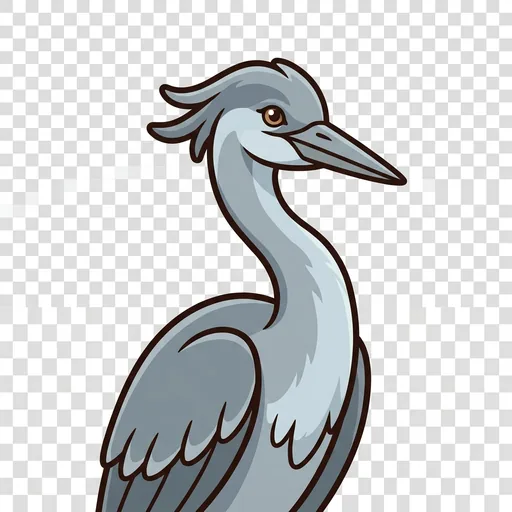
Reva
Reflect back — say it in your own words to check you understood
-

Senza
Five-senses detail — ask what it looked, sounded, and smelled like
-
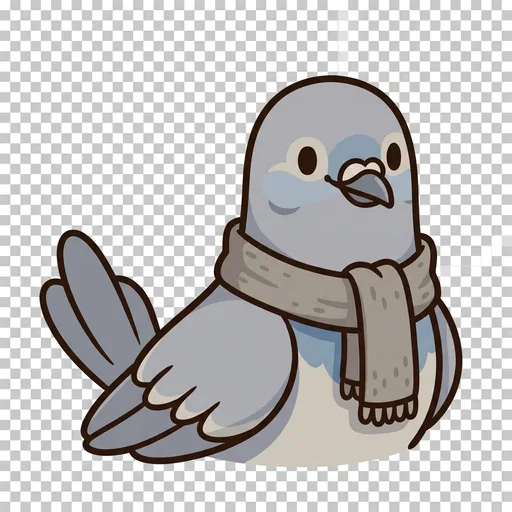
Pausa
The kind pause — silence gives an elder room to remember
-

Elder Maple
Keeper of stories — guides the family interview