Verge and Thrice
VERGE & THRICE — *an adventure has two shapes at once: the THRESHOLD that carries the hero across into the trial (Verge), and the RHYTHM OF THREE by which they meet it — two tries that fail the same way, a third that's different and wins (Thrice). the crossing is the entrance; the three is the beat inside.*
Loading audio…
Press play to listen along. The line being read lights up as you go.
Show full transcript
Loading transcript…
A student came to LoreQuest with a story that had a great start and a limp middle. "My hero crosses into the enchanted forest," she said, "and it's this big, thrilling moment — she steps over the edge, everything changes, perfect. And then... the middle is a mess. She just wanders around and eventually stuff works out. The doorway is amazing and the inside is boring. How do I fix the part after she crosses?"
Verge the edge-dweller and Thrice the rhythm-keeper looked at each other — the one who owns the crossing-in, the one who owns the trying-once-you're-through — and both brightened, because the student had built half the shape of an adventure and left the other half empty.
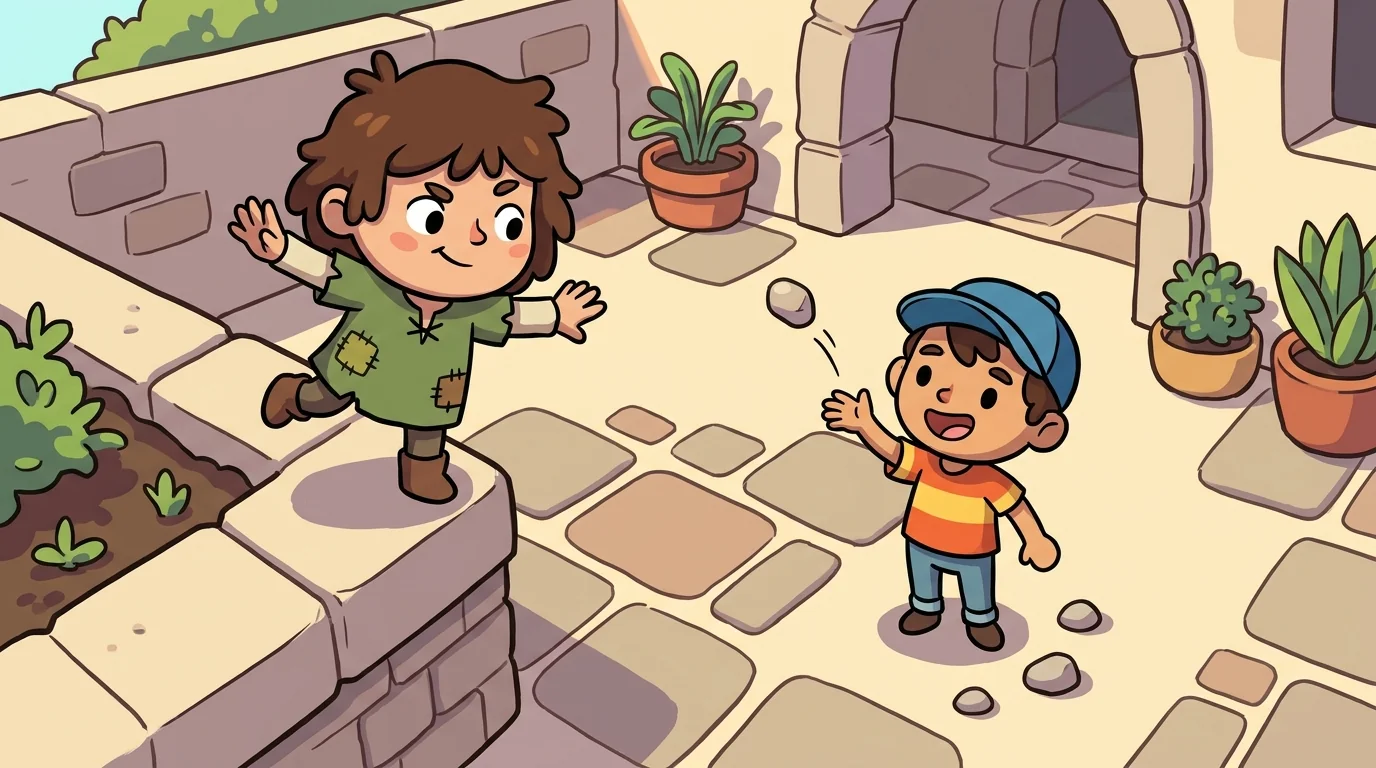
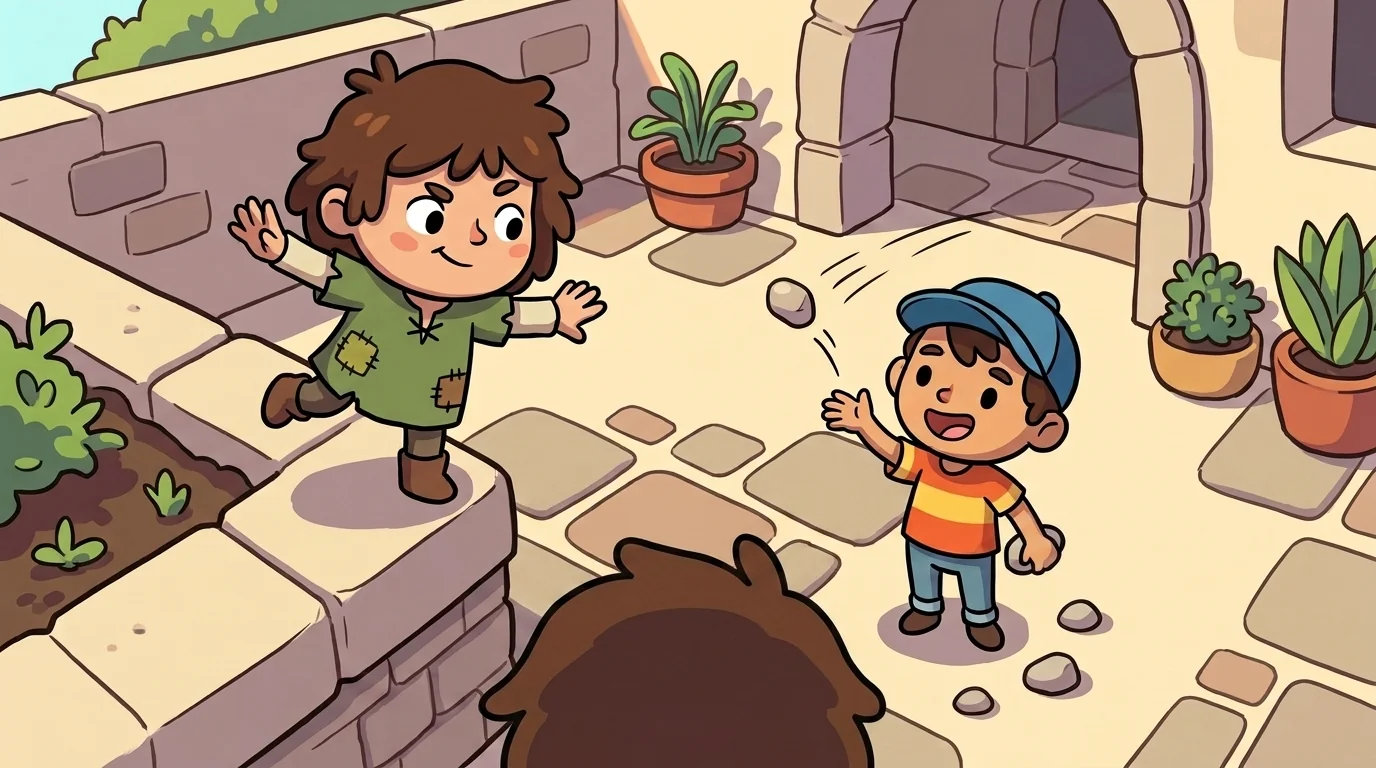
"You nailed my half," said Verge, balanced on the courtyard's edge. "The threshold. The crossing-in."
"And you left my half — the beat of what happens once she's through," said Thrice, tossing a stone. "Both of us. An adventure is the doorway and the rhythm inside it. Let us show you the whole shape."
Verge went first, because the crossing is where an adventure begins.
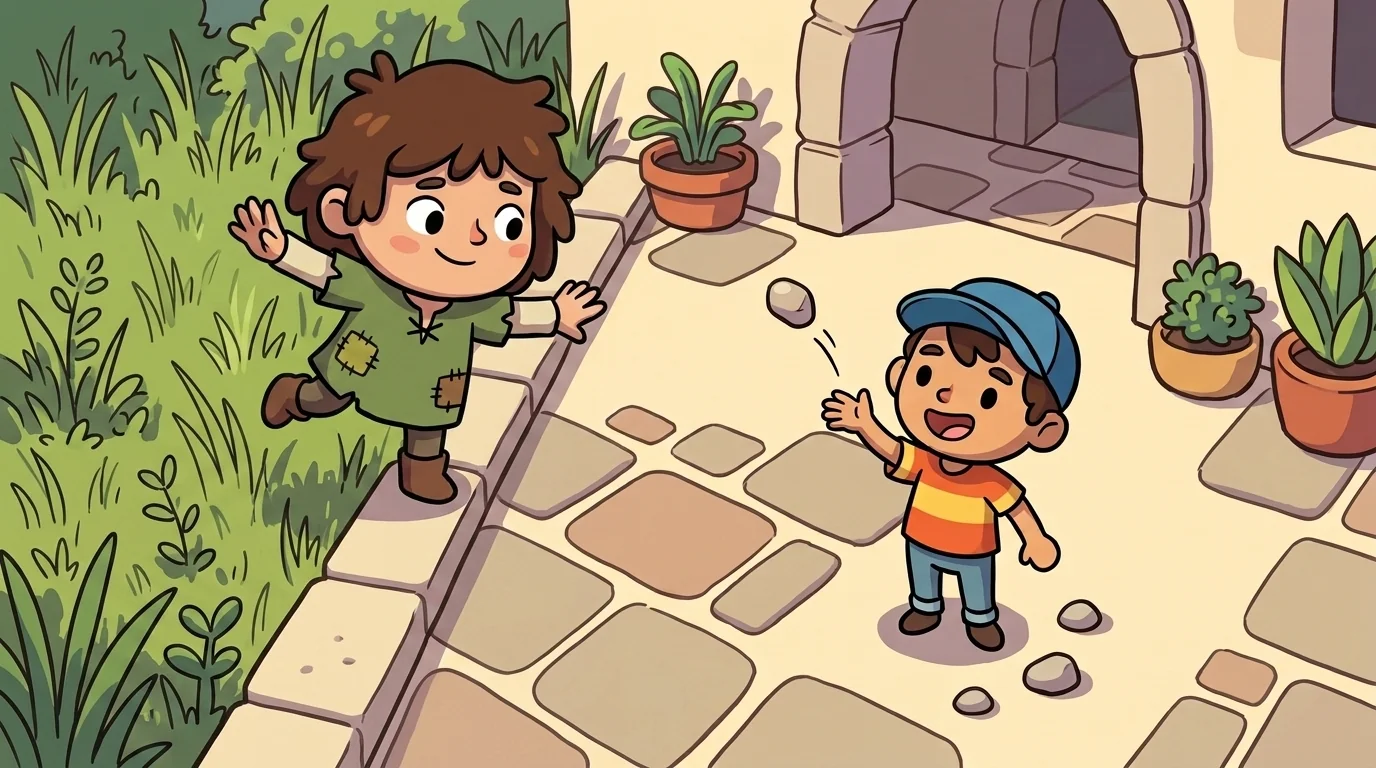
"Your opening is mine, and it's wonderful," Verge said, standing on the line between the swept stones and the wild grass. "The threshold — the moment your hero leaves the known world and steps into the strange one. The edge of the enchanted forest. She crosses, everything changes, and she can't come back quite the same. That's the truest kind of beginning there is." She rocked on her line. "The crossing does exactly its job: it launches the adventure. It says to the reader, the safe part is over; the strange part begins now." She looked at the student. "But here's the thing about a threshold — it's a doorway, not a journey. It gets your hero in. It doesn't tell her what to do once she's inside. The crossing is one glorious moment. And then there's a whole middle to fill — everything that happens after the door." She glanced at Thrice. "The crossing is the entrance. The shape of what happens inside — that's her half."
Thrice took over, tossing her three stones, because the trying is what fills the space beyond the door.
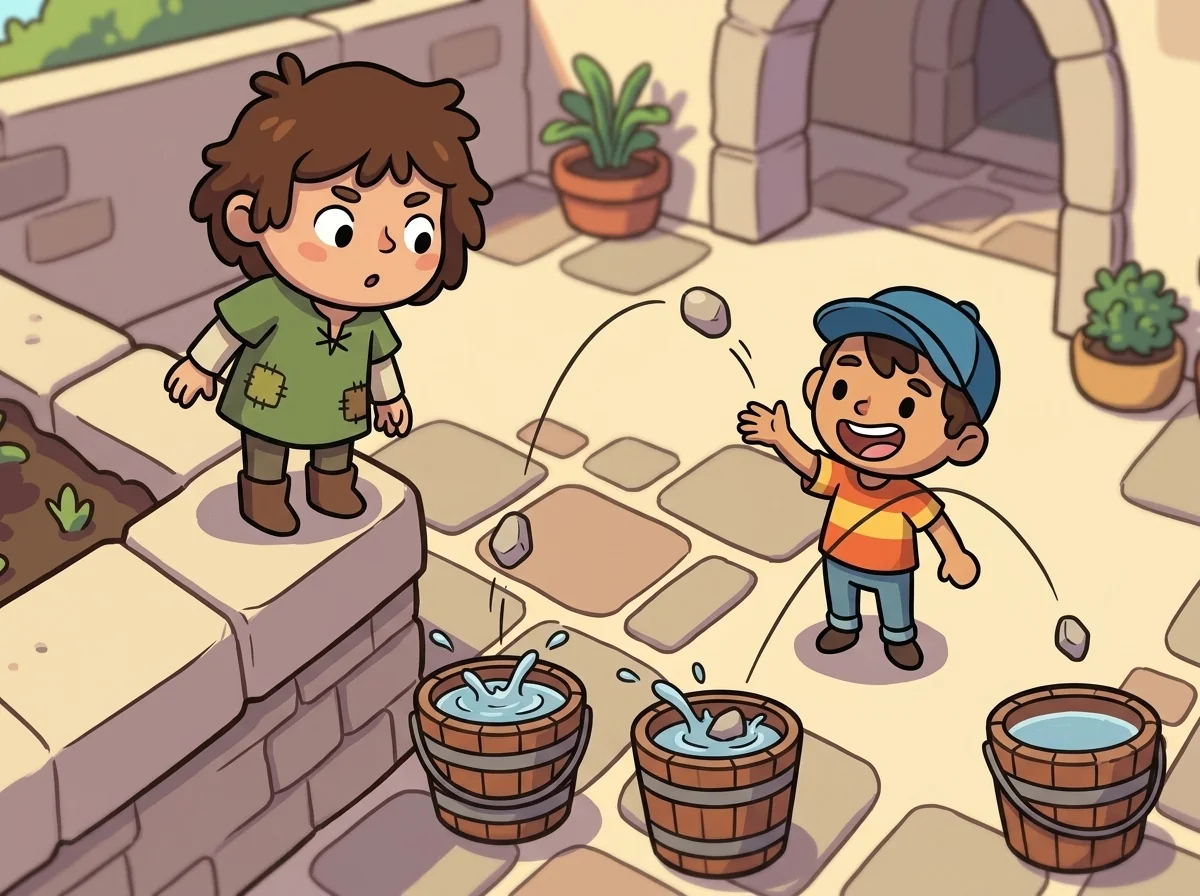
"Once your hero's crossed the threshold," Thrice said, "she's in the strange world — and now she needs a beat, or she just wanders, which is exactly your problem." She tossed the first stone into a bucket — plunk. "So give her a trial with a rhythm. She meets the challenge — the riddle, the guardian, the locked way — and tries the obvious thing. Fail." Second stone, same — plunk. "She tries again, a little harder, the same way. Fail again — and now the reader feels it: this won't work by force." She paused, grinned, and lobbed the third stone in a high arc — splash. "And the third time, she does something different. Not stronger — different. She stops fighting the forest and listens to it. She stops taking and gives. She sees the thing the first two tries blinded her to. And that's when she gets through." She looked at the student. "Two tries that fail the same way, and a changed third that wins. That's the beat of the inside. It fills your empty middle with rhythm — trying, failing, learning, and finally the different-third that pays it all off." She glanced at Verge. "But the beat needs somewhere to happen. My three tries mean nothing until your hero has crossed into the place where the trial waits."
And then, together, they showed the student the whole shape.
"So an adventure has two shapes, working together," said Verge. "My threshold carries her across — out of the known, into the trial. That's the entrance." She stood on her line.
"And my rhythm of three carries her through — try, try, changed-third-that-wins. That's the beat inside," said Thrice, holding up her stones. They stood on either side of the student's story.
"And separately," said Verge, "each is only half an adventure. My beautiful crossing —"
"— opens onto an empty middle with no rhythm, and the hero just wanders, exactly like yours," said Thrice.
"And your three tries —"
"— have nowhere to happen if the hero never crossed into the strange place where trials live," said Verge. "A rhythm needs a room. A room needs a door."
"But together," said Thrice, "the crossing and the three — she steps over the threshold into the enchanted forest, and then she meets its trial, fails twice the obvious way, and wins the third time by changing what she does — and now you've got the whole classic shape of an adventure. Entrance and beat. Doorway and rhythm." She tossed a stone. "Your opening was perfect. It just needed the beat to follow it through the door."
The student's face lit up. "So I don't rewrite the crossing. I fill the inside with a rhythm — let her try, fail, fail, and change on the third try. The doorway and the beat."
"Now you've got the whole shape," said Verge and Thrice together.
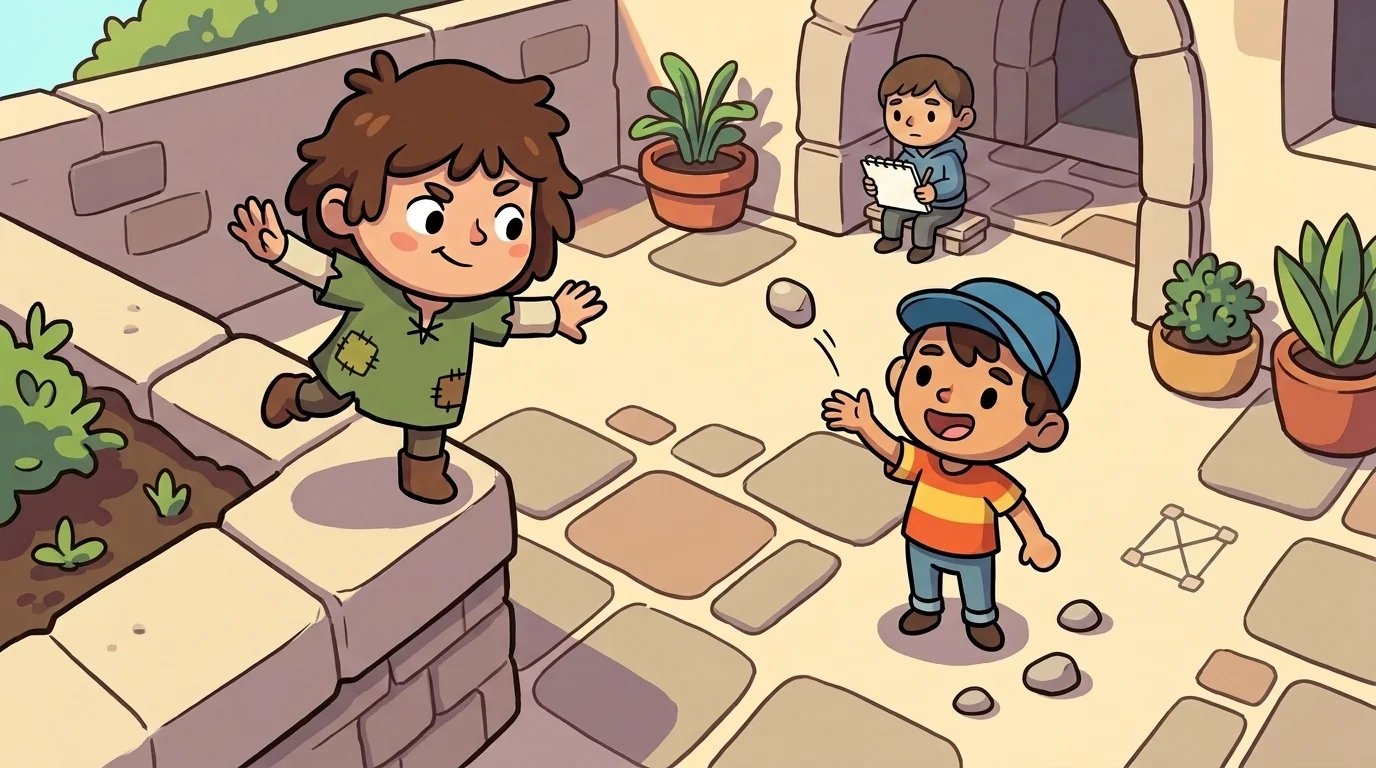
"It's kind of beautiful," the student said, "that an adventure has a shape like that. A door, and then a beat."
Verge and Thrice traded a look, warm now.
"It's the oldest shape there is," Verge said, rocking on her edge. "A hero leaves the known world — crosses the line, is changed by the crossing — and steps into a place where something is asked of her."
"And once she's there," Thrice said, tossing her stone, "she meets the ask the way heroes always have: not by winning at once, but by trying, failing, and becoming — until the changed third try carries her through." She caught the stone. "The crossing is where she leaves who she was. The three is how she becomes who she needs to be. That's not two separate tricks. It's the entrance and the journey of one whole adventure." She grinned. "Put them together, and your empty middle turns into the truest kind of story there is — the one where a hero steps over an edge, and is remade by what she tries on the other side."
The student looked from Verge on her line to Thrice with her three stones — the doorway and the beat — and saw, at last, the whole shape of the adventure she'd only half-built, and the two of them watched her middle fill with rhythm.
And Verge and Thrice felt it settle warm and shared between them — that clicked-together, the entrance and the beat are one shape gladness that comes when the crossing and the rhythm-of-trying reveal themselves as the two halves of an adventure. Verge loved the edge where everything changes. Thrice loved the third try where the hero changes. But what they loved most was this: showing a young writer that a great doorway needs a great beat to follow it — that a hero must both cross into the strange and become who the strange requires — and that between the threshold and the changed-third-try lies the oldest, truest shape a story of adventure can take.
The LoreQuest ensemble
Verge and Thrice is part of LoreQuest's distributed-narrative cast. Each character embodies a different curricular primitive; together they teach the full subject.
-
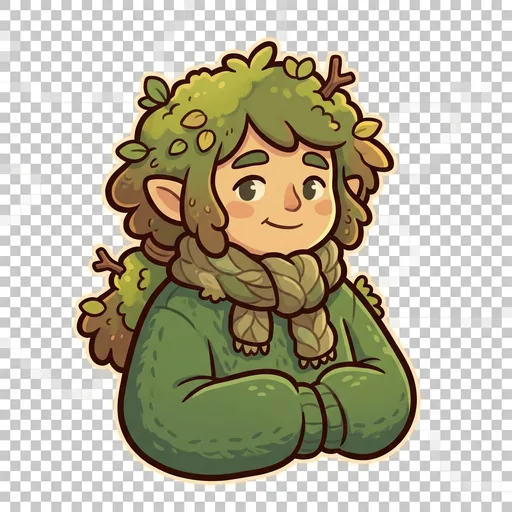
Mossy
Forest / nature-spirit archetype (the quiet local-landscape entity who appears across many traditions — wood-elves, dryads, kami of place, etc., abstractly)
-

Refrain
Repeating-tale / echo motif archetype (motif recurrence — same story-pattern appearing across cultures: flood myth, hero descent to underworld, twin gods, etc.)
-

Thread
Hero-journey / fate-spinner archetype (the spinning thread of destiny that recurs across heroic narratives — Moirai, Norns, Anansi-as-spider, etc., abstractly)
-
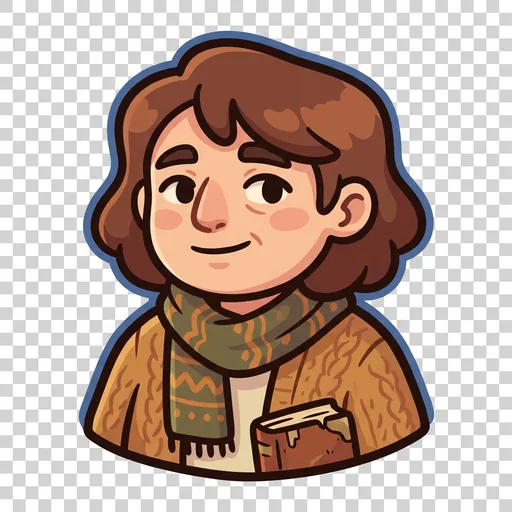
Ruse
Clever-fool / trickster archetype (the figure who breaks the rules and teaches a lesson by doing so — recurs across MANY traditions, but referenced **abstractly** here; the cast...
-
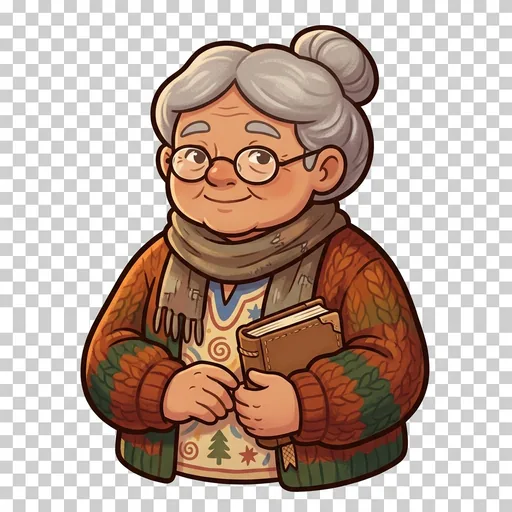
Hearth
Origin / family / hearth-storyteller archetype (the figure who carries oral tradition; the grandmother / elder who tells the stories — found in nearly every tradition's framing...
-

Barter
The bargain — the wish granted with a catch, and the price is the point
-

Behest
The forbidden thing — the one rule a story hangs on (do not open it)
-

Boon
The grateful gift — a small kindness freely given that returns
-

Thrice
The rule of three — two tries set the pattern, the third breaks it
-

Verge
The threshold — the door out of the known world into the strange one