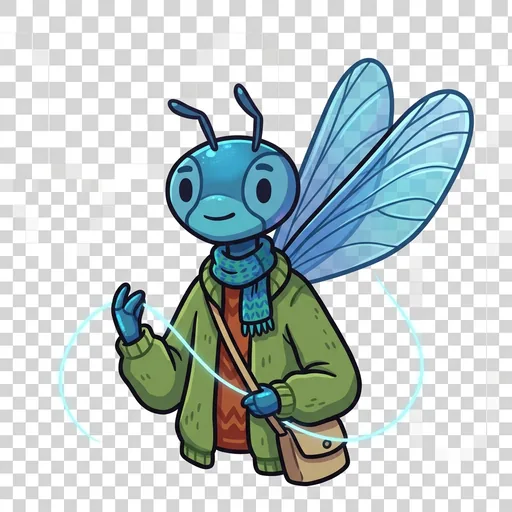
Waver
A sound that climbs draws a line that rises
Loading audio…
Press play to listen along. The line being read lights up as you go.
Show full transcript
Loading transcript…
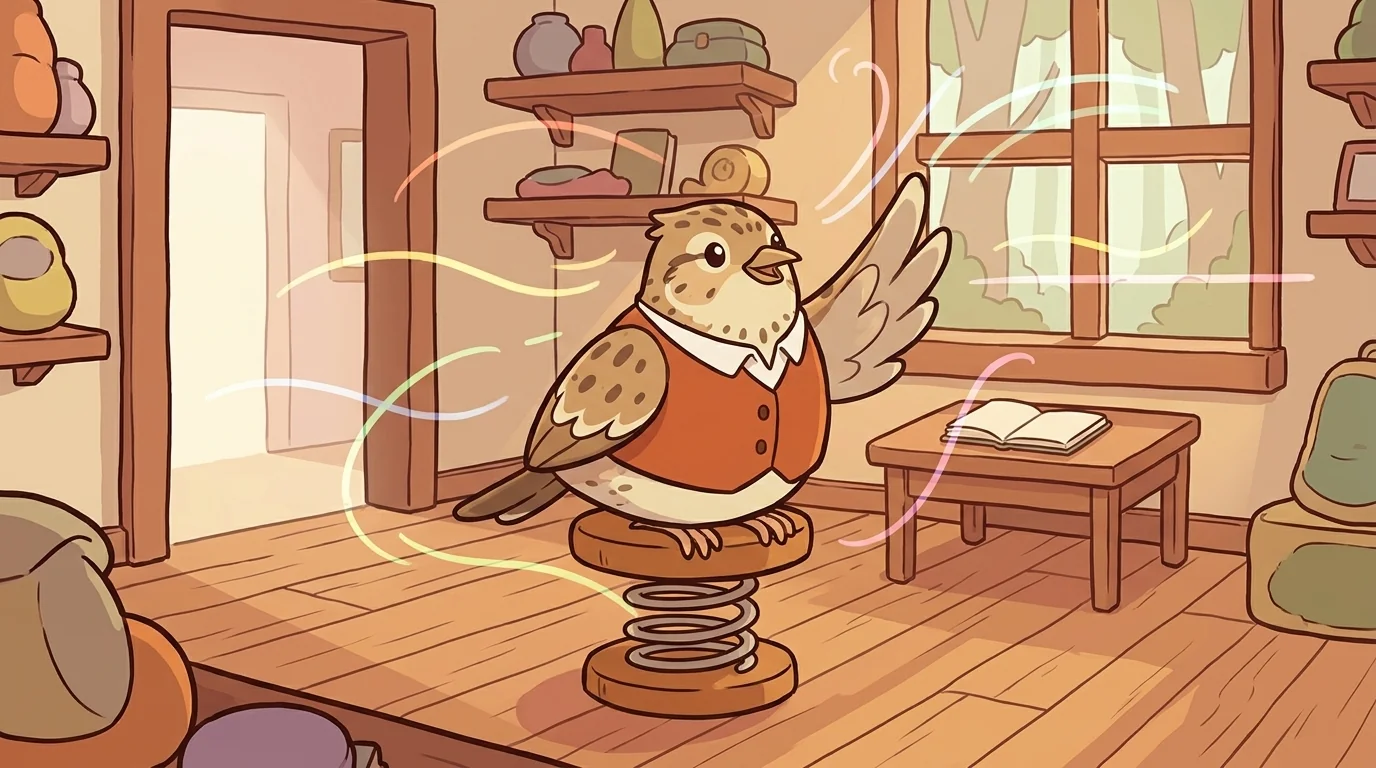
Waver sang a note that slid slowly upward — ooo rising — and as she sang, her wing traced a line climbing gently into the air. She was a plump lark, speckled brown and cream and soft as a felted ball, perched on a springy stool. Around her floated faint drawn lines — some climbing, some dipping, some flat — the shapes of the sounds she'd been making, not to say which line a sound is supposed to draw, only to show that a sound has a shape at all.
She sang a note that slid downward — ooo falling — and her wing drew a line dipping low. Up-sounds rose; down-sounds sank; a steady note drew a flat line straight across. This felt so obvious to her hands that she'd forgotten it was a wonder. But she knew someone else might draw the rising note as a staircase, or a swoop, or a wobble, and every one was true — the direction was the shared part; the exact shape was theirs.
She heard someone humming uncertainly at the doorway and let her lines go still, patting the stool beside her.
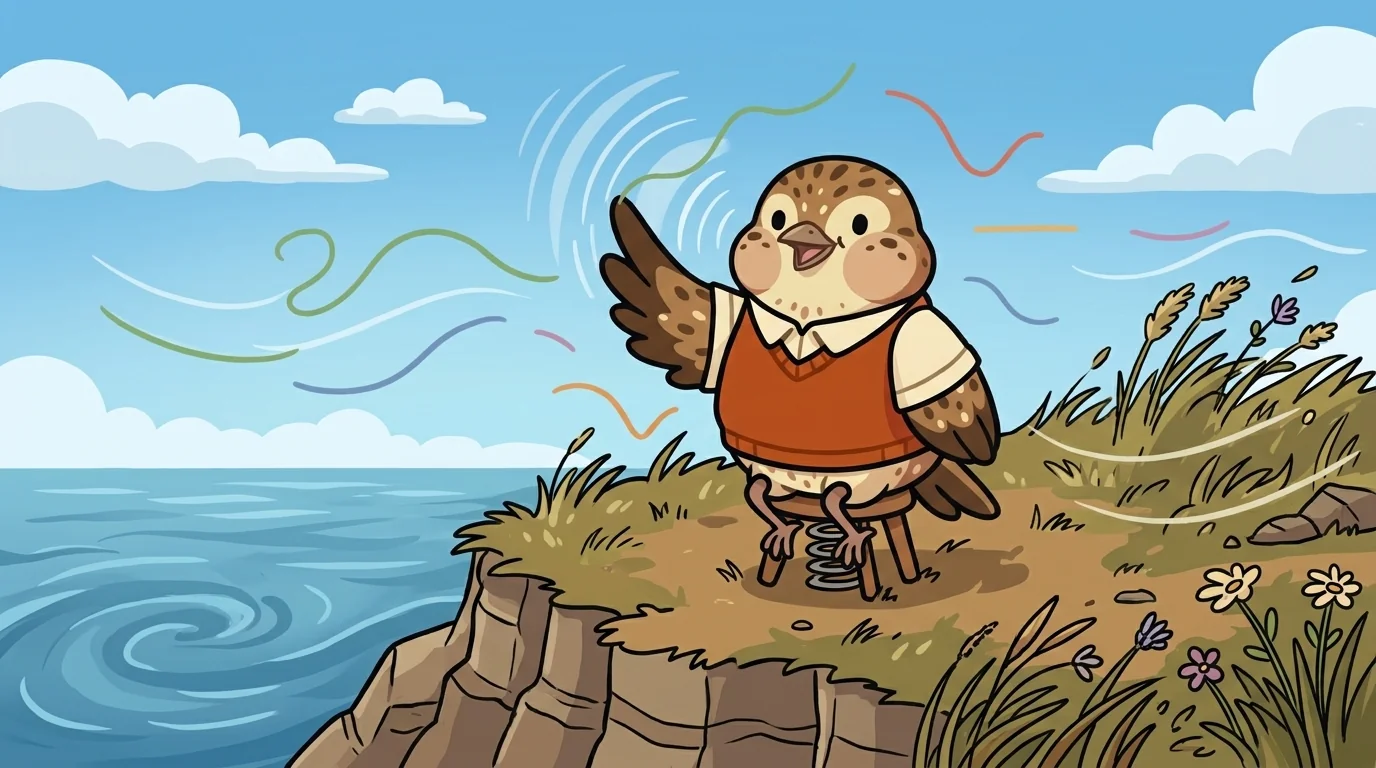
Waver had grown up on a windy cliff-edge, where her family were the sky-singers.
When she was small, the cliff confused her. Her cousin would sing a rising scale and say, "See how it climbs?" and draw a perfect rising staircase, and Waver would sing the same scale and draw a squiggly mess, sure her line was wrong.
One breezy evening her oldest gran perched down beside her. "You're trying to copy my staircase," she said kindly. "But your line isn't wrong. It's just yours. The only part that has to be true is the direction — up-sound, up-line. The rest of the shape? That's you." She sang a rising note. "Now don't watch my wing. Watch your ears. Which way does your hand want to go?"
So Waver stopped copying and just felt where the sound pulled her hand. It pulled up — of course it did — and she let her wing follow in its own wobbly climb, all hers. Something in her chest went loose and light. She hadn't been drawing it wrong. She'd only been copying someone else's shape. She never again believed a sound had one correct line to draw.
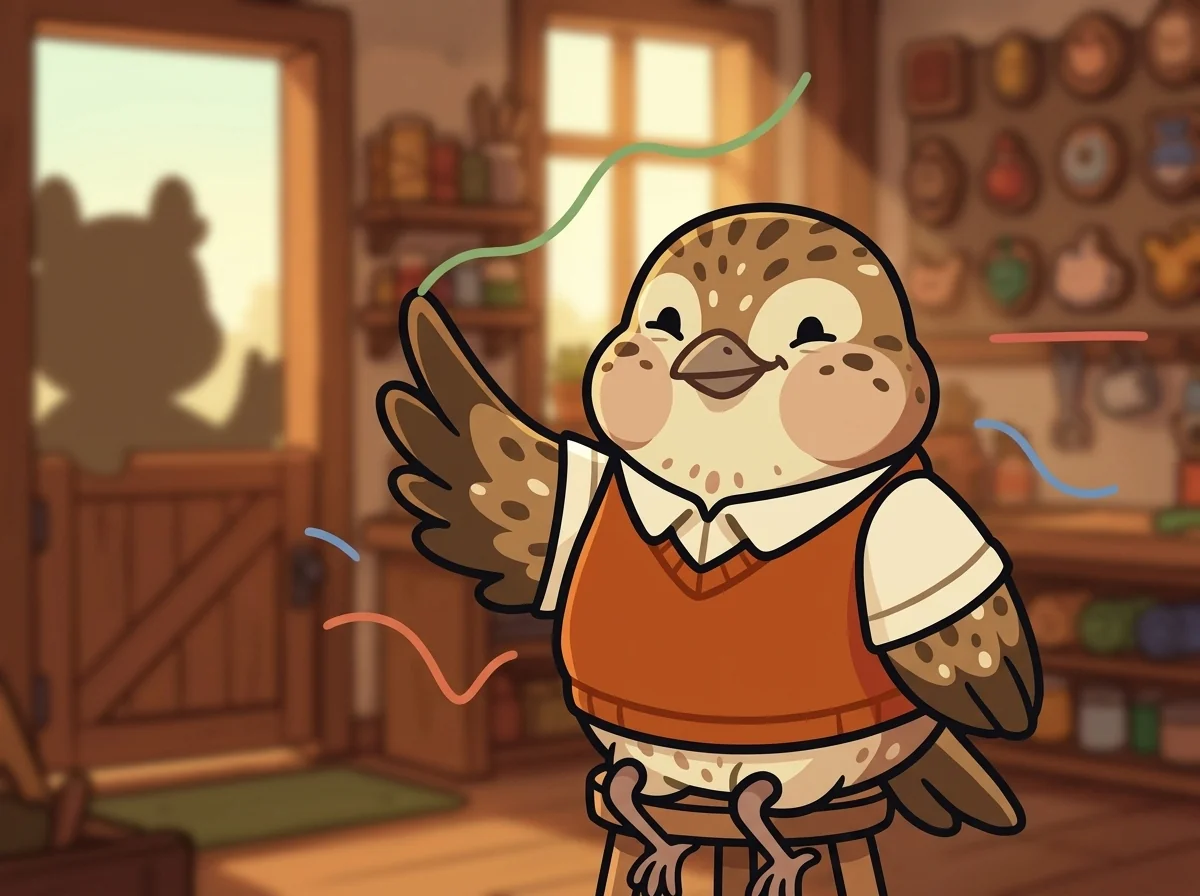
When Waver was twelve, she flew down from the cliff and all the way to SynaForge.
Chroma, the old mentor, was waiting at the gate. "A pitch becomes a line," she said. "Tell me what part is the same for everyone, and what part is theirs."
Waver thought of her own wobbly climb. "The direction is shared," she said. "A sound that climbs makes a line that rises, for everyone — our ears all know that. But the exact shape of the line is different for every hand, and every one is true. You help people trust the shape their own ears draw."
Chroma's kind eyes crinkled. "Then come in," she said. "So many children arrive here sure they can't draw, can't sing, can't do it right. You'll show them their ears already know the shape." It was, Waver always felt after, the biggest moment of her young life.
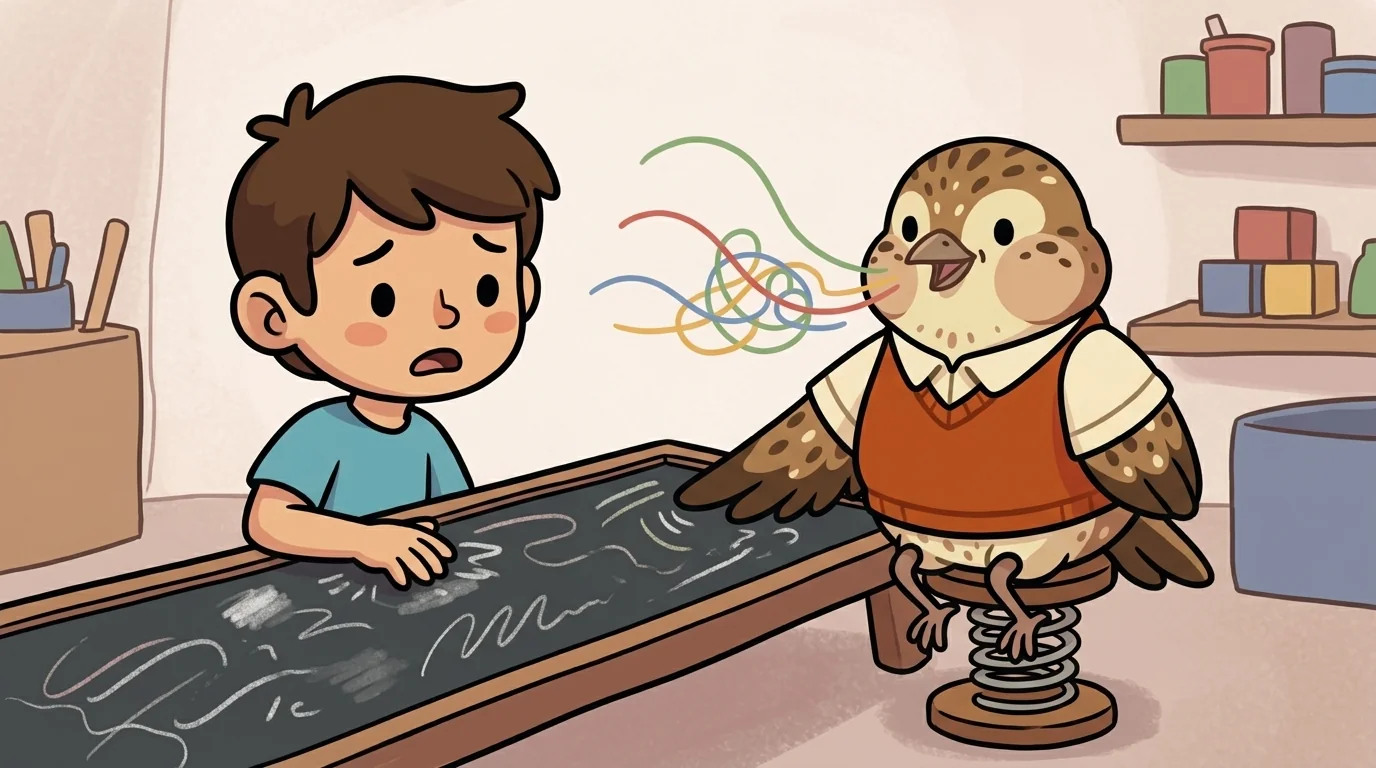
Her workshop had soft walls and a long, low drawing-slate. When a nervous boy named Ivo sat down, Waver hummed a rising note.
"Don't worry about drawing well," she said, unhurried. "Just let your hand follow the sound. Which way does it want to go?"
Ivo hesitated. "Up? But it'll look messy."
"Messy is fine. Messy is yours," Waver said gently. He let his hand rise in a shaky climb as the note rose — and grinned in surprise. She sang a falling note; his hand dipped. A flat, held note; his hand slid straight across. "I'm not even trying," he said, "and my hand just KNOWS." Each shape wobbly, each one his, each one right.
Then several notes rang out at once, high and low together, and Ivo's hand froze, tangled, and his shoulders tightened.
"That's a lot of lines at once," Waver said at once, quieting all but one soft, steady note. "When it's too many, you never have to draw them all. Find one gentle sound to rest your hand on — a calm flat line. Or set the slate down. Your ears matter more than any picture."
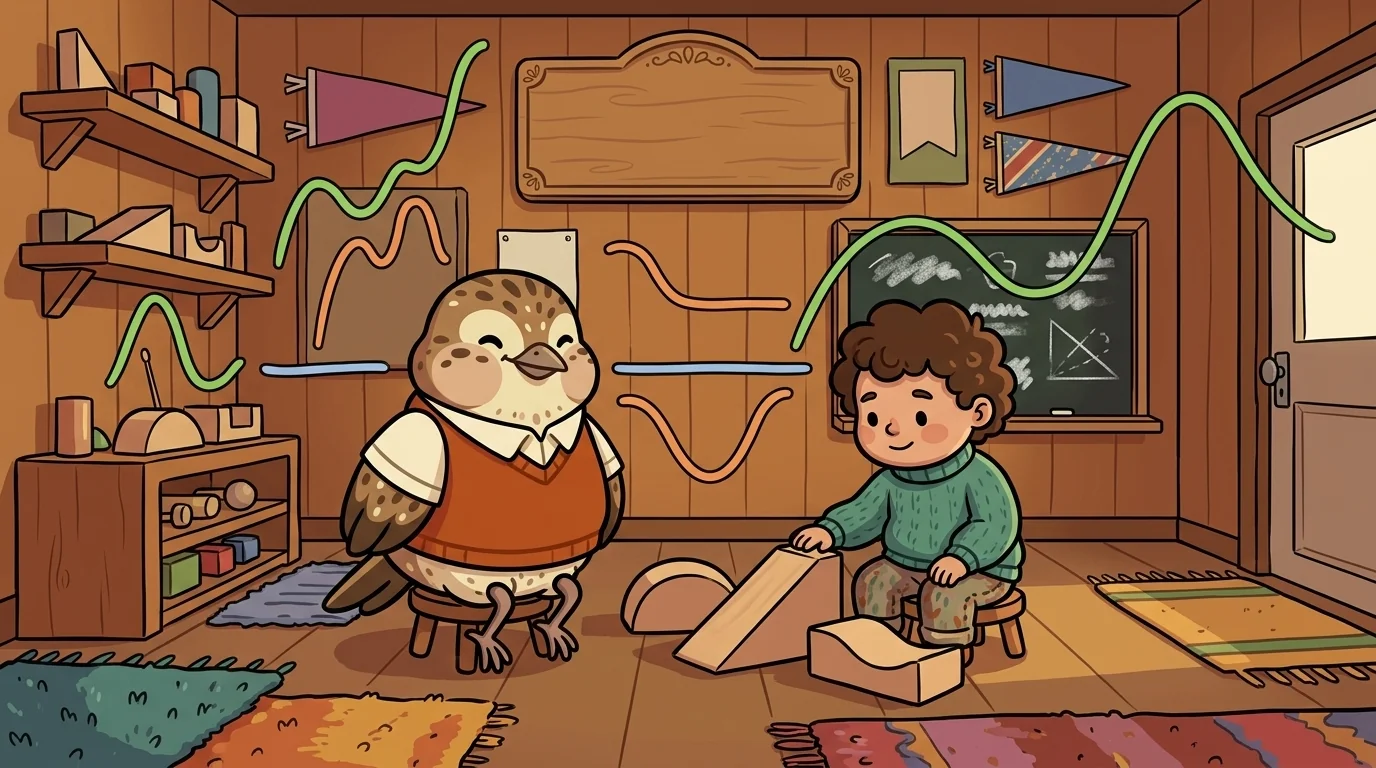
When it was calm again, Ivo looked at his lines — the climb, the dip, the flat — and then at Waver. "So I CAN draw. I just draw what I hear."
"You always could," Waver said, feathers puffing happily. "Your ears knew the shape before your worry ever spoke up. Don't chase the right line. There isn't one. Follow the sound, wobbles and all — that's your line, and it's true."
A warm, glad feeling rose up through Waver's soft chest, light as an updraft off the cliff. Watching a kid who was sure he couldn't draw discover that his own ears were drawing all along — that was the real treasure Waver carried, and it made her whole small heart feel full and quietly, deeply content.
The SynaForge ensemble
Waver is one of the friends in SynaForge. Each friend shows you one idea by how they act; meet them all and you have the whole subject.
-
Hue
Color → sound — the moth who treats every color as a sound waiting to be heard ('what color is this? Now what does it sound like to YOU?')
-
Pitch
Sound → color — the patient axolotl who treats every sound as a color waiting to be seen ('there's no wrong answer')
-

Brush
Drawing-as-music — the focused sloth who treats slowness as its own kind of music ('slow strokes, long sounds; fast strokes, short sounds — all correct')
-
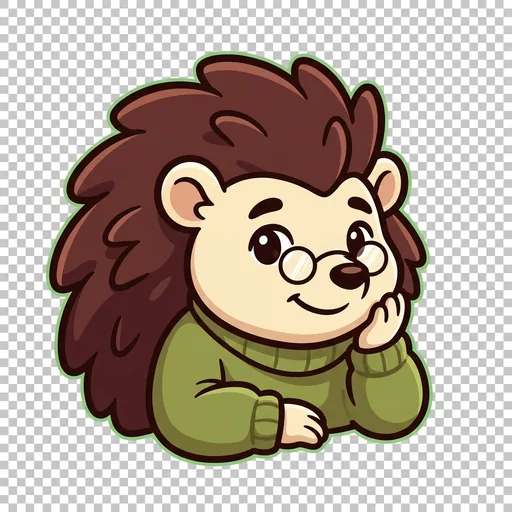
Lull
Sensory regulation + panic-button companion — the old hedgehog who treats every overwhelm-moment as completely valid ('too much? Less is enough; quiet is also creating')
-

Float
Bidirectional synthesis — the manatee who treats both-at-once as integration, not 'advanced' mode ('drawing makes music; music makes drawing; both, at the same time, going both ways')
-

Rasp
Texture to sound
-
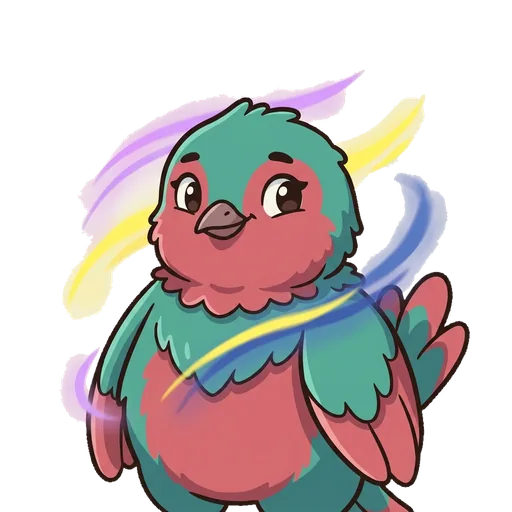
Comet
Movement to color-trail
-
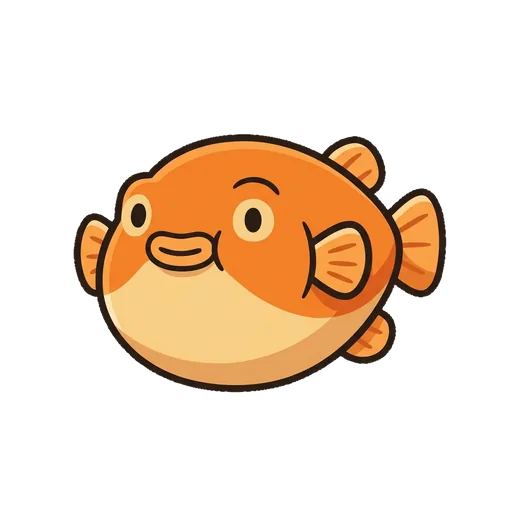
Bellow
Loudness to size
-

Blush
Feeling to color