Developmental (FEDC-informed)
SynaForge
A bidirectional creative tool where drawing produces music and music produces visual art -- simultaneously. Inspired by synesthesia, a neurological phenomenon reported at higher rates among autistic and other neurodivergent individuals, SynaForge lets children explore the hidden connections between what they see and what they hear through customizable cross-modal mappings and guided explorations.
▶ Play it nowBuilt for sittings of about 20 minutes on the screen. That is our design budget, not a measurement.
Meet your mentor
Every Spark & Anvil app has a friendly mentor character that demonstrates, asks, and patiently scaffolds learning. On-device AI personalizes the mentor's responses to your kid's progress — never connecting to a server, never collecting data.
Mentored by Chroma
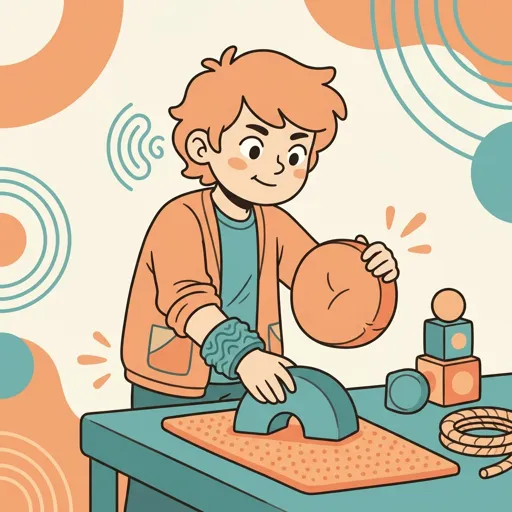
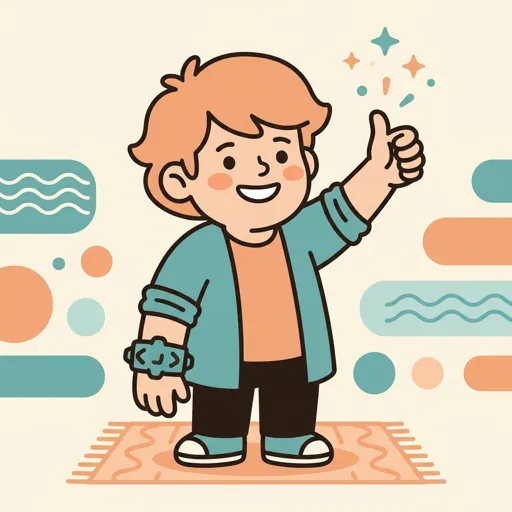
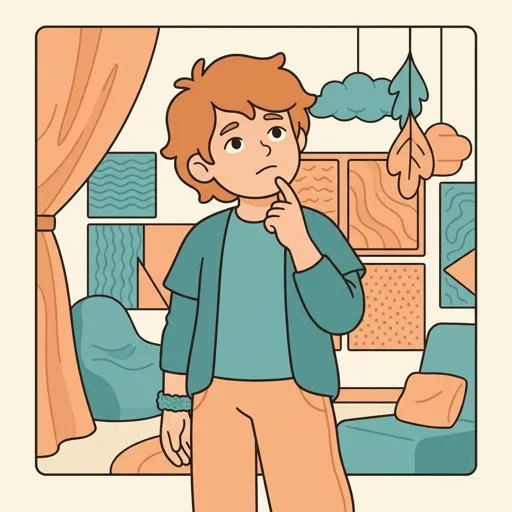
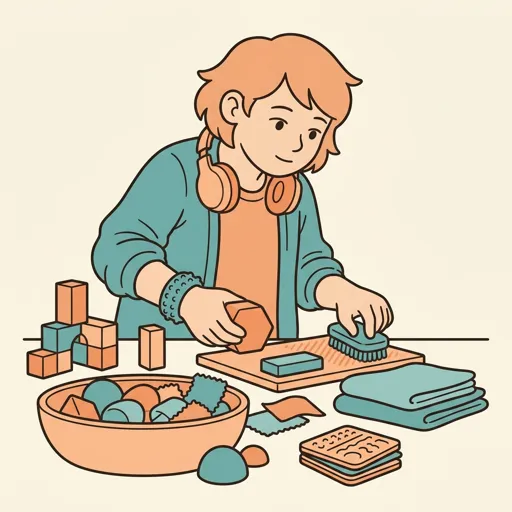
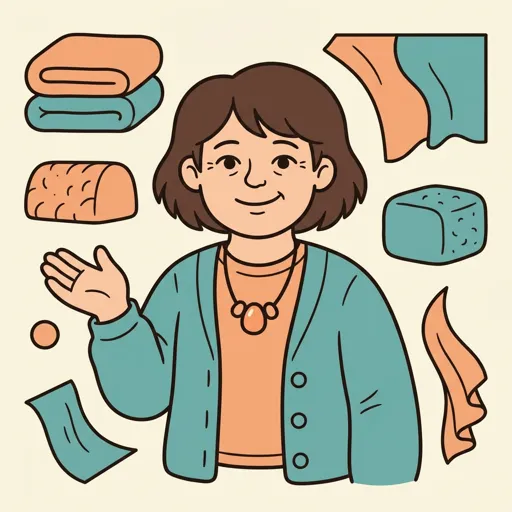
#81C784 SynaForge is a visual-music synesthesia creative tool for autistic and other neurodivergent children ages 9-14 where drawing produces music and music produces visual art simultaneously. Players explore the connection between color, shape, and sound through bidirectional cross-modal mappings they can customize at any time.
Characters who teach
Meet the cast
SynaForge's calm animal partners each explore one way to connect the senses. Hue hears colors as sounds, Pitch sees sounds as colors, Brush turns slow drawing into music, Lull offers a quiet break when things feel like too much, and Float does both directions at once. Rasp, Comet, Waver, Bellow, and Blush cover texture to sound, movement to color, pitch to height, loudness to size, and feelings to color. Chroma is the mentor, and there's no right way to perceive, no scores, and no leaderboards.
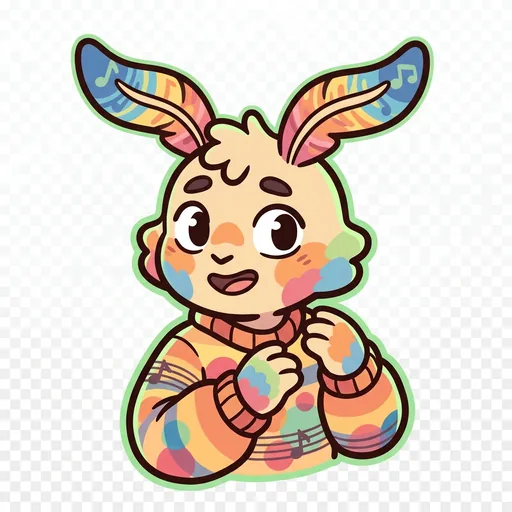
Hue
Color → sound — the moth who treats every color as a sound waiting to be heard ('what color is this? Now what does it sound like to YOU?')
Read chapter →
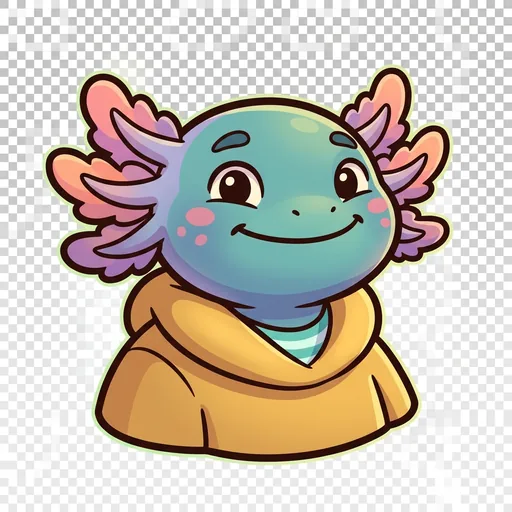
Pitch
Sound → color — the patient axolotl who treats every sound as a color waiting to be seen ('there's no wrong answer')
Read chapter →
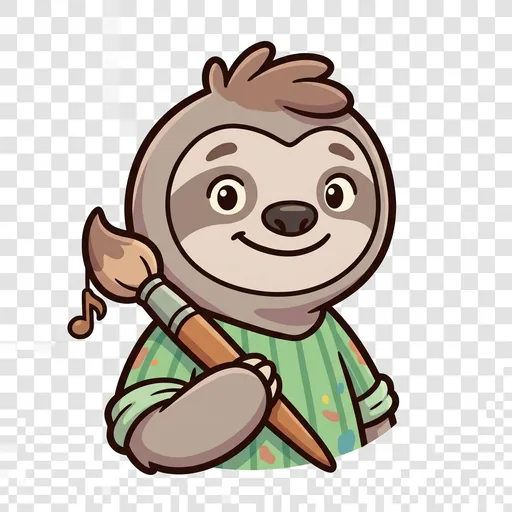
Brush
Drawing-as-music — the focused sloth who treats slowness as its own kind of music ('slow strokes, long sounds; fast strokes, short sounds — all correct')
Read chapter →
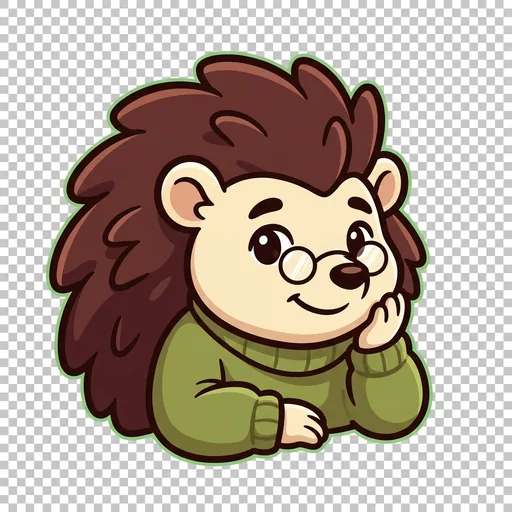
Lull
Sensory regulation + panic-button companion — the old hedgehog who treats every overwhelm-moment as completely valid ('too much? Less is enough; quiet is also creating')
Read chapter →
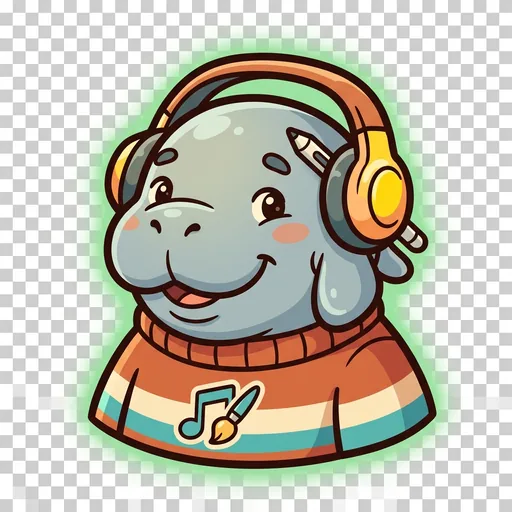
Float
Bidirectional synthesis — the manatee who treats both-at-once as integration, not 'advanced' mode ('drawing makes music; music makes drawing; both, at the same time, going both ways')
Read chapter →
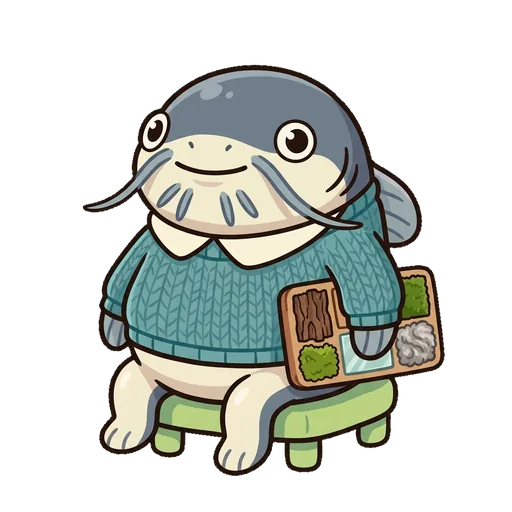
Rasp
Texture to sound
Read chapter →
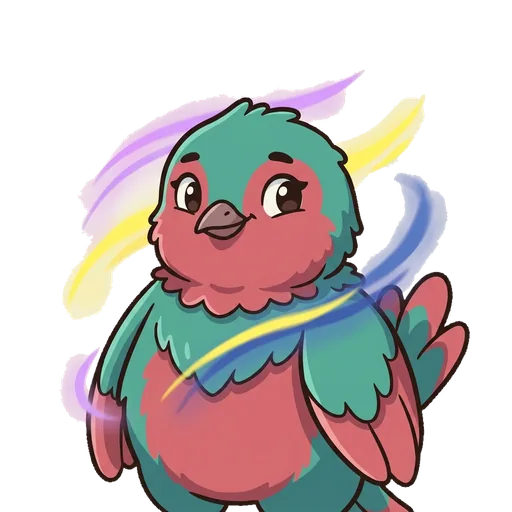
Comet
Movement to color-trail
Read chapter →
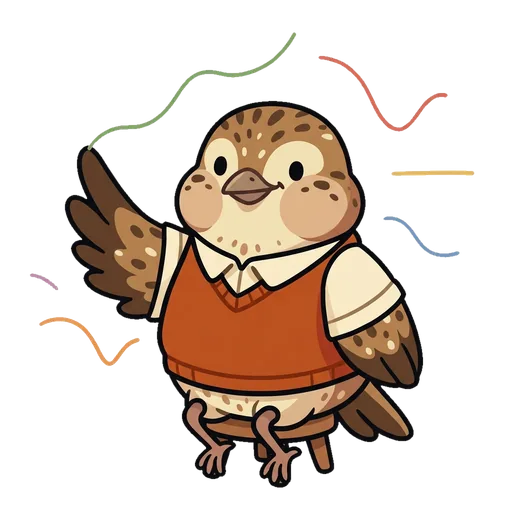
Waver
Pitch to line-height / up-down
Read chapter →
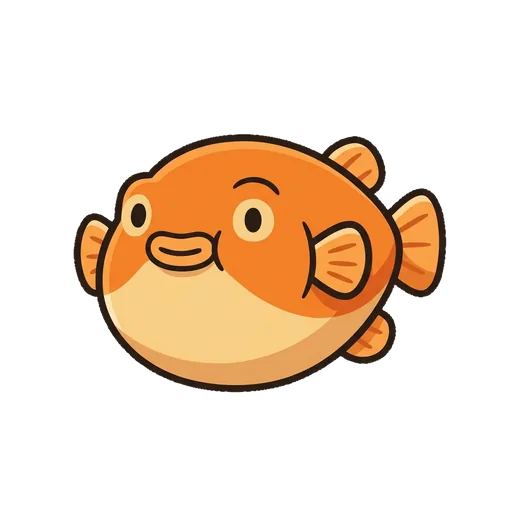
Bellow
Loudness to size
Read chapter →
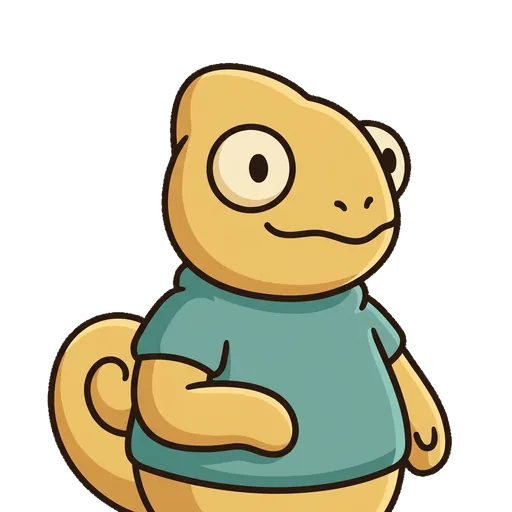
Blush
Feeling to color
Read chapter →
Browse all chapters → · What's distributed-narrative methodology? →
What's inside
How to Use
1. Choose a mode from the home screen: Draw to Hear, Hear to See, or Both at once
Mentored by Chroma — on-device AI, no data leaves the device.
How SynaForge handles your kid's data
- ✅ All progress, settings, and AI-generated content stays on the device
- ✅ No analytics, no tracking, no third-party SDKs
- ✅ Free — no ads, no in-app purchases
- ✅ No personal information collected from children — in line with COPPA (updated by the 2026 FTC amendments)
- ✅ No chat with strangers — play-together rooms use a short code and preset emotes, never typed messages
SynaForge runs on ForgeKit — the open-source Swift Package Manager framework that powers every Spark & Anvil app. ForgeKit ensures consistent accessibility, COPPA compliance, and design language across the portfolio, so your kid's progress and preferences feel coherent across every app they touch.
Coming to the App Store
SynaForge is in active development. Email us to hear when it ships — no marketing, no spam, just a one-shot launch announcement.
Email me at launch


