Cull and Vivid
CULL-AND-VIVID — the most convincing lies aren't lies at all: a few TRUE examples, hand-picked (Cull) and made dramatic (Vivid), so the rare few feel like the whole. see through both, and the trick dissolves.
Loading audio…
Press play to listen along. The line being read lights up as you go.
Show full transcript
Loading transcript…
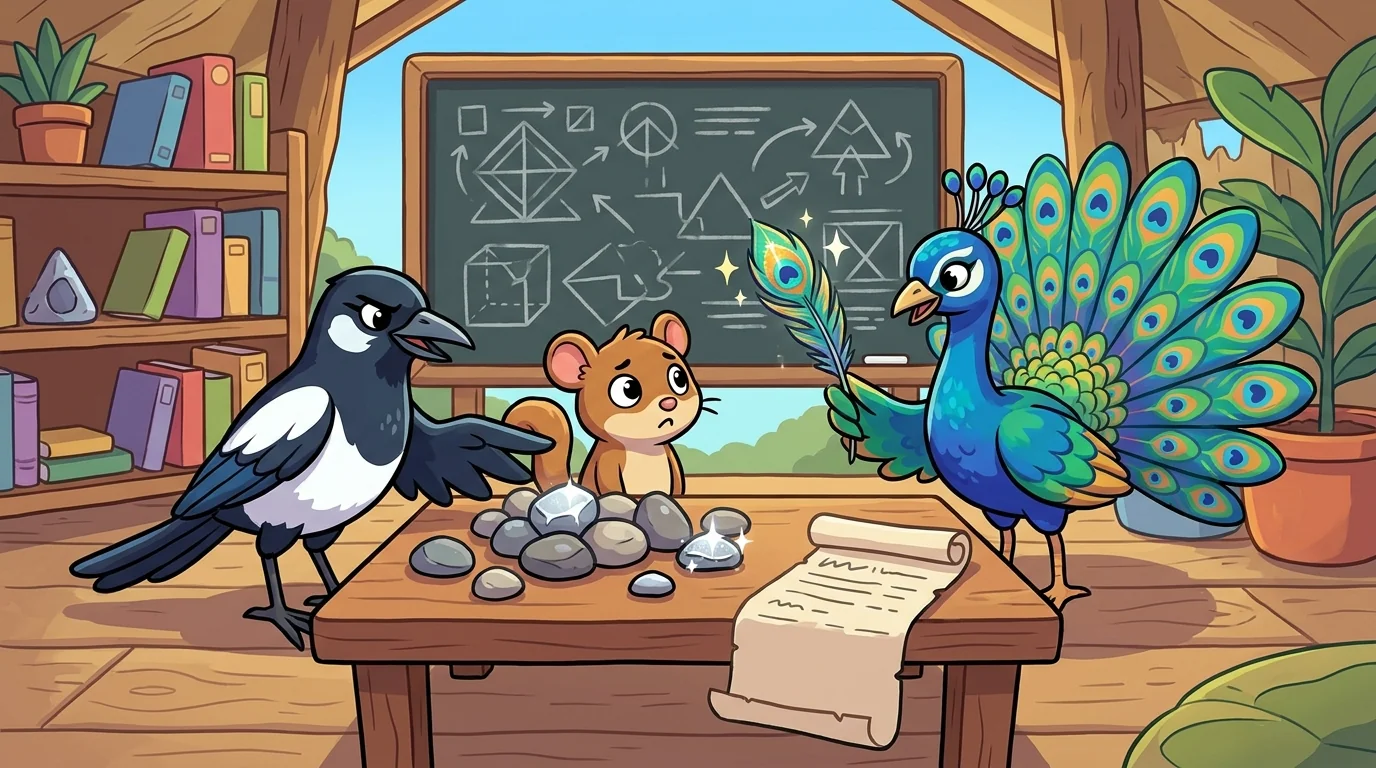
Cull the magpie and Vivid the peacock stood together over a worrying flyer, and a young dormouse named Pip couldn't tell why the hider-of-the-rest and the maker-of-drama always took apart the same scary claims side by side.
"Because the most convincing scary claims use TWO tricks at once," Cull said, sleek and sharp-eyed. "First, someone HIDES all the examples that don't fit — shows you only the few that do. That's me." Vivid fanned a shimmering feather. "And second, they make those chosen few as DRAMATIC as possible, so they grip your heart and feel like the whole truth. That's me." Cull spread a pile of stones, mostly grey with a few silver; Vivid made the silver ones gleam. "Alone, either trick is weak. Together—" they said, "—a few true examples, hand-picked and dramatized, feel like the whole picture. See through both, and the trick dissolves."
Pip frowned. "But if the examples are TRUE, how is it a trick?"
"That's what makes it so sneaky," Vivid said. "Nobody lies. The examples are real. The trick is which few they SHOW you (Cull's half) and how DRAMATIC they make them feel (my half)."
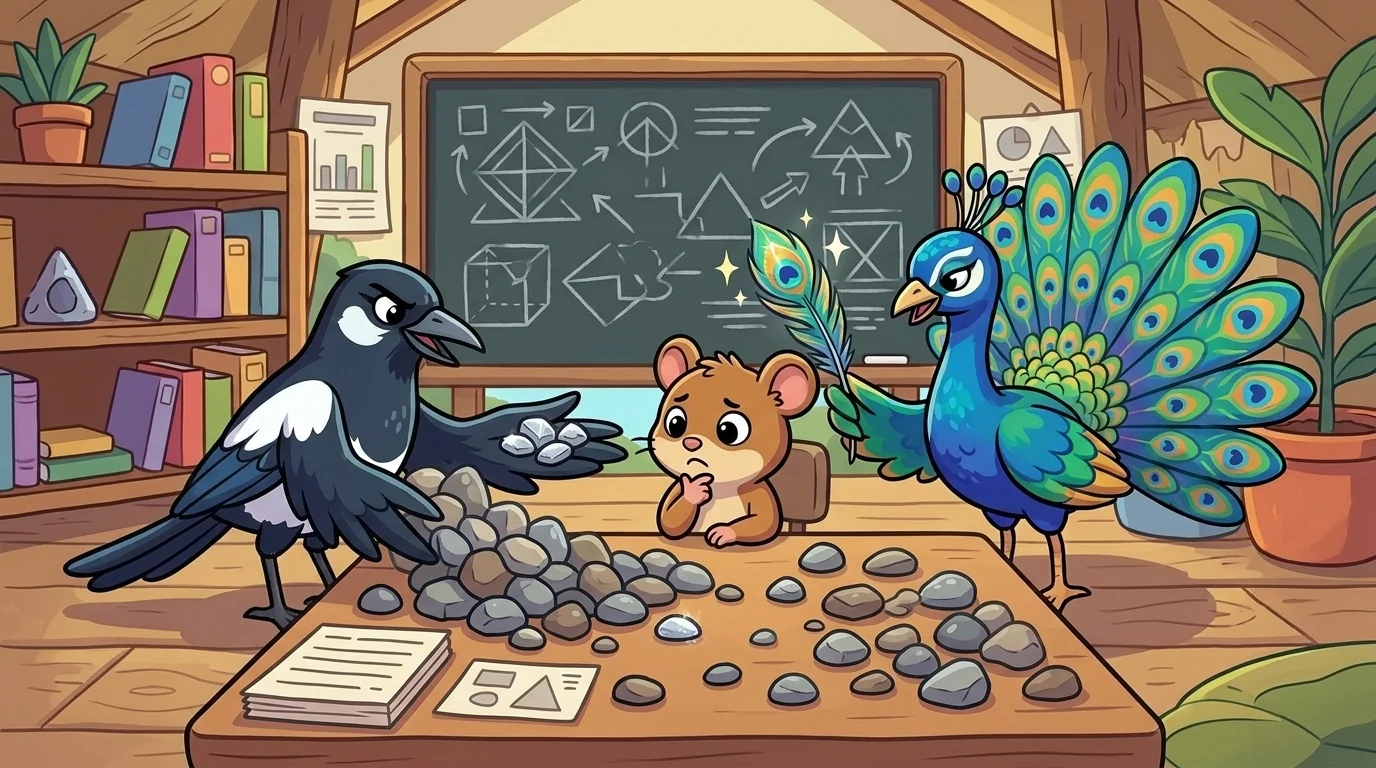
Cull went first, to show the hiding.
She poured out a big pile of stones — dozens of grey and brown, only a few silver — then scooped up ONLY the silver and held them out. "See? Silver stones! The river is full of silver!" Then she revealed the rest. "But I hid all these grey ones. I CULLED the few that fit my story." She looked at Pip. "So the first question is always: what got LEFT OUT? Is this all of them, or just the chosen few?" Pip nodded, seeing the hidden grey pile. "But notice," Cull said, "hiding the rest only gets you halfway. If I just held up five plain silver stones and mumbled 'the river's silver,' you might shrug. The FEW I chose aren't scary or gripping on their own." She glanced at Vivid. "To really fool you, someone has to make the chosen few POUND in your heart. That's his half."
Pip considered. "So YOUR trick picks the few... but doesn't make them stick."
"Only the hiding," Cull agreed. "Half the trick. The gripping half is his."
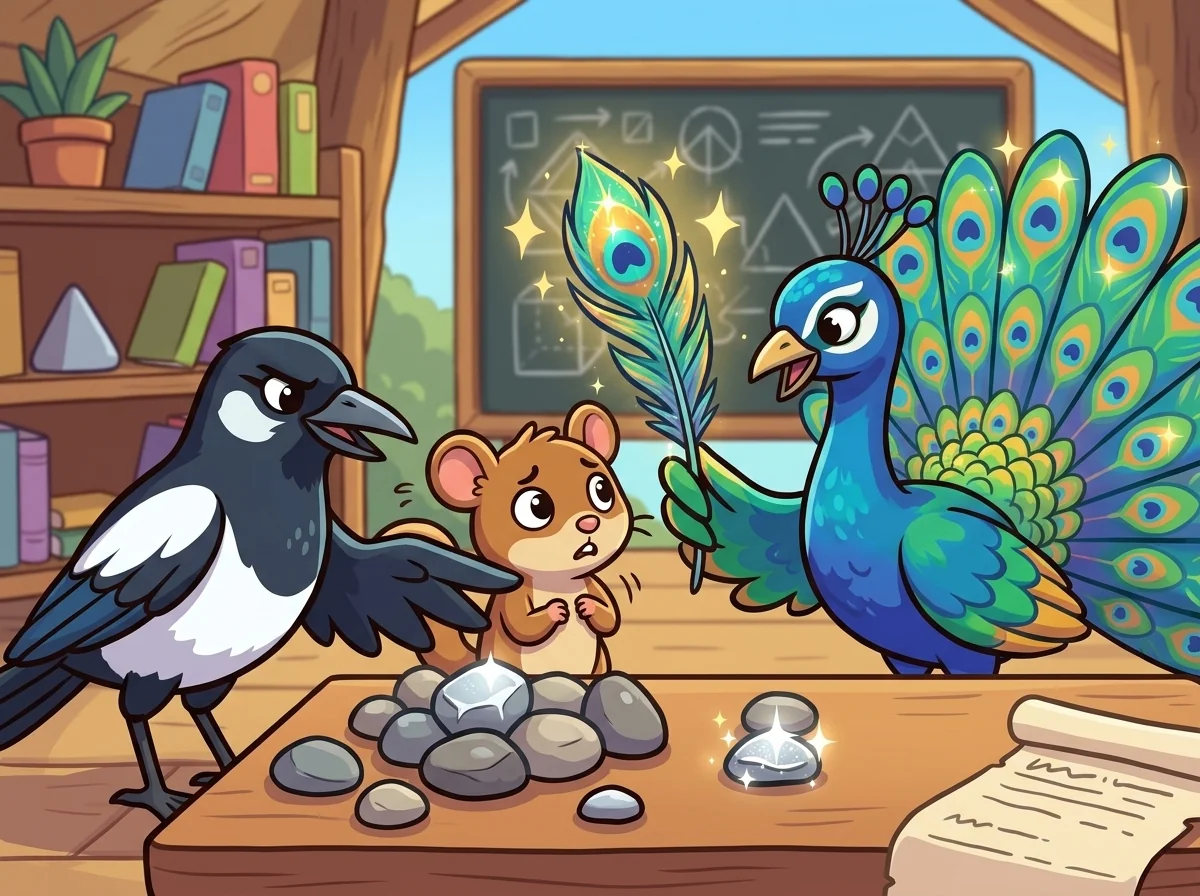
Then Vivid took over, to show the drama.
He took a single true event and told it thrillingly: "One mouse crossed the meadow and a HAWK chased her, talons out, wind screaming, a hair from doom the whole way!" Pip was trembling by the end. "See how it GRIPS you?" Vivid said. "One dramatic story feels truer than a hundred quiet safe crossings — because drama sticks and the ordinary fades." He fanned his tail. "So the second question is: is this ONE dramatic story, or the whole quiet picture?" Then he folded his feathers. "But notice — MY drama needs something to dramatize. If ALL the crossings were shown — the hundreds of safe, boring ones AND the one chase — my scary tale would just look like the rare exception it is. My drama only fools you if someone first HIDES all the quiet safe ones." He looked at Cull. "For the hiding, I need her."
Pip looked from the magpie to the peacock. "So HIS trick makes the few dramatic... but only works if yours already hid the rest. And YOUR trick hides the rest... but only fools people if his makes the few dramatic."
"Two hands of one trick," Vivid said. "Neither works alone."
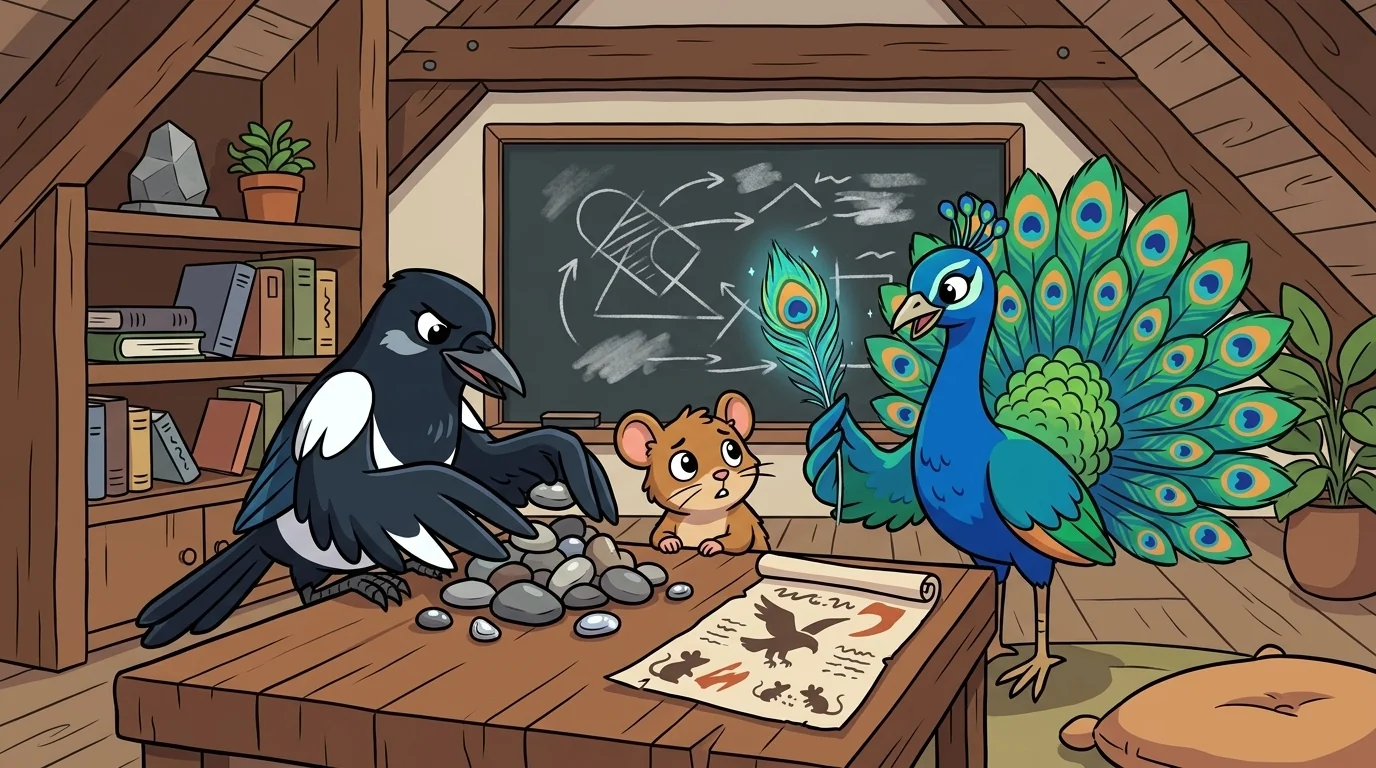
Then Cull and Vivid built the full trick TOGETHER — and then took it apart — and Pip finally saw how it worked, and how to beat it.
They showed Pip a flyer: "THE MEADOW IS A DEATH-TRAP!" with three thrilling, vivid stories of hawk-chases and near-misses. Cull's half: only three stories shown, all the safe crossings hidden. Vivid's half: those three made as dramatic and heart-pounding as possible. Together, the flyer felt overwhelmingly true — the meadow seemed like certain doom. Pip's heart raced.
"Now watch us take it apart," Cull said, "with two questions." She asked hers: "What got LEFT OUT? How many crossings does this flyer NOT show?" — and they found hundreds of safe, quiet crossings the flyer hid. Vivid asked his: "Are these three ONE-off dramas, or the pattern?" — and held the three chases next to the hundreds of safe trips, where they shrank to rare exceptions. And the terrifying flyer collapsed into what it really was: three true-but-rare dramas, hand-picked and dramatized, hiding a mostly-safe meadow.
"OH," Pip breathed. "It felt so true because it hid the rest AND made the few scary — and asking BOTH questions makes it fall apart!"
"That's it," Cull said. Alone, her question ("what got left out?") caught the hiding but not the drama. Alone, Vivid's question ("one story or the picture?") caught the drama but not the hiding. But together — ask what's hidden AND whether the vivid few are the pattern — the two questions dissolve even the most convincing, all-true scary claim. "I show you what they hid," Cull said. "And I shrink the drama back to its real size," Vivid said. "Both questions," they said together, "and a claim built to grip you loosens its grip."
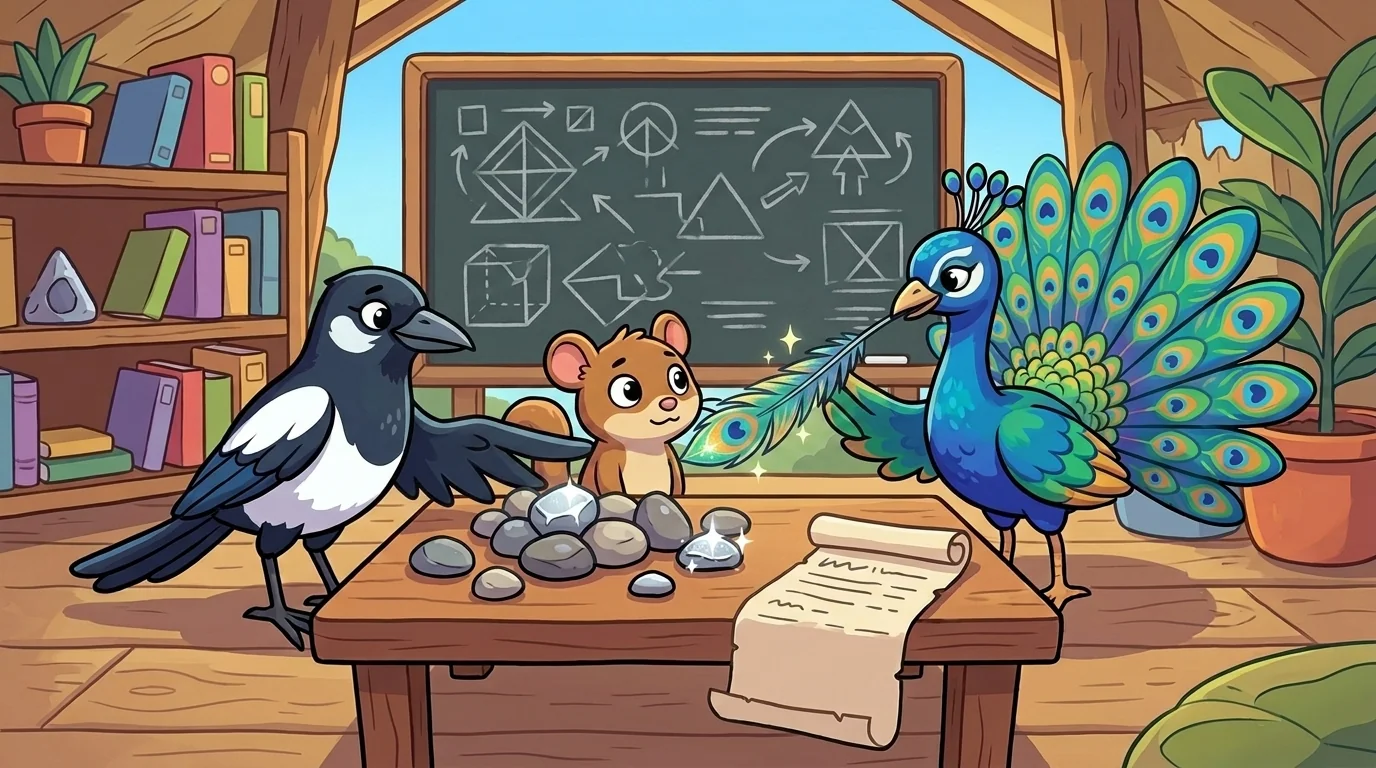
Cull and Vivid let Pip sit with the collapsed flyer, then turned the lesson toward him.
"You'll meet this everywhere," Vivid said, "any time something scary or amazing grips you with a few dramatic examples." Cull nodded. "The examples will usually be TRUE — that's the sneaky part. So don't ask 'are these fake?' Ask the two questions instead."
"I always get swept up," Pip admitted. "A few vivid scary examples, and I panic, and I feel silly afterward for believing something so overblown."
"You're not silly," Cull said gently. "You were shown a trick built by two hands to fool exactly that way." She set a wing on one of Pip's shoulders, and Vivid rested a soft bright feather on the other. "What got left out?" Cull said. "And is this the whole picture?" Vivid said. "Ask both," they said together, "and the scariest hand-picked, dramatized claim shrinks to its real size."
Pip drew a slow breath, holding both questions, and the swept-up, silly-afterward feeling eased into a calm, clear-eyed steadiness — the warm gladness of a young thinker who's learned that the most convincing scary claims are usually true examples, hidden-and-dramatized, and that two calm questions are enough to see them whole.
The TruthQuest ensemble
Cull and Vivid is part of TruthQuest's distributed-narrative cast. Each character embodies a different curricular primitive; together they teach the full subject.
-

Claim
Claim-identification — what EXACTLY is being asserted? distinguish claim from opinion from feeling from prediction
-

Weigh
Credibility-evaluation — who's in a position to KNOW? what stake? calibration not verdict (shared design language with DebateForge Weigh)
-

Trace
Evidence-traceback — where does this claim ORIGINATE? what's the chain? open four tabs; follow it back
-

Update
Belief-revision — being WRONG is how knowledge MOVES; visibly carry old-guess and new-guess as data (shared design language with DebateForge Yield)
-

Wonder
Epistemic-humility — 'I don't know yet' is the START of knowing; trust calibrated to evidence; counter-cynicism
-
Prove
Falsifiability — what would change my mind? a belief you could NEVER be proven wrong about isn't strong, it's just stuck
-

Vivid
Anecdote vs. data — one dramatic story feels truer than a hundred quiet ones; ask: is this ONE story, or the whole picture?
-

Norm
Base rates — before you panic at a scary number, ask how OFTEN it usually happens; most 'shocking' things turn out normal
-

Yardstick
Context — 'a lot' and 'a little' mean nothing on their own; always ask: compared to WHAT?
-
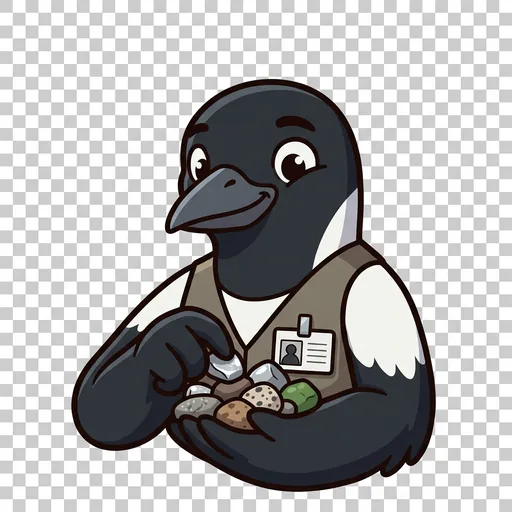
Cull
Cherry-picking / representativeness — anyone can find a few examples for anything; the real question is what got LEFT OUT?