
Before you start
Most popular
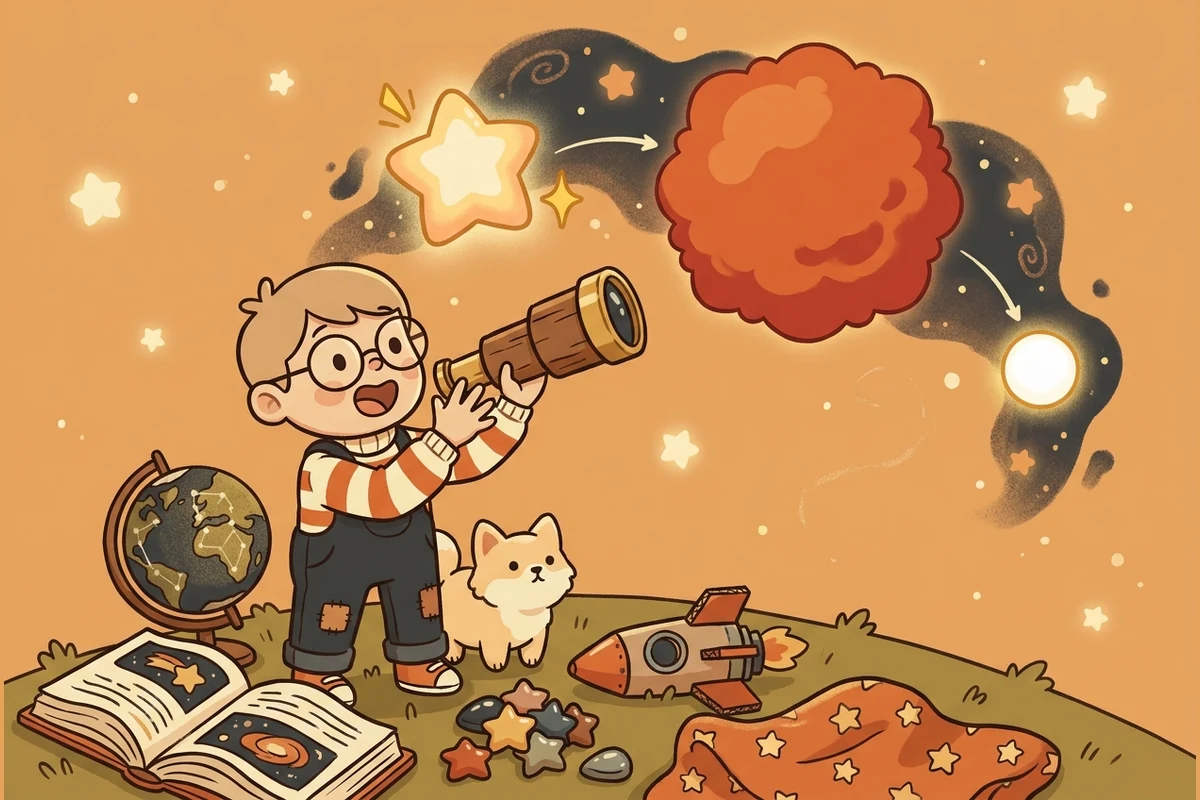 Stellar Evolution Step through a star's ten life stages, then race to put the lifecycle in order.
 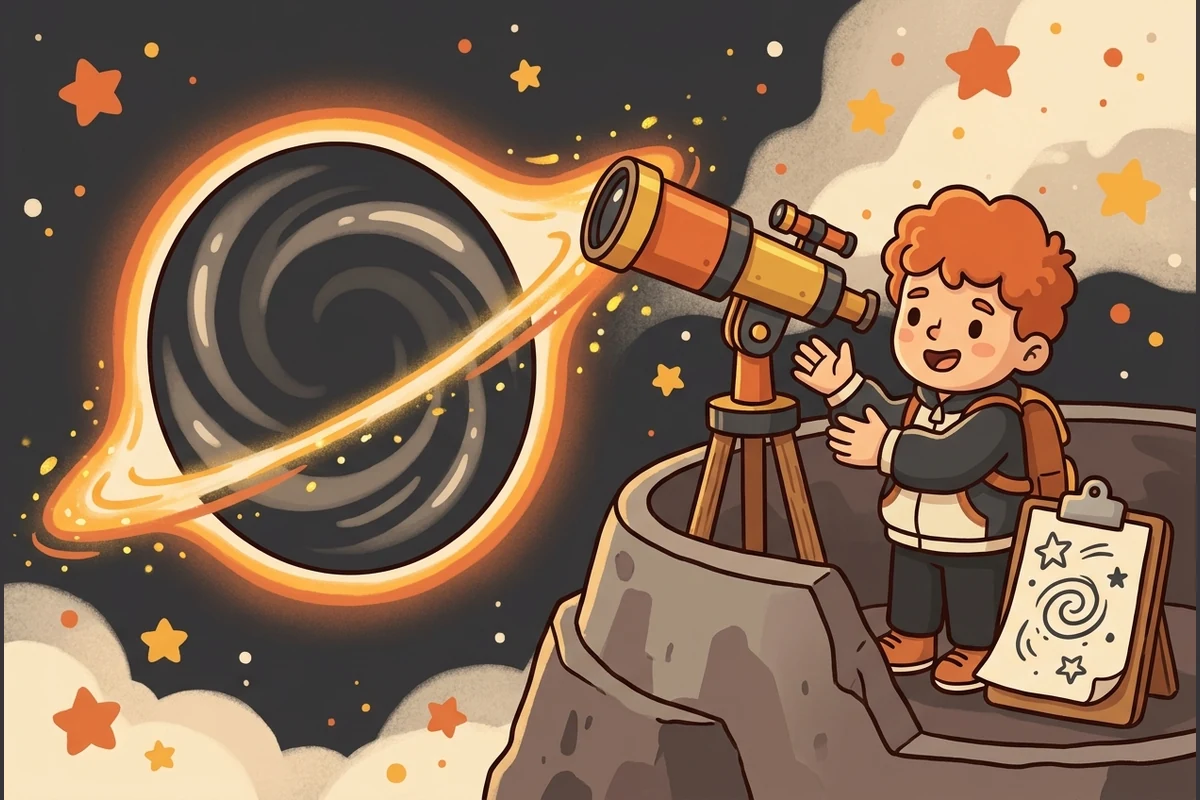 Black Hole Explorer Drag the mass, grow the event horizon, and feel gravity stretch time.
 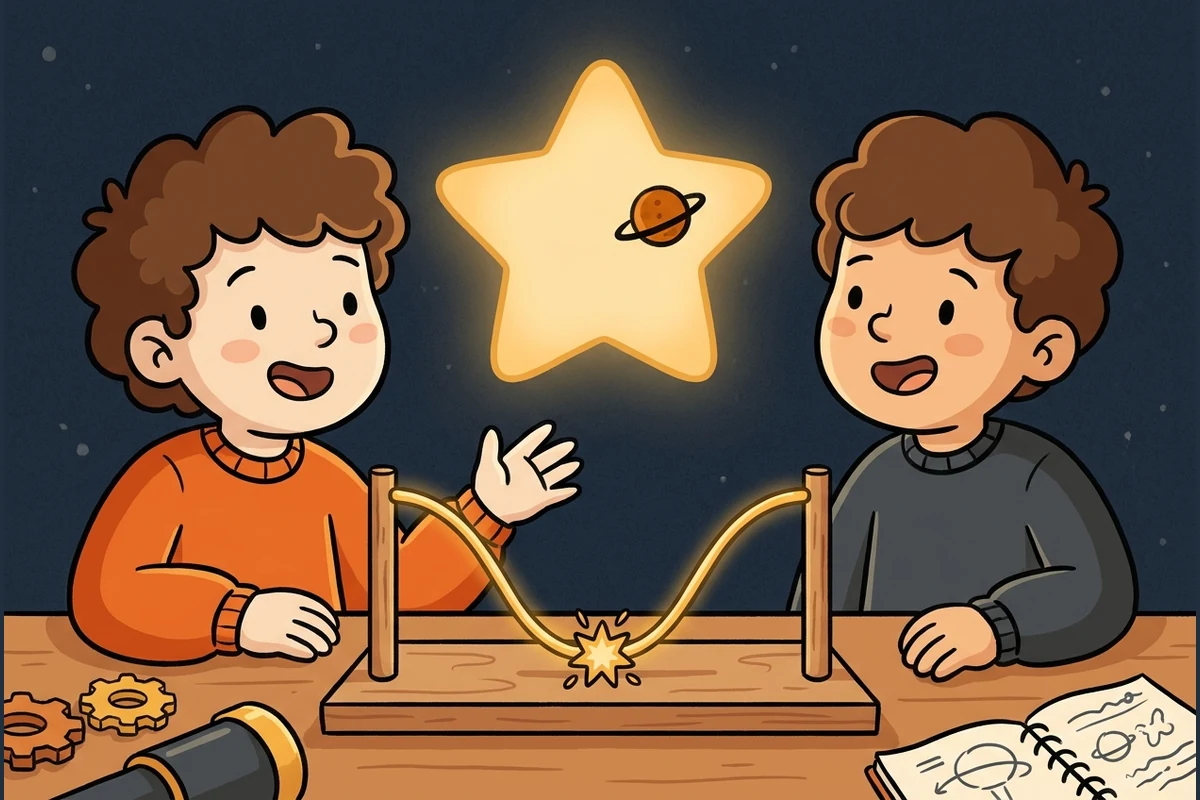 Exoplanet Transit Lab Find planets the way Kepler does — a transit dips the starlight. Predict, then reveal.
 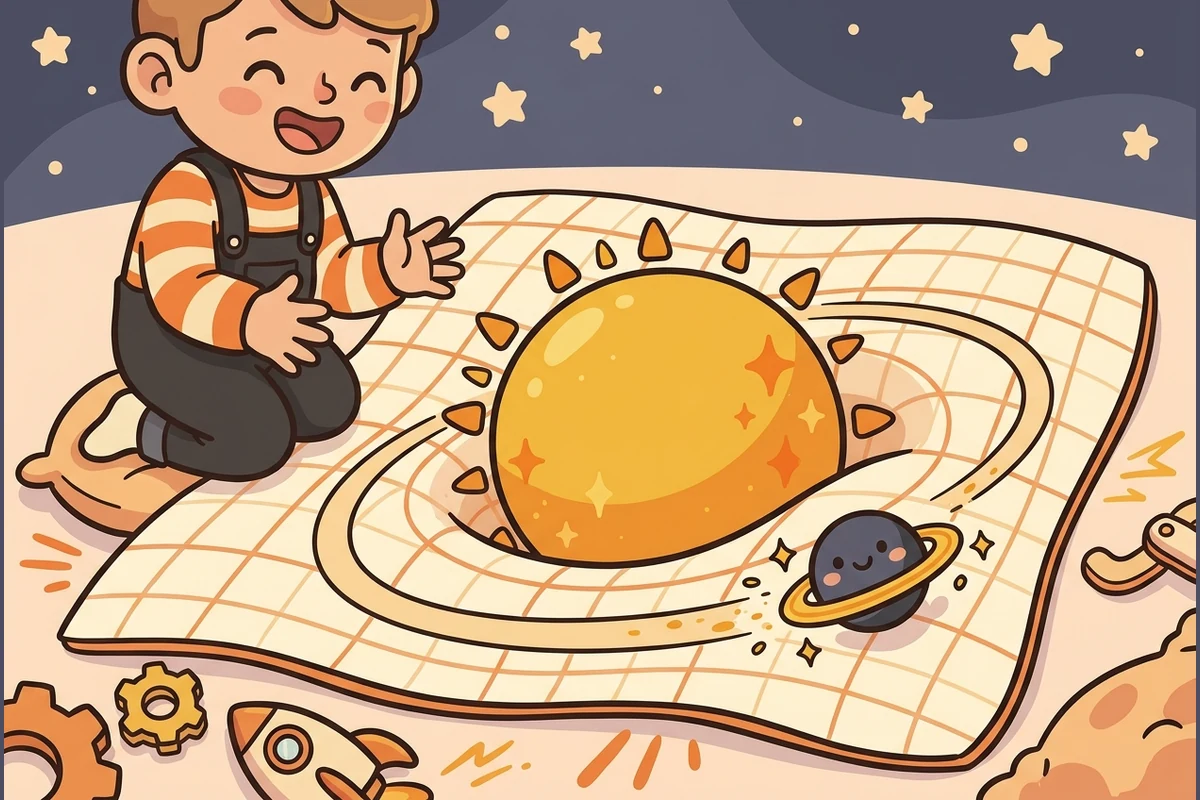 Gravity Lab How much would you weigh on the Moon or Jupiter? Predict — weight = mass × gravity.
 All activities
Explore the cosmos
Gravity Lab How much would you weigh on the Moon, Mars, Jupiter, or Saturn? Predict first — weight = mass × gravity, and your mass never changes. Starlight Decoder Read a star's spectrum the way astronomers do — each element leaves a fixed pattern, and light stretched toward red means it is racing away. Exoplanet Transit Lab Find planets around other stars the way Kepler and TESS do — a transit dips the light. Predict which star has a planet and how big. Name That Constellation See a real star pattern, connect the dots to trace the figure, then name it — the Big Dipper, Orion, Cygnus, the Southern Cross and more. Stellar Evolution Step through a star's ten life stages, then race the clock to order the lifecycle and see how a star's fate branches on its mass. Black Hole Explorer Drag the mass and watch the event horizon grow. Move an observer inward and feel gravity stretch time — with the physics behind Sagittarius A*. Cosmic Distance Ladder How do we know how far away anything is? Climb the four techniques — geometry next door to redshift at the edge of the observable universe.
Practice & play
Mixed Practice A short round across the kits you have played — brought back to make it stick. CosmosForge Sprint Race your OWN best on what you already know. Timer optional, no penalty for a miss. Trick Questions Brain-teasers with a twist — spot why the obvious answer is a trap. Teach the Cast Teach an astronomy idea to a cast member still learning it — teaching makes it stick. Cosmos Duel 2–4 players take turns on one device — same questions, highest first-try score wins. Cosmic Voyage A progression voyage through every kit — clear each stop of real practice, then travel on. Progress Your levels, streak, and how each skill area is coming along — saved on this device. Progress report For grown-ups — a private on-device snapshot mapped to the skill areas. Export a CSV or print.
Concept Kits — 16 kits from the solar system out to cosmology
Kit 1: Our Solar System Solar System · grades 4-5 · 25 questions Kit 2: Stars & Constellations Stars · grades 4-5 · 25 questions Kit 3: Earth Moon Sun System Solar System · grades 4-5 · 25 questions Kit 4: Space Exploration & Technology Space Exploration · grades 5-6 · 25 questions Kit 5: Gravity & Orbits Gravity & Orbits · grades 5-6 · 25 questions Kit 6: Galaxies & the Universe Galaxies & Cosmology · grades 6-7 · 25 questions Kit 7: Stellar Life Cycles Stars · grades 6-7 · 25 questions Kit 8: Cosmology & Big Bang Galaxies & Cosmology · grades 7-8 · 25 questions Kit 9: Galaxies & Deep Space Galaxies & Cosmology · grades 6-8 · 25 questions Kit 10: Stellar Life Cycles Stars · grades 6-8 · 25 questions Kit 11: Exoplanets & Habitability Space Exploration · grades 6-8 · 25 questions Kit 12: Space Technology & Exploration Space Exploration · grades 6-8 · 25 questions Kit 13: Cross-Topic Connections Solar System · grades 5-6 · 25 questions Kit 14: Real-World Applications Space Exploration · grades 6-7 · 25 questions Kit 15: Misconceptions & Reasoning Solar System · grades 6-7 · 25 questions Kit 16: Advanced Synthesis Solar System · grades 7-8 · 25 questions
Think it through first
More ways to play
😄 Brain break

Meet the cast — the characters who teach this
-
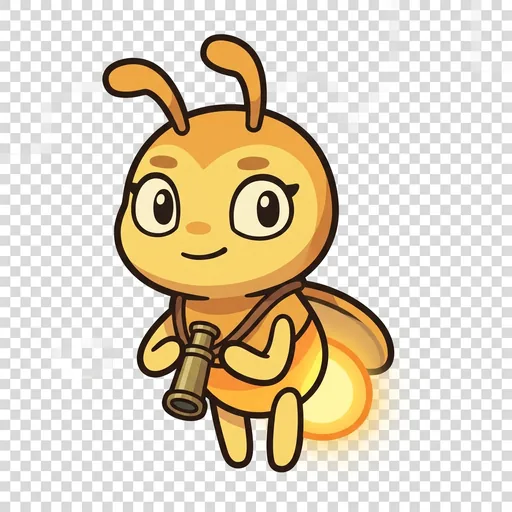 Gleam Stellar luminosity / electromagnetic radiation / observation
 -
 Sway Gravity / orbits / mutual attraction
 -
 Swirl Galactic rotation / spiral structure / angular momentum
 -
 Mist Nebulae / dust / gas / accretion / stellar nurseries
 -
 Tide Cosmological expansion / Hubble flow / cosmic time
 -
 Maw Black hole / event horizon — gravity so strong that even light comes to rest
 -
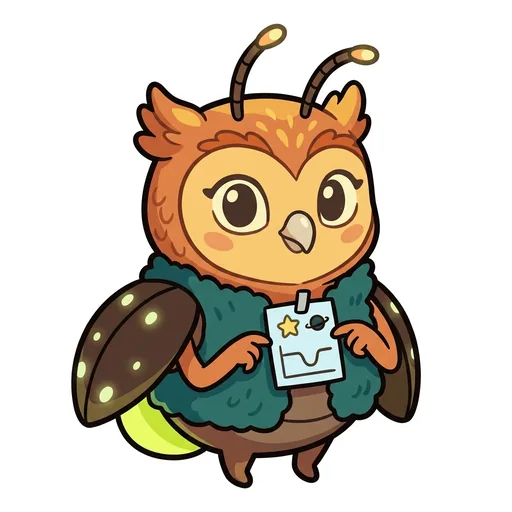 Wink Exoplanet detection — finding hidden worlds by the tiny dip they make in a star's light (the transit method)
 -
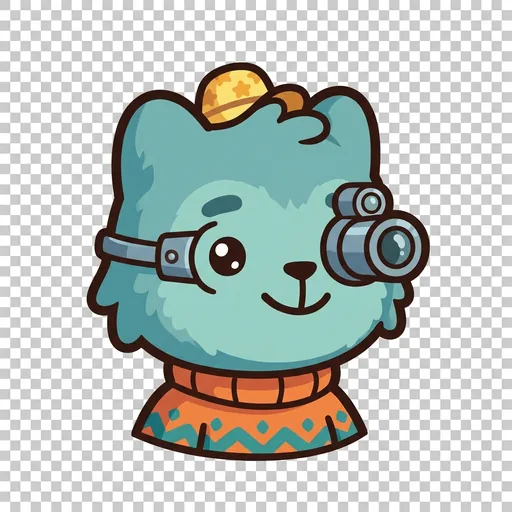 Squint Cosmic distance / parallax — measuring how far a star is by how much it shifts between two viewpoints
 -
 Dust Nucleosynthesis — the atoms in you were forged inside stars and scattered when they died
 -
 Relic Cosmic microwave background — the oldest light, the faint afterglow of the universe's beginning
Ensemble stories — the cast together