Before you start
Most popular
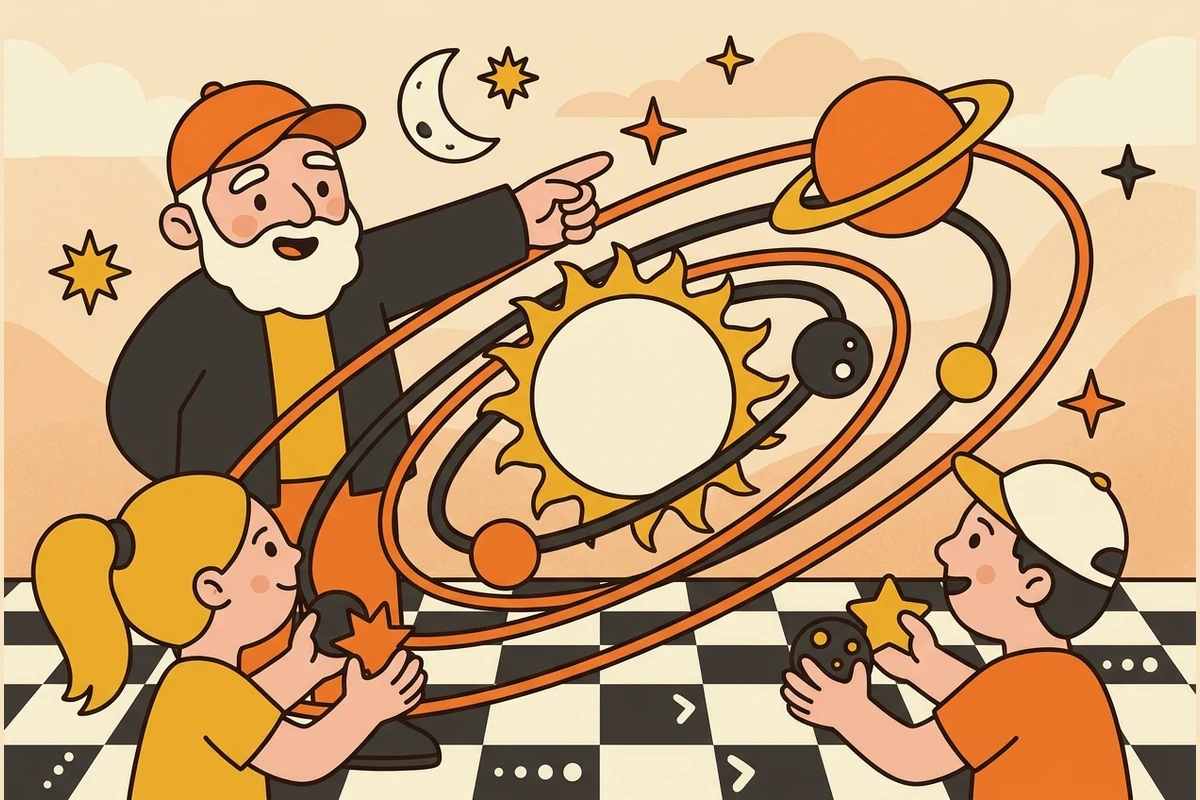
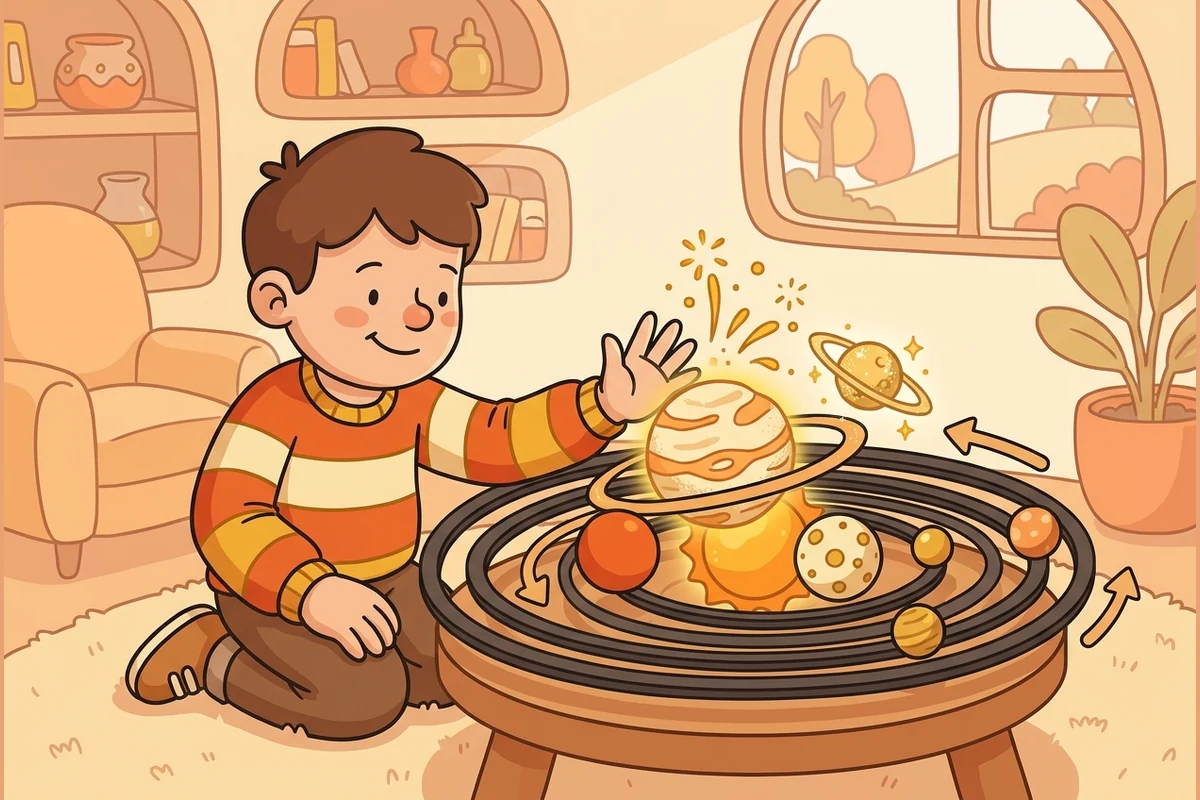 Solar System Explorer Tap any planet on the orbit map to open its Discovery Codex — real diameter, gravity, day & year length, moons — then take a quick mission for that world.
 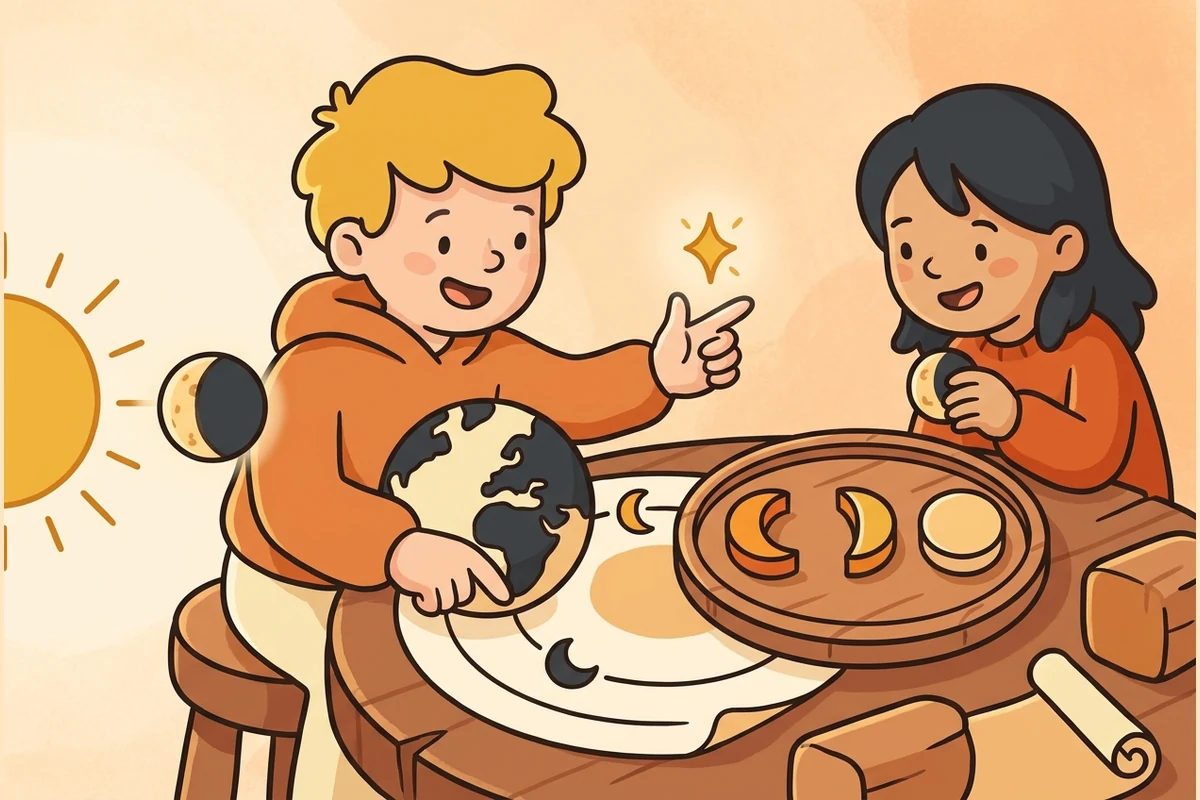 Orbit & Phase Lab Predict the Moon’s phase from where it sits in its orbit — then see the real answer and why. Predict your weight on other worlds, too.
 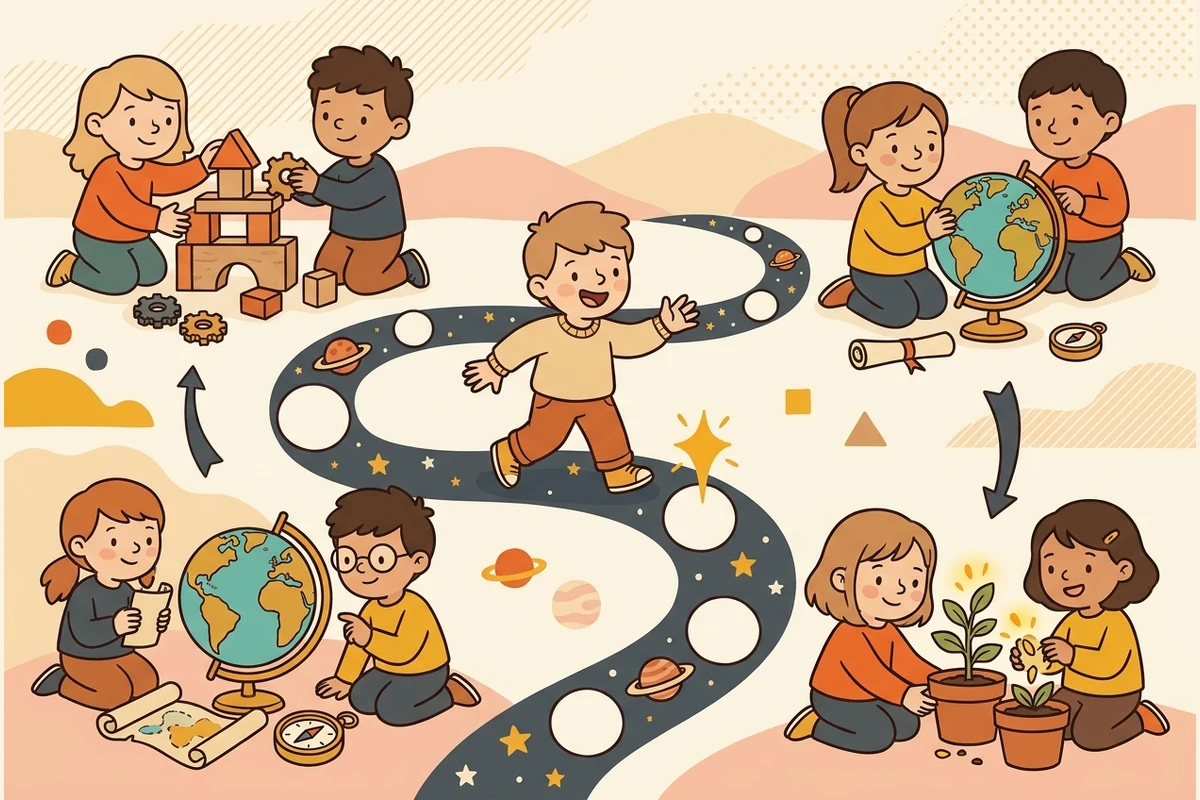 StarForge Journey A path through every kit — clear each stop of real practice, then move on.
 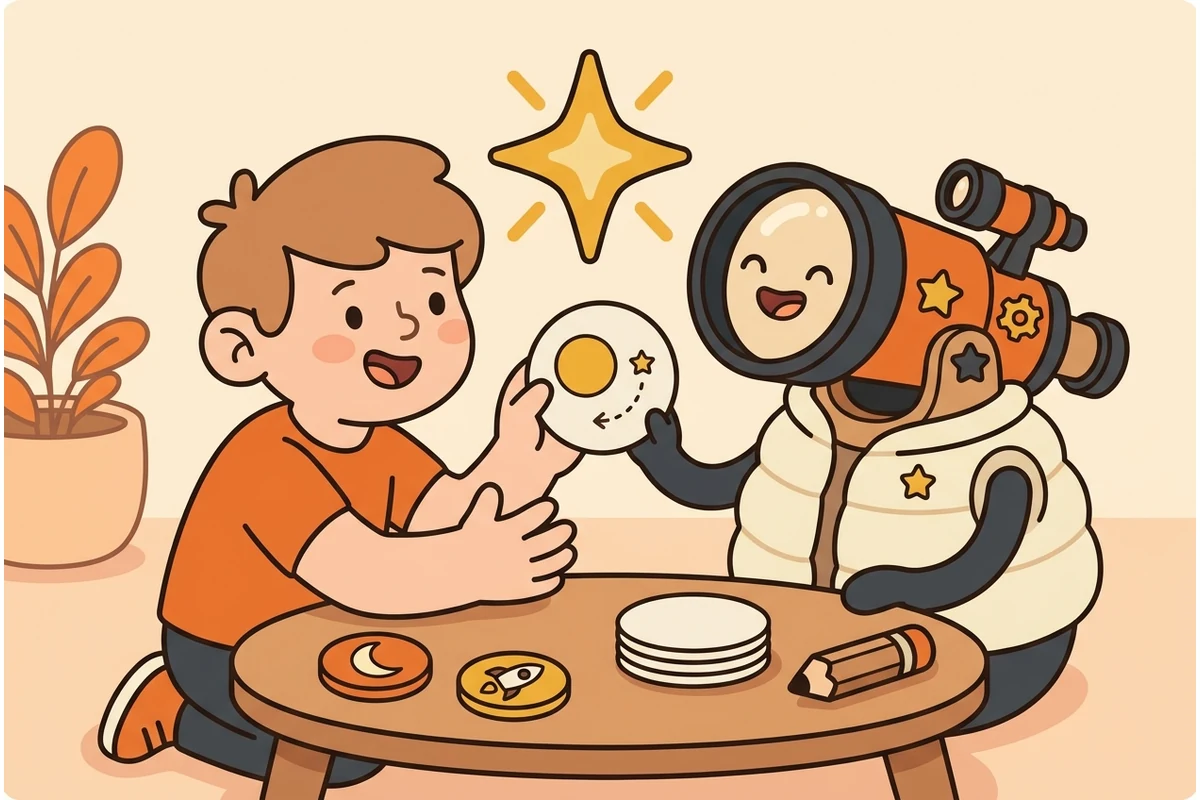 Teach the Cast Teach an astronomy idea to a cast member still learning it — teaching makes it stick.
 All activities
Explore & experiment
Solar System Explorer Fly the orbit map, open each planet’s Discovery Codex of real NASA data, then take its mission challenge. Orbit Race Predict which planet completes one orbit first, then watch the race — the closer to the Sun, the faster the orbit and the shorter the year. How Far Is Far? Shrink the Sun to a beach ball, predict how far away the Moon, the planets, and the next star really sit, then see the true scale computed from real distances. Orbit & Phase Lab Predict the Moon’s phase from the Sun–Moon–Earth angle (not Earth’s shadow), then see the reveal. Tonight's Moon Pace the ~29.5-day cycle from a known phase, predict what you’d see days later, then a pure engine computes it — and sends you outside to check the real Moon tonight. Why Not Every Month? Move the Moon and turn its tilted orbit to make a solar and a lunar eclipse — and see why we don’t get one every month. Teach the Cast Teach an astronomy idea to a cast member still learning it — teaching makes it stick.
Practice & play
Mixed Practice A short round across the kits you have played — brought back to make it stick. Trick Questions Brain-teasers with a twist — spot why the obvious answer is a trap. StarForge Duel 2–4 players take turns on one device — same questions, highest first-try score wins. Or open an online room. StarForge Journey A path through every kit — clear each stop, then move on and see how far you’ve come. Progress Your levels, streak, and how each skill area is coming along — saved on this device. Progress report For grown-ups — a private on-device snapshot mapped to the skill areas. Export a CSV or print.
Concept Kits — the solar system out to the edge of the universe
Kit 1: Solar System: Planets & Moons Solar system, the Sun & gravity · grades 4-5 · 25 questions Kit 2: Stars & Constellations Stars, light & telescopes · grades 4-5 · 25 questions Kit 3: Stellar Life Cycles Stars, light & telescopes · grades 5-6 · 25 questions Kit 4: Galaxies & the Universe Galaxies & cosmology · grades 5-6 · 25 questions Kit 5: Space Exploration & Technology Solar system, the Sun & gravity · grades 5-6 · 25 questions Kit 6: Gravity, Orbits & Kepler's Laws Solar system, the Sun & gravity · grades 6-7 · 25 questions Kit 7: Light, Spectra & Telescopes Stars, light & telescopes · grades 6-7 · 25 questions Kit 8: Cosmology & the Big Bang Galaxies & cosmology · grades 7-8 · 25 questions Kit 9: Telescopes & Observational Astronomy Stars, light & telescopes · grades 6-8 · 25 questions Kit 10: The Sun & Solar Activity Solar system, the Sun & gravity · grades 6-8 · 25 questions Kit 11: Cosmology & the Universe Galaxies & cosmology · grades 6-8 · 25 questions Kit 12: Space Careers & Modern Astronomy Galaxies & cosmology · grades 6-8 · 25 questions Kit 13: Cross-Topic Connections Connections & reasoning · grades 4-5 · 25 questions Kit 14: Real-World Applications Connections & reasoning · grades 4-5 · 25 questions Kit 15: Misconceptions & Reasoning Connections & reasoning · grades 4-5 · 25 questions Kit 16: Advanced Synthesis Connections & reasoning · grades 4-5 · 25 questions
More ways to play
Meet the cast — the characters who teach this
-
 Wick Protostar (collapsing gas, igniting)
 -
 Glow Main-sequence star (hydrogen fusion / stable)
 -
 Swell Red giant (helium fusion / expanded outer layers)
 -
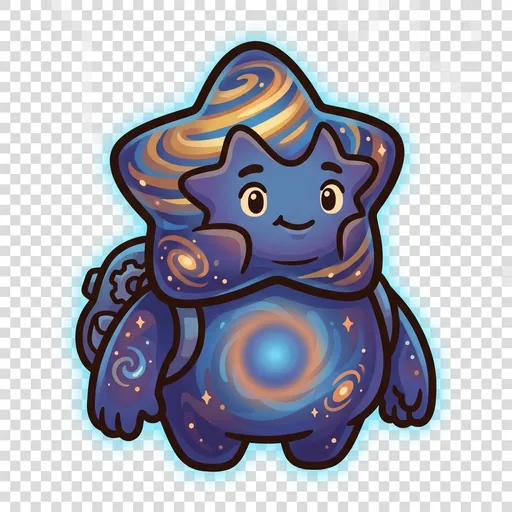 Pinch Stellar collapse + neutron star / supernova compaction
 -
 Ember White dwarf / stellar remnant (cooling final state)
 -
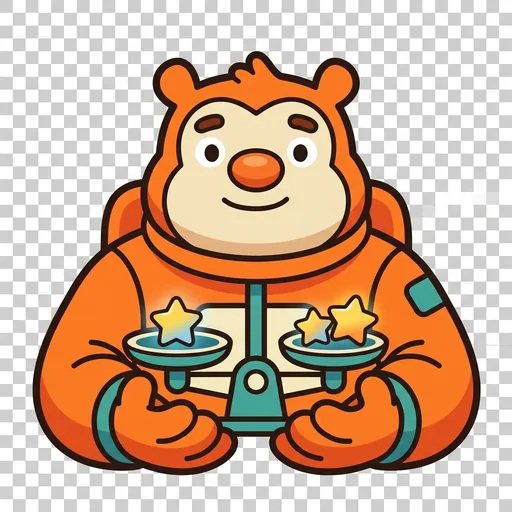 Brawn Stellar mass — how heavy a star is at birth decides its whole life story
 -
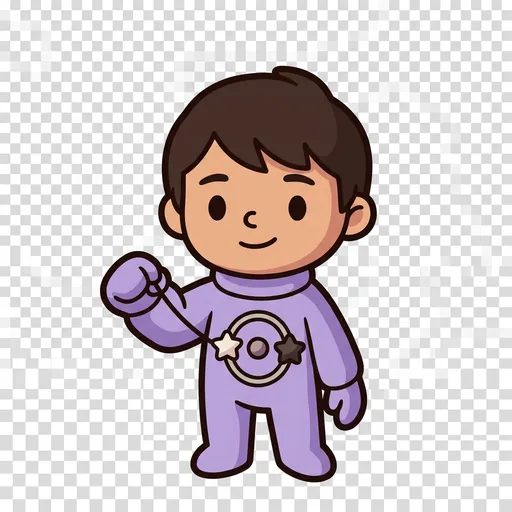 Waltz Binary stars — most stars are not alone; they circle a partner in a slow gravitational dance
 -
 Smolder Brown dwarf — a clump of gas too light to ignite; warm and dim, almost-but-not a star
 -
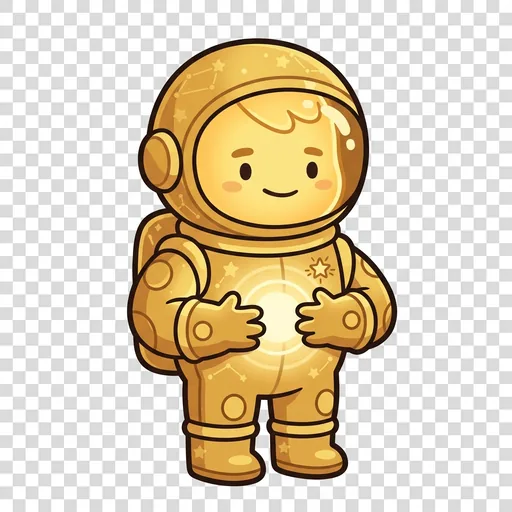 Quiver Variable stars — stars that pulse brighter and dimmer in a steady, measurable beat
 -
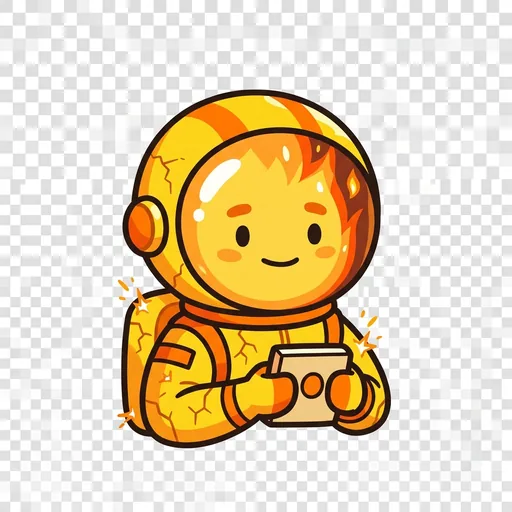 Flare Stellar flares and starspots — a star's stormy magnetic surface weather
Ensemble stories — the cast together