
Before you start
Most popular
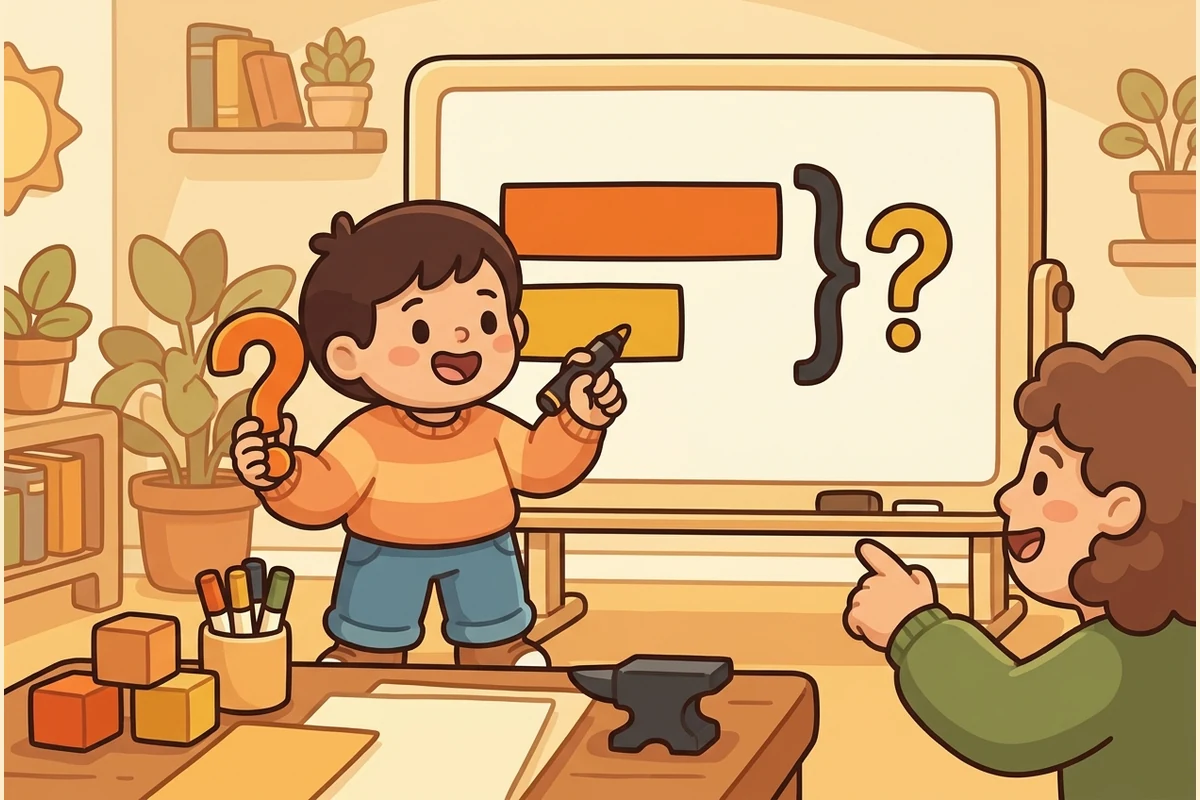 Bar Diagram Draw the problem as bars — the picture shows what you know and what you are solving for.
  Guess & Check Make a smart guess, check it, and use what you learn to close in on the answer.
  Work Backwards Start from the end and undo each step — sometimes the fastest way in is from the finish.
 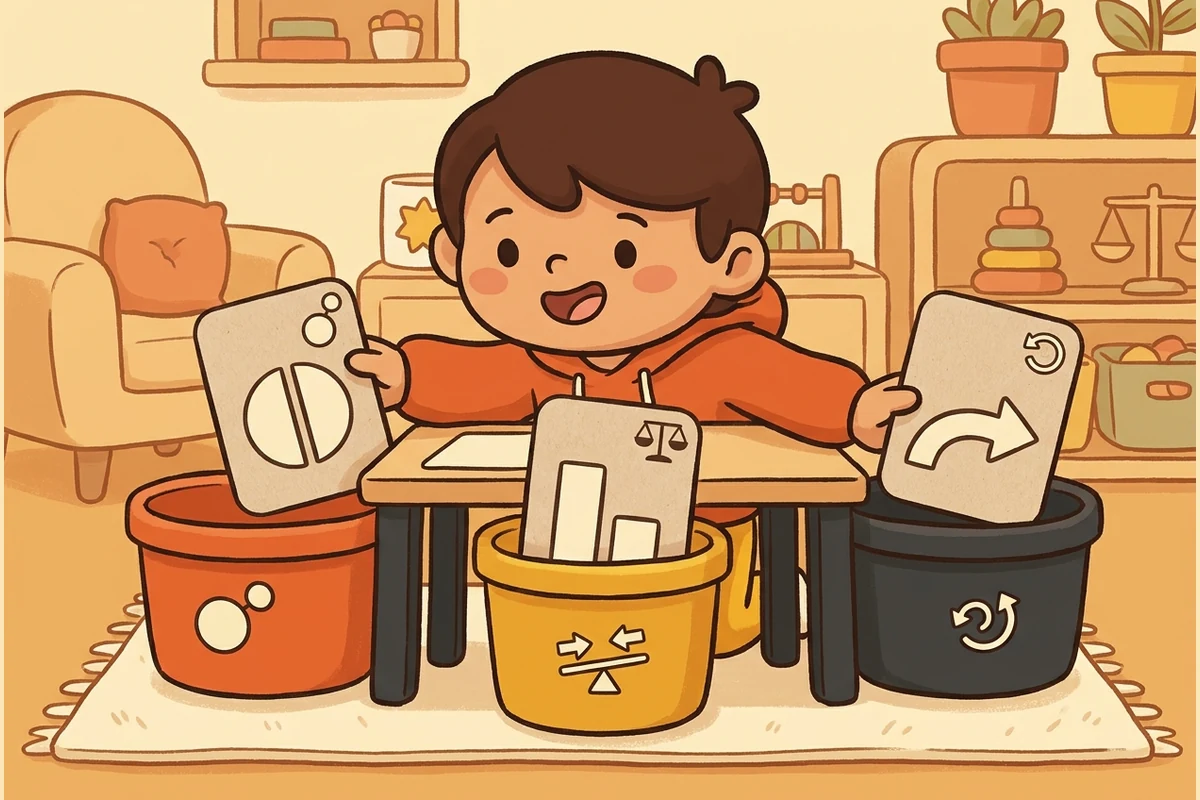 Find the Schema Spot the shape of the problem — is it a part-whole, a comparison, or a change? The type is the key.
 All activities
Solving strategies
Bar Diagram Draw the problem as bars — the picture shows what you know and what you are solving for, so the numbers fall into place. Guess & Check Make a smart guess, check it against the problem, and use what you learn to close in on the answer. Work Backwards Start from the end and undo each step — sometimes the fastest way in is from the finish. Find the Schema Spot the shape of the problem — part-whole, comparison, or change. Naming the type points to the plan. Set It Up Pull out what you know and what you need, and set the problem up before you compute a thing.
Practice & play
Mixed Practice A short round across the kits you have played — brought back to make it stick. Transfer — a new problem Take a strategy you know and use it on a fresh, unfamiliar problem — that is where it really sticks. Sharpen Up — a calm sprint Quick recall of ideas you have mastered. Self-paced; turn on a timer only if you want one. Trick Questions Word-problem traps with a twist — spot why the obvious number is a trap. Teach the Cast Teach a solving strategy to a cast member still learning it — explaining it makes your own thinking clearer.
Play together
Reckon Together 2–4 solvers take turns on one device — same problems for everyone, highest first-try score wins. Reckon Quest — the map A progression trail through every kit. Clear each stop of real practice, then move on. Progress Your levels, streak, and how each strategy is coming along — saved on this device. Progress report For grown-ups — a private on-device snapshot mapped to the reasoning strategies. Export a CSV or print.
Concept Kits — 16 kits of word-problem reasoning
Kit 1: Systems & Chickens-and-Cows systematic guess-and-check → 2-variable systems (the chickens-and-cows riddle) · grades 4-5 · 25 questions Kit 2: Set Up the Equation name the unknowns and write the relationships (let x = ...) · grades 5-6 · 25 questions Kit 3: Recognize the Type & Track the Units schema-based instruction — recognize the problem type and label every number (anti-key-word) · grades 5-6 · 25 questions Kit 4: Draw a Diagram draw a bar/tape diagram of the relationships · grades 5-6 · 25 questions Kit 5: Age Problems translate 'in N years / N years ago' into equations · grades 5-6 · 25 questions Kit 6: Coin & Stamp Problems count + value constraints, unit-labeling (coins, stamps) · grades 6-7 · 25 questions Kit 7: Work-Rate Problems combined rates — work done per unit time (painters, hoses, machines) · grades 6-7 · 25 questions Kit 8: Mixture Problems weighted averages / concentration mixing · grades 6-7 · 25 questions Kit 9: Work Backwards start from the goal and reverse the steps · grades 6-7 · 25 questions Kit 10: Try a Smaller Case solve a tiny version first to see the structure · grades 6-7 · 25 questions Kit 11: Crossing, Pouring & Weighing Riddles constraint + logical elimination in classic brain-teasers · grades 6-7 · 25 questions Kit 12: Check It's Reasonable substitute back + reasonableness (the look-back step) · grades 7-8 · 25 questions Kit 13: Generalize the Rule write the rule that works for any numbers · grades 7-8 · 25 questions Kit 14: Multi-Step Systems two equations, two unknowns — substitution and elimination · grades 7-8 · 25 questions Kit 15: Choosing the Right Heuristic which solving route fits which problem · grades 7-8 · 25 questions Kit 16: Capstone — Word-Problem Synthesis mixed-family review across the whole solving scaffold · grades 7-8 · 25 questions
More ways to play
😄 Brain break
Meet the cast — the characters who teach this
-
 Reck Systematic guess-and-check — makes a reckoned guess, checks it, makes the next guess smarter (the pre-algebra bridge)
 -
 Lettie Set up the equation — names the unknowns ('let x = the chickens') and writes the relationships
 -
 Retta Work backwards — starts from the goal and reverses the steps
 -
 Kindra Recognize the schema — spots 'this is a coin problem' before solving (schema-based instruction)
 -
 Doodle Draw a diagram — draws the bar/tape diagram of the relationships
 -
 Vetta Look back / check — substitutes the answer back and asks 'does this make sense?'
 -
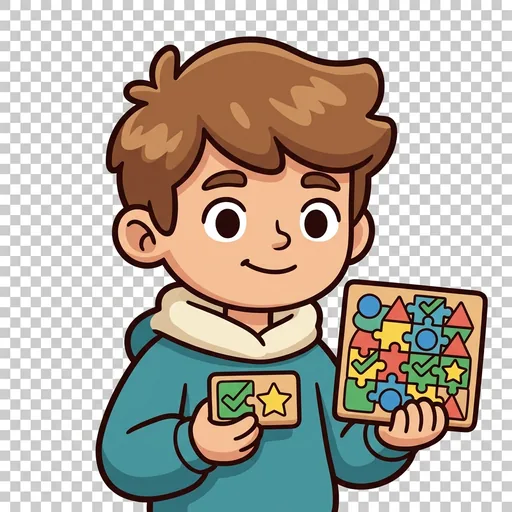 Tad Simplify to a smaller case — solves a tiny version first (2 heads before 100)
 -
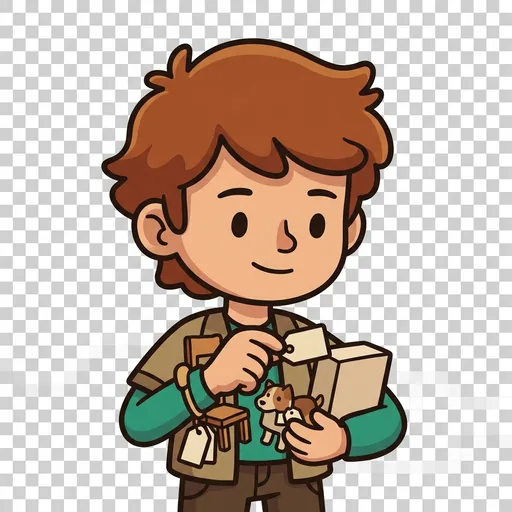 Tagg Track the units — labels every number ('6 = legs, not chickens'), structure over key-words
 -
 Genny Generalize — writes the rule that works for any numbers once the specific riddle is solved
 -
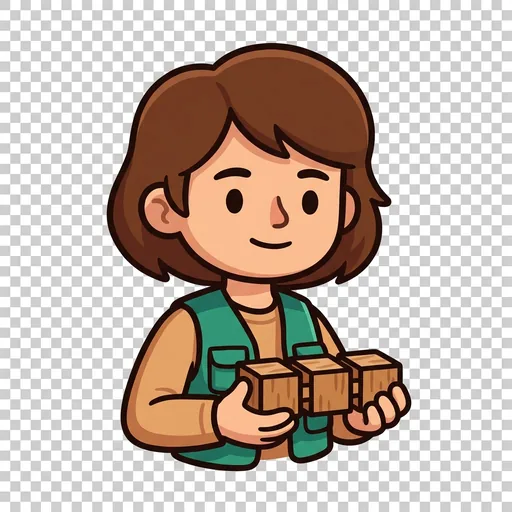 Cass The scaffold keeper (mentor) — runs understand→plan→execute→look-back and normalizes not knowing the way in
Ensemble stories — the cast together