
Before you start
Most popular
 Ensemble Studio Place notes that fit the song’s key, leave room for the melody, press “Hear it”.
  Ensemble Roles & Turns Pick the right role and climb the Solo → Pair → Group → Perform ladder.
  Ensemble Duel 2–4 players take turns on one device — highest first-try score wins.
 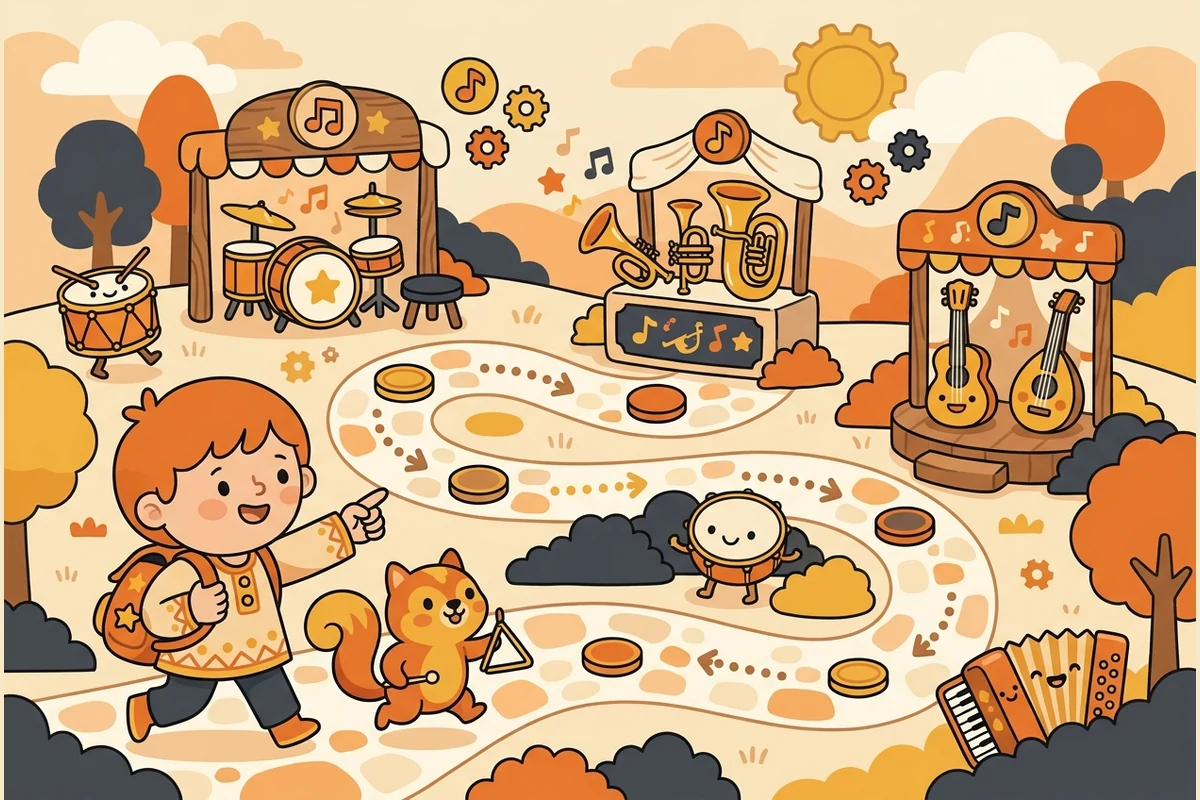 Ensemble Quest — the map A path through all the kits — clear each stop, then move on.
 All activities
Make music & practice the team moves
Practice & play
Ensemble Duel 2–4 players take turns on one device, or open a room to play a friend (no chat, just the game). Ensemble Quest — the map A path through all the kits — clear each stop, then move on. Mixed Practice A short round across the kits you have played — brought back to make it stick. EnsembleQuest Sprint Race your OWN best on what you already know. Timer optional, no penalty. Trick Questions Brain-teasers with a twist — spot why the obvious answer is a trap. For grown-ups — progress report A private, on-device snapshot mapped to the skill areas practiced. Export a CSV or print — nothing leaves this device.
Concept Kits — music & social-skills
Kit 1: Understanding Emotions in Music & Art Music & Ensemble · grades gr4-5 · 25 questions Kit 2: Active Listening & Turn-Taking Basics Listening & Social Skills · grades gr4-5 · 25 questions Kit 3: Reading Social Cues & Body Language Listening & Social Skills · grades gr5-6 · 25 questions Kit 4: Collaborative Art — Working in Pairs Listening & Social Skills · grades gr5-6 · 25 questions Kit 5: Group Music Making & Ensemble Skills Music & Ensemble · grades gr6-7 · 25 questions Kit 6: Communication Strategies & Conflict Resolution Listening & Social Skills · grades gr6-7 · 25 questions Kit 7: Planning & Performing as a Team Music & Ensemble · grades gr7-8 · 25 questions Kit 8: Capstone — Leading & Reflecting on Creative Collaboration Performing & Reflecting · grades gr7-8 · 25 questions Kit 9: Conducting & Leadership Music & Ensemble · grades 6-8 · 25 questions Kit 10: Instrument Families & Orchestration Music & Ensemble · grades 6-8 · 25 questions Kit 11: Rehearsal Techniques & Musicianship Music & Ensemble · grades 6-8 · 25 questions Kit 12: Music Performance & Etiquette Music & Ensemble · grades 6-8 · 25 questions Kit 13: Cross-Topic Connections Performing & Reflecting · grades 5-6 · 25 questions Kit 14: Real-World Applications Performing & Reflecting · grades 6-7 · 25 questions Kit 15: Misconceptions & Reasoning Performing & Reflecting · grades 6-7 · 25 questions Kit 16: Advanced Synthesis Performing & Reflecting · grades 7-8 · 25 questions
More ways to play
😄 Brain break
Meet the cast — the characters who teach this
-
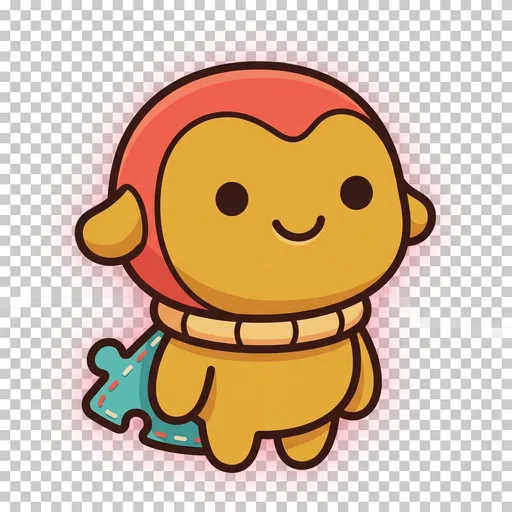 Part Role-holding — knowing what MY part is, separate from but supporting the whole
 -
 Turn Turn-taking — the rhythm of give-and-receive across an ensemble
 -
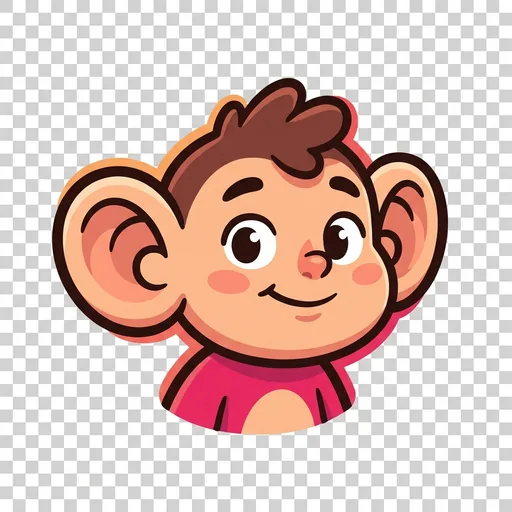 Ear Active listening — receiving the other person's contribution before adding your own
 -
 Welcome Invitation + repair — bringing back someone who's drifted out of the ensemble
 -
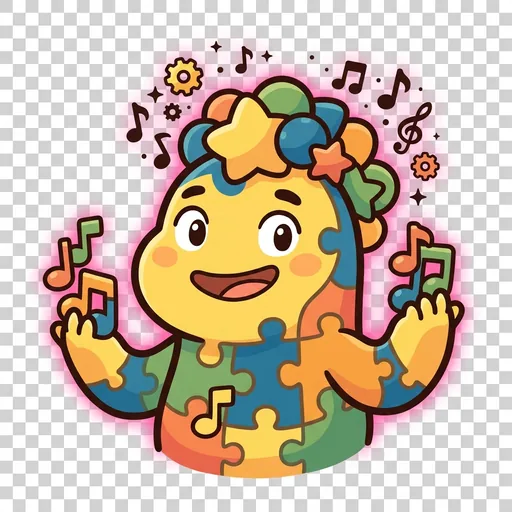 Share Synthesis-in-performance — the moment many parts become one piece
 -
 Berth Making space — leave room in the sound and the plan so every part fits; quiet the loud, invite the quiet, nobody drowned out
 -
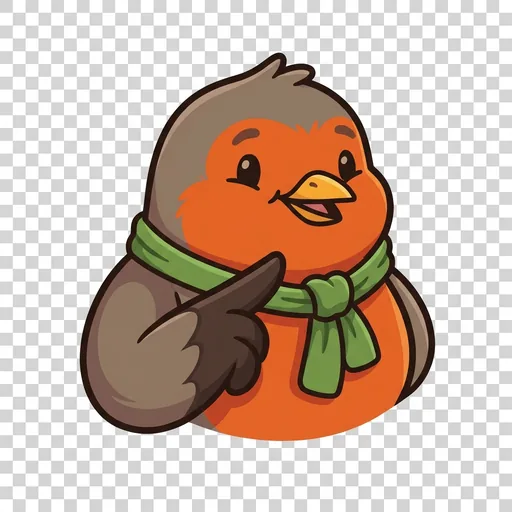 Bravo Specific appreciation — notice one exact thing a partner did well and name it out loud, so they know their part landed
 -
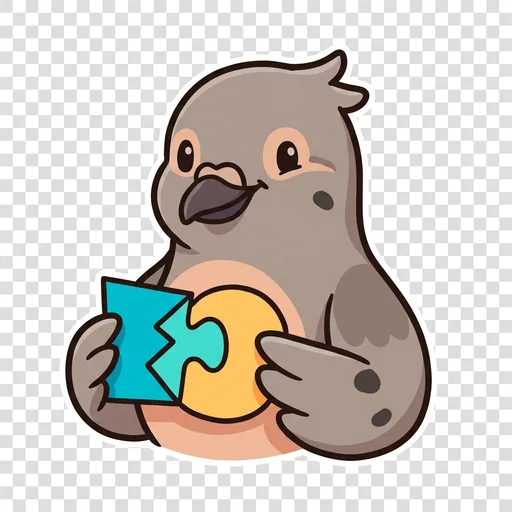 Dovetail Dovetailing ideas — when two ideas differ, find the shape where both fit and interlock; neither cut away, neither swallowed
 -
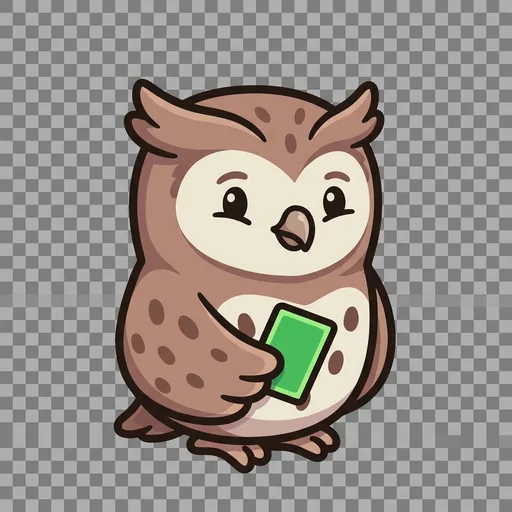 Nod Non-verbal signals — a clear wordless cue (a nod, a raised wing, a card) for ready, done, my-turn, or pause
 -
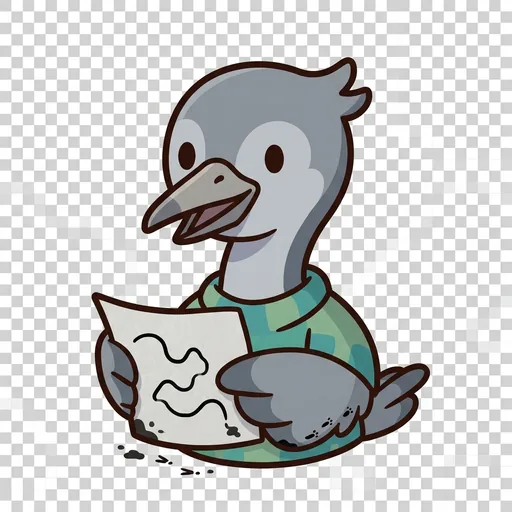 Outline Co-planning — before anyone makes anything, sketch the shared shape together, so nobody has to guess where it's going
Ensemble stories — the cast together