How are you feeling?
Cast, stories & more
Meet the cast — the characters who teach this
-
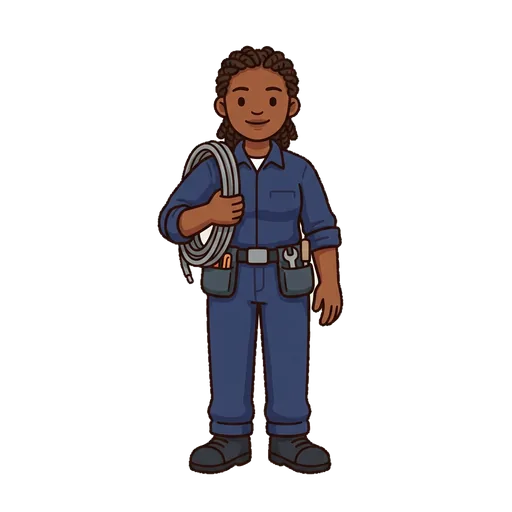 Volt multiplies the volts by the amps to get the power
-
 Pipes multiplies the length by the quarter-inch-per-foot slope
-
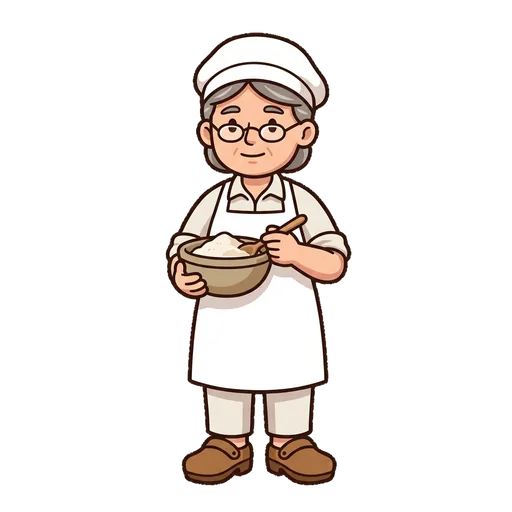 Rolla divides the flour by 3 to keep the 3-to-1 ratio
-
 Cara multiplies the milligrams per kilogram by the patient's weight
-
 Cutter multiplies length by width to get the floor area
-
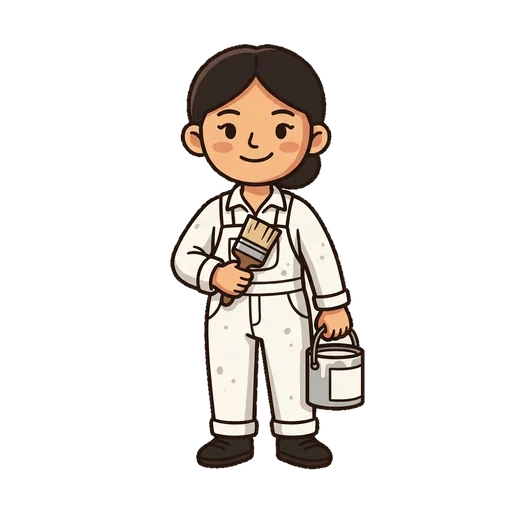 Bristle divides the wall area by 400 and rounds up to whole cans
-
 Needle multiplies the yards per coat by the number of coats
-
 Sprout multiplies the seeds per foot by the row length
-
 Gear divides the miles by the gallons to get miles per gallon
-
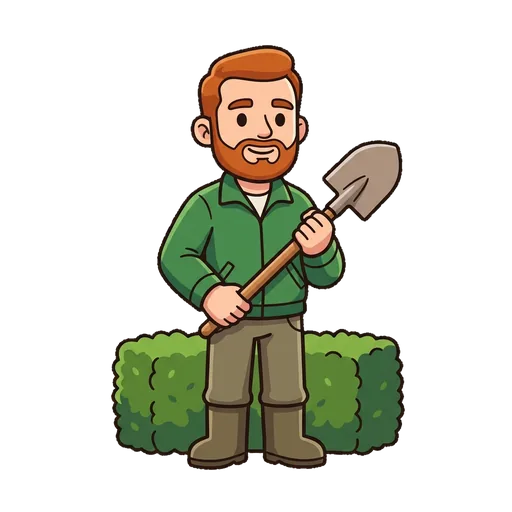 Fern adds the sides twice for the fence around a garden
-
 Penny takes the percent off, then subtracts it from the price
-
 Dash divides the distance by the speed to get the time
What next? Pick a door
- More like this FermiForge Can you guess it within ten times? NumberSense About how much? Guess first. CalendarForge Why does the holiday move each year?
- A bit harder RatioRealm Which mix is stronger? EquationQuest What keeps both sides balanced? FunctionForge What rule is the machine using?
- Something different PauseForge What could you do in the pause? TypeForge Why does this font look bigger? ReadQuest What did the passage really say?
😄 Brain break
Where this idea comes from
Plimpton 322
A clay tablet written in Babylonia (now Iraq) around 1800 BCE, in cuneiform with base-60 numbers. The publisher George Plimpton bought it in the 1920s; it has been at Columbia University in New York since 1936.
One thing to hold: A broken clay tablet about the size of a postcard, with fifteen rows of numbers.
Why it matters: Its rows are linked to right-angled triangles whose sides are whole numbers. The first row has 119 and 169, the short side and the long slanted side of a triangle whose other side is 120 — more than a thousand years before Pythagoras.
What we don’t know: Nobody knows what it was for. Scholars still argue whether it was a teacher’s table, a list of practice problems, or something else.
Where this tool comes from
The cubit rod
In ancient Egypt, builders measured in cubits, the length from the elbow to the fingertip, fixed as a standard called the royal cubit, about 52 centimetres. Wooden and stone cubit rods marked with its parts survive from tombs and temples; one belonged to Maya, the treasurer of the boy king Tutankhamun, about 3,300 years ago.
One thing to hold: A rod one royal cubit long, divided into 7 palms, and each palm into 4 fingers: 28 fingers in all, so a builder could mark a length in whole fingers.
Why it matters: Everyone building the same temple had to agree on one length, or the walls would not meet. A unit is an agreement, and a ruler is that agreement you can hold.
What we don’t know: Surviving rods differ by a few millimetres, so the exact length of the royal cubit is given as a range, not one number.
Apothecaries’ weights
Chemists and doctors in Britain and America once weighed medicine in grains, scruples and drams. Today the grain is fixed at exactly 64.79891 milligrams.
One thing to hold: A small balance and a set of weights: 20 grains make a scruple, 3 scruples make a dram, and 8 drams make an apothecaries’ ounce.
Why it matters: A grain and a gram sound alike, but a gram is about fifteen times as heavy. Medication-safety experts list the abbreviation “gr” as one to avoid, because it has been mistaken for grams. That is why a nurse checks the unit before the sum.
What we don’t know: How many dosing mistakes came from mixing the old units with the metric ones is not known.