

Before you start
Most popular
 Ratio Studio Scale a ratio to a target on a live double number line + ratio table, and mark part-of-a-whole percents.
 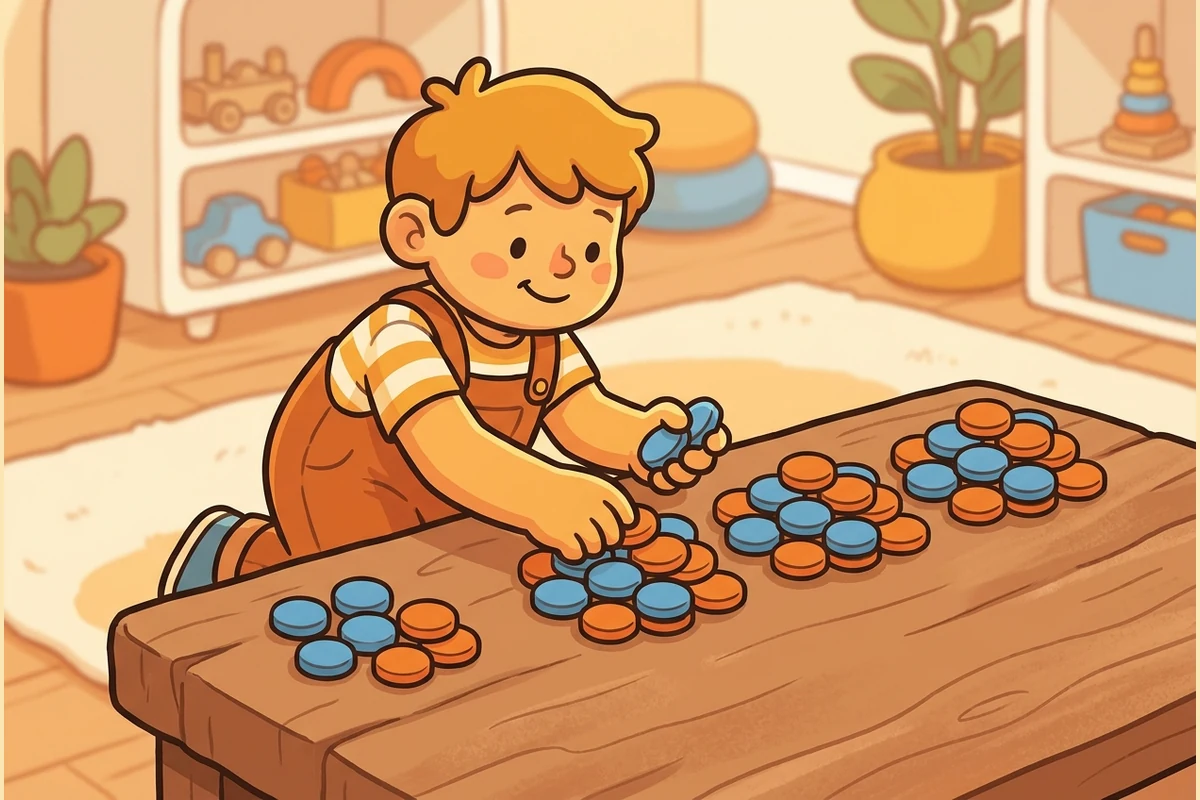 Scale Workshop Scale a recipe, a map distance, or a blueprint measurement up or down to hit the target.
 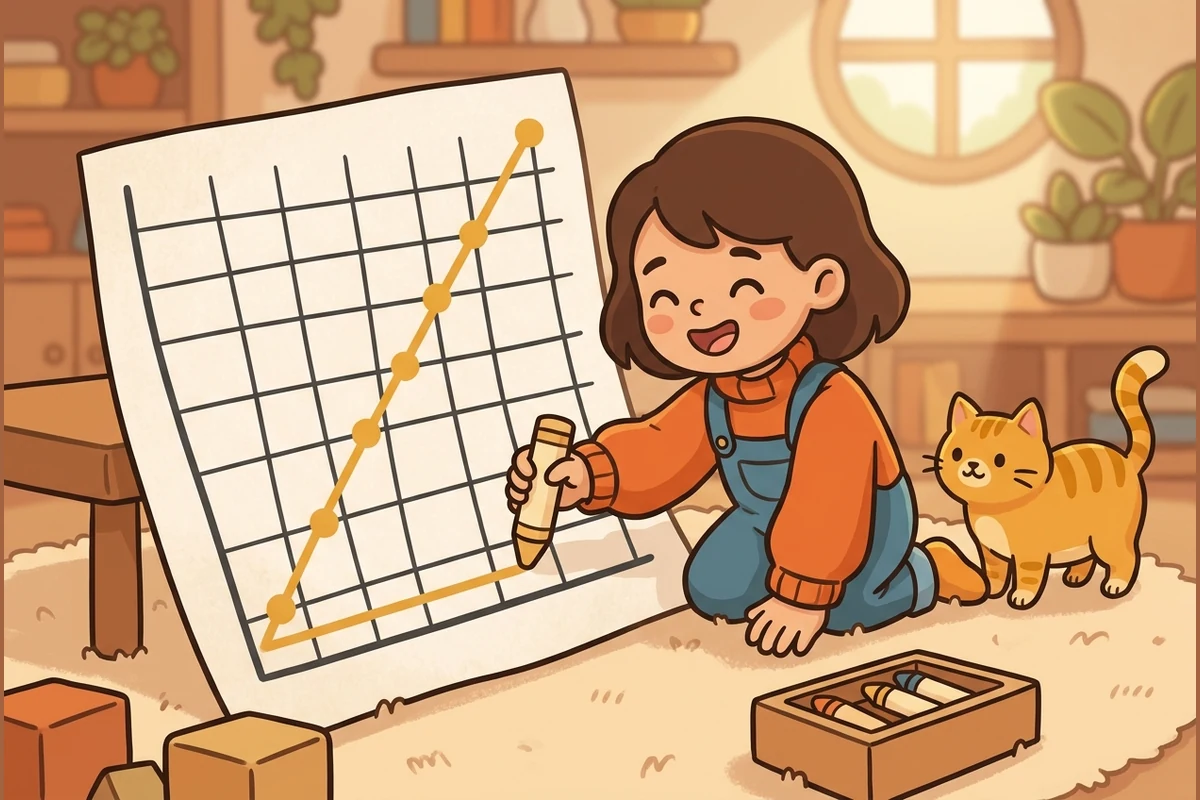 Graph the Ratio Plot equivalent ratios and watch them line up through the origin — the unit rate is the slope.
 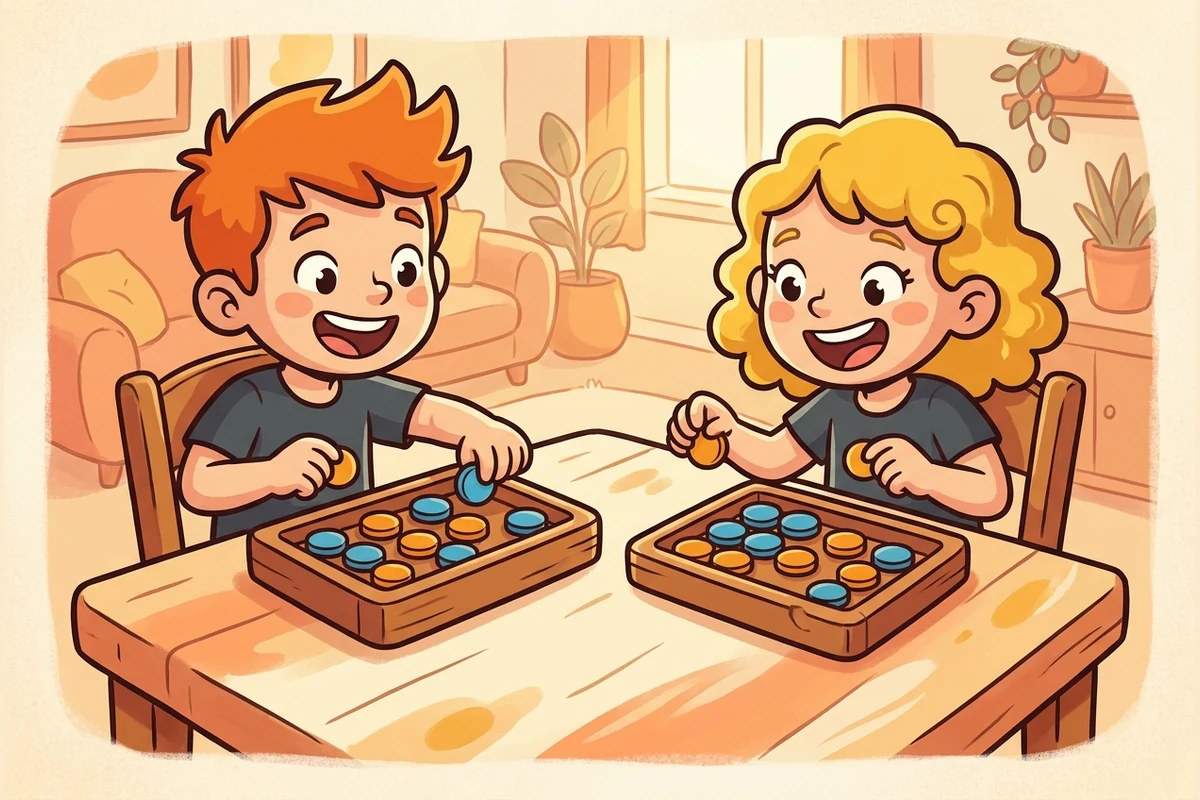 Ratio Duel A head-to-head kit round for 2–4 players — one device or an online room by code. Highest first-try score wins.
 All activities
Build & reason
Ratio Studio Scale a ratio on a double number line + ratio table, and mark part-of-a-whole percents. Scale Workshop Scale a recipe, a map distance, or a blueprint up or down to hit the target. Relative Reasoning Which mix is stronger? Judge the share, not the size — the bigger bar isn’t always stronger. Graph the Ratio Plot equivalent ratios through the origin — the unit rate is the slope. Then spot a look-alike with a base fee.
Practice & play
Think it through with your tutor
Practice the concepts
All 16 kits
Kit 1: Introduction to Ratios Kit 2: Equivalent Ratios Kit 3: Rates and Unit Rates Kit 4: Proportions and Cross-Multiplication Kit 5: Percentage Basics Kit 6: Percentage Applications Kit 7: Scale Drawings and Maps Kit 8: Proportional Reasoning in Real Life Kit 9: Foundational Concepts Review Kit 10: Applied Problem Solving Kit 11: Critical Analysis & Evaluation Kit 12: Advanced Integration & Synthesis Kit 13: Cross-Topic Connections Kit 14: Real-World Applications Kit 15: Misconceptions & Reasoning Kit 16: Advanced Synthesis
For grown-ups — progress report →
More ways to play
Same idea, another world
A ratio is the same equal-parts idea you use with fractions. Try FractionForge → A unit rate that stays the same is exactly the constant rate a linear function grows by. Try FunctionForge → The fixed ratio you scale here is exactly how voltage and current stay in proportion through a resistor (Ohm’s law). Try CircuitForge →
😄 Brain break

Meet the cast — the characters who teach this
-
 Pair the Ratio-Speaker Simple ratios (a:b) — the foundational "for every A, there are B" pattern
 -
 Scale the Doubler Equivalent ratios (scaling both parts by the same factor; recipe-doubling primitive)
 -
 Unit the Per-One-Counter Rates and unit rates (the per-one normalization that lets us compare different rates)
 -
 Cross the Proportion-Solver Proportions and cross-multiplication (the canonical "if a/b = c/d then ad = bc" mechanic)
 -
 Centa the Percent-Translator Percentages — the per-hundred special case + percent change
 -
 Crux the Two-Directions Direct versus inverse proportion (when one goes up, the other goes up — or down)
 -
 Keel the Constant-Keeper The constant of proportionality (the fixed number that links the two quantities)
 -
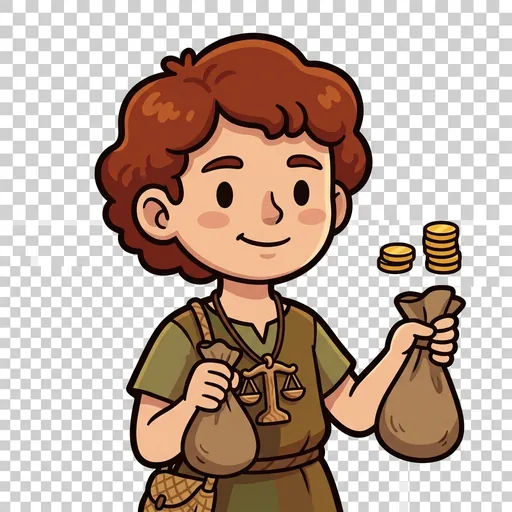 Portion the Fair-Divider Sharing a quantity in a given ratio (splitting fairly by parts)
 -
 Splay the Scale-Keeper Scale factor (scale drawings, maps, and models)
 -
 Warp the Part-and-Whole Namer Part-to-part versus part-to-whole ratios (naming what is compared to what)
Ensemble stories — the cast together