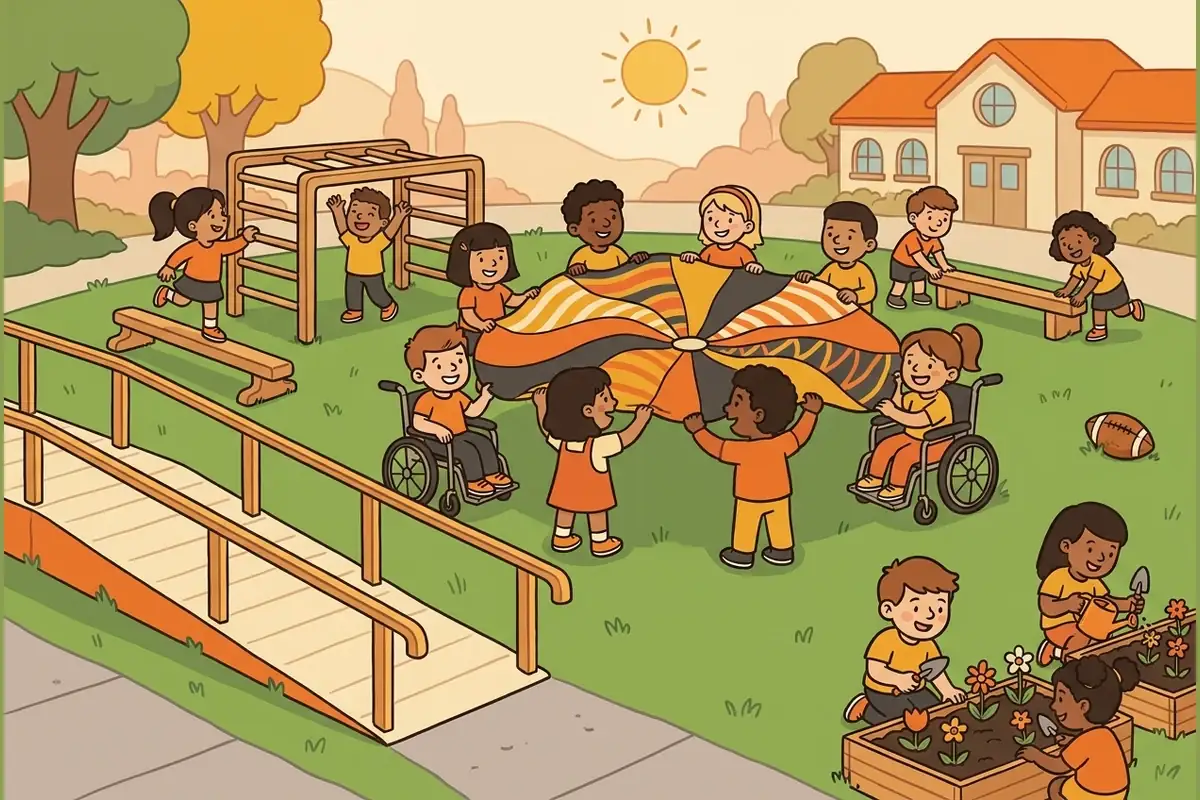
Most votes, or fair for everyone?
- 🗳️ Most votes. The game the most kids picked. Easy to count.
- 🙁 Left out. A game some kids can’t play. The winner can still leave a group out.
- 🤝 Fair. A game everyone can join. That’s the rule that looks after the whole class.
How does your body feel?
Meet the pals
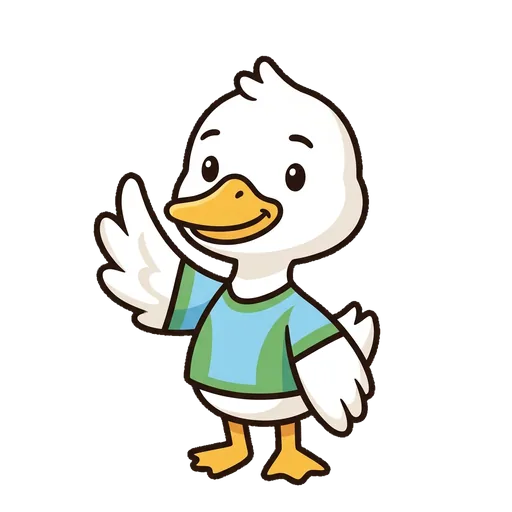 Majori loves counting hands and shouting who won the most votes.
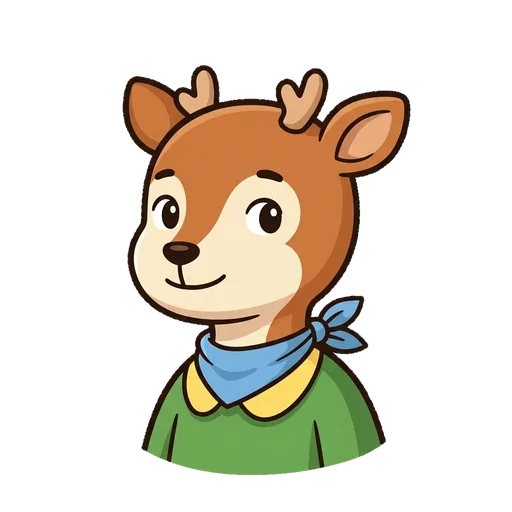 Consenna always asks the quiet question: “Can everyone play?”
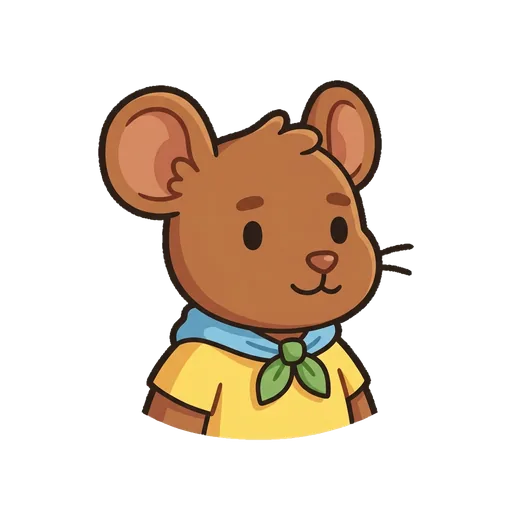 Fairling is the smallest voice — the friend a fair rule looks after.
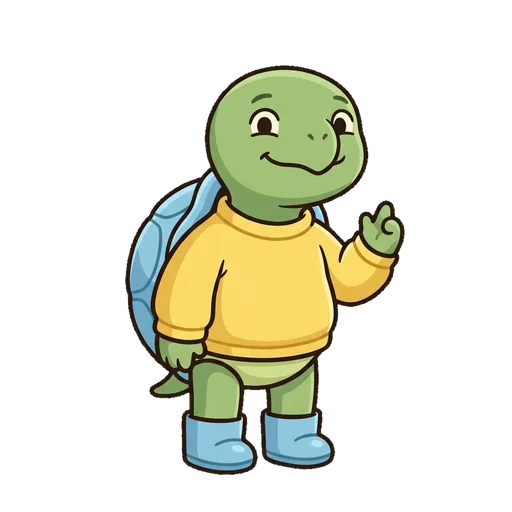 Reason reminds the class to say WHY before they vote.
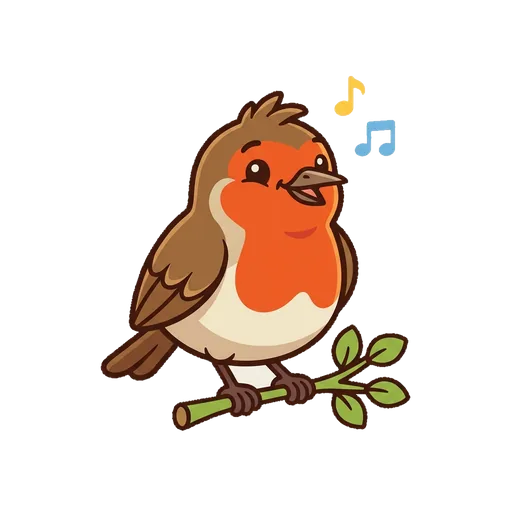 Voice (mentor) helps the class check: most votes is a start, fair for everyone is the goal.
For grown-ups: why hands up isn't always fair
When a class votes with hands up, everyone can see who chose what, and some children follow their friends. The modern secret ballot was first used in Victoria, Australia, in 1856, to stop voters being pressured; soon after, South Australia's ballot let each voter mark an X beside a name in private. The world copied it as "the Australian ballot".
What next? Pick a door
- More like this AgoPals Was this long ago or now? TradePals Is that swap fair for both of you? GlobePals Which city is farther from home?
- A bit harder CompassQuest Which way does the map say? TerraVoyage Which continent do the clues point to? MapForge Which side of the mountain gets the rain?
- Something different FlipPals Can you flank a word and flip it? RungPals Which rung does this number go on? ReelPals Can you make your toy move on film?