Berth and Nod
SO A QUIET PART CAN LAND — a soft or non-speaking contributor's part reaches the group through two moves at once: Berth leaves real room in the sound, and Nod gives a wordless cue for stepping into it — room with no signal leaves everyone guessing and talking over, and a signal with no room has nowhere to go; together, a part that would have vanished fits and is seen without anyone having to shout or find words.
Loading audio…
Press play to listen along. The line being read lights up as you go.
Show full transcript
Loading transcript…
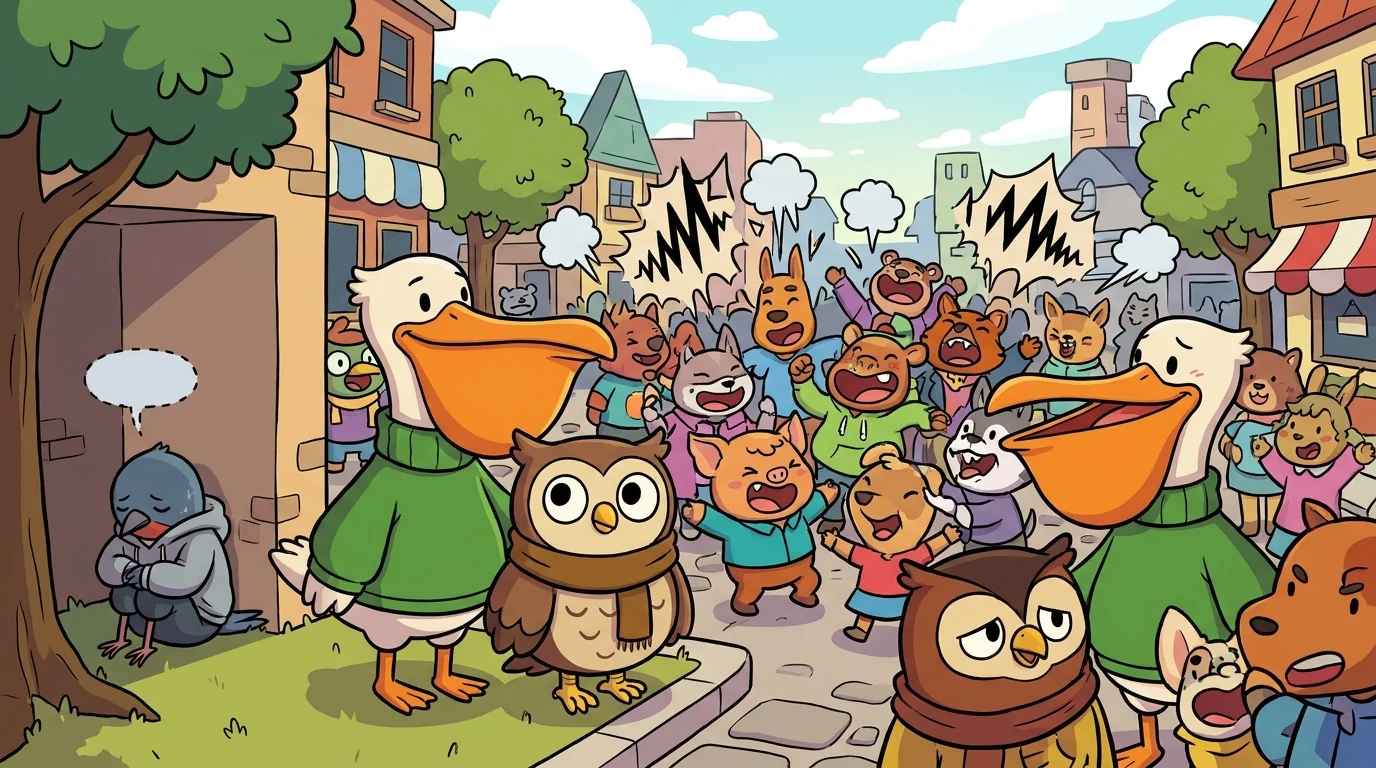
Berth the pelican and Nod the owl stood at the edge of a big loud group with one small martin folded silent in the corner — a bird with a part to add and no way in: the sound too full to fit into, and no words coming to ask for a turn. There was a wall of noise and a bird disappearing behind it. And there was what the two of them had learned to make together: a group where a quiet, wordless part fits and is seen, with nobody having to shout or find words.
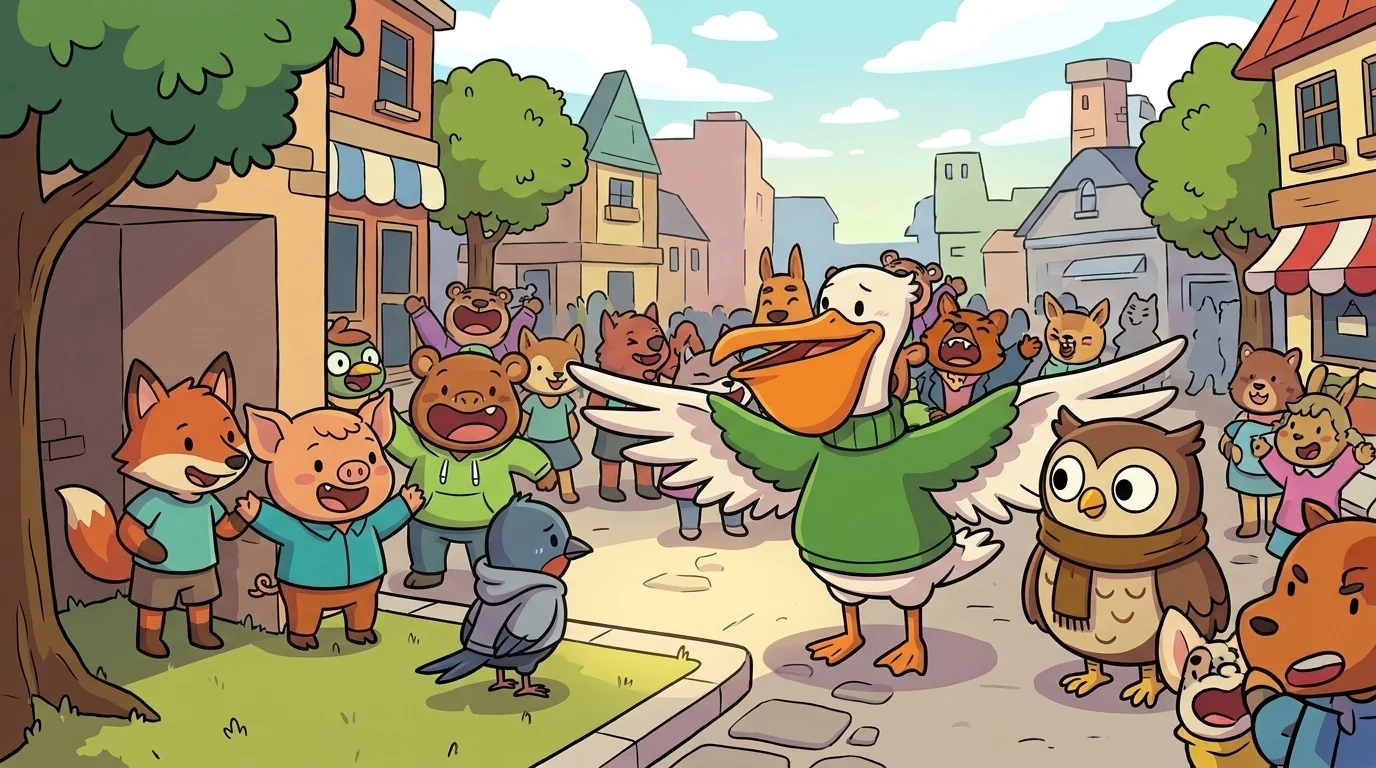
Berth went first, because her move makes the room. "There's nowhere for a soft part to land in there," she said, spreading her wings and easing the loud birds a step back, opening a clear, held gap in the middle of the sound. "Every second is full. So first — room." The drummers left a rest; a quiet lane opened. "That's my half," Berth said. "I leave real space, held open on purpose, so a soft part isn't drowned out." She looked at the martin in the corner, then frowned. "But look — the room is open, and he still hasn't come in. Because nobody knows when he's ready, and he can't get the words out to say so, so the group keeps almost-filling the gap again, guessing. Room alone isn't enough. He needs a way to say 'now' without words. That's Nod's half."
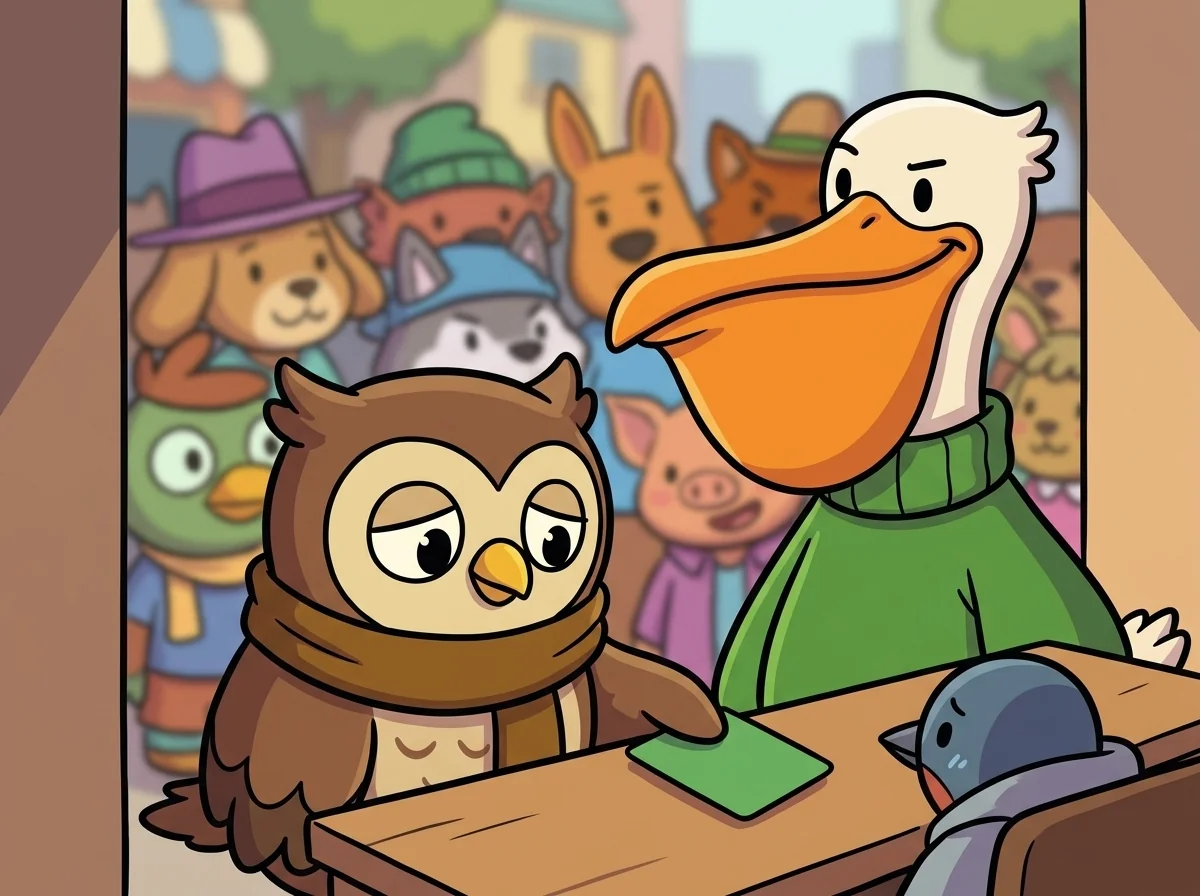
Nod gave the martin a way in. She slid a small green card to the corner. "Room's open," she said gently, "but you shouldn't have to shout into it, or find the words to claim it. So — lift the card when you're ready. That's 'now.' We'll all see it, and we'll hold the room for you." She turned to the group: "Green card up means a part's about to land — leave the gap open until it does." That was her half: a wordless cue anyone could read, so a soft or non-speaking bird could claim the space without a single word. "But," Nod added, "my cue needs somewhere to point. A card that says 'I'm ready' is no use if the sound's already full again. The signal only works because Berth held the room open for it."
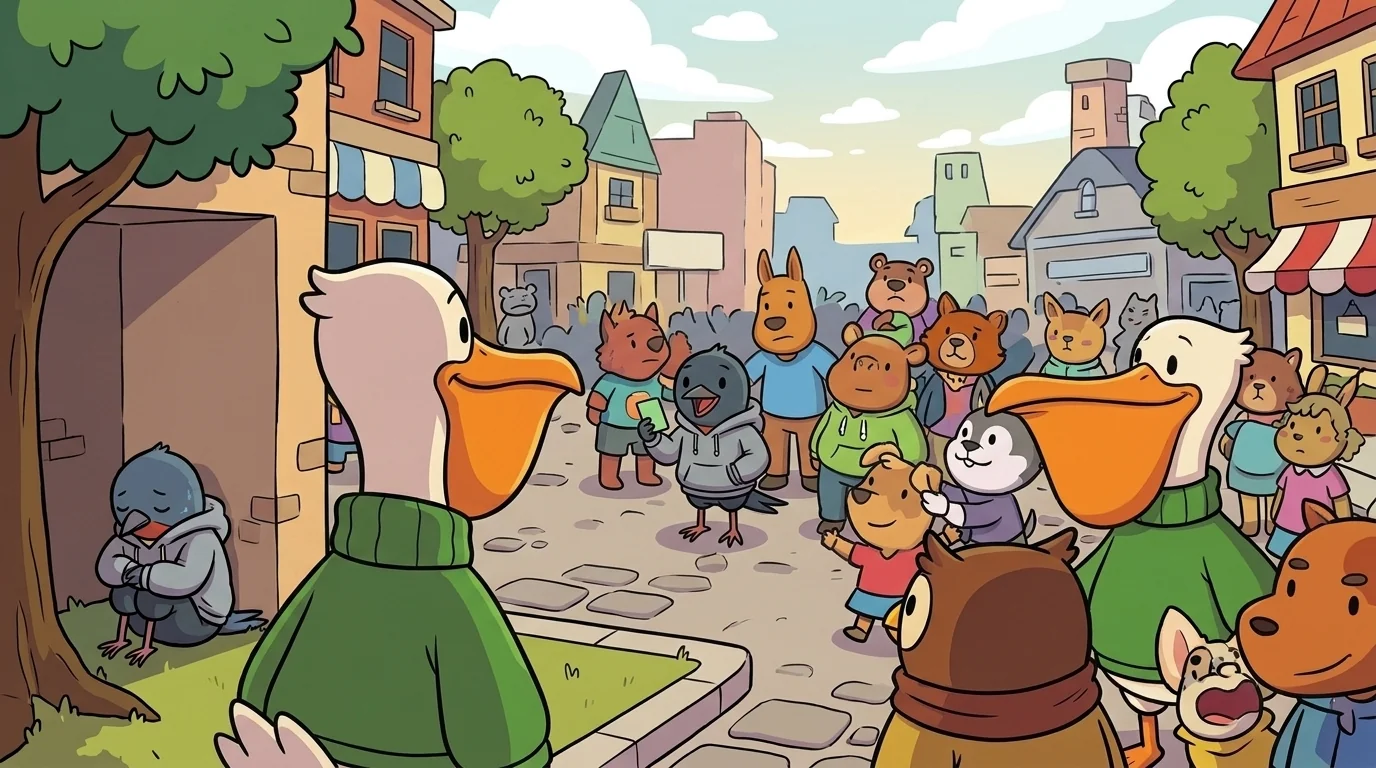
Then they did the move that is theirs — the one neither can do alone. Berth held the gap; Nod watched for the card; and the group learned to read both together. When the martin lifted his green card, Nod dipped her head — now — and Berth kept the room wide, and into that held, signaled space the martin's soft part finally landed, clear and whole, heard by everyone. No shout. No scramble for words. Just room left open and a wordless cue to fill it. "My room alone leaves everyone guessing when to use it," Berth said. "My cue alone has nowhere to go if there's no room," Nod said. "Together — a quiet part fits and is seen." The bird who'd been disappearing behind the wall of noise was suddenly, quietly, fully part of the song.
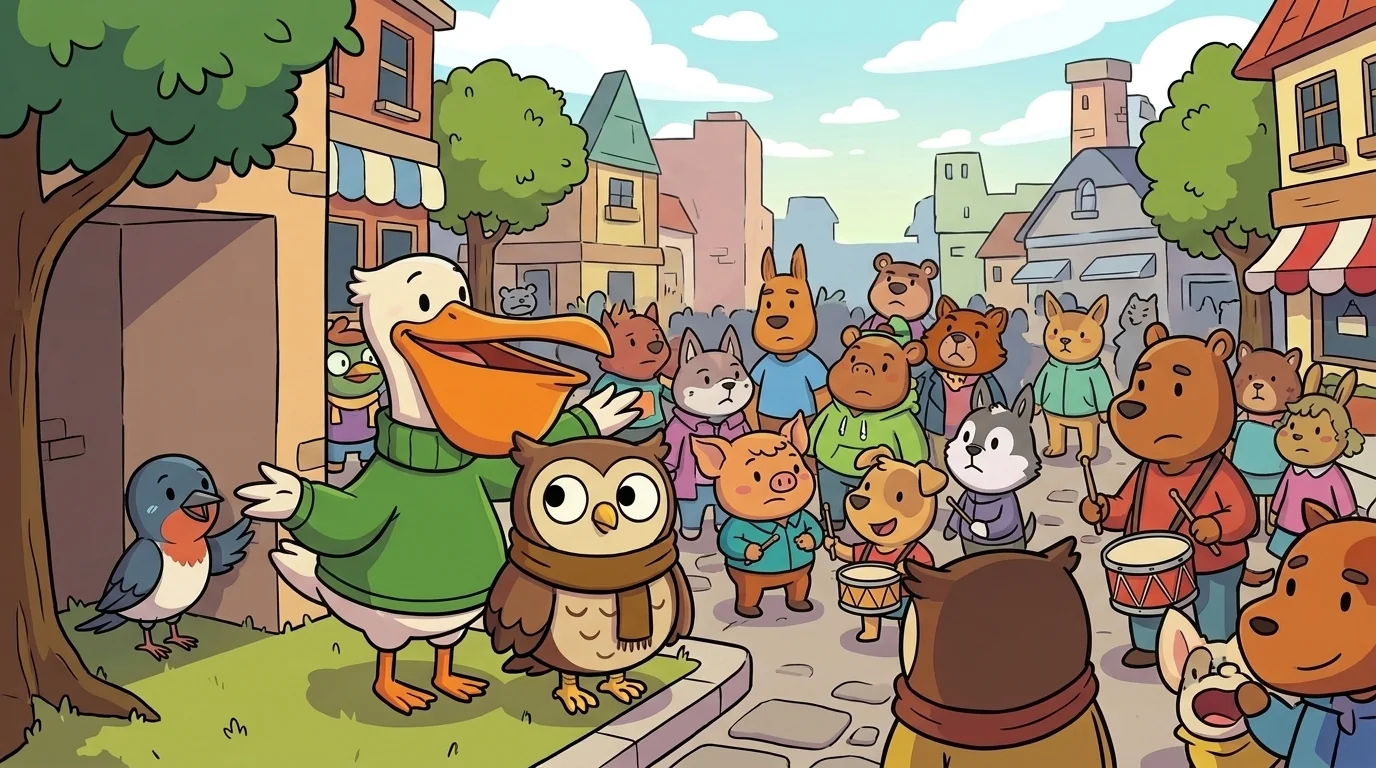
"So the room and the cue — you needed both? One to make space, one to say 'now' without words?" a young bird asked, watching the martin's green card go up and the gap stay open for it.
"Room with no signal, everyone talks over it. A signal with no room has nowhere to land," Berth said, and Nod nodded. Another quiet bird tried it next time — but the group filled the gap too soon and missed the card, and for a second the old folding-smaller, stuck-throat feeling crept back, there's no room and no way to ask. But this time two friends leaned in at once: "Hold the gap, drummers — leave it open," said Berth; "watch for the green card, that's 'now,'" said Nod — and as the group left room AND read the cue together, the quiet part landed, whole and heard. And they felt it settle — a soft, shared-wonder relief of a part that would have vanished fit and was seen, and no shouting, no scrambling for words, and neither move alone could have done it — the warm gladness of belonging without having to fight or speak for it, and the easy truth of there was never anything wrong with the quiet part; there was only no room and no cue. That the-quiet-part-lands relief, plus the gentle company of holding-room-and-reading-the-cue side by side, was — to Berth and Nod both — the whole joy of the part that lands without a shout.
The EnsembleQuest ensemble
Berth and Nod is part of EnsembleQuest's distributed-narrative cast. Each character embodies a different curricular primitive; together they teach the full subject.
-
Part
Role-holding — knowing what MY part is, separate from but supporting the whole
-
Turn
Turn-taking — the rhythm of give-and-receive across an ensemble
-
Ear
Active listening — receiving the other person's contribution before adding your own
-

Welcome
Invitation + repair — bringing back someone who's drifted out of the ensemble
-
Share
Synthesis-in-performance — the moment many parts become one piece
-
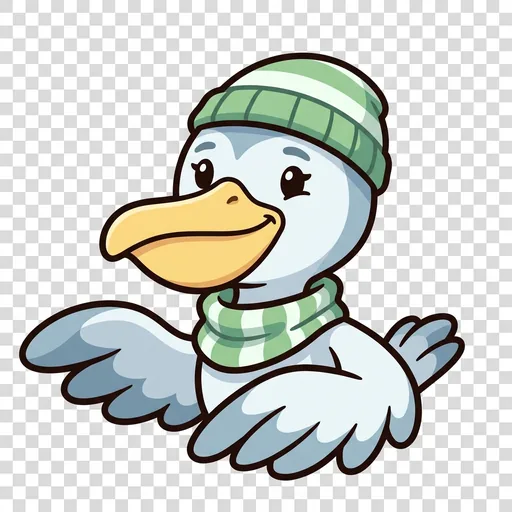
Berth
Making space — leave room in the sound and the plan so every part fits; quiet the loud, invite the quiet, nobody drowned out
-
Bravo
Specific appreciation — notice one exact thing a partner did well and name it out loud, so they know their part landed
-
Dovetail
Dovetailing ideas — when two ideas differ, find the shape where both fit and interlock; neither cut away, neither swallowed
-
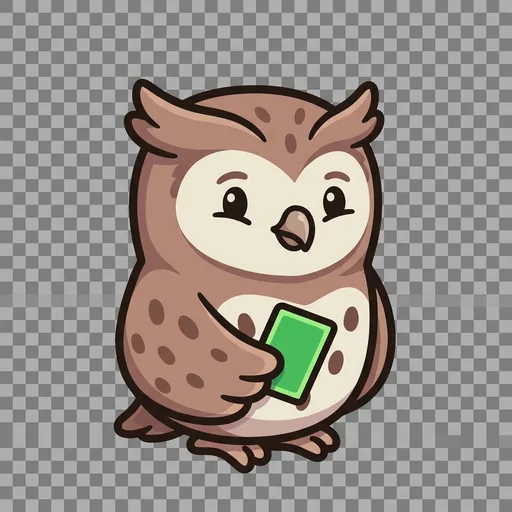
Nod
Non-verbal signals — a clear wordless cue (a nod, a raised wing, a card) for ready, done, my-turn, or pause
-
Outline
Co-planning — before anyone makes anything, sketch the shared shape together, so nobody has to guess where it's going