Verge
THE THRESHOLD
Loading audio…
Press play to listen along. The line being read lights up as you go.
Show full transcript
Loading transcript…
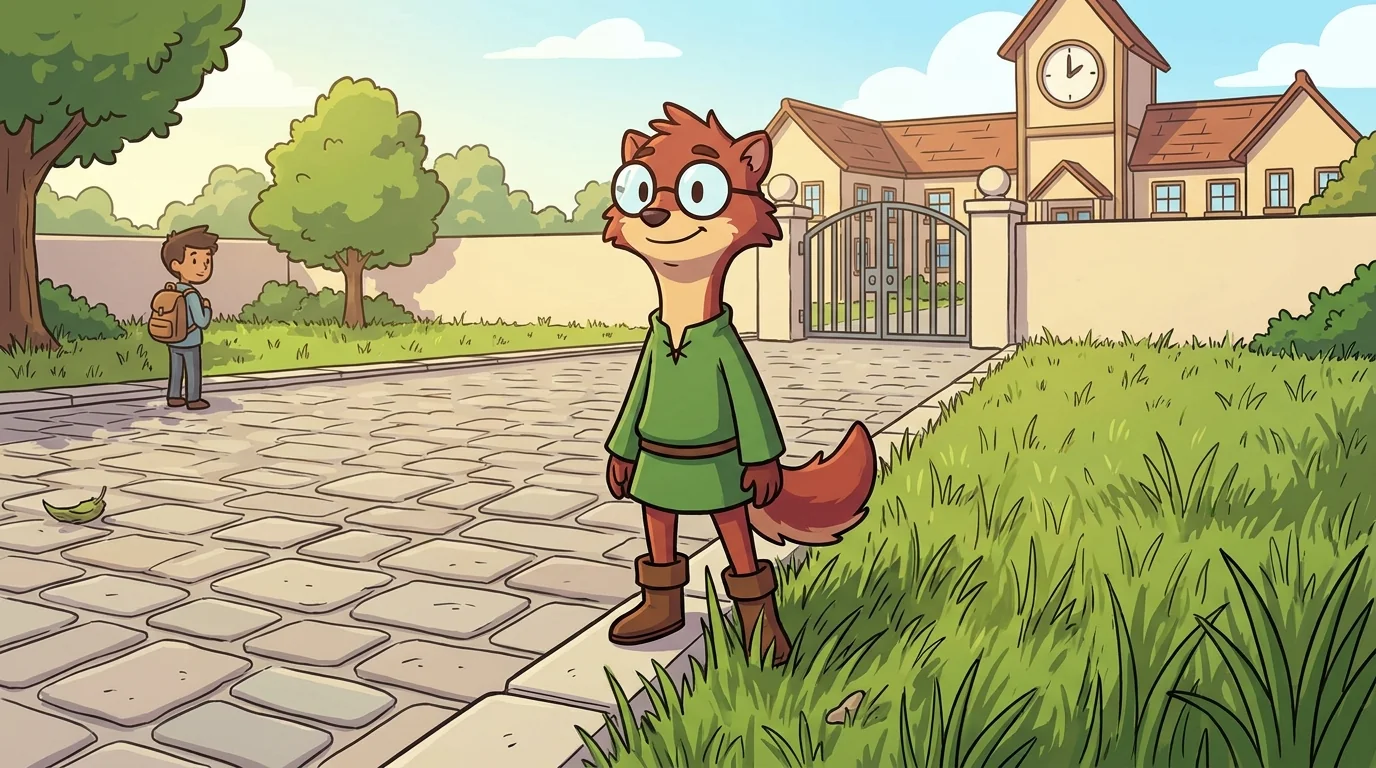
At the very edge of the LoreQuest courtyard, where the neat swept stones gave way to the wild long grass, a slender creature named Verge stood with one foot on each side of the line, and would not fully step over, and would not fully step back.
A student watched, puzzled. "Are you coming or going?"
"I'm on the verge," Verge said, as if that explained everything. "The best place in any story. The line between the world you know and the world you don't." She nodded down at her two feet, one on swept stone, one in wild grass. "Every good tale has a door like this. A doorstep. A shoreline. The mouth of a cave, the edge of a wood, the last house before the map goes blank. The hero stands here — right here — knowing that once they cross, the small safe world is behind them, and the big strange one is ahead." She rocked gently on the line. "And here's the part that matters: you can walk back over a threshold, but you can't un-cross it. Whatever you meet on the far side, you carry home. The door only looks the same from the other side. You're the thing that's different."
The student looked at the line under Verge's feet, and at the wild grass beyond it, and felt, oddly, the small thrill of an edge.
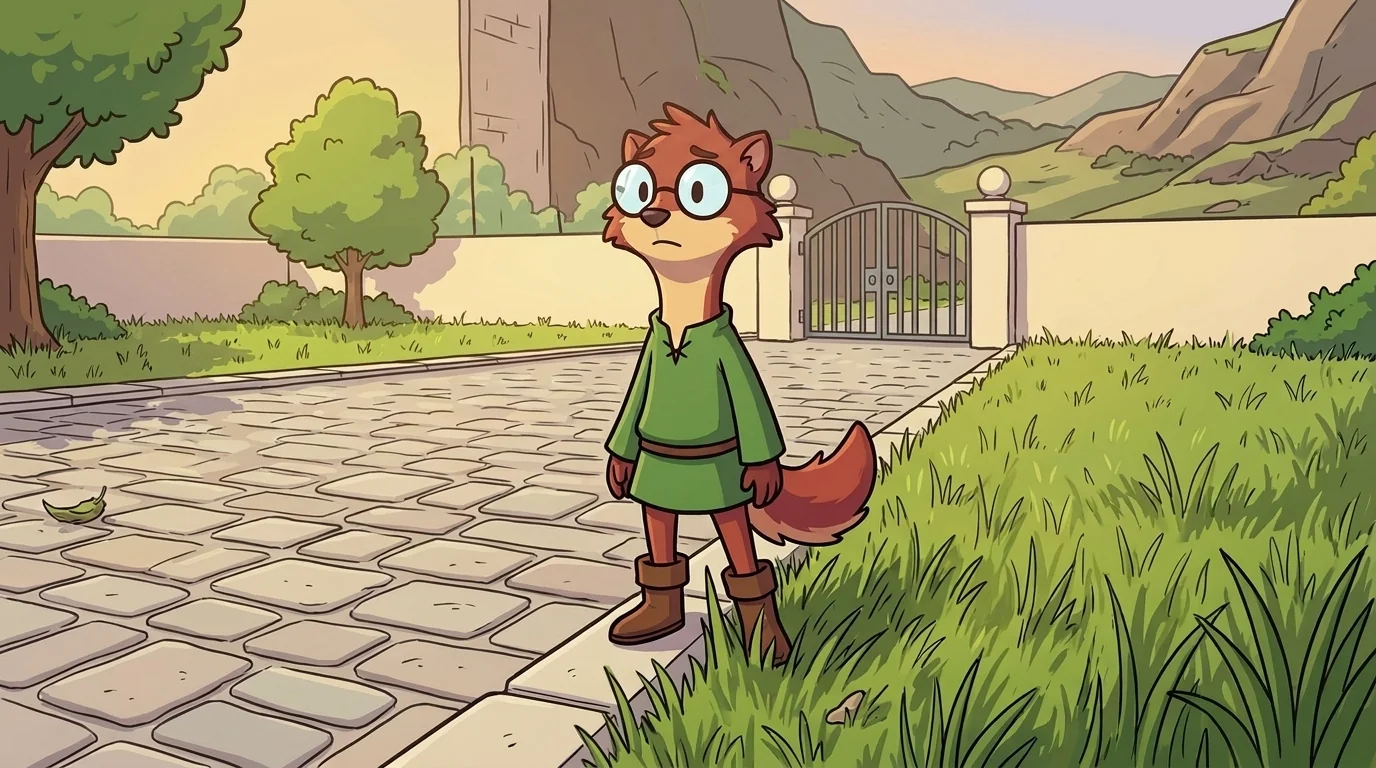
Verge had felt that edge long before she had a word for it.
She'd grown up in a snug, walled place, warm and known, where every path led somewhere she'd already been. And there had been a gap in the wall — small, easy to miss — that led out, to the unmapped hills. For years she'd only stood at it, one foot forward, one foot back, wanting and afraid.
An elder found her there one dusk, hovering. The elder didn't push her through, and didn't pull her back. "You've stood at this gap a hundred times," the elder said. "What keeps you?"
"If I go out there," Verge said, "and come back — I'll be different. And I don't know into what."
"Yes," said the elder simply. "That's what a threshold is. Not a door that changes where you are. A door that changes who you are. You can't cross one and stay the same — that's the whole point of crossing. The small self that stands here won't be the self that comes home." The elder's eyes were kind. "That's not a thing to fear, child. That's the oldest promise in every story ever told: cross the line, and you'll come back more. The only ones who never change are the ones who never step over."
So Verge stepped over. And the hills changed her, exactly as promised — and when she came home through the same small gap, she saw that it had never really been the gap that was magic. It was the crossing.
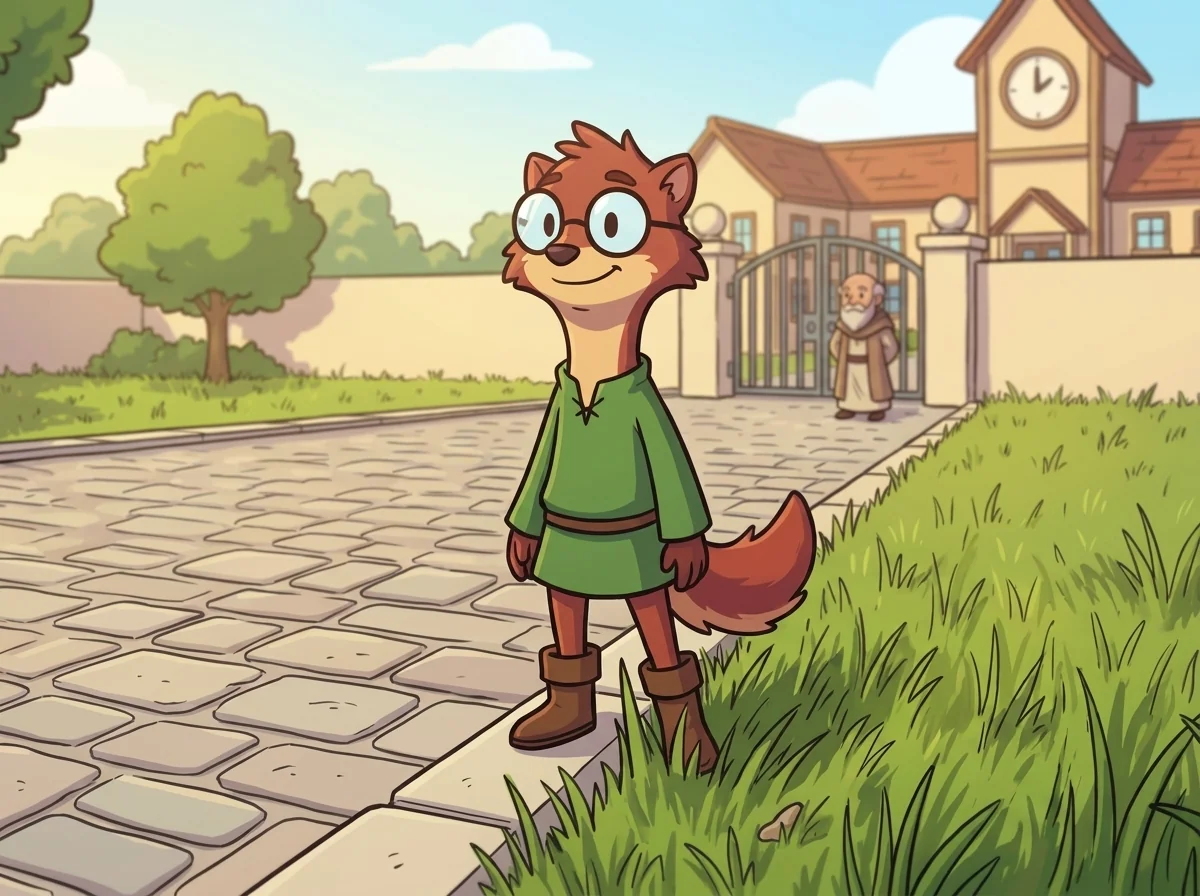
She walked to LoreQuest at twelve, because a place that studied stories ought to understand the line every hero has to cross.
Plot, the old mentor, met her at the gate. "What is the threshold?"
Verge didn't recite a definition. She simply walked up to the gate's own doorstep — the line between the road and the courtyard — and stood on it, one foot on each side, and waited until Plot noticed exactly where she stood.
"The threshold is this," she said. "The line between the known and the unknown. Not the adventure itself — the edge of it. The moment before the story really begins, when the hero could still turn back, and doesn't." She looked up. "And once they step over your gate here, they can visit the road again — but they'll never be a stranger to your courtyard again either. Crossing a threshold spends something you don't get back: the not-having-crossed."
Plot looked at the creature balanced on his doorstep for a long, long moment.
"You belong here," he said.
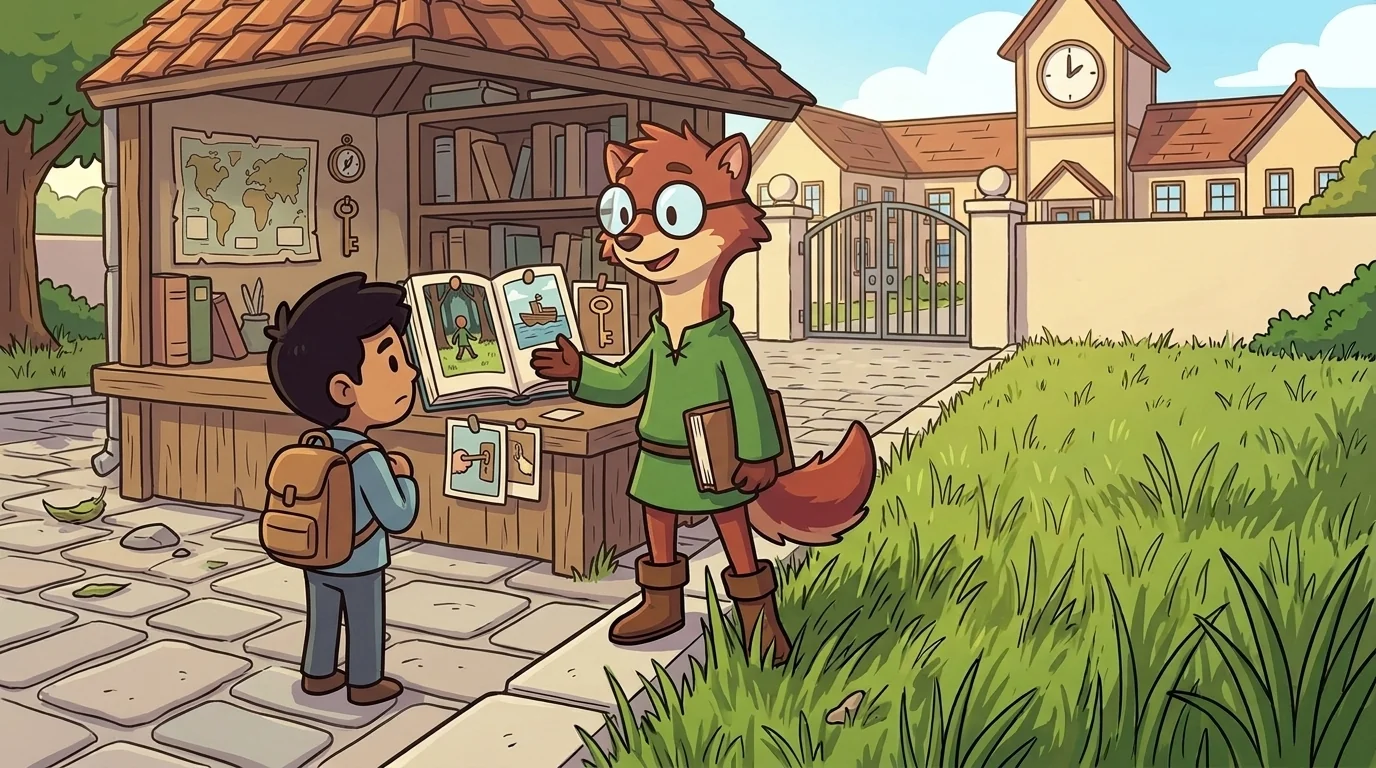
Verge's workshop sat right at the edge of the building, half in and half out, and a student came in one afternoon stuck on a story that wouldn't start.
"My hero's just... at home," she said, frustrated. "Safe. Fine. And nothing happens. The story won't go. I don't know how to make it begin."
Verge knew that stuckness. She'd stood at a gap in a wall for years.
"Your hero needs a door," she said. "A threshold. Show me the edge of their safe world — and then give them a reason to step over it." She pulled down a card. "Across countless traditions, in stories that never met, the tale truly begins the moment the hero leaves the known behind — steps past the last familiar thing into the strange. The child who walks into the forbidden wood. The traveler who takes the road no one takes. The one who finally opens the door they've walked past a thousand times." She tapped the student's page. "Your hero is safe. That's why nothing's happening. Safety is where a story waits. The story starts when they reach the verge — the shoreline, the gate, the edge of the map — and cross it." She smiled. "Find your hero's threshold. Put them on the line. Then give them the nudge that sends them over. That's your first page."
The student's eyes went wide. "So I don't need a big event. I need a door. And someone brave enough — or pushed enough — to cross it."
"That's the whole beginning of nearly every story there is," said Verge.
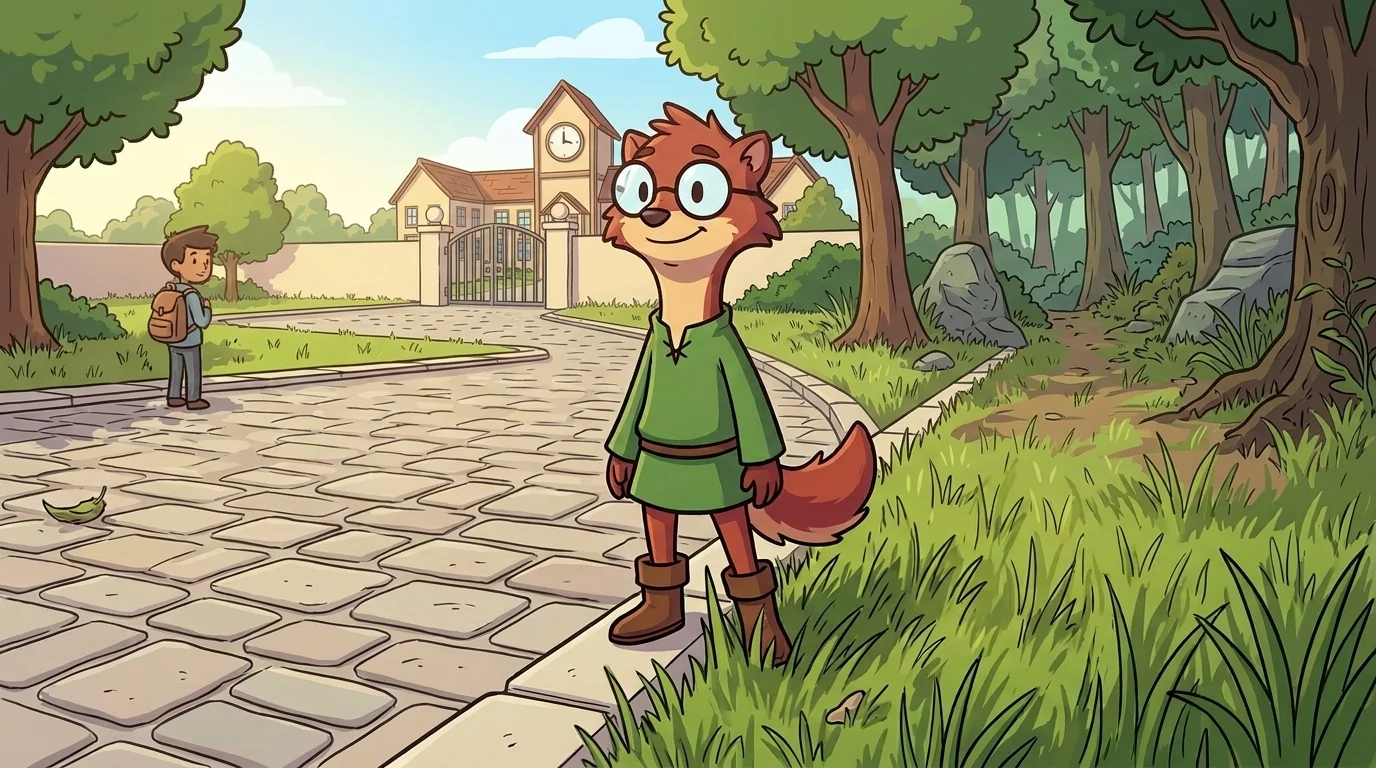
Later, when the workshop had quieted, the student lingered at Verge's own half-in, half-out doorway.
"When my hero finally steps into the wood," she said, "I feel this little shiver. Like the story just... woke up. Why does crossing a line feel like that?"
Verge thought about the gap in the wall, and the elder, and the self she'd left on the safe side forever.
"Because a threshold is a promise," she said. "It says: past this line, you will not be the same. And some deep part of us knows that's where living actually happens — not in the safe walled place, but out past its edge, in the strange world that changes you." She rocked on her line, one foot each side. "That shiver you feel is the story becoming real — the moment the hero stops being safe and starts being transformed. Every tale worth telling has that line in it somewhere. And every one of us has stood on one — one foot forward, one foot back — and felt exactly what your hero feels." She smiled, warm. "The magic was never the far side. It was the crossing. It always is."
The student breathed out, and Verge watched the story wake up behind her eyes.
She didn't say the last part aloud, but she felt it, warm and steady right at the edge of her ribs: the door that matters isn't the one that changes where you stand — it's the one that changes who comes back.
Hear it as an audio drama
A short play starring Verge, from LoreQuest. Different voices, same idea. Listen any time after you read.
Loading audio…
Read the drama script
- Narrator: From Spark and Anvil and LoreQuest — this is Verge, in chapter 1 of the LoreQuest cast.
- Narrator: This drama uses an AI-generated voice. Voiced via Gemini 2.5.
- Narrator: This story covers old stories from many cultures. Parents may want to listen first.
- Narrator: Verge stood at the courtyard's edge, where swept stone gave way to wild grass, one foot on each side of the line, refusing to fully cross or step back.
- Narrator: Are you coming or going, a student asked.
- Verge: I'm on the verge. The best place in any story. The line between the world you know and the world you don't. And this line isn't scenery. It's a structural gate.
- Verge: Every good tale has a door like this. A doorstep, a shoreline, the mouth of a cave, the last house before the map goes blank. Storytellers call it the threshold, and crossing it is the moment the real story begins.
- Verge: Here's the part that matters. You can walk back over a threshold, but you can never un-cross it. Whatever you meet on the far side, you carry home. The door looks the same from the other side, but you're the thing that's changed.
- Narrator: So it's just a doorway, the student said.
- Verge: A doorway doing three jobs at once. It marks the shift, this side ordinary, that side strange. It guards the shift, thresholds are often watched or forbidden, so crossing costs something. And it promises the shift, because a threshold shown is a threshold meant to be passed.
- Verge: Nearly every people on earth builds tales this way. The child into the wood, the sailor past the last cape, the traveller through the gate at the world's edge. The props differ, the shape is shared. A here, a there, and a line between that changes whoever steps across.
- Narrator: A quiet, steady gladness settled in her, the anticipation of a change about to come.
- Verge: When a story shows you a threshold, it's telling you the world, and the hero, is about to change. You can cross back. You just can't cross back unchanged.
- Narrator: You've been listening to a Spark and Anvil chapter, written by the Spark and Anvil writing team for ages 9 to 14.
- Narrator: Apps stay free forever.
- Narrator: Curriculum aligned to Common Core English Language Arts.
- Narrator: If anything in this story brought up big feelings, talking to a trusted adult helps. You can also reach support lines anytime.
- Narrator: With cultural-knowledge credit to the Indigenous, traditional, and community knowledge holders whose practice and care this story draws on.
- Narrator: Released under Creative Commons BY-NC-SA 4.0 for educational reuse. Visit Spark and Anvil for the full transcript.
The LoreQuest ensemble
Verge is one of the friends in LoreQuest. Each friend shows you one idea by how they act; meet them all and you have the whole subject.
-
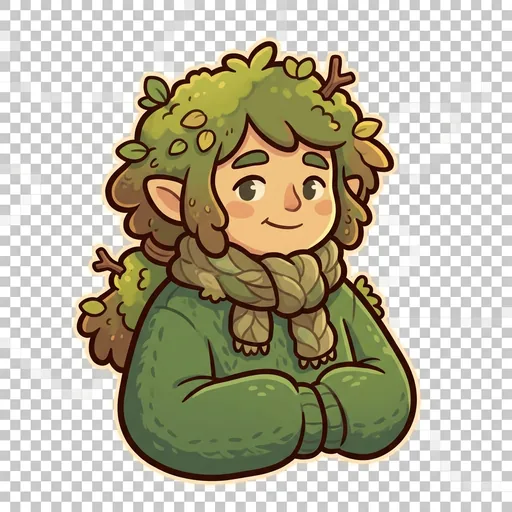
Mossy
Forest / nature-spirit archetype (the quiet local-landscape entity who appears across many traditions — wood-elves, dryads, kami of place, etc., abstractly)
-
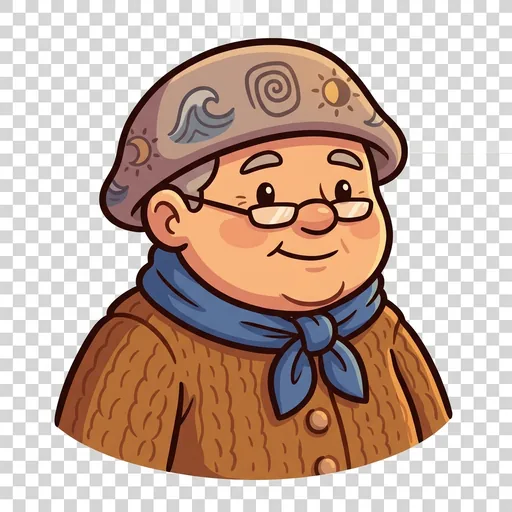
Refrain
Repeating-tale / echo motif archetype (motif recurrence — same story-pattern appearing across cultures: flood myth, hero descent to underworld, twin gods, etc.)
-
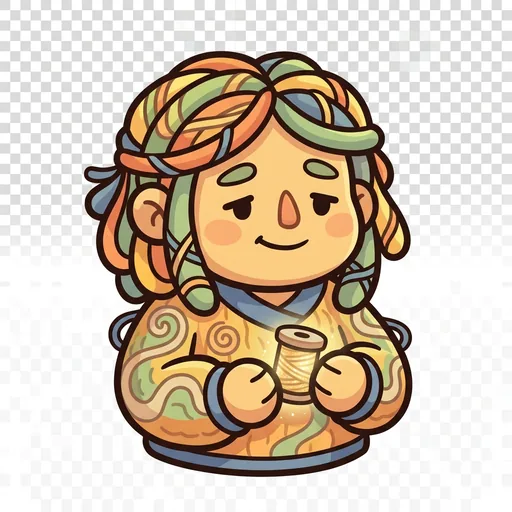
Thread
Hero-journey / fate-spinner archetype (the spinning thread of destiny that recurs across heroic narratives — Moirai, Norns, Anansi-as-spider, etc., abstractly)
-
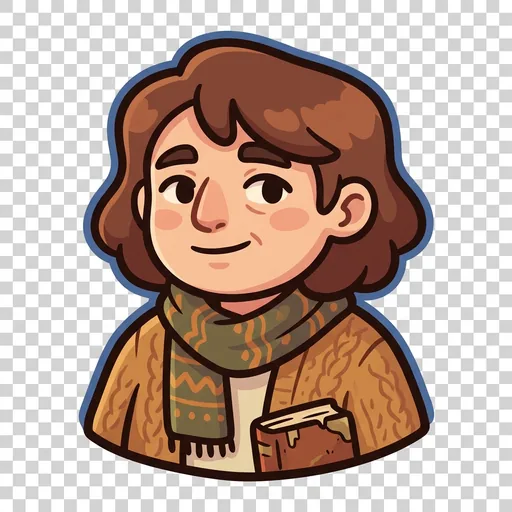
Ruse
Clever-fool / trickster archetype (the figure who breaks the rules and teaches a lesson by doing so — recurs across MANY traditions, but referenced **abstractly** here; the cast...
-
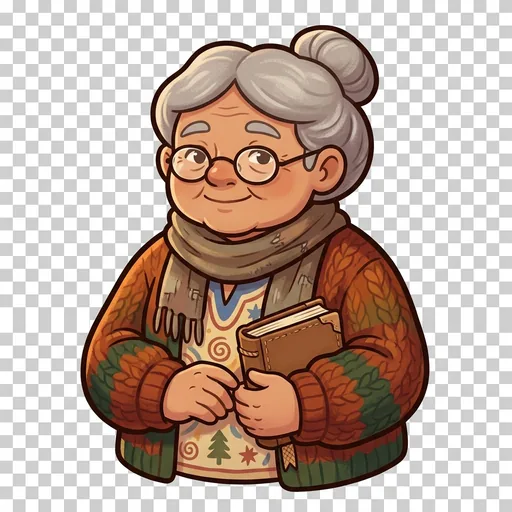
Hearth
Origin / family / hearth-storyteller archetype (the figure who carries oral tradition; the grandmother / elder who tells the stories — found in nearly every tradition's framing...
-
Barter
The bargain — the wish granted with a catch, and the price is the point
-
Behest
The forbidden thing — the one rule a story hangs on (do not open it)
-
Boon
The grateful gift — a small kindness freely given that returns
-
Thrice
The rule of three — two tries set the pattern, the third breaks it