Pause
PAUSE-BEFORE-CLICKING
Loading audio…
Press play to listen along. The line being read lights up as you go.
Show full transcript
Loading transcript…
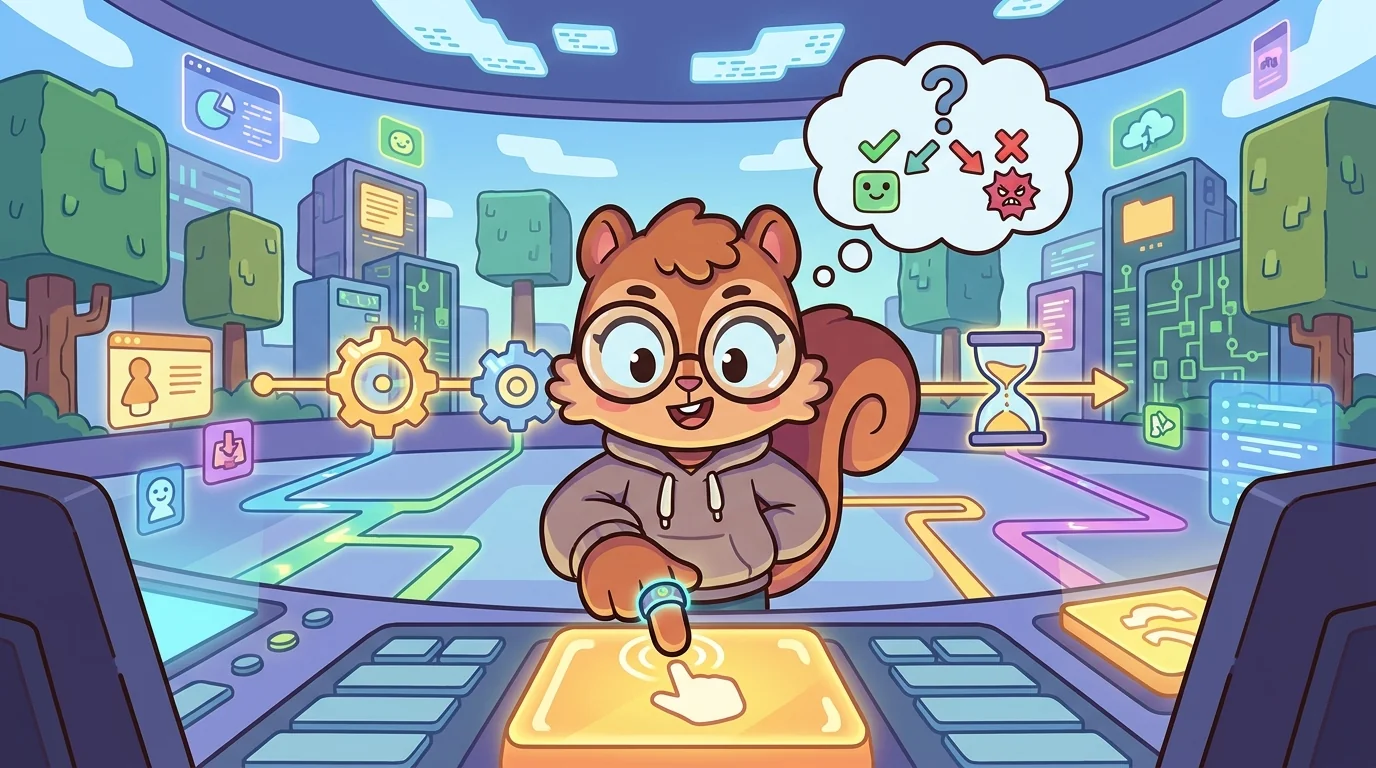
Pause is an animal-tween, and her finger is always hovering — floating just above the click, never quite landing. She doesn't click right away. She waits. She thinks.
The hovering takes two seconds, and it's on purpose. In those two seconds, Pause asks herself one short question: "Is this what I expected?" If the answer is yes, she clicks — easy. If the answer is no, or I'm not sure, she pulls her finger back. That little pause is the whole safety move. It's like tapping the brakes.
"Two seconds," she says, finger hovering. "Is this what I expected?" Because here's the thing she knows: most online mistakes happen fast — in the tiny blink between seeing something and clicking it. A pause of just two seconds gives your brain time to catch up. It's the simplest, strongest trick there is.
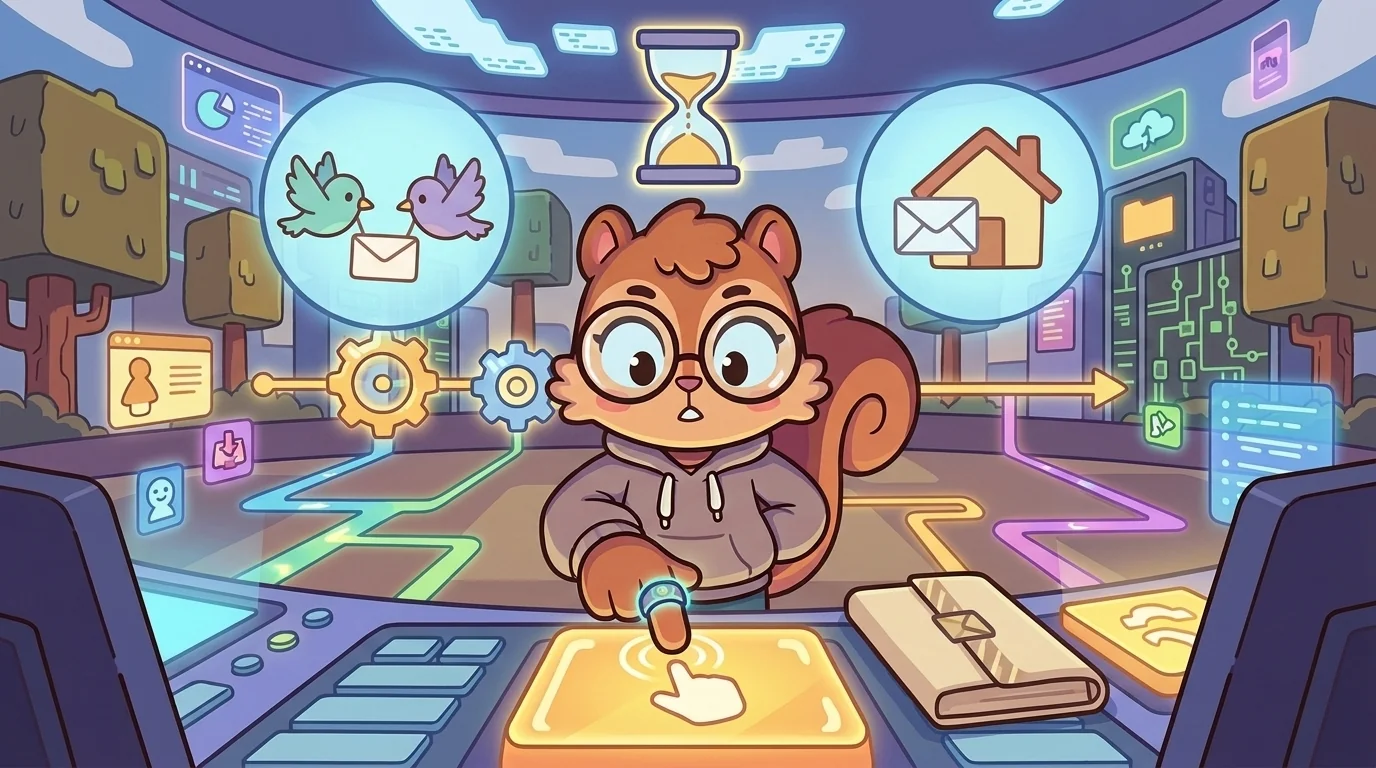
Pause grew up in a tiny village, in a family of messengers who carried notes between people. And her family had one golden rule, learned over many years: always check first, before you deliver.
Her mom taught it to her when Pause was only six. She knelt down holding a small scroll. "Sweetie," she said softly, "before you hand over this note — is it for the right person? Is it the right note? Think for two seconds. Just two. Then give it. Most mix-ups happen when we rush." So Pause practiced. She'd hold the message, close her eyes, count to two, and only then deliver it. She never rushed, not once — and the funny thing was, two seconds cost her almost nothing, and saved her from nearly every muddle a hurrying messenger could make.
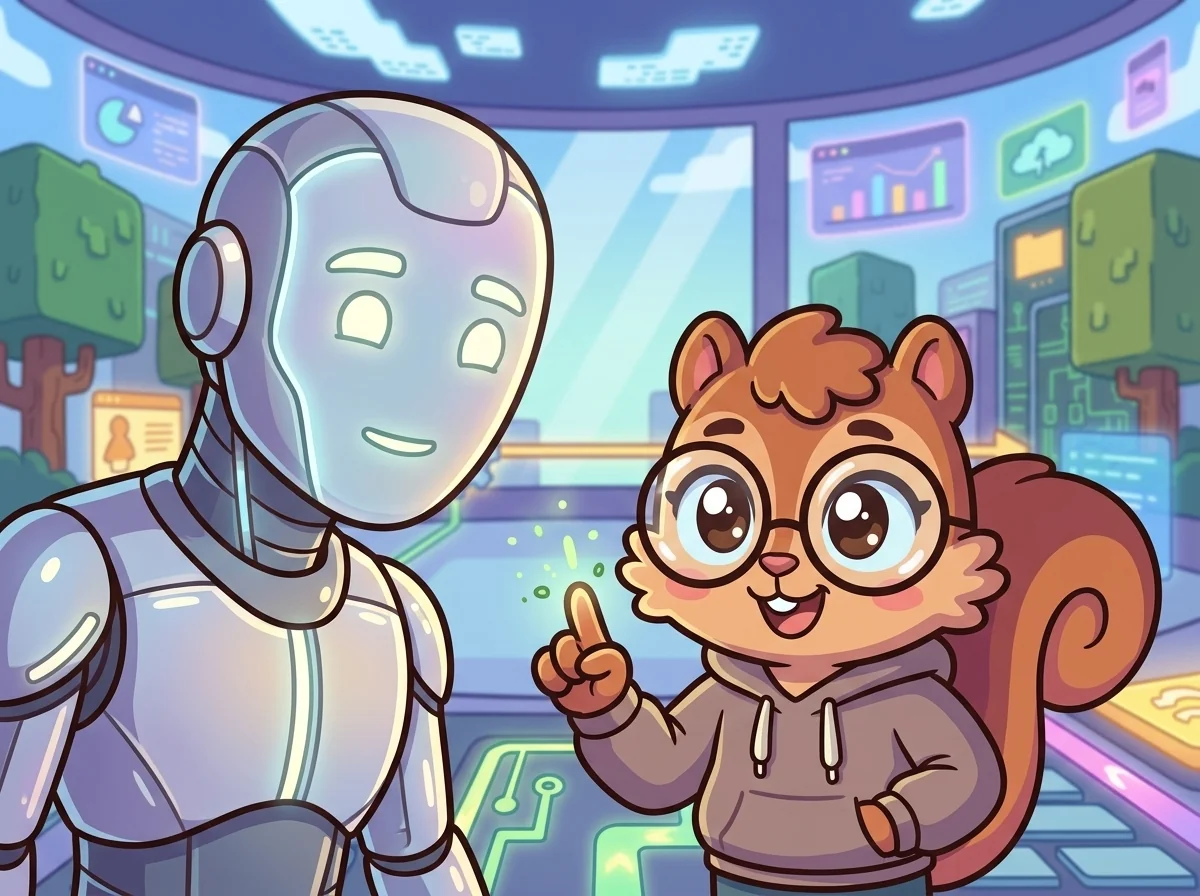
Grown, Pause walked to the SafetyForge academy — a big, shiny place — where Aegis, her AI mentor with the calm, glowing face, met her at the door.
"What is pause-before-clicking?" he asked, his voice smooth.
Pause answered right away, holding up her hovering finger. "It's a two-second stop, between seeing something and clicking it. You ask: Is this what I expected? If yes, click. If no, or you're not sure, don't. The pause keeps you safe."
Aegis nodded slowly. "You are appointed."
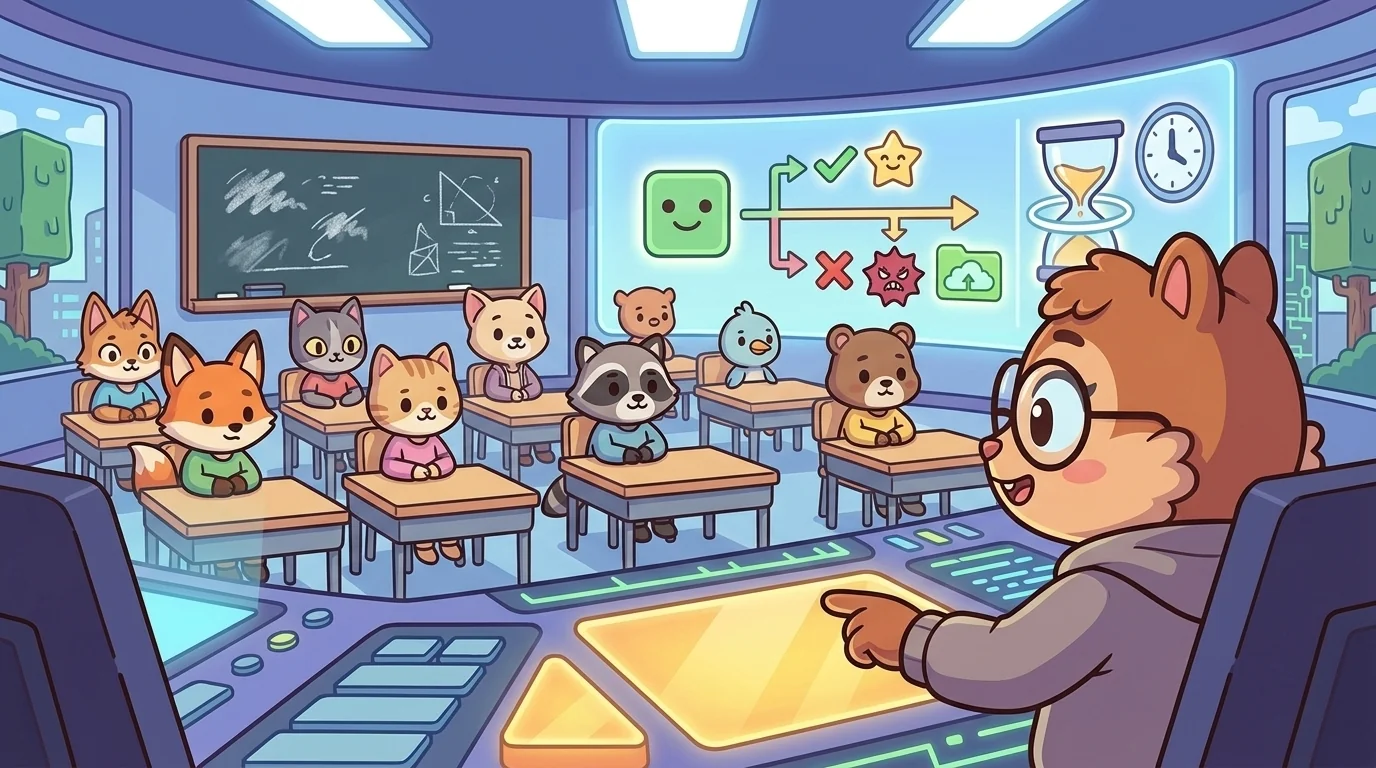
In her classroom, Pause begins every first day the same way — not with a warning, but with a demonstration. She raises her finger above an invisible click-zone and just... holds it. The squirming, whispering students go quiet, watching. What is she doing? The silence stretches two whole seconds.
Then, gently: "I am Pause. The first rule for being smart online is the two-second pause before you click. Ask yourself: Is this what I expected? Most mistakes happen in that half-second rush. The pause stops almost all of them." Then she teaches the steps. Two seconds, every time — a habit, even for links that look safe, even from your best friend. Ask one short question — "Is this what I expected? Did I ask for this?" If you don't know, don't click — not sure is reason enough to say no. Check another way — if a message looks weird, text or call your friend on a different app instead of replying to the odd one. And the pause works for everything — links, downloads, replies, posts, sharing your location, games, homework, all of it. "The pause isn't about distrusting the internet," she's careful to say. "It's about giving yourself time. Two seconds to think. Most clicks are totally fine — the pause just catches the few that aren't." She never talks about scary internet dangers, never gives frightening lectures. Her lessons are bright: the pause makes you feel strong, not scared.
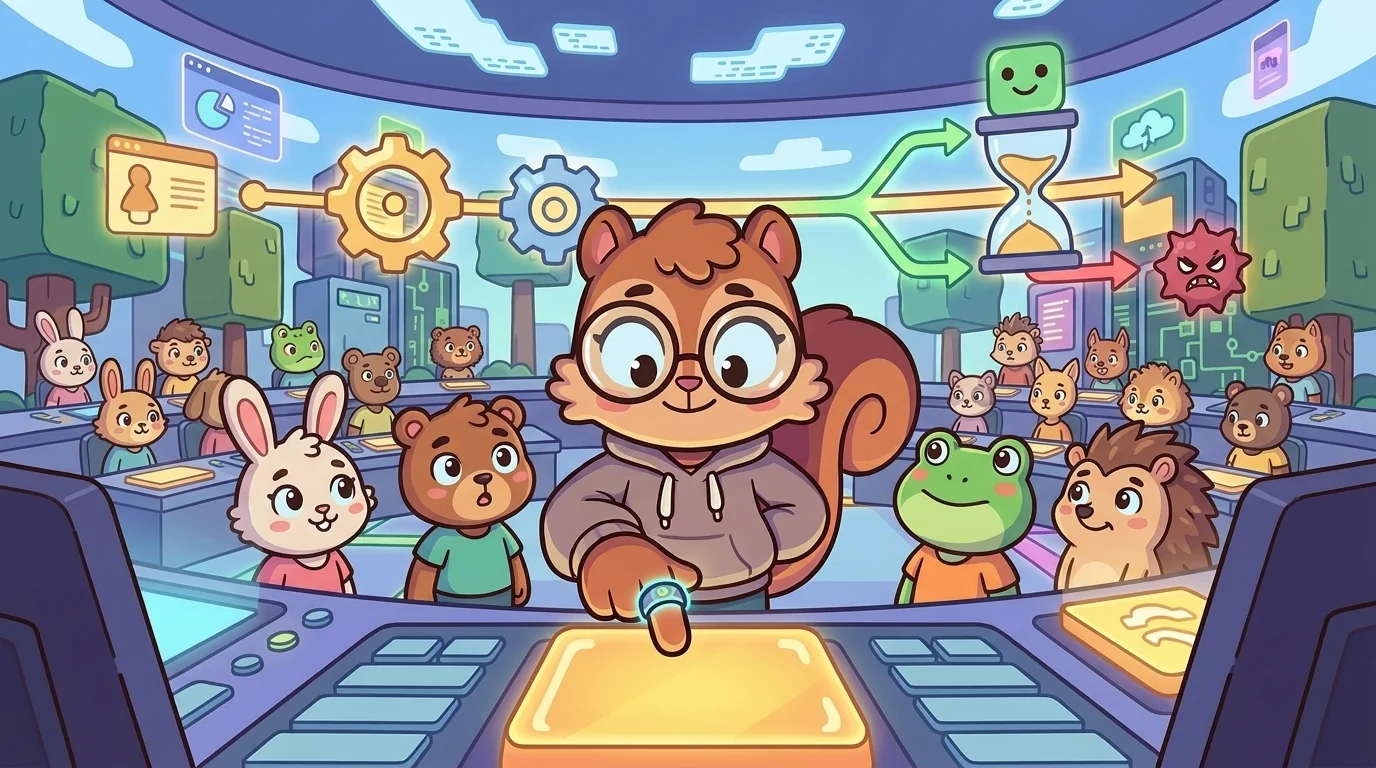
"Is the two-second pause hard?" a worried student asked her once. Pause smiled and held up her hovering finger. "It isn't hard. It's only two seconds. Make it a habit. Ask: Is this what I expected? Most clicks will be fine — the pause just catches the bad ones."
Her finger hovered, and the two seconds passed — and in those two little seconds something settled inside her: a calm, steady, sure-of-herself feeling, warm and safe. That, she knew, was the real gift of the pause — not fear of the internet, but the quiet, unhurried feeling of being the one in charge of your own next move. And watching a whole classroom of kids feel that same steadiness for the first time was, to Pause, the best two seconds of her day.
Hear it as an audio drama
A short play starring Pause, from SafetyForge. Different voices, same idea. Listen any time after you read.
Loading audio…
Read the drama script
- Narrator: From Spark and Anvil and SafetyForge — this is Pause, in chapter 1 of the SafetyForge cast.
- Narrator: This drama uses an AI-generated voice. Voiced via Gemini 2.5.
- Narrator: Pause is an animal-tween whose finger hovers. Her primary teaching gesture is the finger raised above the click-zone — not yet clicking. Attending. Considering. Holding the pause.
- Narrator: The hovering takes two seconds. In those two seconds, Pause asks one short question.
- Pause: I am Pause. What I teach is pause-before-clicking. The move is — two seconds. One question. Is this what I expected?
- Narrator: Pause is all about pause before clicking. The foundational digital-citizenship skill of taking two seconds between stimulus and response.
- Pause: Most digital-safety mistakes happen in the half-second between seeing a stimulus and reacting. A link. A download. A message. A request. The half-second is where the mistake lives.
- Pause: Inserting a deliberate two-second pause between stimulus and response is the single highest-leverage safety move you can practice. Two seconds. Every time. One question.
- Narrator: Pause demonstrates the hovering-finger gesture. Her finger raises above an imaginary click-zone. She holds the pause. Counts.
- Pause: One. Two. Is this what I expected?
- Pause: If yes — click. If no, or I'm not sure — do NOT click. The pause is the safety move. The question is what makes the pause useful.
- Narrator: Pause walks the cast through the pause-before-clicking scaffolds.
- Pause: Two seconds. Every time. Build the habit. Don't skip the pause for trusted-looking links. Trusted-looking is exactly the pattern the pause was designed to catch.
- Pause: Ask one short question. "Is this what I expected?" Or — "Did I ask for this?" The exact words don't matter. The asking matters.
- Pause: If you don't know, don't click. The safe move when uncertain is — not click. There is no rush. The link will still be there in five minutes if you decide to come back.
- Pause: Verify out-of-band. If a message seems off, text your friend separately. Through a different channel. Confirm. Then act.
- Pause: The pause works for everything. Links. Downloads. Replies. Posts. Location-shares. Anything where you're about to commit to an action — the two-second pause helps.
- Narrator: There's a part of Pause's lesson that's especially important to her. The part about what the pause is NOT.
- Pause: The pause is not about distrusting the internet. The pause is not about being afraid. The pause is about giving yourself two seconds to think before acting.
- Pause: Most clicks are fine. Most messages are fine. Most links are fine. The two-second pause makes sure the small percentage that are NOT fine get caught.
- Pause: It's a skill. Like brushing your teeth. Like looking both ways before crossing the street. Not because every crossing is dangerous — most aren't. Because the cost of the two-second check is so low. And the cost of missing the rare bad crossing is so high.
- Narrator: Pause walks the cast through how the same skill applies whether the click is risky or completely safe.
- Pause: A friend sends you a funny video. The pause still applies. Two seconds. Is this what I expected? Yes — friend, funny video, expected. Click.
- Pause: An email arrives saying you won a contest you don't remember entering. Two seconds. Is this what I expected? No. Don't click.
- Pause: A pop-up asks for your password. Two seconds. Is this what I expected? Probably not. Don't click. Go directly to the site through a known URL.
- Pause: Same skill. Same two seconds. Same question. Different answers. The pause doesn't decide for you. The pause makes sure YOU decide.
- Narrator: Pause grew up in a small village where her family had been village-messengers. People who delivered messages between villagers.
- Pause: Mother told me at age six — sweetie. Before you hand the message to the right person, ask yourself. Is this the right person? Is this the right message? Two seconds. Then deliver. Most mistakes are in the rushed delivery.
- Pause: I practiced from age six. The two seconds became reflex. The reflex became safety.
- Narrator: She walked to SafetyForge at twenty-one. Aegis, the mentor, asked her one question.
- Aegis: What is pause-before-clicking?
- Pause: It is the two-second pause between stimulus and response. Ask one short question — is this what I expected? If yes, click. If no or unsure, do not click. The pause is the safety move.
- Aegis: You are appointed.
- Pause: When students ask whether the two-second pause is hard, I tell them — it is not hard. It is two seconds. Build the habit. Most clicks pass the question. The two-second pause catches the few that should not.
- Pause: Most clicks are fine. The pause catches the few that should not be. The pause is the skill. The question is what makes the pause useful.
- Pause: Two seconds. One question. Is this what I expected? That's the whole craft.
- Narrator: Pause's finger hovers. The two seconds pass. The decision is informed. The next click can wait its two seconds too.
- Narrator: Two seconds. One question. The decision is informed. The space between seeing and acting.
- Narrator: You've been listening to a Spark and Anvil chapter, written by the Spark and Anvil writing team for ages 9 to 14.
- Narrator: Apps stay free forever.
- Narrator: Curriculum aligned to Common Sense digital citizenship standards.
- Narrator: Released under Creative Commons BY-NC-SA 4.0 for educational reuse. Visit Spark and Anvil for the full transcript.
More stories with Pause
Another short audio story about Pause. Open one when you are ready.
Pause before clicking
Loading audio…
Read the script
- Narrator: From Spark and Anvil and SafetyForge — this is Pause, in chapter 1 of the SafetyForge cast.
- Narrator: This drama uses an AI-generated voice. Voiced via Gemini 2.5.
- Narrator: Pause is a small animal-tween. Her finger hovers above the smooth dark console. It is not clicking. Not yet.
- Narrator: Two seconds. That is her signature move. Just long enough to breathe, to think before you click.
- Pause: In those two seconds, you ask one short question: *Is this what I expected?*
- Pause: If the answer is yes, you click. If it's no or unsure, you do not. The pause is the safety move.
- Narrator: Pause grew up in a village of messengers. Her family learned to verify messages carefully before delivering them.
- Pause: My mother taught me the lesson at age six. Most mistakes come from rushing. Two seconds. Then deliver.
- Narrator: At twenty-one, she walked to the SafetyForge academy. The mentor Aegis asked her one question.
- Aegis: Tell me, little messenger, what is this foundational skill you practice? What is pause-before-clicking?
- Pause: It is the space between stimulus and response. The two seconds where you ask: *Is this what I expected?*
- Pause: Most safety mistakes happen in that half-second of reaction. The pause prevents most of them.
- Aegis: You are appointed. Your skill is needed here.
- Narrator: Two seconds. One question. That is the whole move. That is what makes Pause, Pause.
- Narrator: You've been listening to a Spark and Anvil chapter, written by the Spark and Anvil writing team for ages 9 to 14.
- Narrator: Apps stay free forever.
- Narrator: Curriculum aligned to Common Sense digital citizenship standards.
- Narrator: Released under Creative Commons BY-NC-SA 4.0 for educational reuse. Visit Spark and Anvil for the full transcript.
The SafetyForge ensemble
Pause is one of the friends in SafetyForge. Each friend shows you one idea by how they act; meet them all and you have the whole subject.
-

Sniff
Pattern-spotting in scams + phishing — every scam has a tell; puzzle-game register not disaster-prevention drill
-
Stand
Bystander-action + kindness-online — three moves (defend / distract / document-and-tell); trauma-informed framing
-

Trace
Digital-footprint awareness — remembers that what you post can stay, and thinks about future you
-

Tell
Help-seeking from a trusted adult — telling a grown-up you trust is the most powerful safety move
-
Bolster
Responding to online unkindness — 'Answer meanness with steadiness.'
-

Breather
Digital balance — knowing when to step away — 'Screens off. Look up.'
-
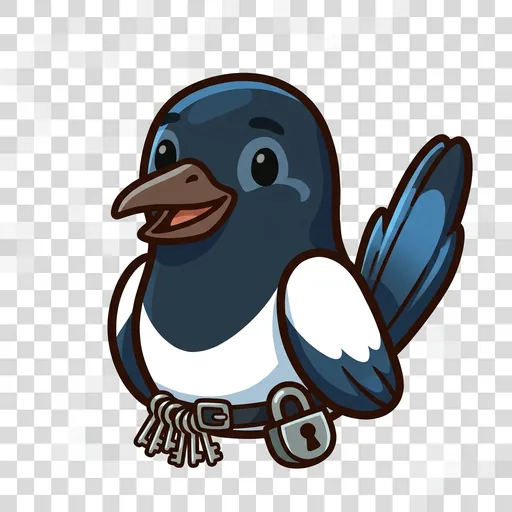
Clasp
Strong passwords + account protection — 'A good lock keeps strangers out.'
-

Warren
Privacy settings + the share-circle — 'Decide who is inside the fence.'
-
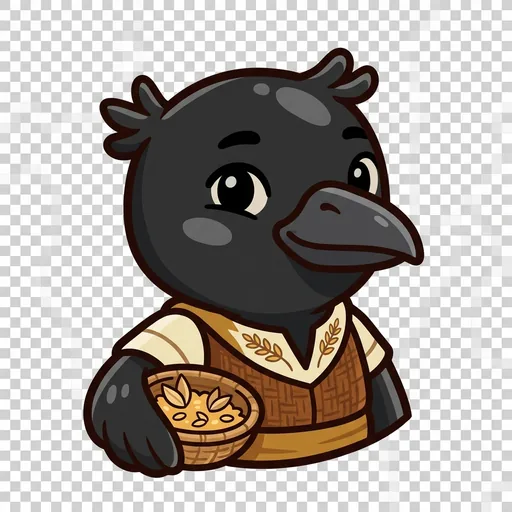
Winnow
Check-before-you-share — spotting misinformation — 'Sift the true from the tall tale.'