Dare
A real idea can be proven wrong
Loading audio…
Press play to listen along. The line being read lights up as you go.
Show full transcript
Loading transcript…
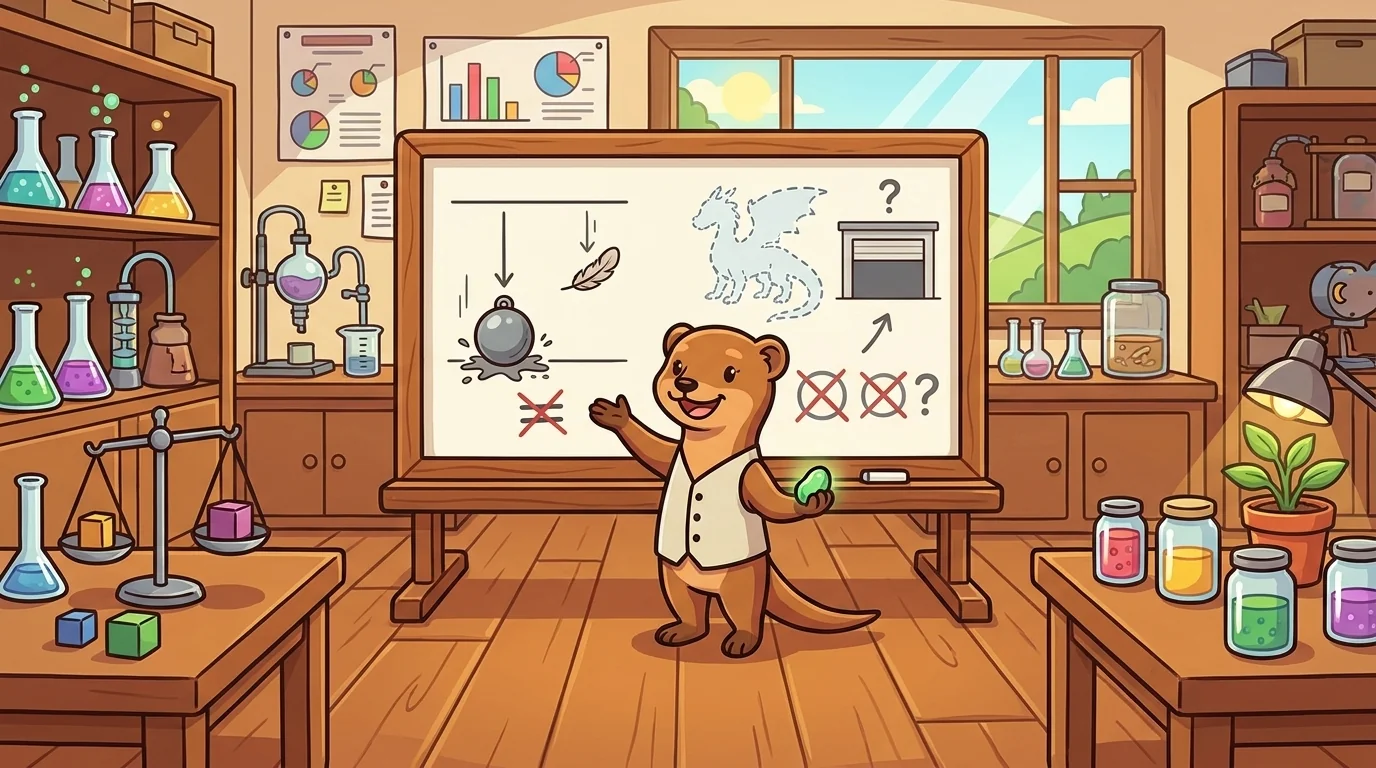
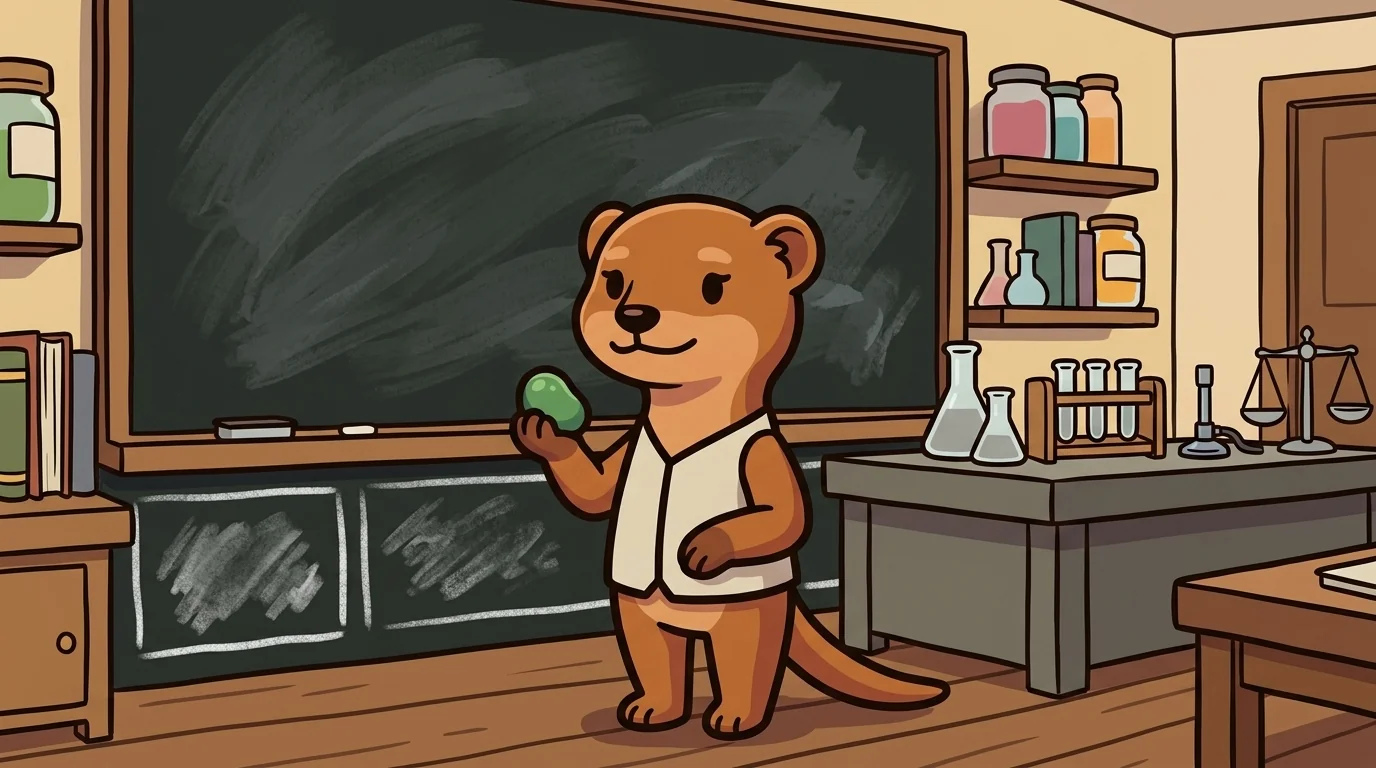
In the middle of the lab, a bold mongoose named Dare stood in front of her own new idea and did the bravest thing a scientist can do: she asked, out loud, what would prove this wrong?
Her whole craft is falsifiability — whether an idea can be tested and possibly disproven. "Everybody thinks a strong idea is one you can prove right," she said, chin high. "But that's backward. A strong idea is one that's brave enough to say exactly what would prove it wrong — and then stands there and lets you try." She tapped a claim on the board: heavy things fall faster than light things. "See — I can test this. I know what would prove it wrong: drop a heavy thing and a light thing together, and if they land at the same time, my idea is dead." She grinned. "So it's a real idea — because it dares to be wrong. Now watch a fake one." She wrote: there's an invisible dragon in my garage that you can't see, hear, feel, or detect in any way. "How would you prove that wrong? You can't! Every test I do, I'll just say 'ah, the dragon's undetectable.' There's no experiment that could ever disprove it — so it's not science. It's a story wearing a lab coat." She thumped the bench. "A real idea dares you to disprove it. A fake one dodges every test. If nothing could ever prove your idea wrong, then your idea doesn't actually say anything about the real world at all."
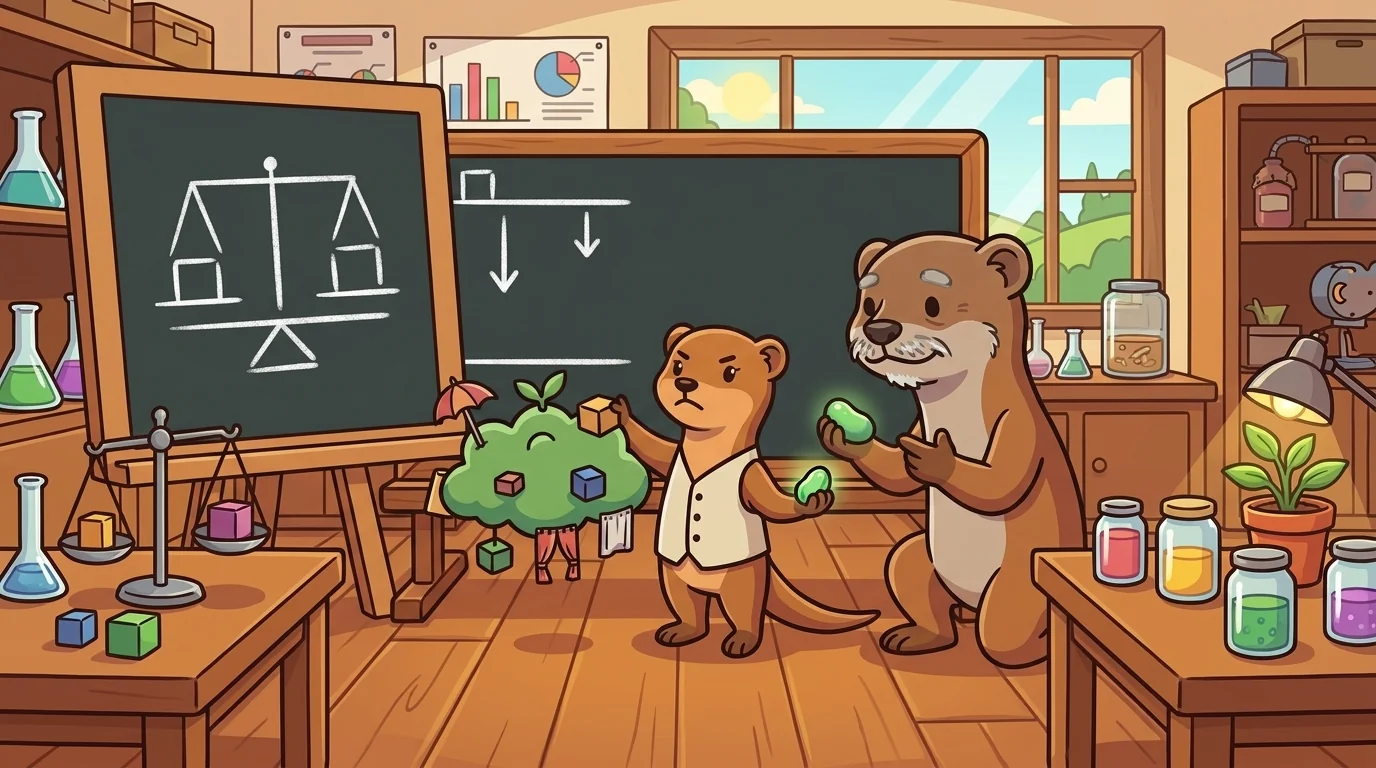
Dare learned the power of daring-to-be-wrong the day she caught herself hiding from every test.
She was young, and she had a pet idea she loved — and every time an experiment threatened to disprove it, she'd add an excuse: "well, it doesn't work on rainy days," "well, only when nobody's watching," "well, the conditions weren't perfect." Her idea could never lose. And she was proud of that — until her grandfather asked one question.
"If your idea can never be proven wrong," he said gently, "then how would you ever know if it were true?"
Young Dare froze. She'd never thought of it that way.
"An idea that dodges every test," her grandfather said, "isn't strong, little one — it's empty. If no possible result could ever disprove it, then no possible result could ever support it either. It just floats there, above the world, touching nothing, saying nothing, safe and useless." He looked at her kindly. "A brave idea does the opposite. It says, right out loud, 'here is the exact result that would prove me wrong.' And then it lets you run that test. That takes courage — because you might lose. But an idea willing to lose is the only kind that can ever really win, because it's the only kind connected to the real world, where things can actually be checked." He smiled. "So stop protecting your idea from every test. Set it free. Say what would break it — and dare the world to try."
Young Dare stopped adding excuses. She learned to state, bravely, exactly what would prove her wrong — and found, to her surprise, that it made her ideas stronger, not weaker.
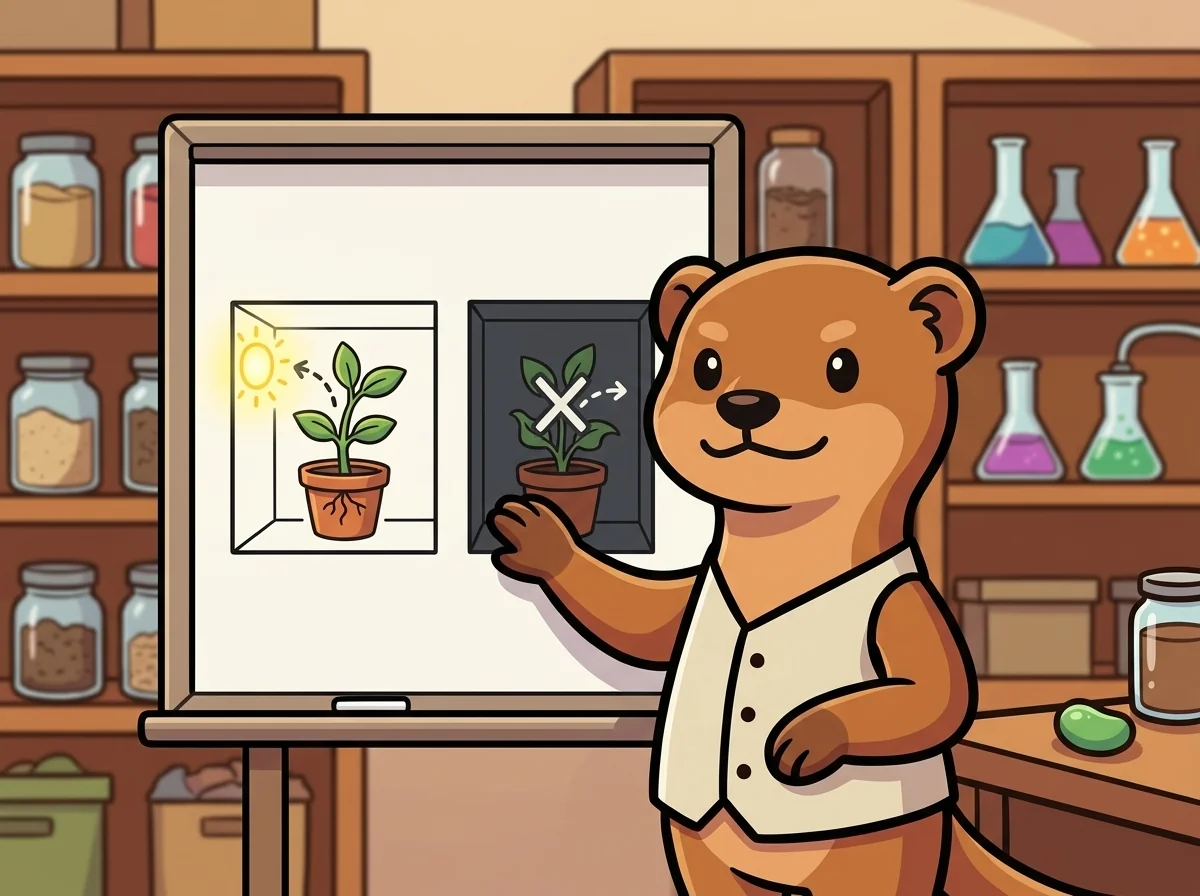
She walked to ScienceForge, because a place that hunted for truth ought to build ideas brave enough to be tested.
Prism, the leader, met her and asked, "What makes an idea scientific?"
Dare didn't answer with a speech. She wrote two claims. The first: plants grow toward light — "and here's what would prove it wrong: put a plant in a box with light on the left, and if it grows away from the light, I'm wrong. It dares to be tested." The second: plants have secret feelings no instrument can ever measure — "and there's no test that could ever prove that wrong, so it isn't science — it's a story." She looked up. "The first idea is brave. It names the exact result that would kill it. The second one hides. And only the brave one is science."
Prism looked at the two claims. "You are appointed," he said.
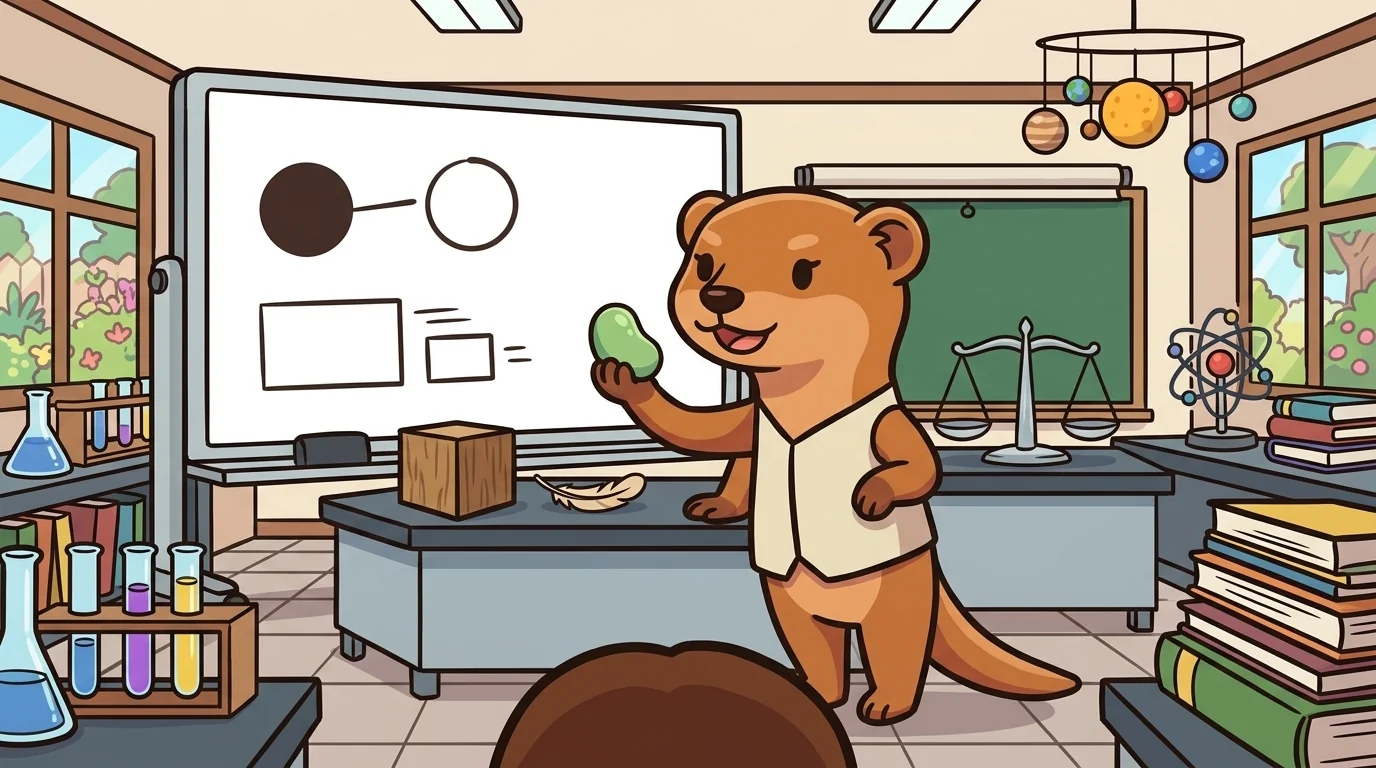
In the lab, Dare taught falsifiability with a game: "Name what would prove it wrong." For every claim a student made, she'd ask, "What result would show this is false?" If they could name a real test — great, it's a scientific idea. If they couldn't — if every possible result could be explained away — then, gently, "that's not a testable idea yet; it's a story." Then she gave the working rules: a scientific idea must be able to be proven wrong — you must be able to name the exact result that would disprove it, and then let someone try; an idea that dodges every possible test (always has an excuse ready) isn't strong, it's empty — if nothing could disprove it, nothing could support it either; and stating what would prove you wrong takes courage (you might lose), but it's the only thing that connects your idea to the real, checkable world. "A student had an idea he was sure was true and got frustrated that I kept 'attacking' it,'" Dare said. "But I wasn't attacking it — I was asking it to be brave. 'What would prove this wrong?' isn't an insult. It's the question that turns a story into science. When he finally named a real test — and his idea survived it — it was worth a hundred times more than an idea that had never dared to be tested at all."
"So a strong idea is one that's brave enough to be proven wrong?" a student said slowly.
"Brave enough to be tested," Dare agreed, and she stood tall in front of her own newest idea and said, out loud and unafraid, exactly what would prove it wrong — and then dared the world to try — feeling the deep, clean strength of an idea that had nothing to hide. There was a warm, courageous happiness in it — the bold gladness of a mongoose who had learned that the bravest thing wasn't defending an idea from every test, but offering it up to be tested, that "here's what would prove me wrong" was not weakness but the very source of an idea's strength, and that only an idea willing to lose could ever truly, honestly win. It made her feel bold, and honest, and unafraid. That dare-to-be-wrong, name-what-would-break-it, brave-enough-to-be-tested warmth — the courageous gladness of a creature who set her ideas free — was, to Dare, the fearless heart of real science. "A real idea," she said softly, standing before her own, "dares you to prove it wrong — and stands there while you try."
The ScienceForge ensemble
Dare is one of the friends in ScienceForge. Each friend shows you one idea by how they act; meet them all and you have the whole subject.
-

Question
Question-formation — 'what do we want to find out?' (curious wren)
-

Predict
Hypothesis-formation — 'I think... because... so we should see...' (steady fox)
-

Setup
Experiment-design — 'one thing changes, everything else stays' (methodical beaver)
-

Sample
Data-collection + measurement — 'many measurements; then we see the shape' (patient cat)
-

Conclude
Data-interpretation + revision — 'the data shows... but maybe... let's check' (thoughtful owl)
-
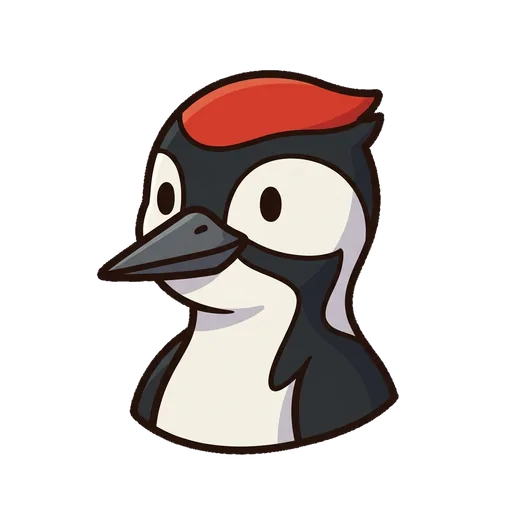
Rerun
Replication / reproducibility
-
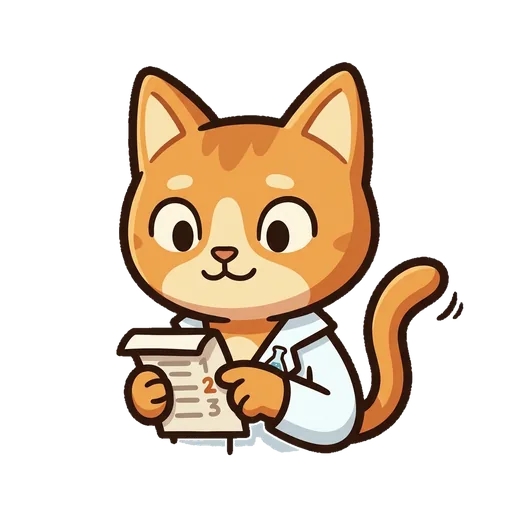
Stray
Anomaly / the surprising result
-
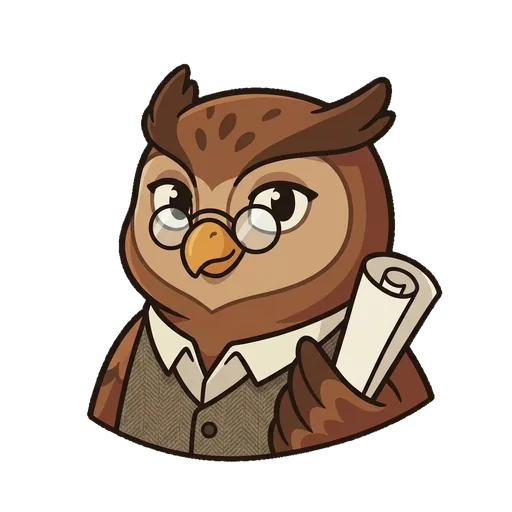
Grill
Peer review / critique
-
Coincide
Correlation vs causation