Grill
Before the world believes you, other scientists try to poke holes in your work
Loading audio…
Press play to listen along. The line being read lights up as you go.
Show full transcript
Loading transcript…
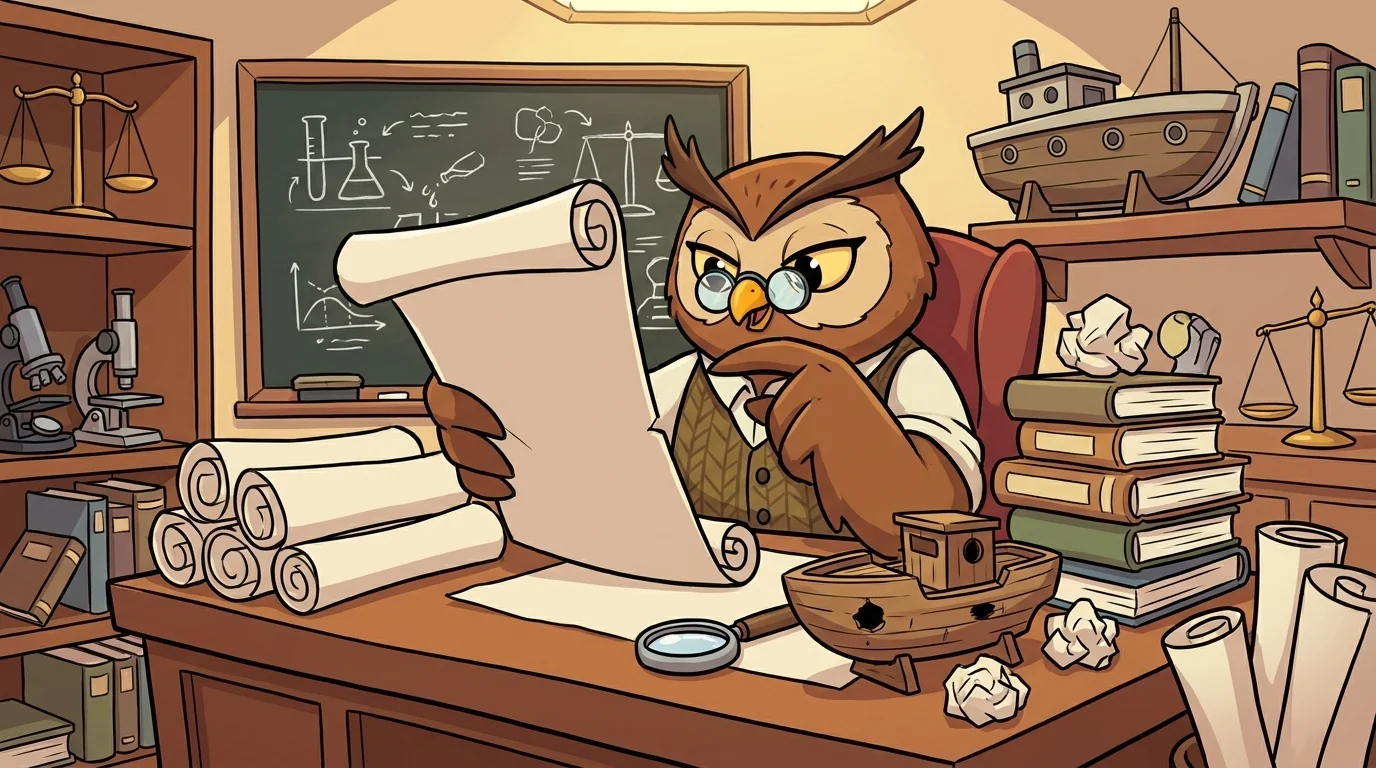
Before any discovery left the lab for the world to see, it had to pass through the office of a sharp-eyed owl named Grill — who would read it, tilt her head, and start asking the hardest questions anyone had asked all week.
Her whole craft is peer review — other scientists checking your work before the world believes it. "Everybody wants to shout their discovery to the world right away," she said, adjusting her spectacles. "But there's a step in between: you show it first to other scientists, and they try their hardest to poke holes in it. 'How do you know it wasn't just luck?' 'Did you check for this other explanation?' 'What if your measurement was off here?'" She peered over a paper. "And here's the part that stings, and then helps: those tough questions aren't an attack. They're a gift. Because it's so much better to have a friend find the hole in your boat while it's still in the harbor than to have the whole world watch it sink at sea." She tapped the paper. "A scientist who hides from tough questions ships a leaky boat. A scientist who invites them — 'please, try to break my work' — finds the leaks early, fixes them, and sends out something that holds. Peer review isn't people being mean to your work. It's people caring enough to make it strong before it faces the world."
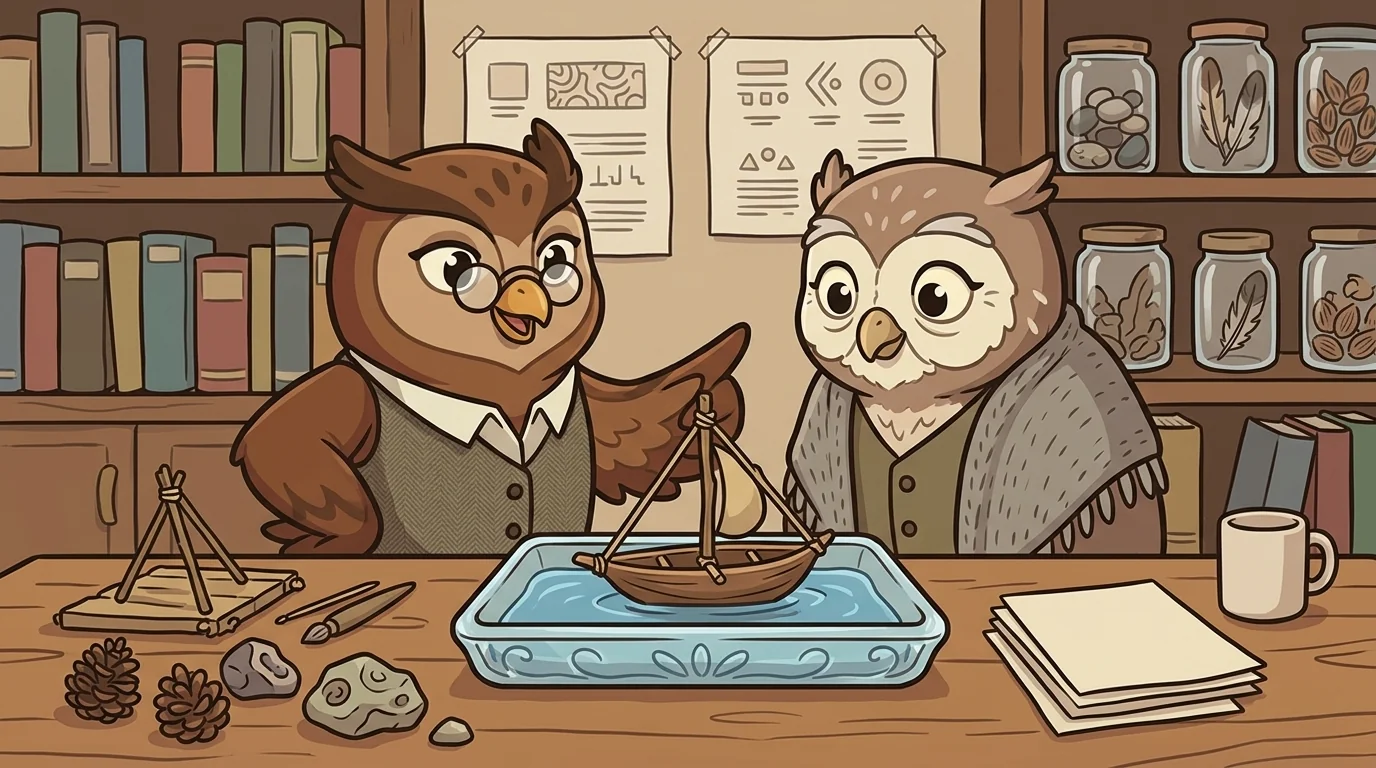
Grill learned to welcome the tough question the day she skipped it, and paid for it.
She was young, and she'd made a discovery she was so proud of that she couldn't bear to have anyone question it. So she rushed it straight out to everyone — no review, no hard questions, just a triumphant announcement. And then, in front of everyone, another scientist gently asked one simple question she hadn't thought of — and her whole discovery fell apart, publicly, embarrassingly.
Her grandmother, an old owl with patient, wide eyes, sat with her afterward.
"That question destroyed me," young Grill said, mortified. "In front of everyone."
"That question would have saved you," her grandmother said gently, "if you'd let someone ask it first. It wasn't the question's fault your work had a hole. The hole was there all along. The only choice was when you'd find it — quietly, from a friend, before — or loudly, from a stranger, after." She smoothed Grill's feathers. "That's why we grill each other's work before it goes out, little one. Not to be cruel — to be kind. A tough question in the lab is a friend saying 'let me help you find the weak spot before it embarrasses you.' A scientist who fears those questions hides her weak spots until the world finds them. A scientist who welcomes them says 'please, ask me the hardest thing you can think of' — and sends out work so well-tested it holds." She smiled. "Learn to love the hard question. It's the sound of someone caring enough to make you better."
Young Grill never skipped the review again. She learned to invite the toughest questions she could get — and to ask them, kindly, of others' work too.
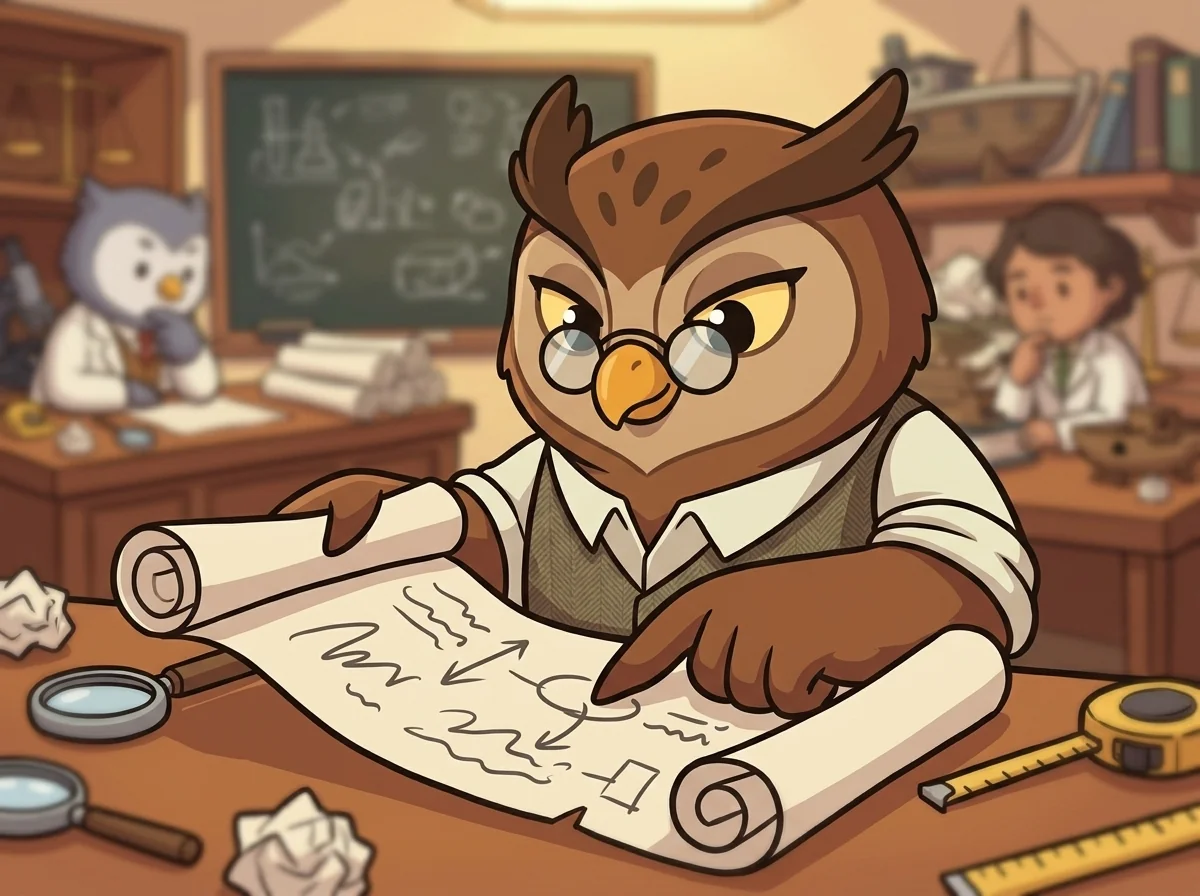
She walked to ScienceForge, because a place that hunted for truth ought to test its truths hard, before believing them.
Prism, the leader, met her and asked, "What happens before the world believes a discovery?"
Grill didn't answer with a speech. She took a fellow scientist's new paper and, kindly but relentlessly, asked the hard questions: "How do you rule out this? What if your sample was too small? Did you check the other explanation?" Two of the questions, the paper answered well. One, it couldn't — revealing a real weak spot. "There," Grill said. "I didn't break their work. I found the weak spot for them, here in the lab, where they can fix it — instead of letting the whole world find it later. That's peer review. Tough questions, asked in kindness, before — so the work goes out strong."
Prism watched the paper get stronger from the grilling. "You are appointed," he said.
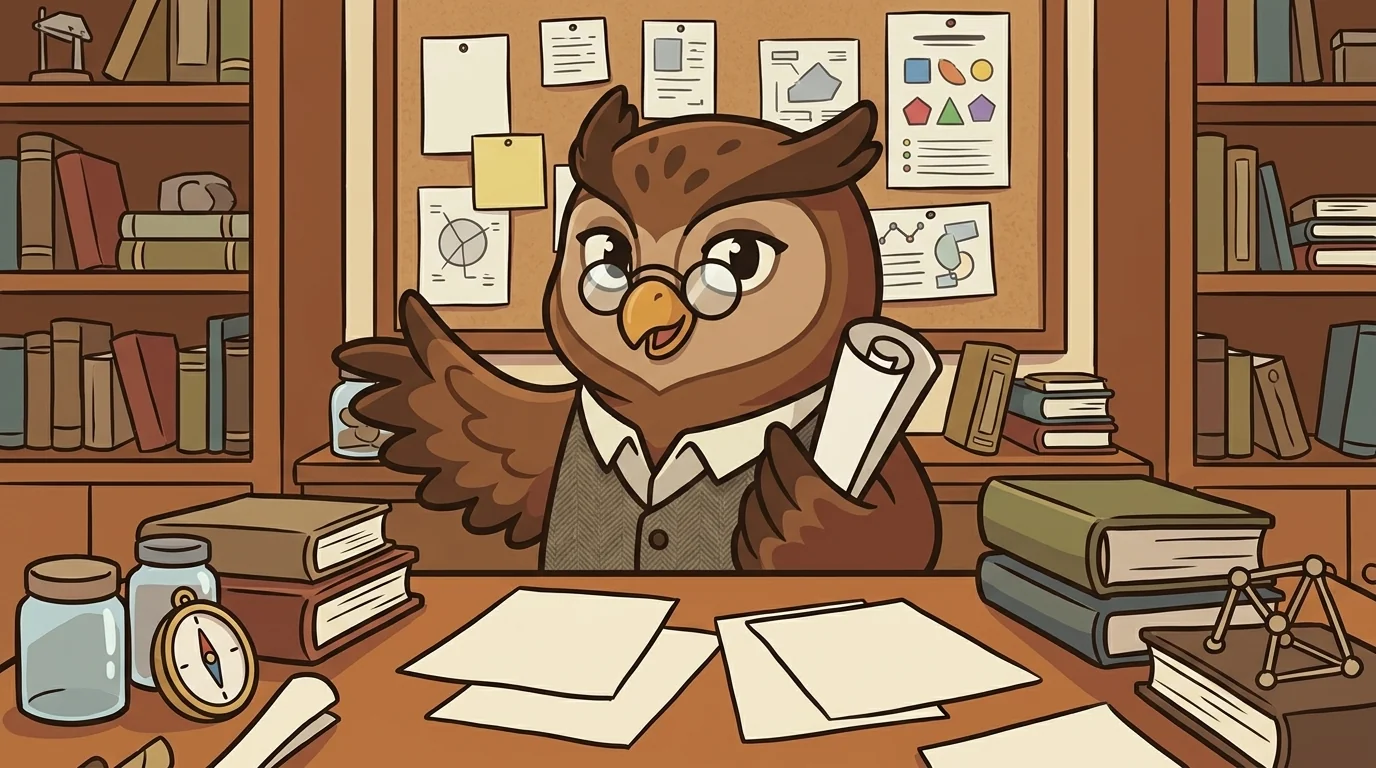
In her office, Grill taught peer review from both sides. As the reviewer, she showed the class how to ask hard questions kindly — attack the work, never the person ("this claim has a gap," never "you're dumb"), and always to help, never to show off. As the reviewed, she taught them to welcome the questions — to say "thank you, I hadn't thought of that" instead of getting defensive, and to fix the weak spot rather than hide it. Then she gave the working rules: before the world believes your work, other scientists should try their hardest to find its holes — because a hole found early, by a friend, is a gift; a tough question about your work is not an attack on you, and welcoming it makes your work stronger, while fearing it just delays the moment the hole is found; and when you review others' work, ask the hard questions kindly — to help them, never to hurt them. "A student got upset that classmates 'kept criticizing' her project,'" Grill said. "So I reframed it: they weren't tearing it down — they were stress-testing it, finding the weak spots while there was still time to fix them. She'd been treating help as an attack. Once she saw the tough questions as care, her project got twice as strong — and she started asking better questions of everyone else's, too. The hard question isn't the enemy. It's the friend who checks your boat before you sail."
"So the tough questions actually make my work stronger?" a student said slowly.
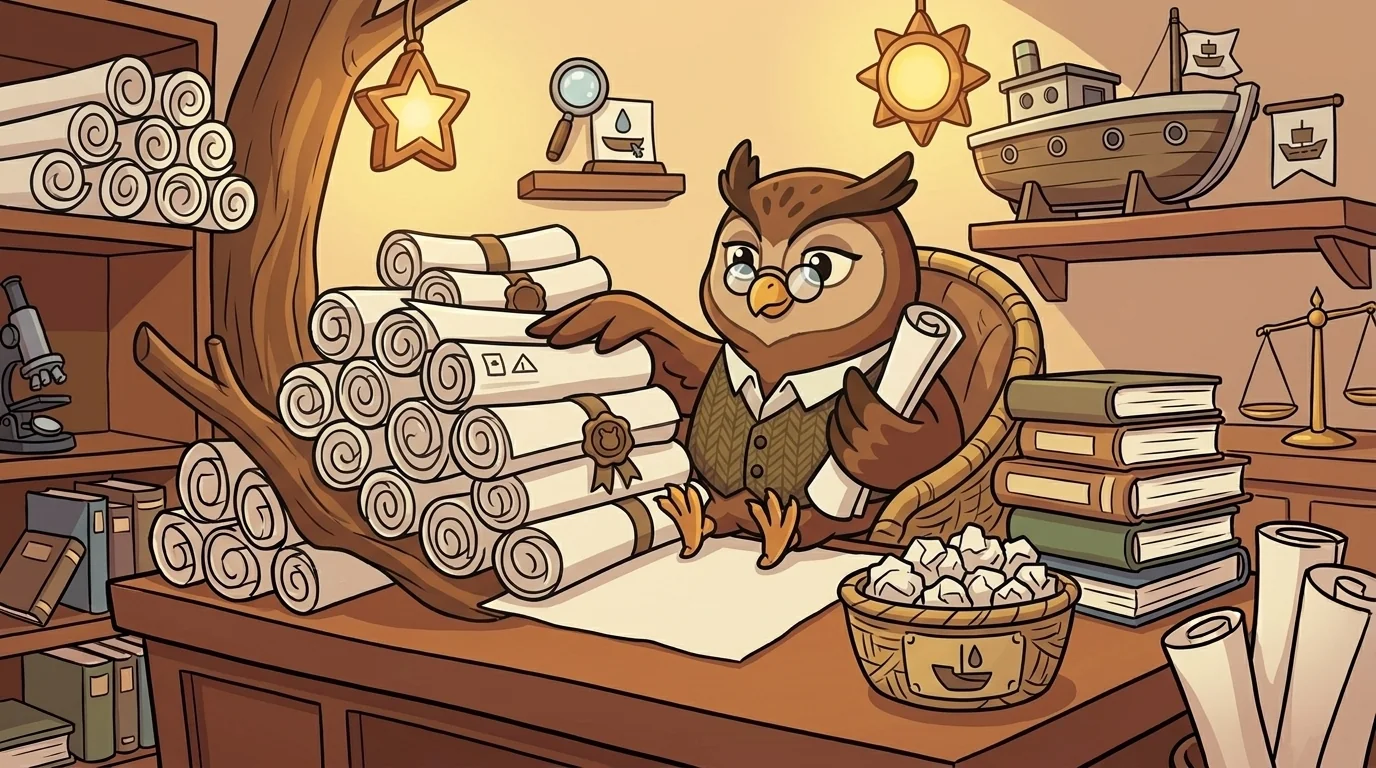
"Every hole found early is a leak that won't sink you," Grill agreed, and she settled onto her perch amid a stack of well-grilled, hole-free papers, feeling the deep, sturdy satisfaction of work that had faced the hardest questions and held. There was a warm, strengthened happiness in it — the settled gladness of an owl who had learned that a challenge to her work was a kindness in disguise, that the tough question stung for a moment and then made everything better, and that the bravest, strongest scientists were the ones who invited the hardest questions instead of hiding from them. It made her feel sturdy, and humble, and quietly grateful. That welcome-the-hard-question, found-the-leak-in-the-harbor, made-strong-by-the-grilling warmth — the strengthened gladness of a creature who loved a good challenge — was, to Grill, the sturdy gift hidden inside peer review. "Before the world believes you," she said softly, amid her sturdy papers, "let a friend try to break your work — and thank them when they do."
The ScienceForge ensemble
Grill is one of the friends in ScienceForge. Each friend shows you one idea by how they act; meet them all and you have the whole subject.
-
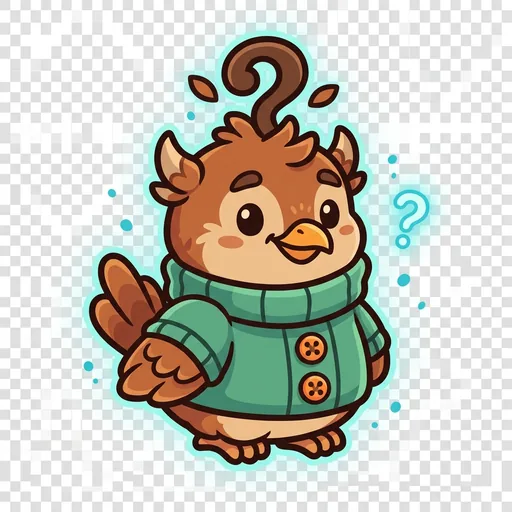
Question
Question-formation — 'what do we want to find out?' (curious wren)
-
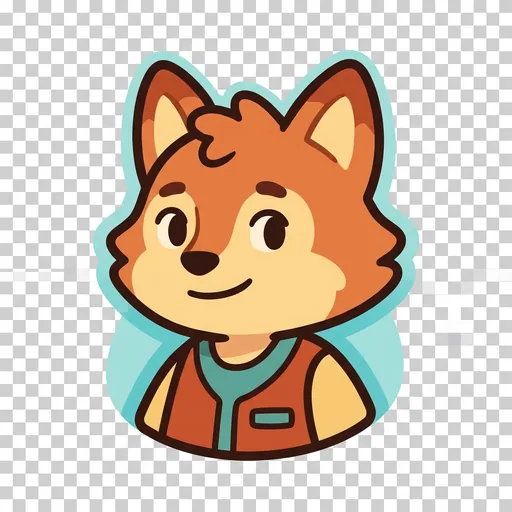
Predict
Hypothesis-formation — 'I think... because... so we should see...' (steady fox)
-

Setup
Experiment-design — 'one thing changes, everything else stays' (methodical beaver)
-
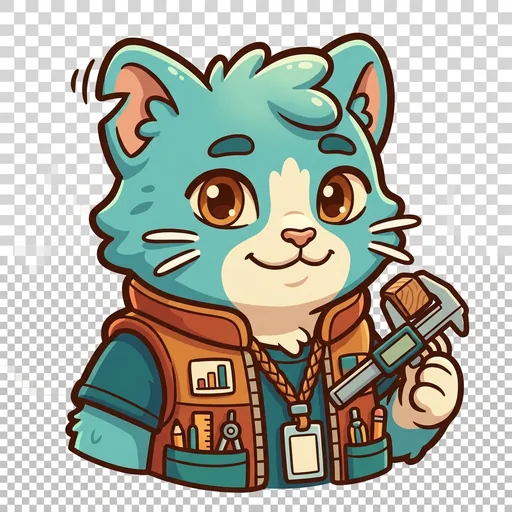
Sample
Data-collection + measurement — 'many measurements; then we see the shape' (patient cat)
-
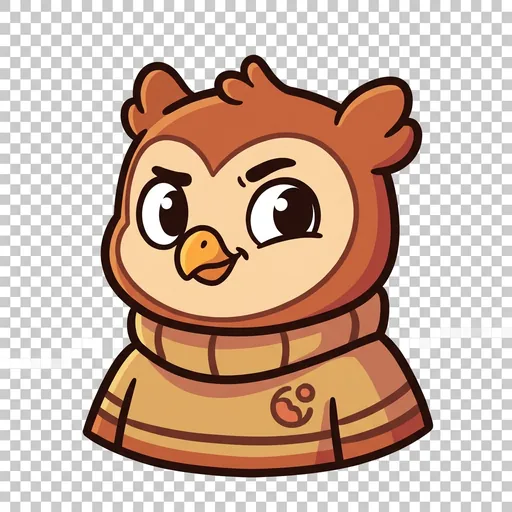
Conclude
Data-interpretation + revision — 'the data shows... but maybe... let's check' (thoughtful owl)
-
Rerun
Replication / reproducibility
-
Stray
Anomaly / the surprising result
-
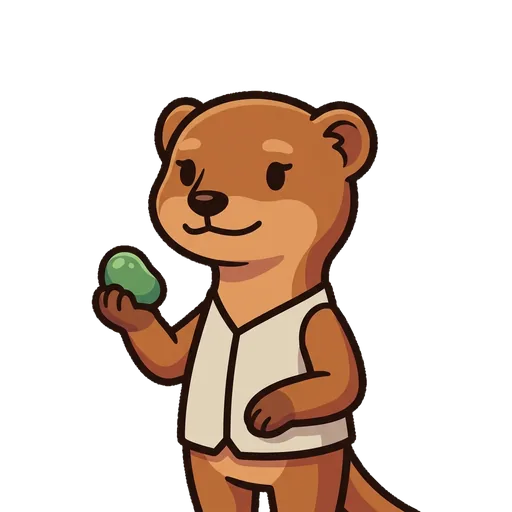
Dare
Falsifiability
-
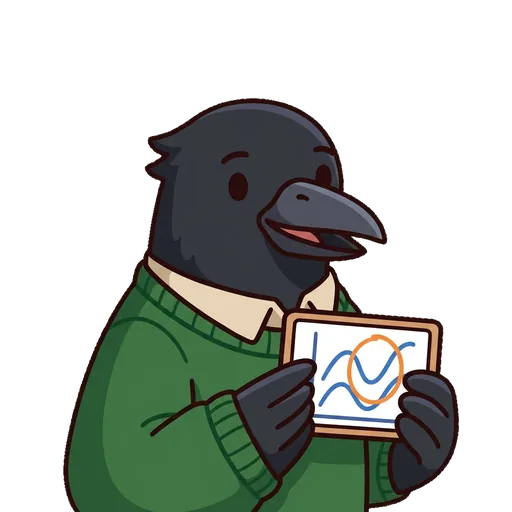
Coincide
Correlation vs causation