Dare and Grill
FALSIFIABILITY + PEER-REVIEW
Loading audio…
Press play to listen along. The line being read lights up as you go.
Show full transcript
Loading transcript…
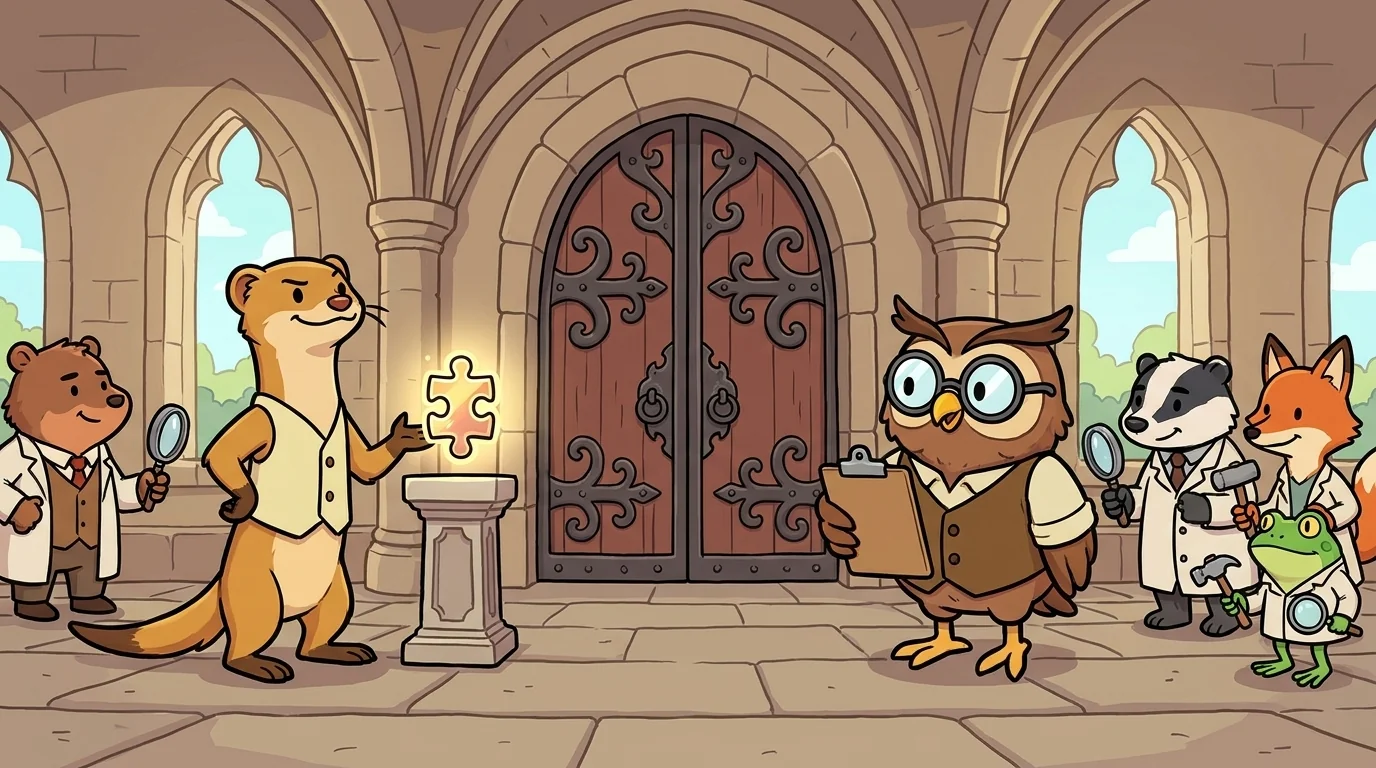
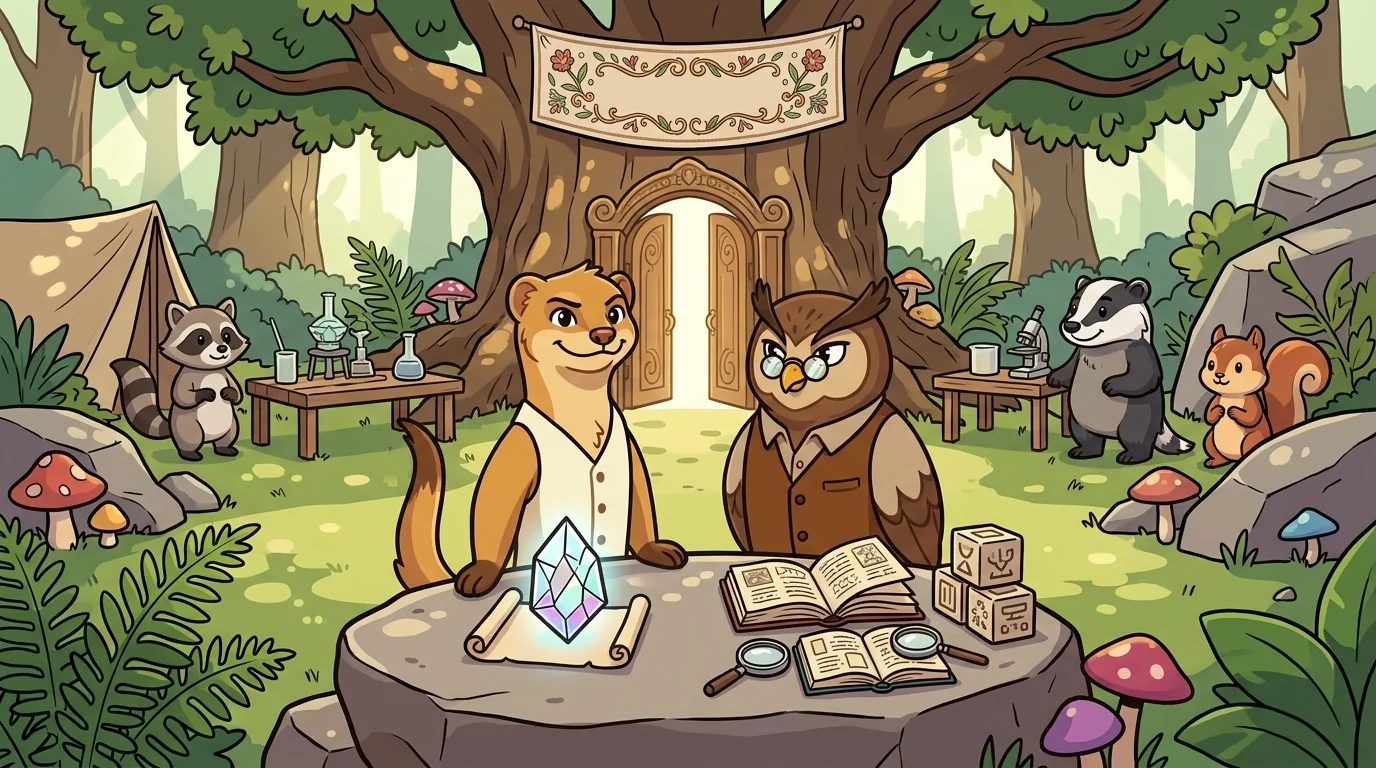
Dare the mongoose and Grill the owl stand together at the door every idea must pass through before the world believes it, and between them they run the whole test of whether an idea is trustworthy. Dare makes sure the idea is able to be proven wrong — that it bravely names the exact result that would kill it. Grill supplies the challengers — the other scientists who actually run that killing test, asking the hardest questions they can. And they discovered, guarding that door together, that these are two halves of one thing: an idea earns belief only by being challengeable in principle AND actually challenged in practice. Dare opens the idea to challenge. Grill delivers the challenge. And an idea that survives both has truly earned its place.
"I make sure the idea can be proven wrong," Dare says, chin high. "It names the test that would kill it." "And I make sure it gets tested," Grill says, spectacles glinting. "I ask the hardest questions and run that test." "An idea has to be challengeable," says Dare. "And then actually challenged," says Grill. "Only then has it earned belief."
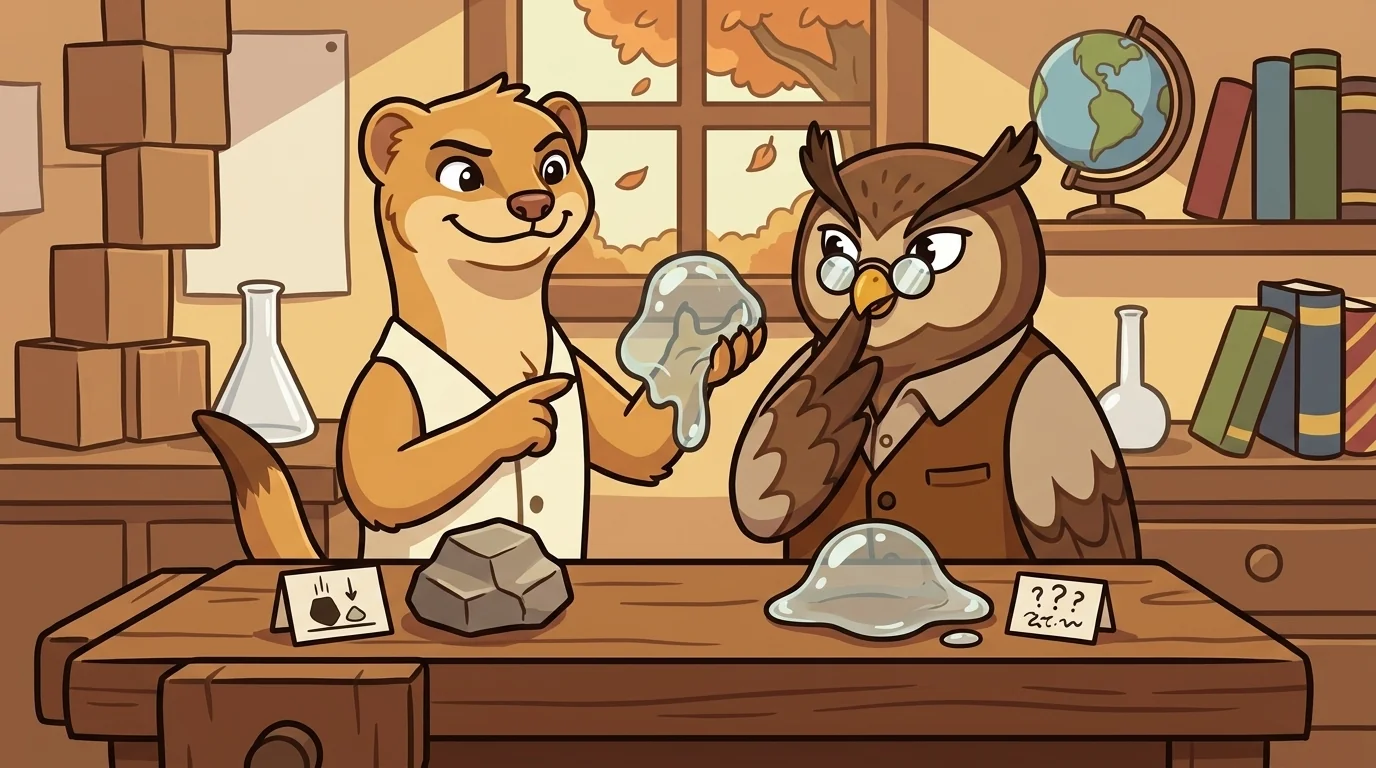
Dare works the challengeable-in-principle. She takes a new claim and, before anything else, asks it to be brave: "What would prove this wrong?" She holds up an idea. "This one is good — it says, right out loud, 'if you drop a heavy thing and a light thing and they land together, I'm wrong.' It names its own killing test. It dares to be disproven." She sets beside it a slippery claim — one that always has an excuse, that no test could ever disprove. "And this one is empty — it dodges every possible test, so nothing could ever prove it wrong, which means nothing could ever really prove it right either. It's a story, not a claim." She looks over at the owl. "So my job is to make sure an idea is the first kind — brave enough to name what would kill it. But naming the killing test isn't the same as surviving it. An idea can be perfectly challengeable and still be wrong — you only find out when someone actually runs the test. And running it isn't mine. It's Grill's."
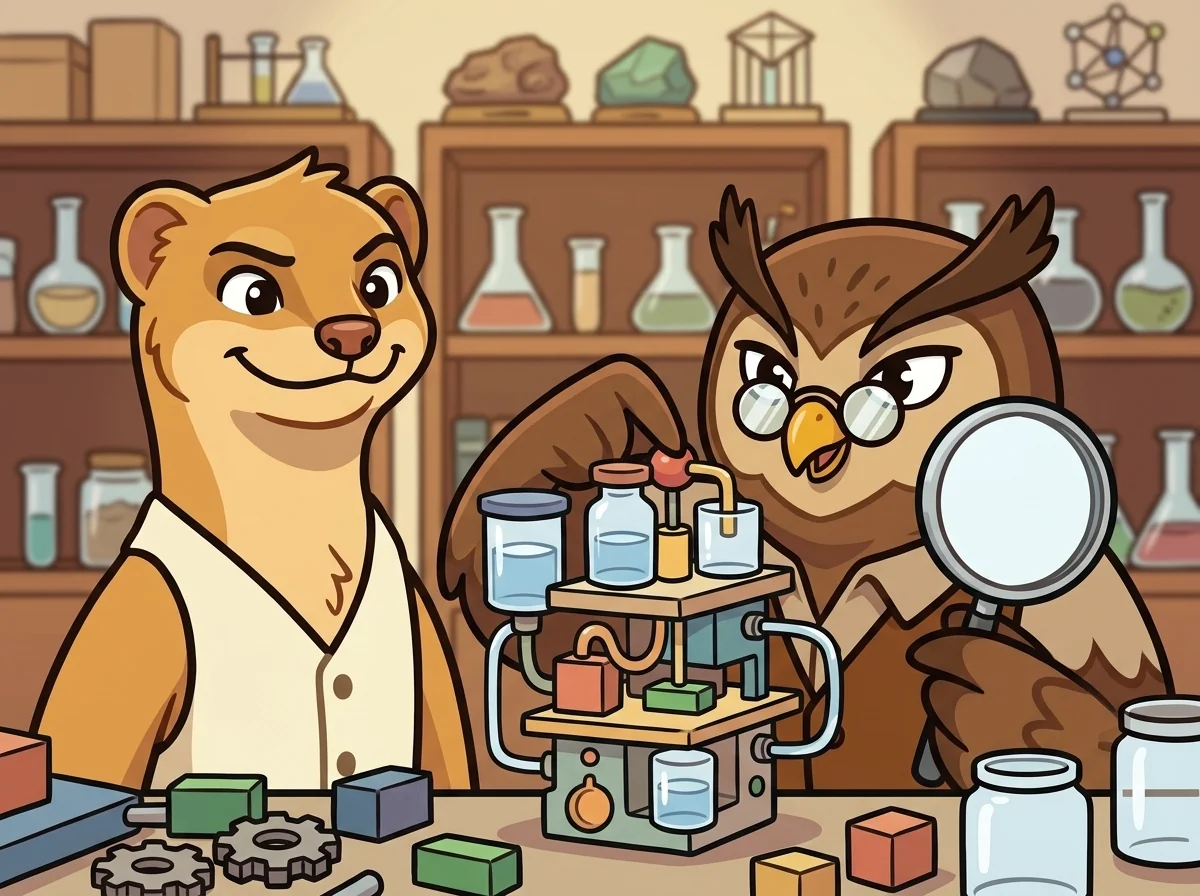
Grill works the actually-challenged-in-practice. She takes Dare's challengeable idea — the one that bravely named its killing test — and she runs that test, hard, along with every other tough question she can think of. "Dare made this idea able to be disproven," she says. "Good. Now I try to disprove it." She reads the work, tilts her head, and grills: "How do you know it wasn't luck? Did you check this other explanation? What if your measurement was off here? And that killing test Dare named — let's run it." Some ideas survive her grilling (they answer every hard question, they pass the killing test) — and those have earned belief. Some don't (a question they can't answer, a test they fail) — and those get sent back to be fixed. "A challenge isn't an attack," she says. "It's how the idea proves itself. Better a friend finds the hole in the harbor than the world finds it at sea." She glances at the mongoose. "But I can only grill an idea that's grillable. If Dare hasn't made it challengeable — if it dodges every test — then there's nothing for me to run, no killing test to try. I need an idea brave enough to be tested before I can test it."
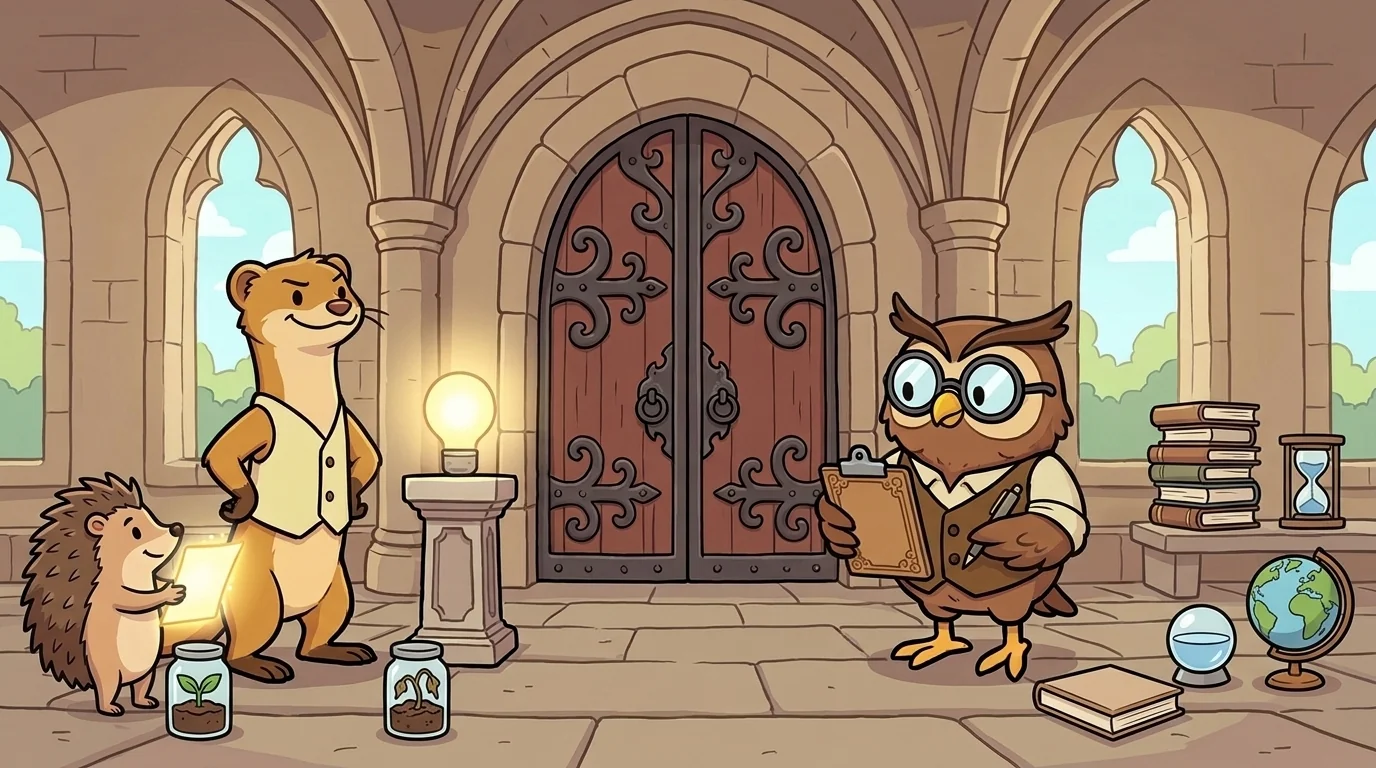
Then the two of them showed, together, the thing neither could do alone: how a raw new claim becomes a trustworthy one — by being opened to challenge and then actually challenged. A young scientist arrived, glowing. "I have a discovery!" she said. "I'm sure it's true. Can I tell the world?" And it took both of them, in order. Dare went first. "Before anything — is your idea able to be proven wrong? Name the exact result that would kill it." The scientist thought. "...If I do the experiment and the plants grow the same with and without my treatment, then I'm wrong." "Good," Dare said. "It's brave. It names its killing test. It could be disproven — so it's a real, testable idea, not a story." Then Grill. "Now — I'm going to try to disprove it. Did you rule out that the treated plants just got more light? Did anyone else get this result? And that killing test you named — let's run it, right now, carefully." They ran it. Two of Grill's hard questions, the scientist answered well. The killing test — the plants grew differently, treatment vs. no-treatment — the idea survived. "Now," Grill said, "you can tell the world — because your idea didn't just claim to be true. It was brave enough to be tested (Dare's half), and it passed a real, hard test (my half)." The young scientist blinked. "So it took both of you. Dare made my idea the kind that could be checked—" "—and I checked it," Grill said. "An idea that's challengeable but never challenged is untested. An idea you challenge but that was never made challengeable can't be tested at all. Only an idea that is both — able to be proven wrong, and actually put to the hardest test — has truly earned the right to be believed."
"So my idea earns belief by being brave enough to be tested — and by actually surviving the test?" the scientist said slowly.
"Challengeable, and challenged — both," Dare said, and Grill nodded, spectacles glinting. Dare set down the idea's named killing-test — the challengeability — and Grill set down her run-it-hard grilling — the challenge — side by side, the two halves of an idea that has earned belief. Under the quiet, the two of them felt the same sturdy, honest calm settle in: not the emptiness of a claim that dodges all tests, not the false safety of an idea never actually checked, but a warm, paired, earned-it steadiness — the particular pride of two who each guard one half of trustworthiness, so that between them an idea could stand before the whole world knowing it had been made brave and then proven strong. That made-challengeable-and-then-challenged, brave-enough-and-then-survived, earned-its-belief feeling, sturdier than either falsifiability or peer-review alone, was to Dare and Grill exactly why they guard the door together, and let nothing through until it had dared to be wrong — and then proven right.
The ScienceForge ensemble
Dare and Grill is one of the friends in ScienceForge. Each friend shows you one idea by how they act; meet them all and you have the whole subject.
-

Question
Question-formation — 'what do we want to find out?' (curious wren)
-

Predict
Hypothesis-formation — 'I think... because... so we should see...' (steady fox)
-

Setup
Experiment-design — 'one thing changes, everything else stays' (methodical beaver)
-

Sample
Data-collection + measurement — 'many measurements; then we see the shape' (patient cat)
-

Conclude
Data-interpretation + revision — 'the data shows... but maybe... let's check' (thoughtful owl)
-
Rerun
Replication / reproducibility
-
Stray
Anomaly / the surprising result
-

Dare
Falsifiability
-

Grill
Peer review / critique
-
Coincide
Correlation vs causation