Meddle
A game is more alive when players can touch each other's plans
Loading audio…
Press play to listen along. The line being read lights up as you go.
Show full transcript
Loading transcript…
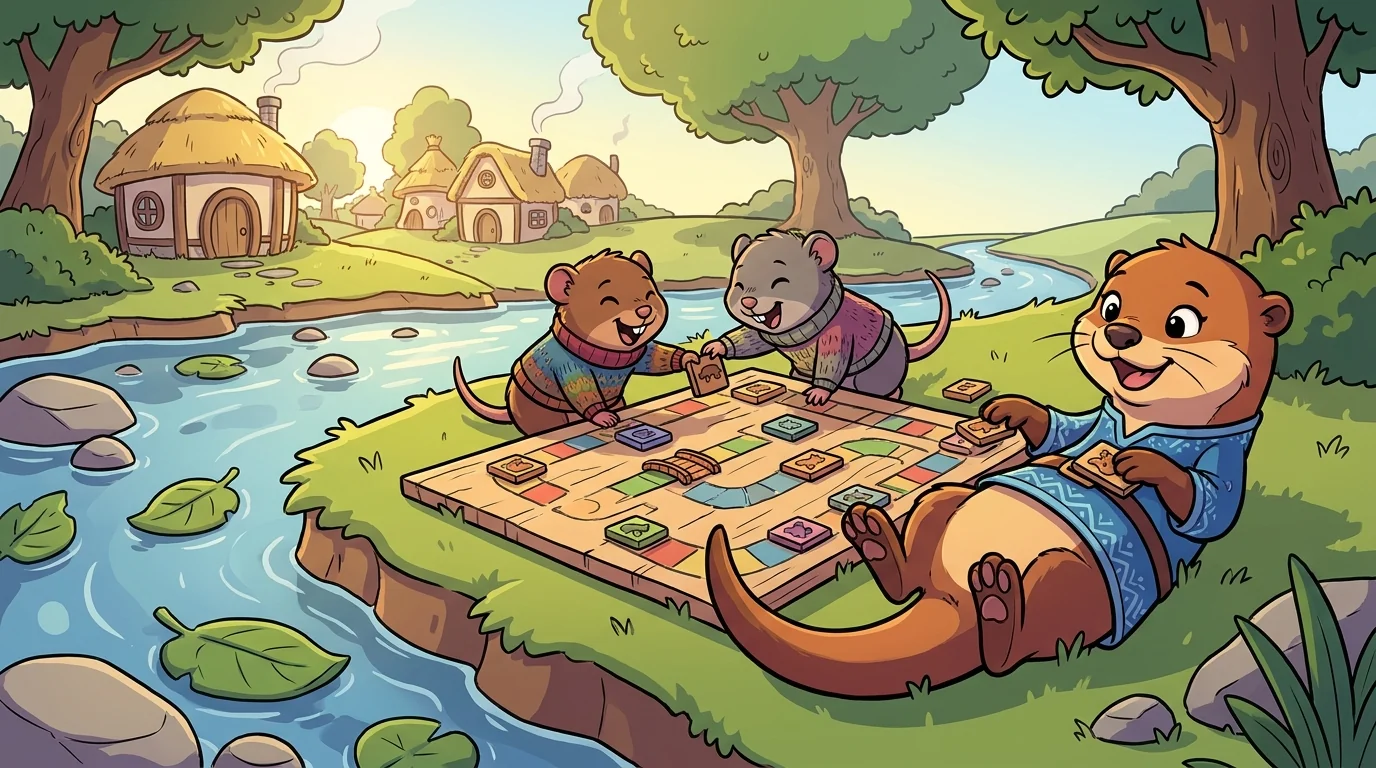
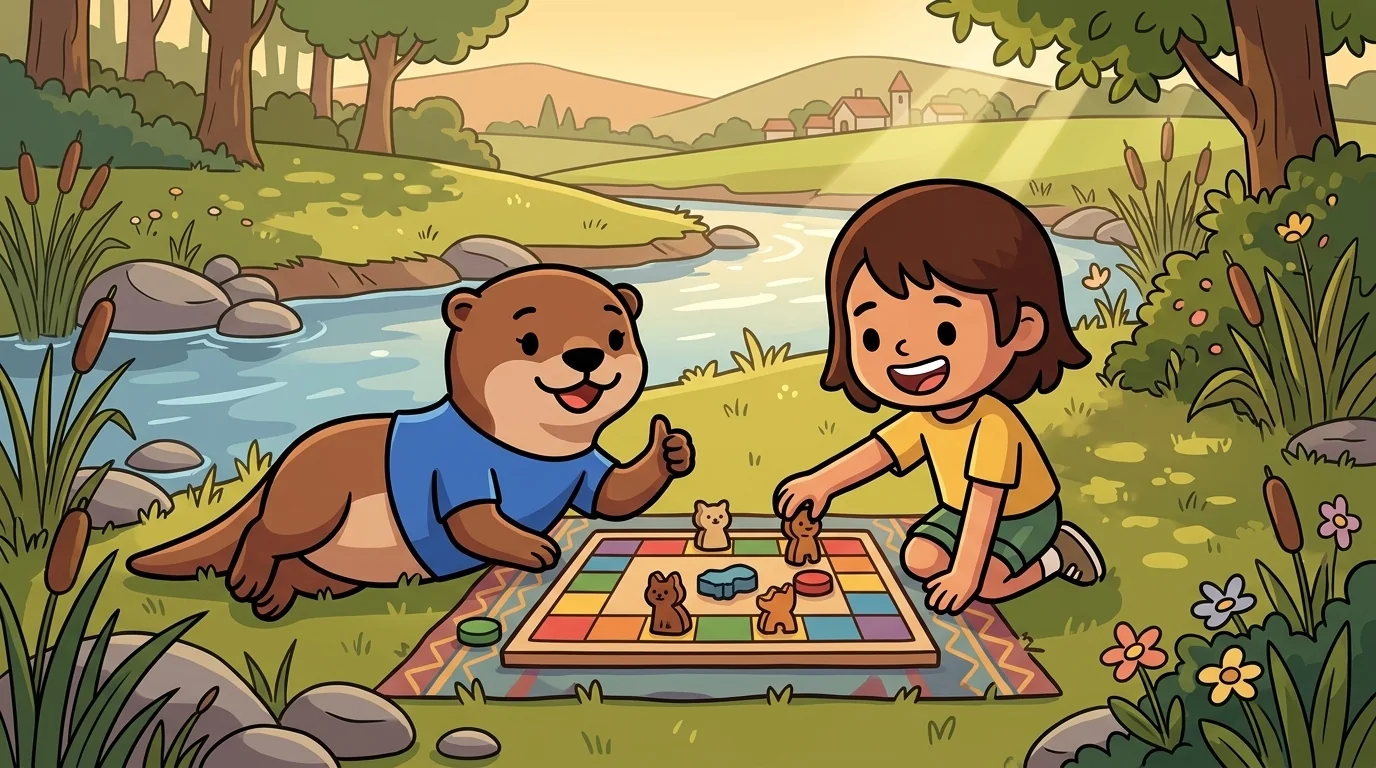
By the riverbank at the edge of the village, a bright-eyed otter lay on her back playing a game with two young voles — and unlike a lot of games, this one had them all laughing, reaching across the board, gently getting in each other's way.
Meddle was quick and playful, always nudging, and her game let players touch each other's plans: you could swap a tile, block a path, borrow a piece. But nobody's feelings got hurt — the meddling was teasing, not cruel. "In a lot of games," she told the voles, "everyone just builds their own thing in their own corner, never looking up. Side by side, but alone. Might as well play by yourself." She reached over and playfully swapped one vole's tile for a worse one, and he shrieked with laughter and swapped it right back. "But when you can reach into each other's game — gently — suddenly you're playing WITH each other, not just next to each other."
The vole grinned, plotting his revenge-swap. "It feels like we're actually together."
"Because you are," Meddle said, delighted. "Touch each other's plans, and the game comes alive between you. Just—" she caught his paw before a nastier move "—keep it fun, not mean. Playful meddling brings people together. A cruel move pushes them apart. A game is more alive when players can touch each other's plans — but touch that's fun, not mean."
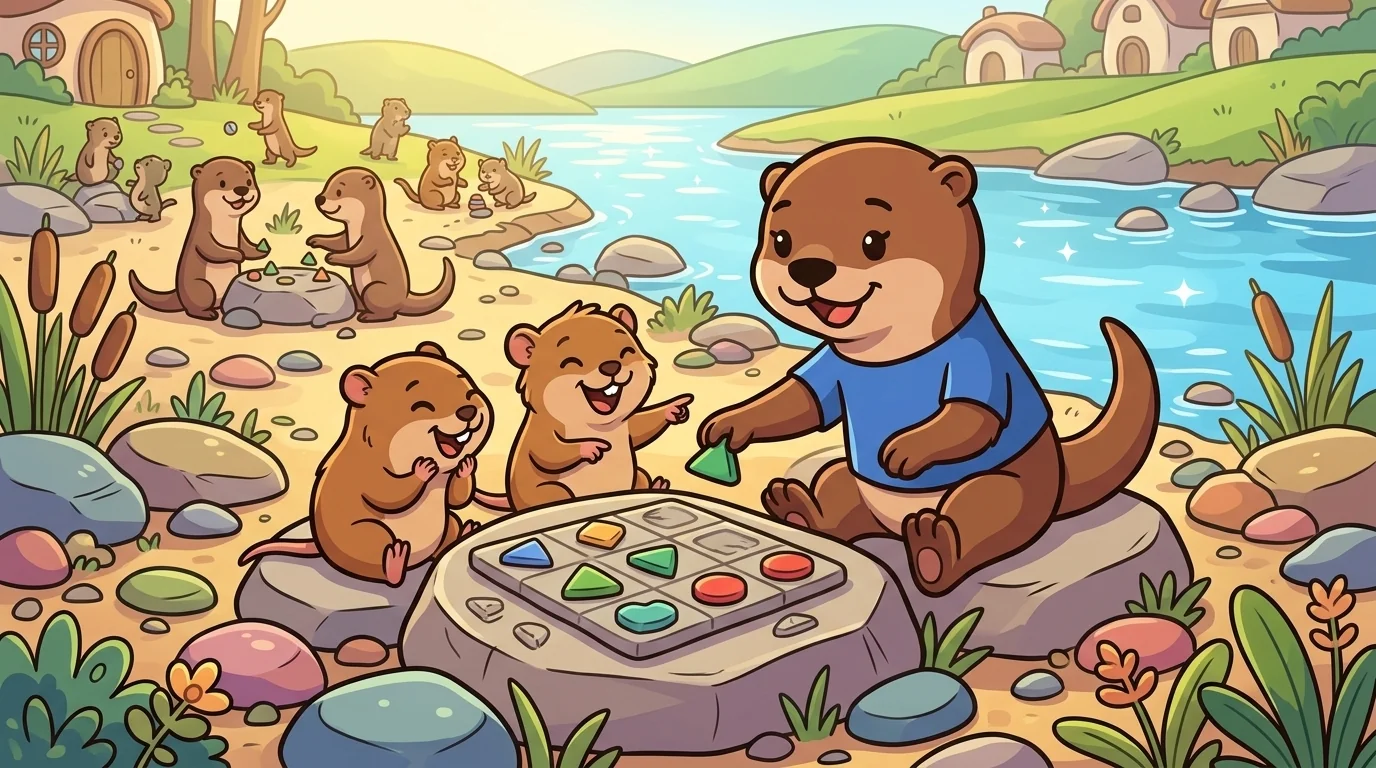
Meddle had learned about the line between fun and mean when she was small.
She grew up on a busy riverbank, where her family were the play-wrestlers — otters who tumbled and teased all day. But young Meddle, wanting to win the roughhousing, once pushed the teasing too far, nipping too hard, taking a game past fun into hurt — and her playmate went home upset, and Meddle sat alone by the water, sure that maybe her playful nature was just... too much, that touching other people's fun always ended in tears.
Her grandfather, sleek and old and gentle, slid down beside her. "You didn't tease wrong because teasing is bad," he said. "Teasing is how we play together — it's lovely. You just missed the line." He tapped her nose, soft. "There's a line between a nudge that makes someone laugh and a shove that makes them cry. Stay on the laughing side, and meddling is the best kind of play there is. Cross it, and it stops being play." He rolled, easy. "Watch their face. If they're laughing, you're playing. If they're not, you pull back."
Meddle learned to watch the line. She teased and nudged and got in the way — but the moment a face stopped laughing, she pulled back. Her playmates came running to play with her, because her meddling was warm, never cruel. The alone-by-the-water feeling melted into a bright, connected joy. Her playful nature wasn't too much. It just needed to stay on the laughing side of the line.
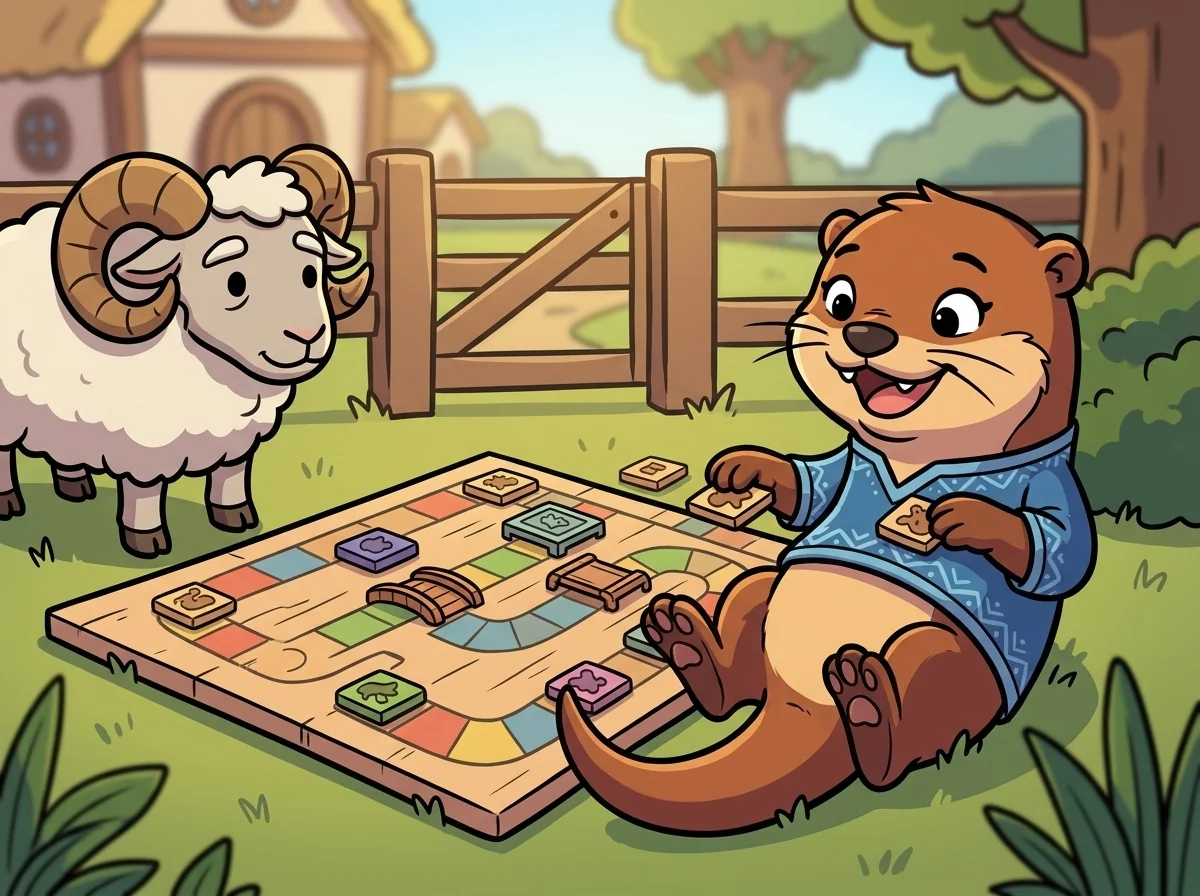
She scampered up to TableForge at twelve, because a place that studied how games were built ought to understand the thing she loved: playing WITH people, not just near them.
Blueprint, the old mentor, met her at the gate and asked one question. "Should players in a game be able to affect each other?"
Meddle didn't answer with words. She took a quiet solitaire-ish game where everyone built alone, and added ways to interact — a friendly block, a tile-swap, a shared bonus — all kept on the playful side, none of it crushing. She played it with Blueprint, and suddenly they were laughing, reaching across, playing together. "There," she said. "Not alone in our corners anymore. We're in each other's game now — gently."
Blueprint watched them play WITH each other. "You made it social without making it cruel," he said.
"That's the whole trick," Meddle said. "Let people touch each other's plans — but keep the touch warm. Fun, not mean." She wriggled, pleased.
Blueprint looked at the game that had come alive between them. "You belong here," he said.
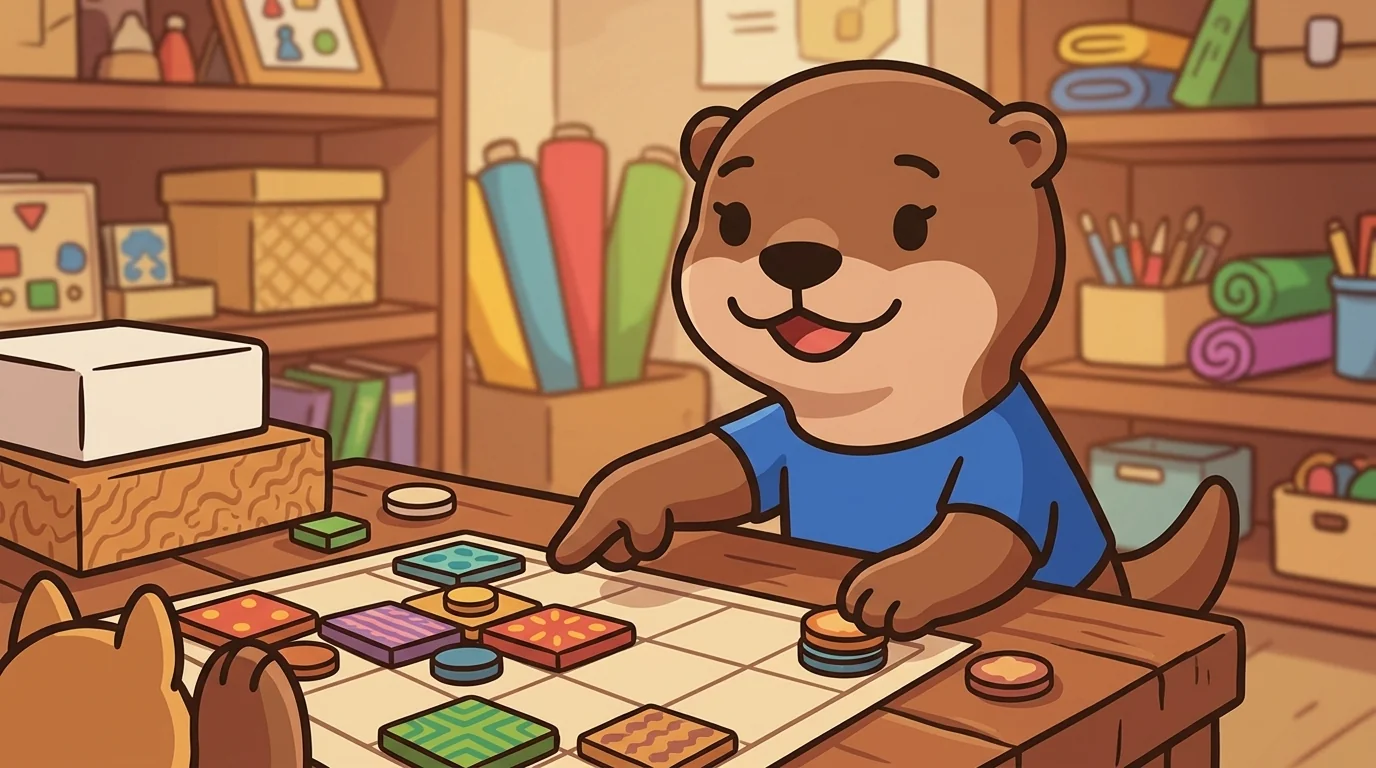
Meddle's workshop was noisy and warm, and one afternoon a kid came in puzzled about a game they'd made.
"Everybody who plays it is polite but... bored," they said. "We all just build our own stuff quietly and add up points at the end. Nobody really plays together. It feels lonely, even with friends right there."
Meddle knew that side-by-side-but-alone feeling. She'd sat alone by the water once, too.
"Your players never touch," Meddle said. "They're doing solitaire in the same room." She looked at the game. "Let's give them ways to reach each other — but gentle ones. A friendly block, a swap, a 'take one of mine.' Nothing that wrecks someone's whole game." They added a few playful interactions, careful to keep them on the laughing side. "Now play it with someone."
The kid grabbed a friend, and this time they were reaching across, teasing, blocking, laughing — playing WITH each other for the first time. "Oh," the kid said, delighted, as their friend playfully stole a tile. "We're actually playing TOGETHER now. It's so much more fun." Then they checked, "But nobody's getting mad. It's still nice."
"That's the whole secret," Meddle said. "You don't make a game social by letting people wreck each other. You let them touch each other's plans on the LAUGHING side of the line — playful, never cruel. That's when a game stops being lonely and starts being together."
Later, when the room had quieted, the kid came back with their livelier game.
"How do you keep it on the fun side?" they said. "How do you know when a move's too mean?"
Meddle thought about the line her grandfather taught her, and the faces that stopped laughing.
"You watch their faces," she said. "A mean move, and you see it — the laugh drops, the shoulders stiffen, someone's actually upset, and the game curdles. But a playful one, and they gasp and grin and plot you right back, and everybody leans in closer." She rolled onto her side. "That laughing-and-plotting-back is the game bringing people together. That's how you know you're on the right side of the line."
The kid nodded, and Meddle watched the lonely, side-by-side feeling lift off them — the same bright, connected joy that had come to her, long ago, when she learned to keep her teasing on the laughing side. They stood in the warm riverbank light, both of them grinning, glad that a good game, like good friends, is one where you get to reach across and play together.
Hear it as an audio drama
A short play starring Meddle, from TableForge. Different voices, same idea. Listen any time after you read.
Loading audio…
Read the drama script
- Narrator: From Spark and Anvil and TableForge — this is Meddle, in chapter 1 of the TableForge cast.
- Narrator: This drama uses an AI-generated voice. Voiced via Gemini 2.5.
- Narrator: Meddle designs the way players affect EACH OTHER — the blocking, the trading, the friendly rivalry — and Meddle walks a careful line.
- Meddle: A game is more alive when players can touch each other's plans. If everyone just plays their own solitaire side by side, why are you even at the same table? But there's a catch — the touch has to be FUN, not mean. There's a world of difference between "clever rivalry" and "getting picked on."
- Narrator: Interaction — but the kind that makes friends laugh, not sulk.
- Meddle: Good interaction is: I took the spot you wanted, so now you pivot — clever, a little cheeky, and you have a comeback. Bad interaction is: everyone piles on the leader, or one player gets knocked out and sits there for an hour. The test is — after I meddle with you, do you grin and scheme back, or do you just feel stuck?
- Narrator: Meddle once made a game where you could send another player all the way back to start.
- Meddle: It felt spicy in design. In play? Whoever got sent back stopped having fun instantly — and the whole table ganged up on whoever was ahead. It wasn't rivalry, it was bullying with rules. People left the table upset. That's the opposite of a game.
- Narrator: So now Meddle designs interaction with an escape hatch.
- Meddle: I make sure that when you get meddled with, you always have a response — a way to adapt, not just a wound to nurse. Take my spot? Fine, I'll take a better one. The touch should open a new decision, never just take away my turn.
- Narrator: A designer's game let players freeze each other in place.
- Meddle: See how the frozen player just... waits, doing nothing? That's not fun rivalry, that's a time-out. Change it so blocking them just makes them CHANGE plans, not STOP. Now the poke starts a new idea instead of ending their turn.
- Narrator: The designer softened the block into a redirect, and the table's groans turned into laughing "oh, it's ON" energy.
- Meddle: Let players touch each other's plans — but make the touch fun. A poke that sparks a comeback, never one that just hurts.
- Narrator: You've been listening to a Spark and Anvil chapter, written by the Spark and Anvil writing team for ages 9 to 14.
- Narrator: Apps stay free forever.
- Narrator: Curriculum aligned to Common Core and Next Generation Science Standards.
- Narrator: Released under Creative Commons BY-NC-SA 4.0 for educational reuse. Visit Spark and Anvil for the full transcript.
The TableForge ensemble
Meddle is one of the friends in TableForge. Each friend shows you one idea by how they act; meet them all and you have the whole subject.
-
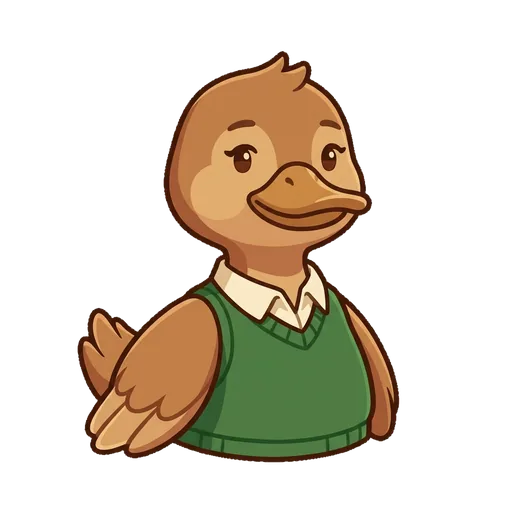
Primer
Onboarding / a game that teaches itself
-
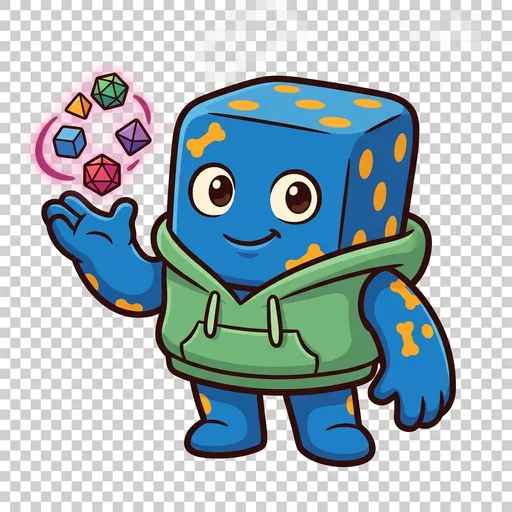
Bones
Dice + randomness + probability — chance is part of game design — it is about fun and fairness, never betting
-

Hand
Cards + hidden information — what-you-HOLD is information; what-you-SHOW is a different question
-

Move
Turn-structure + action economy — every turn is a question and an answer; turn-as-question framing
-
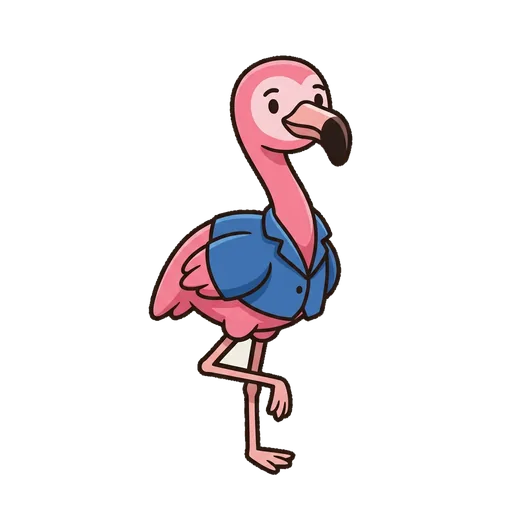
Poise
Balance / no single strategy dominates
-

Swing
Feedback loops / keeping the game close
-
Sprawl
Engine-building / combos that feed each other
-

Trial
Playtest + iteration — what-they-DID matters more than what-they-SAID; first-playtest-supposed-to-fail framing
-
Theme
Game-mechanic + theme integration — the-game-IS-its-mechanics; Habgood intrinsic-integration anchor; theme-MUST-do-work framing




