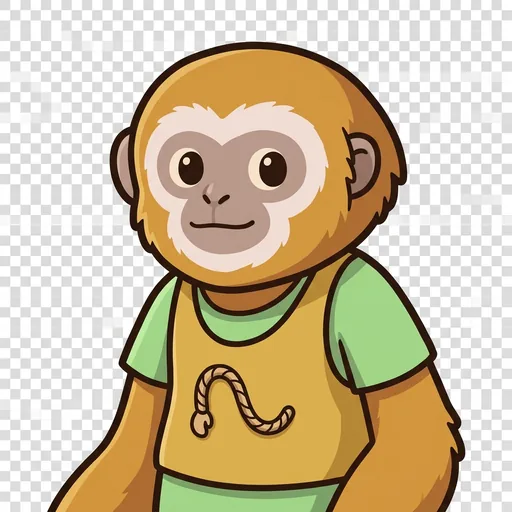
Swing
A game where the leader just runs away is over before it ends
Loading audio…
Press play to listen along. The line being read lights up as you go.
Show full transcript
Loading transcript…
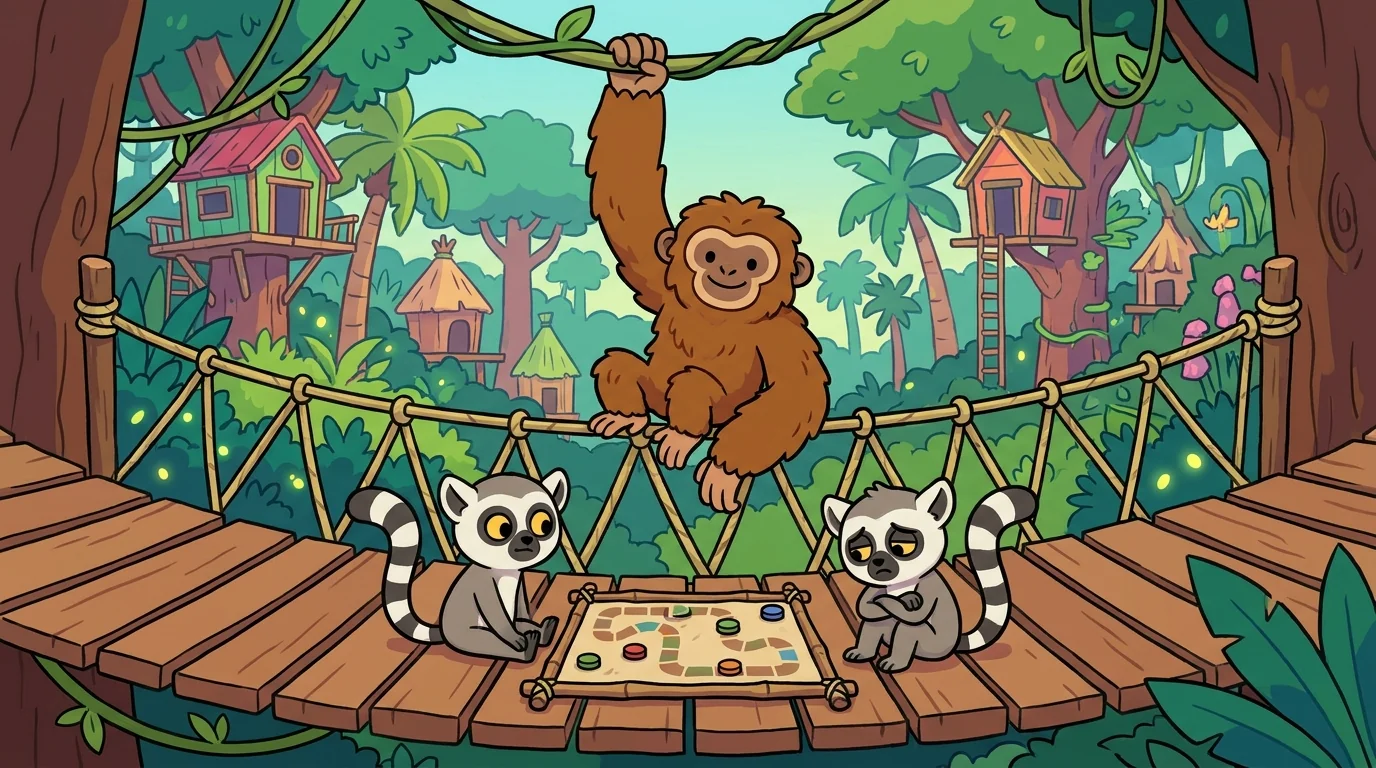
On the vine-bridge at the edge of the forest-village, a shaggy gibbon hung by one arm, swinging gently back and forth, watching two young lemurs play a race-game and lose interest.
Swing had long easy arms and a way of rocking that never quite settled. Below him, one lemur had leapt ahead early and now sat far in front; the other slumped, out of the running, not even bothering to roll. "She's too far ahead," the behind-lemur mumbled. "I can't catch up. Why keep going?"
"That," Swing said, dropping to the bridge, "is the saddest thing that can happen to a game. It's not over — but you've stopped playing, because there's no way back." He looked at the game. "When the leader just pulls further and further ahead, everyone behind quits in their heart. The game's still going, but the fun died three turns ago."
He tapped the rules. "So a good game gives the player who's behind a little swing back — a shortcut, a bonus, a slingshot. Not a handout that makes falling behind GOOD. Just enough of a way back that catching up stays possible, so nobody gives up." He rocked, easy. "A game where the leader just runs away is over before it ends. Give the behind-player a way back, and everyone keeps playing."
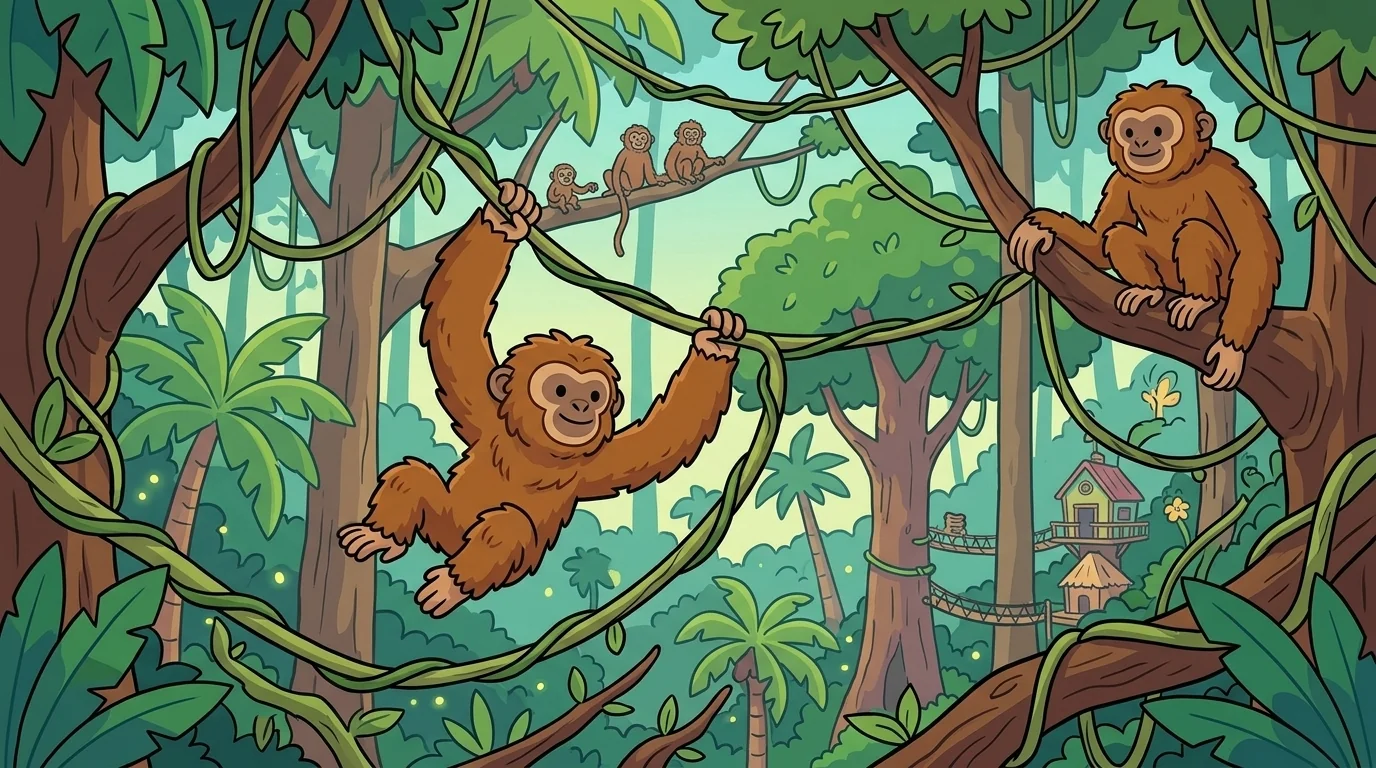
Swing had learned about the way back when he was small.
He grew up in the high canopy, where his family were the far-swingers — gibbons who crossed huge gaps arm over arm. But young Swing, once he fell behind the others on a long crossing, would freeze on his branch and give up, sure that if he wasn't already ahead there was no point swinging at all.
His uncle, long-armed and unbothered, swung back to him one afternoon. "You stopped because you're behind," he said. "But behind isn't finished. Look — there's always a lower vine, a longer swing, a shortcut through the fig tree. The one who's behind just has to find the way back, not quit on the branch." He caught a hanging vine and used its extra momentum to close the whole gap in one great arc. "Falling behind isn't losing. Giving up is."
Swing tried it. He was behind — so he took the long low vine, the one the leaders had skipped, and its big swing carried him right back into the pack. The sinking, why-bother feeling lifted into a light, bouncing hope. Behind wasn't the end. It was just where you looked for the way back.
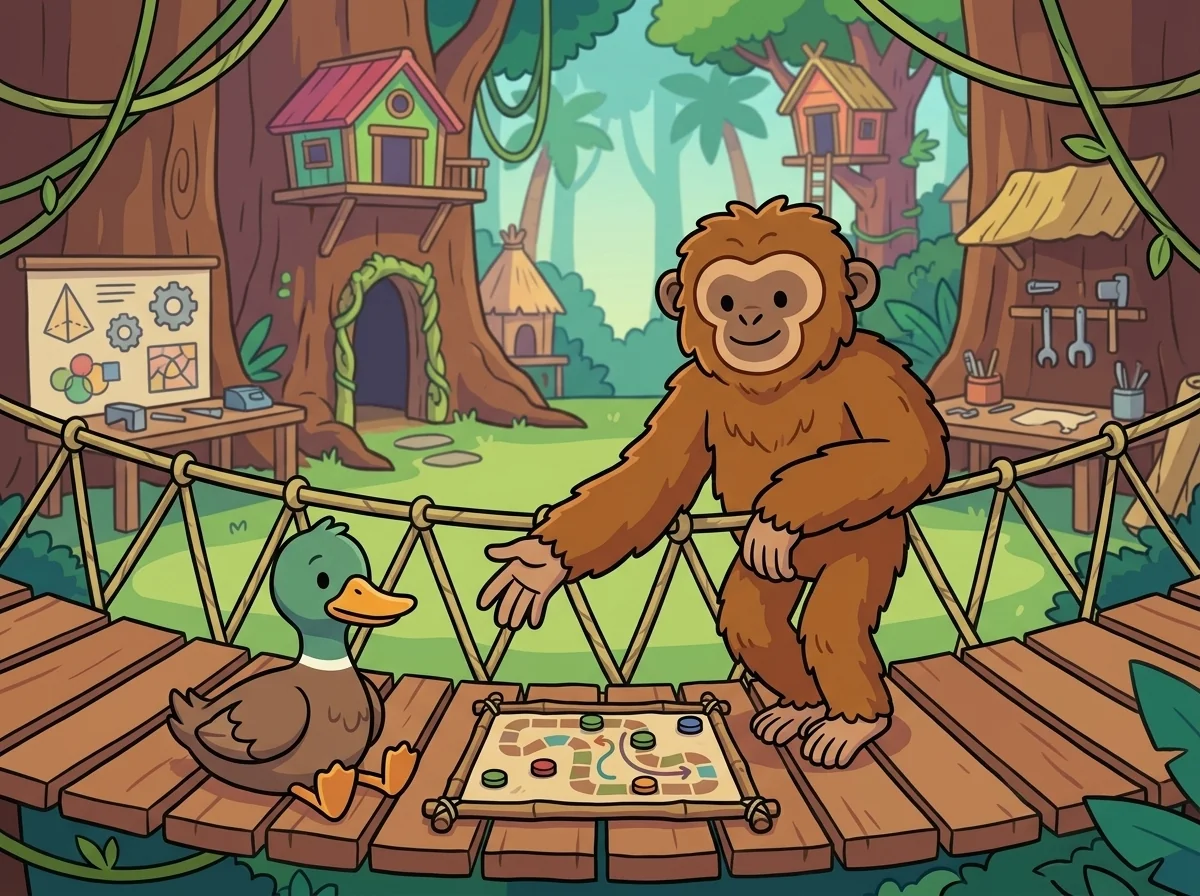
He swung down to TableForge at twelve, because a place that studied how games were built ought to understand the thing he loved: keeping everyone still in it.
Blueprint, the old mentor, met him at the gate and asked one question. "What keeps every player at the table until the end?"
Swing didn't answer with words. He took a race-game where the leader always snowballed away, and added one small thing: the player in last place could take a shortcut vine — a modest catch-up move. He played it out. Now the behind-player always had a live chance, and nobody quit early. "There," he said. "Nobody's out until the finish line. Everyone keeps swinging."
Blueprint watched the game stay close. "You didn't punish the leader," he said.
"No — the leader still earned their lead," Swing said. "I just made sure behind isn't hopeless. A little swing back, not a free win." He rocked on the bridge-rail.
Blueprint looked at the game that stayed alive to the end. "You belong here," he said.
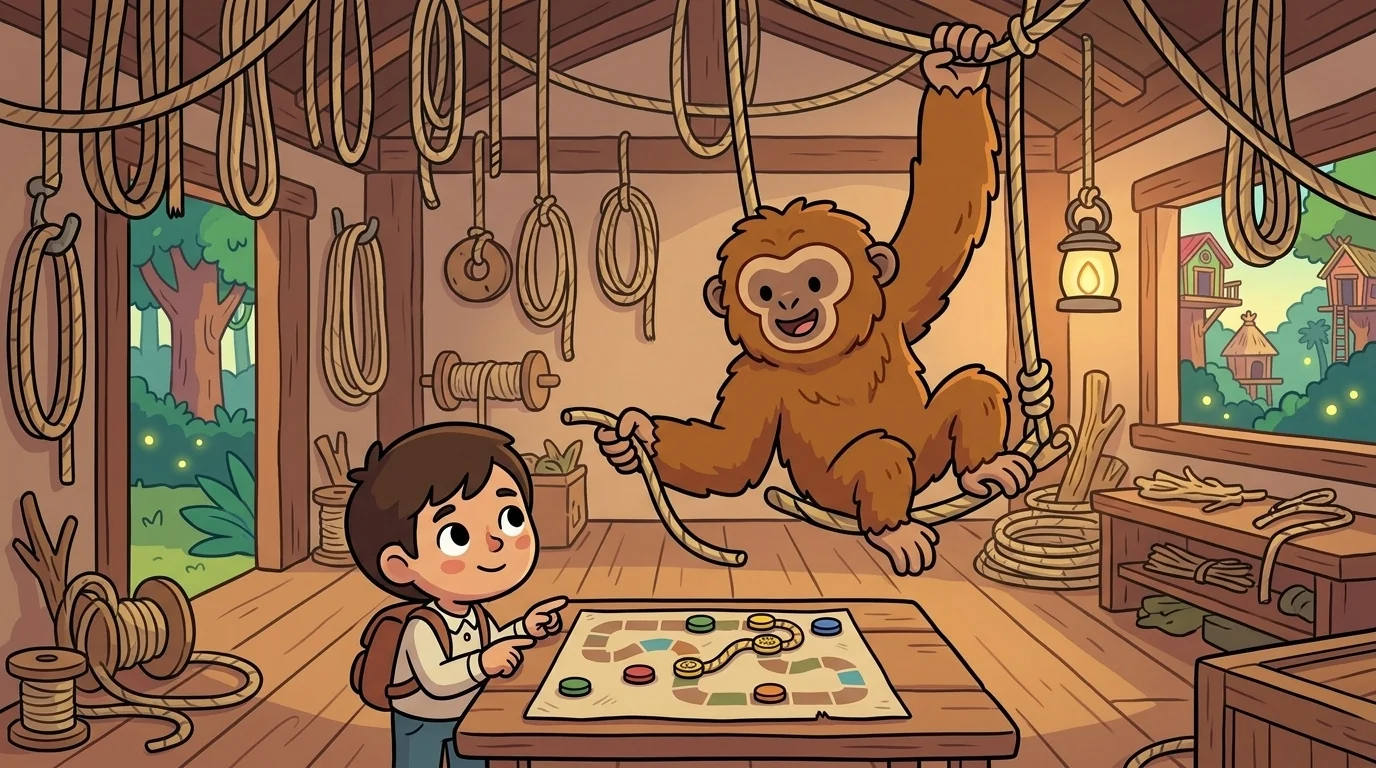
Swing's workshop swayed with hanging ropes, and one afternoon a kid came in glum about a game they'd made.
"Whoever gets ahead first just... wins," they said. "Everybody else stops trying halfway through. I made a whole game and people quit before the end. It feels like the game gives up on them."
Swing knew that stopped-playing slump. He'd frozen on a branch once, sure he was out.
"Your game runs away from the people behind," Swing said. "Let's give them a rope back." He looked at it. "What if the player in last got a small boost — a shortcut, an extra roll, a discount — just enough to stay in reach?" He added it. "Try again."
The kid played, and this time when they fell behind, there was a rope: a catch-up move that pulled them back into contention. They didn't win automatically — the leader was still ahead — but they had a real chance, so they kept playing hard right to the finish. "Oh," they said, grinning as the game came down to the wire. "I was losing, but I still had a shot. I never wanted to quit."
"That's the whole secret," Swing said. "You don't keep people playing by making them win. You keep them playing by making sure they always have a way back. A game that never lets go of the player behind is a game everyone finishes."
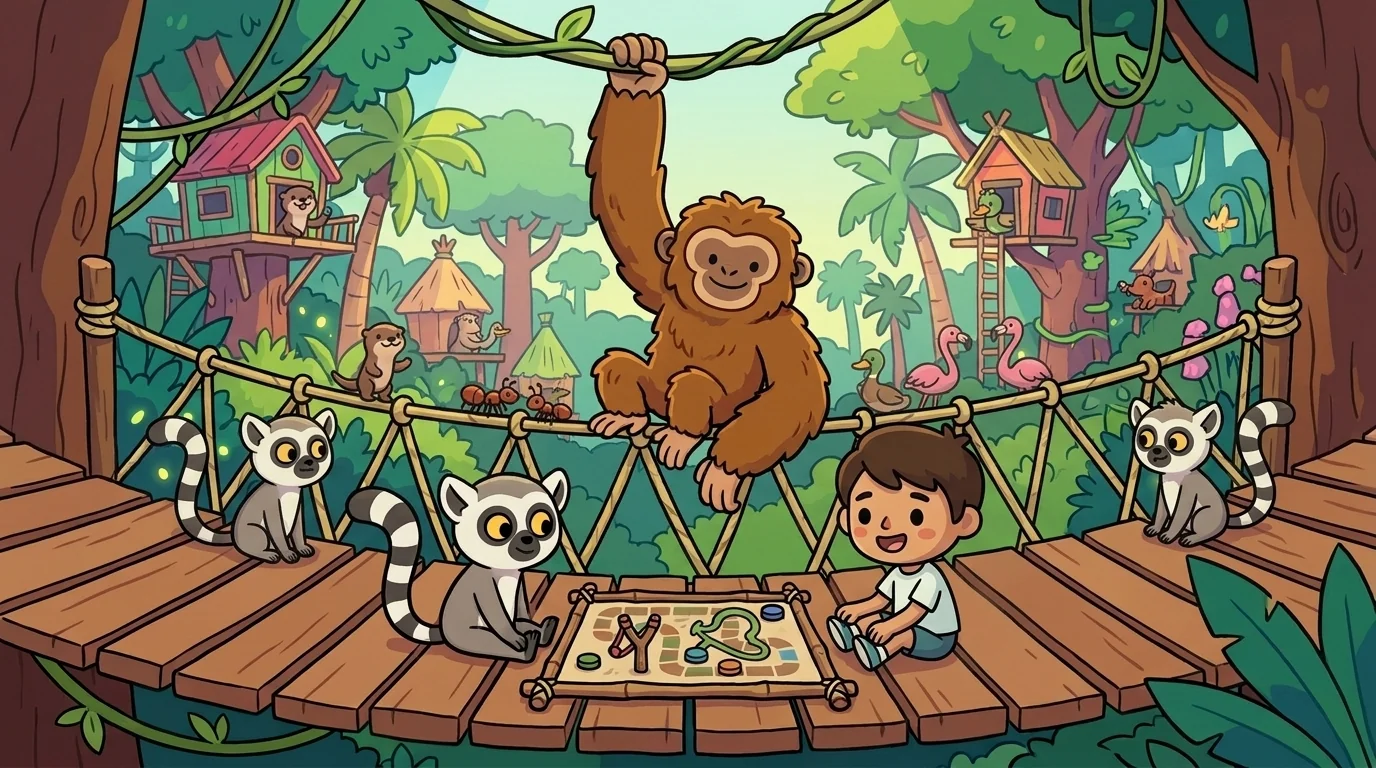
Later, when the ropes had gone still, the kid came back with their re-tuned game.
"How much of a way back is right?" they said. "How do you know?"
Swing thought about the long low vine, and his uncle arcing back into the pack.
"You feel it in whether people quit," he said. "Too little swing, and the behind-player's shoulders drop — they check out, the game's dead for them. Too much, and being behind becomes GOOD, which is its own broken thing. But when it's just right, there's this stubborn little hope even when you're losing — I'm behind, but I'm not out — and everyone leans in all the way to the end." He caught a rope and swung, easy. "That hope is the game staying alive for everybody. That's how you know."
The kid nodded, and Swing watched the glum, gave-up feeling lift off them — the same light, bouncing hope that had carried him, years ago, off a frozen branch and back into the swinging pack. They stood in the dappled forest light, both of them a little more buoyant, glad that a good game, like a good crossing, never leaves anyone stuck behind with no way back.
Hear it as an audio drama
A short play starring Swing, from TableForge. Different voices, same idea. Listen any time after you read.
Loading audio…
Read the drama script
- Narrator: From Spark and Anvil and TableForge — this is Swing, in chapter 1 of the TableForge cast.
- Narrator: This drama uses an AI-generated voice. Voiced via Gemini 2.5.
- Narrator: Swing designs for the moment most games get wrong — when someone falls behind and the fun quietly drains out of the room.
- Swing: Picture it: one player pulls ahead early and just... runs away. The others can see they've already lost, with twenty minutes still to play. That's a game that ended before it ended. My job is to give the player behind a real way back.
- Narrator: A comeback path — but a fair one, not a handout.
- Swing: I build in a swing — a mechanic that gives the trailing player a bit more power or a catch-up chance, so the leader can't coast. Not a gift that ignores skill — a tension that keeps everyone leaning in until the last turn. The leader has to keep EARNING it.
- Narrator: Swing once made a game with a snowball problem — winning made you win more.
- Swing: Whoever got ahead first got MORE resources, which got them further ahead, faster. By the halfway mark, three players were just going through the motions, waiting for it to end. I'd built a game that punished everyone for not winning the first five minutes.
- Narrator: So now Swing designs the rubber-band in from the start.
- Swing: I ask: if I'm losing badly, do I still have hope? If the honest answer is no, the game dies early for most of the table. So I add a comeback lane — the leader stays nervous, the trailer stays hungry, and nobody checks out.
- Narrator: A designer showed Swing a game where the early leader always cruised to victory.
- Swing: Watch your last-place player — they gave up on turn three, didn't they? Give them a way to strike back. Maybe the leader draws a target on their back. Now the leader can't relax, and the whole table plays to the end.
- Narrator: The designer added a comeback mechanic, and suddenly the last-place player was scheming again instead of sighing.
- Swing: A leader who just runs away ends the game early. Give the behind-player a way back, and everyone keeps playing.
- Narrator: You've been listening to a Spark and Anvil chapter, written by the Spark and Anvil writing team for ages 9 to 14.
- Narrator: Apps stay free forever.
- Narrator: Curriculum aligned to Common Core and Next Generation Science Standards.
- Narrator: Released under Creative Commons BY-NC-SA 4.0 for educational reuse. Visit Spark and Anvil for the full transcript.
The TableForge ensemble
Swing is one of the friends in TableForge. Each friend shows you one idea by how they act; meet them all and you have the whole subject.
-
Primer
Onboarding / a game that teaches itself
-
Bones
Dice + randomness + probability — chance is part of game design — it is about fun and fairness, never betting
-
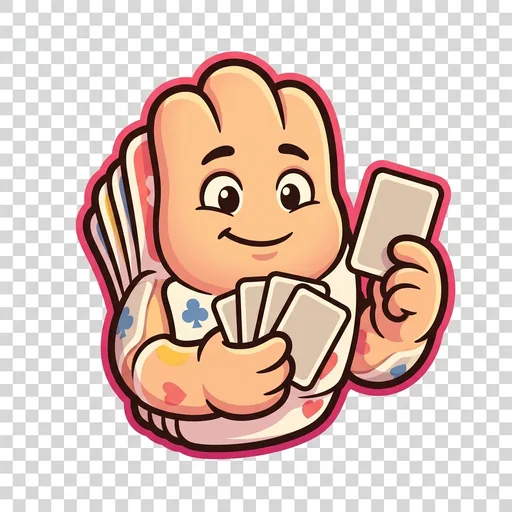
Hand
Cards + hidden information — what-you-HOLD is information; what-you-SHOW is a different question
-

Move
Turn-structure + action economy — every turn is a question and an answer; turn-as-question framing
-
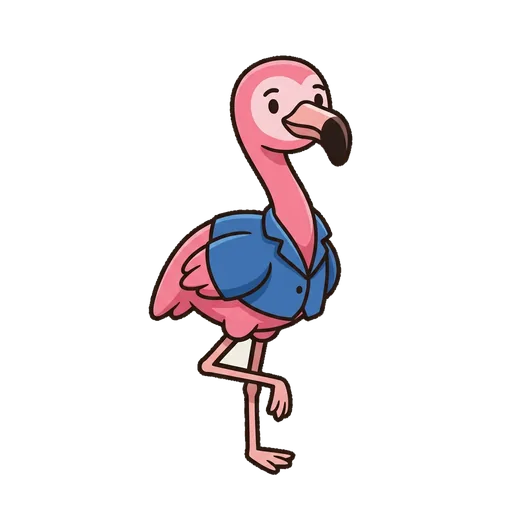
Poise
Balance / no single strategy dominates
-
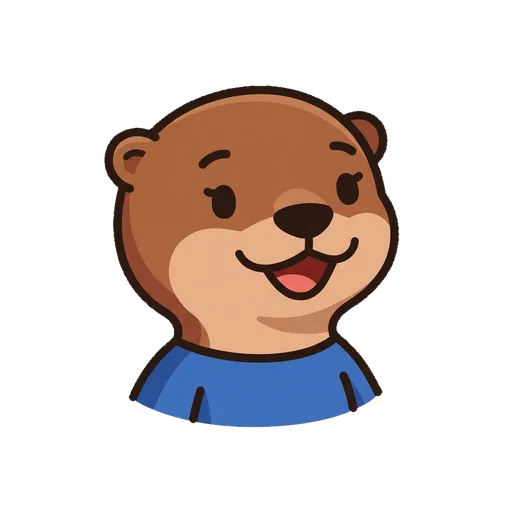
Meddle
Player interaction / how players affect each other
-
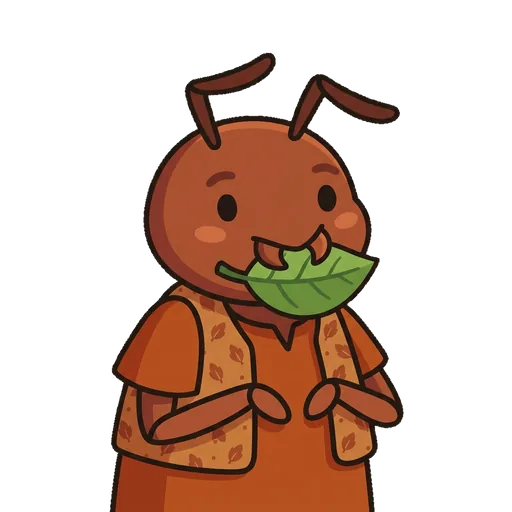
Sprawl
Engine-building / combos that feed each other
-
Trial
Playtest + iteration — what-they-DID matters more than what-they-SAID; first-playtest-supposed-to-fail framing
-
Theme
Game-mechanic + theme integration — the-game-IS-its-mechanics; Habgood intrinsic-integration anchor; theme-MUST-do-work framing