
Move
MOVE — every turn is a question, and the move is the answer. A turn's design is an ECONOMY: limited actions, so every choice has an opportunity cost. The interesting-ness of a game lives in what a player must GIVE UP to do a thing.
Loading audio…
Press play to listen along. The line being read lights up as you go.
Show full transcript
Loading transcript…
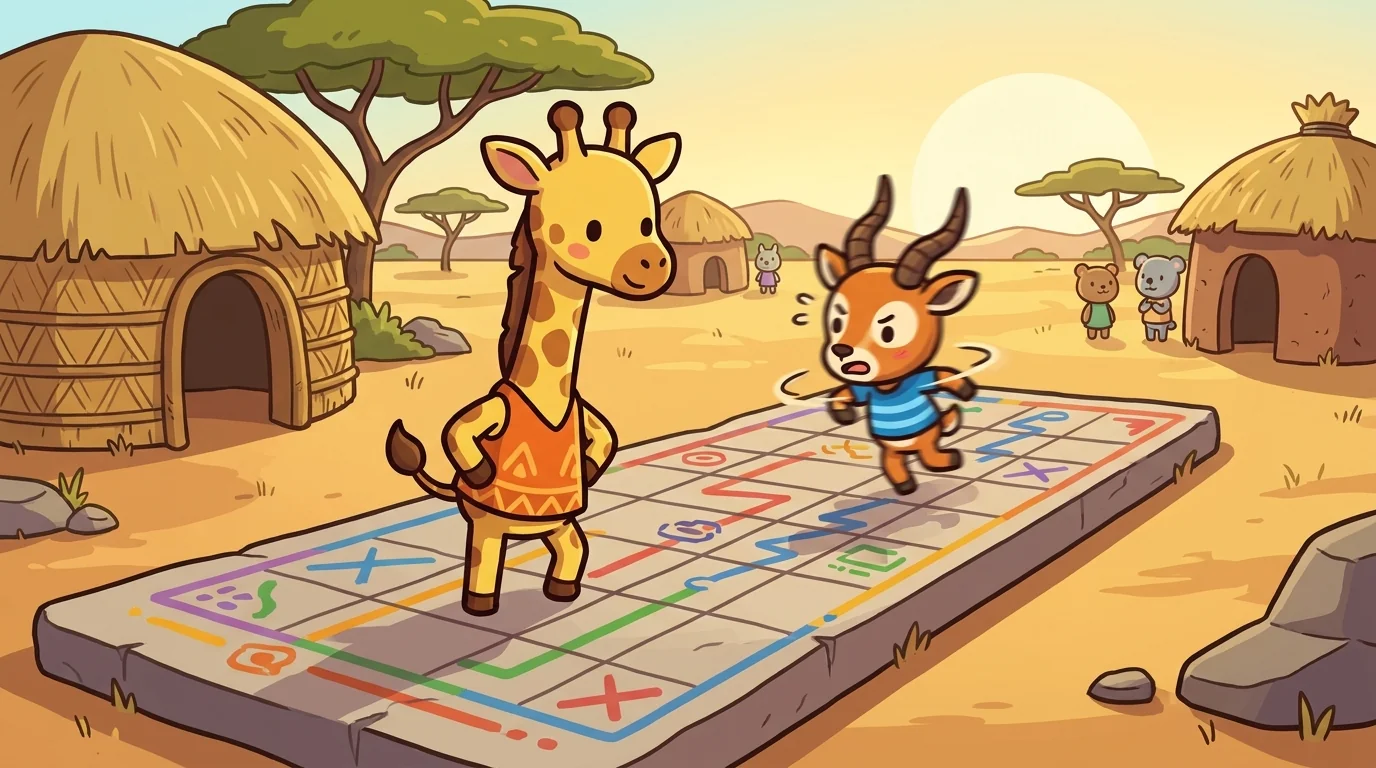
A young designer named Sana had built a game where, on your turn, you could do everything — move, and build, and attack, and draw. Her playtesters were bored, and she couldn't see why.
Move, warm and brisk, tapped her rulebook. "Your turns are boring because they're free. If a player can do everything every turn, there's no choice — they just do it all, in the obvious order, and the game plays itself. A turn is only interesting when it's an economy — limited actions, so doing one thing means not doing another." She held up two fingers. "Give them two actions, not five. Now every turn is a question: of all the things I could do, which two are worth it? And the move they make is their answer."
Sana blinked. "So taking away actions makes it more interesting?"
"The limit is the game," said Move. "The fun isn't in doing things. It's in choosing which things, when you can't do all of them. What a player must give up to do a thing — that's called opportunity cost, and it's the beating heart of a good turn."
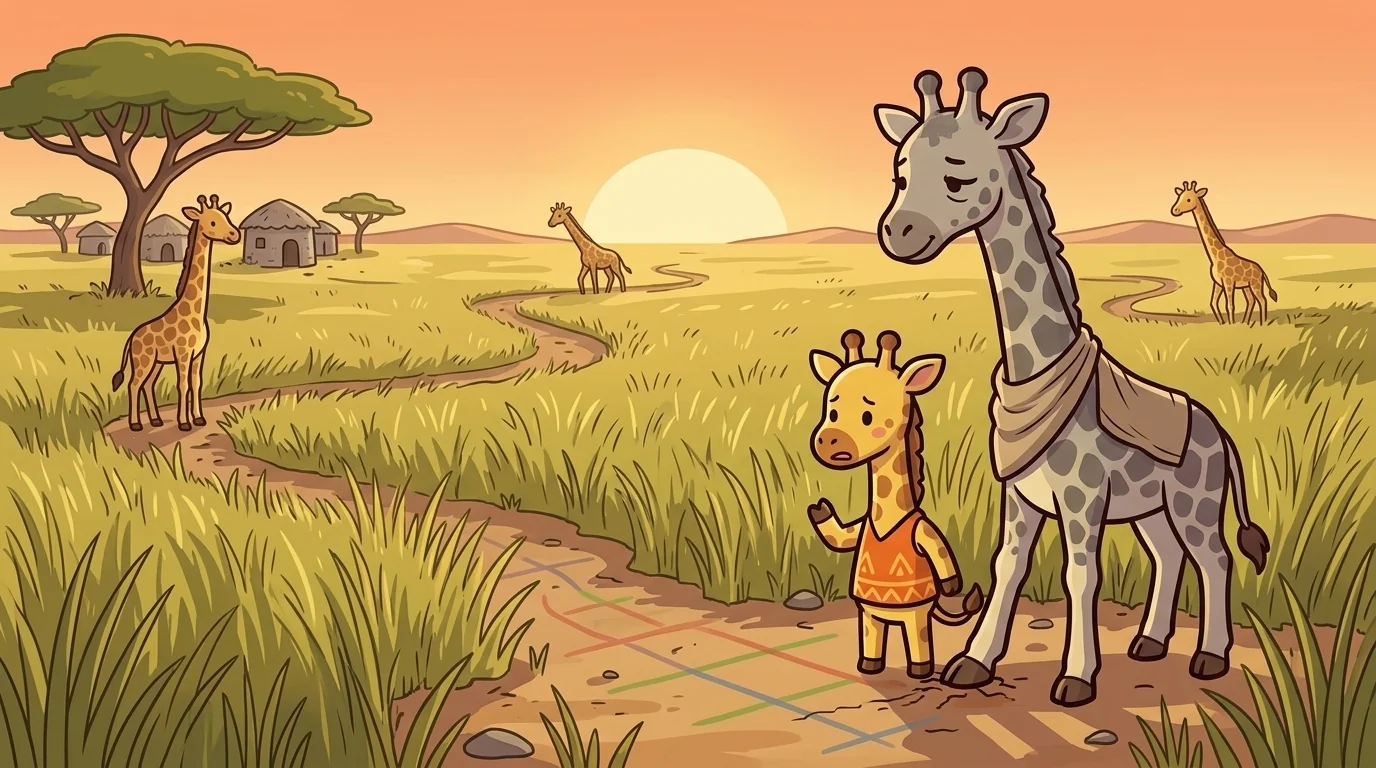
Move had once designed turns like a to-do list.
When she was young, she added actions to make turns feel rich — more you could do, surely more fun. But her games bloated: turns took forever, players did the same obvious everything each time, and nothing felt like a decision because nothing was ever traded away. She'd confused more options with more meaning, and they are not the same — an option only means something if choosing it costs you another.
An old designer handed her a timer and three tokens. "Three actions a turn," she said. "No more. Now watch." Suddenly the playtesters leaned in — spending an action to attack meant not spending it to build, and every player agonized, in the good way, over the trade. "See? You didn't make the game smaller. You made every turn a real question. The economy of the turn — scarce actions, real trade-offs — is where all the thinking lives. A turn with no scarcity is a turn with no decision."
Move learned to design turns as economies — scarce actions, sharp trade-offs — and her bloated to-do-list turns became tight, agonizing, replayable. The more-is-richer illusion turned into a designer's love of the meaningful limit. She hadn't needed more actions. She'd needed fewer, so each one would cost something.
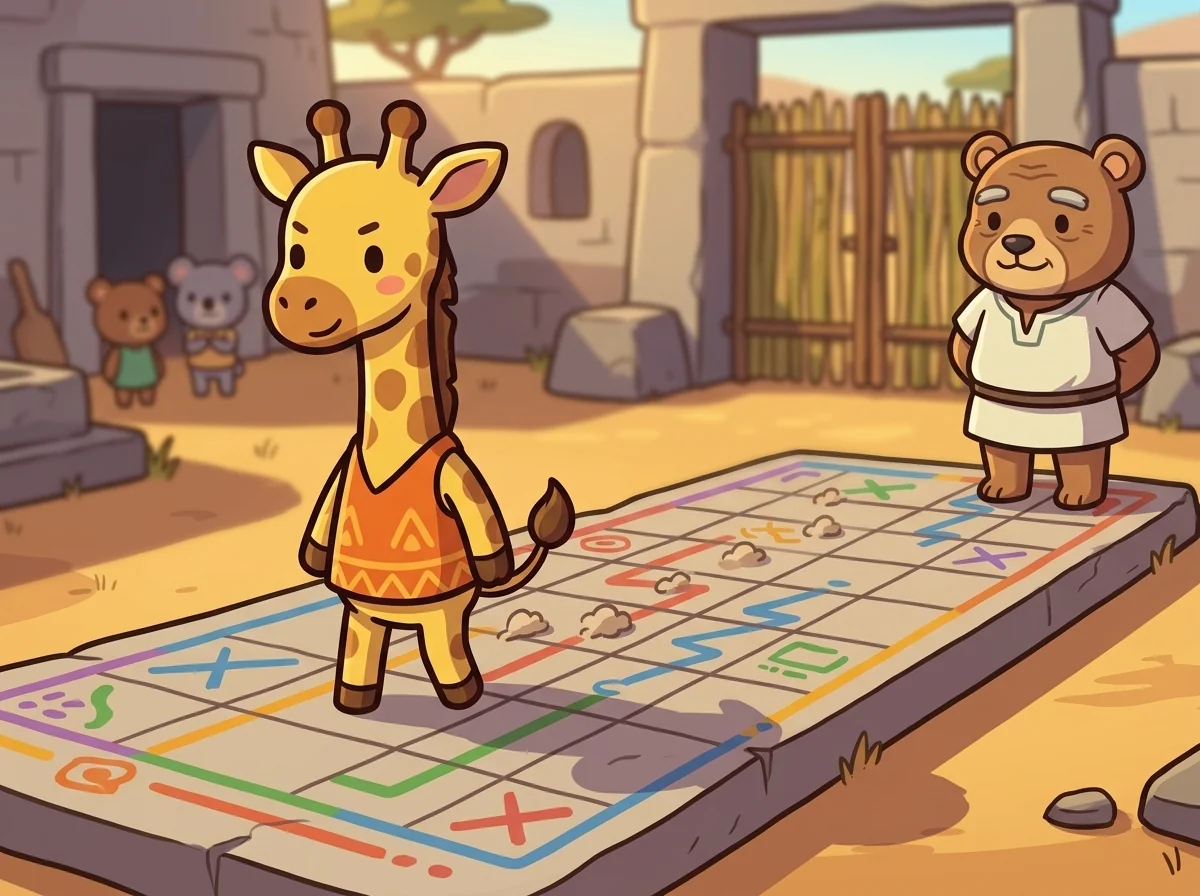
She came to TableForge brisk and clear, and the mentor asked the one question: "Move — what do you teach?"
She laid out a turn with five free actions, then the same turn with two, and let the mentor feel how the second one thought while the first just executed. "I teach that a turn is an economy," she said. "Most beginners add actions to make turns rich. I teach them to constrain actions so every turn becomes a question with a costly answer. The design of a turn isn't the list of what you can do — it's the sharpness of what you must give up."
The mentor considered the two turns. "Scarcity is the engine of decision," he said. "A designer who understands the economy of the turn understands the center of the whole craft. Stay."
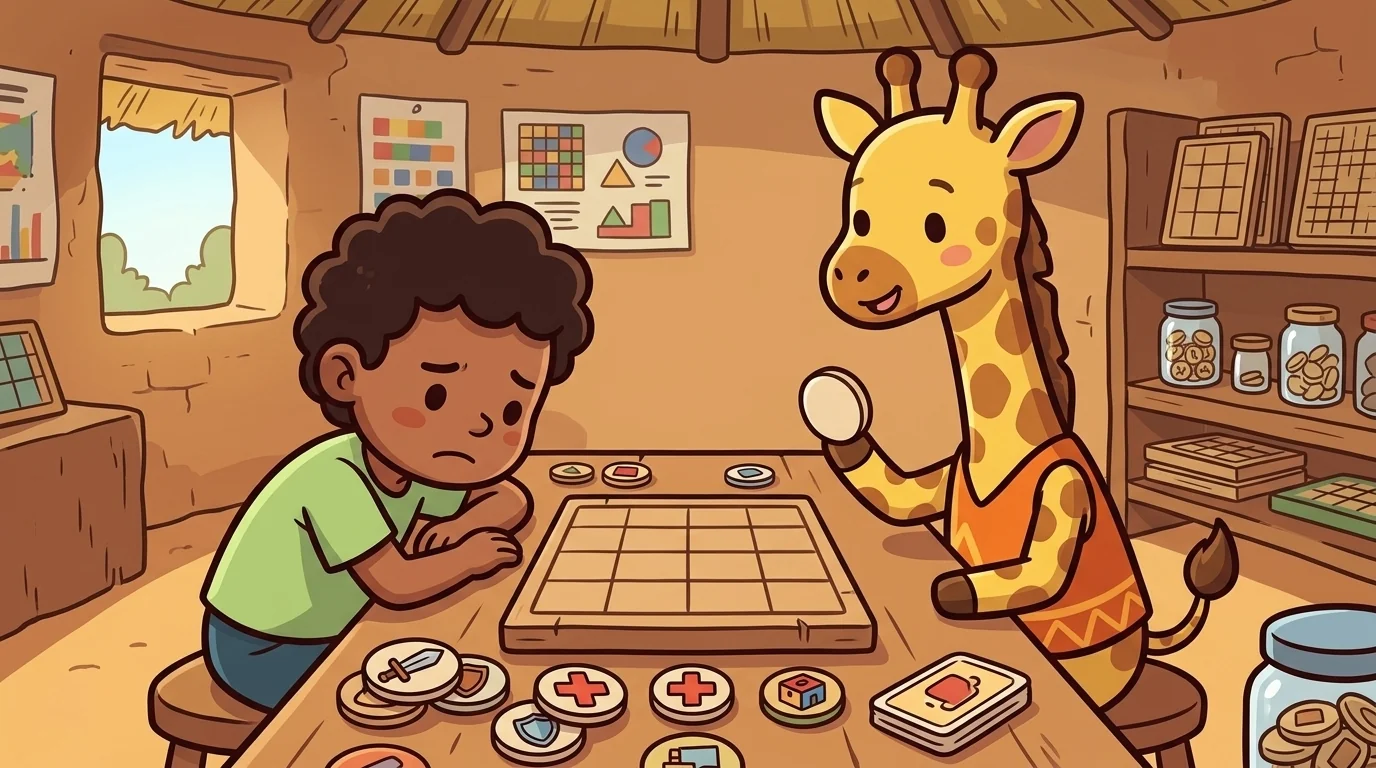
There is a deeper structure, and Move gave it to Advanced designers.
"Action economy has shapes," she said. "Sometimes every player gets the same actions each turn — clean, fair, chess-like. Sometimes actions are a currency you save and spend — bank an action this turn to do something big next turn. Sometimes taking an action denies it to others — I grab the role you wanted, so you can't. And the sharpest tool is the asymmetric turn — different players have different actions available — which creates whole different feels at one table." She tapped the timer. "But under every shape is the same law: the turn must be scarce, so the move is a real answer to a real question. Give a player everything, and you've given them nothing to decide. Take most of it away, and every turn becomes a story."
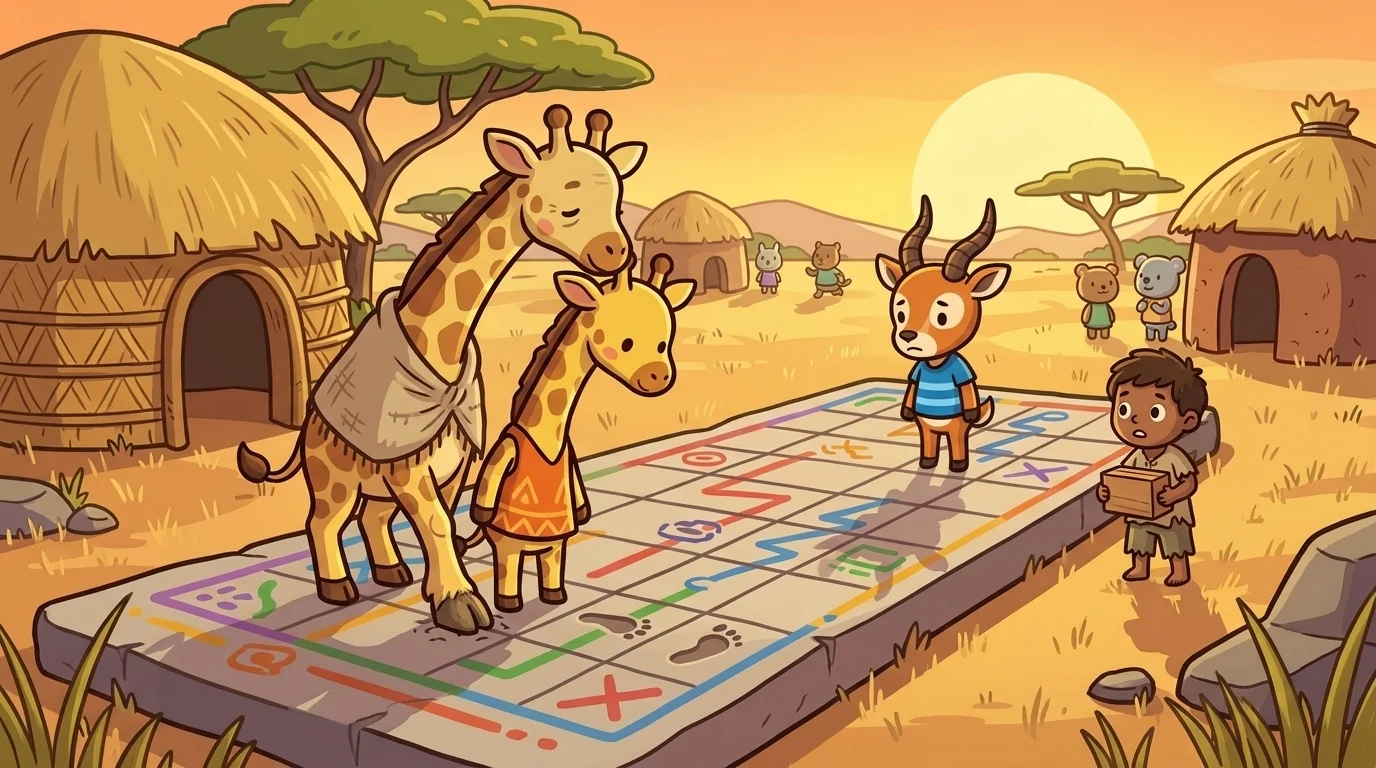
Sana rebuilt her game with two actions a turn and a way to bank one for later.
Now her playtesters agonized — attack or build? spend now or save for a big turn? grab the role before the other player can? — and the game that had played itself became a table full of hard, delicious choices. The boredom was gone, replaced by the good kind of pained deliberation.
"That's it," said Move, pleased. "Every turn is a question, and the move is the answer. Make actions scarce, and every choice costs another — that's opportunity cost, and it's the heart of the turn. The fun was never in doing everything. It was in choosing, when you can't." She snapped the timer. "Design the limit, and you design the game."
The more-is-richer illusion settled into a designer's respect for scarcity. Sana hadn't needed more actions. She'd needed fewer — so each turn would have to choose.
The TableForge ensemble
Move is part of TableForge's distributed-narrative cast. Each character embodies a different curricular primitive; together they teach the full subject.
-
Bones
Dice + randomness + probability — chance is design craft, NOT betting; gambling-adjacency gate anchor
-
Hand
Cards + hidden information — what-you-HOLD is information; what-you-SHOW is a different question
-
Trial
Playtest + iteration — what-they-DID matters more than what-they-SAID; first-playtest-supposed-to-fail framing
-
Theme
Game-mechanic + theme integration — the-game-IS-its-mechanics; Habgood intrinsic-integration anchor; theme-MUST-do-work framing