
Theme
THEME — making every part of a game work together as one whole. When the MECHANIC and the STORY say the same thing, the rules feel obvious and the game teaches itself. When they fight, players fall out of the fiction. This is thematic integration.
Loading audio…
Press play to listen along. The line being read lights up as you go.
Show full transcript
Loading transcript…
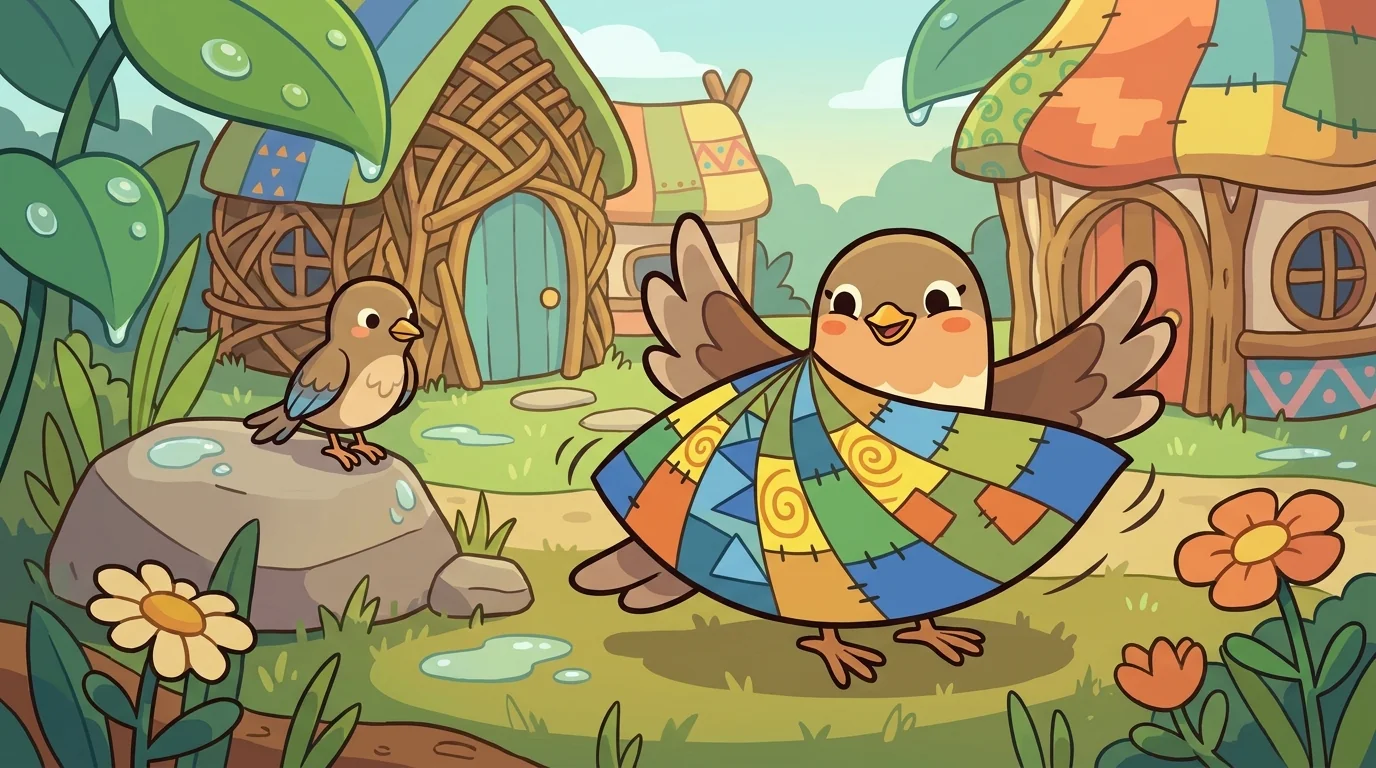
A young designer named Otis had a game about being a gardener — but to grow a plant, you attacked other players and stole their cards. His testers kept asking, confused, "wait, why am I fighting? I thought I was gardening?"
Theme, warm and thoughtful, smiled. "Because your mechanic and your story are saying opposite things. The story says gardener — patient, growing, tending. The mechanic says raider — attack, steal, take. So players can't hold the fiction in their heads; the rules keep contradicting the world." She tapped the cards. "Theme isn't decoration you paint on at the end. It's the agreement between what the game is about and what the player actually does. When they agree, the rules feel obvious and the game almost teaches itself. When they fight, players fall out of the story and have to memorize rules that make no sense to them."
Otis winced. "So the theme and the rules have to mean the same thing."
"They have to say the same thing," said Theme. "A gardener tends. So growing should feel like tending — watering, waiting, protecting. Make the mechanic do what the story promises, and you've built a game that agrees with itself."
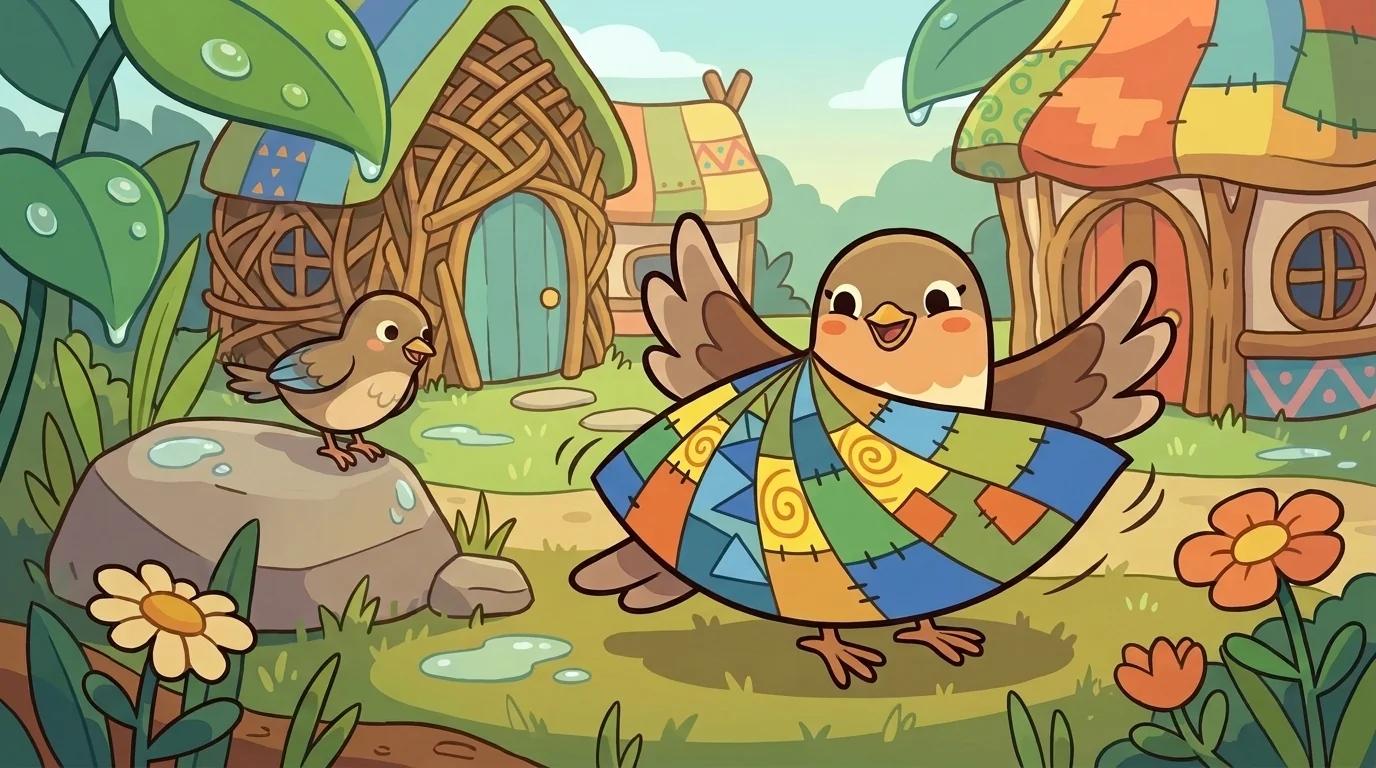
Theme had once treated story as a coat of paint.
When she was young, she'd design the mechanics first — cold, abstract systems — and then slap a theme on top: "it's about pirates now!" But the pirate-paint never matched the machinery underneath, so players felt the seams: a "cannon" that behaved like a farming action, a "treasure" that worked like a timer. Nothing meant anything; it was just a spreadsheet wearing a costume. She thought theme was the fun part you added last. She had it backwards.
An old designer showed her two versions of one game — same rules, but one where the theme matched the actions and one where it was pasted on. "Feel the difference?" she said. "When the fiction and the function agree, players understand before they've read the rule — because the world already told them. 'You're a firefighter; fire spreads; you spend water to stop it' — nobody needs that rule explained. The theme is the tutorial. But paste a mismatched theme on, and every rule becomes a thing to memorize, because the world is lying about what the game does." She tapped the matching version. "Design theme and mechanic together, each shaping the other, and the game becomes one whole thing instead of a costume on a machine."
Theme learned to weave story and system together from the start — and her costume-on-a-spreadsheet games became worlds that taught themselves. The paint-it-on-last habit turned into a designer's insistence on agreement. She hadn't needed a better coat of paint. She'd needed the paint and the machine to mean the same thing.
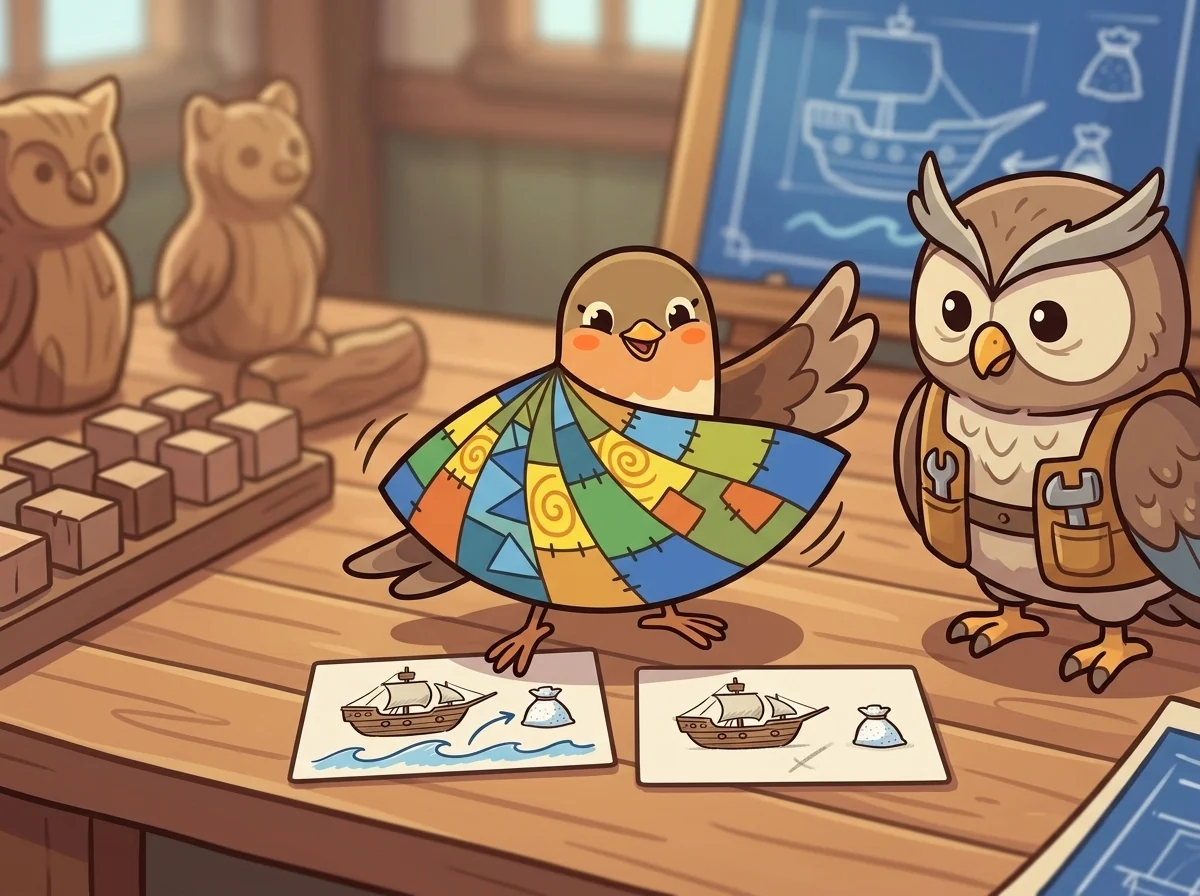
She came to TableForge thoughtful and warm, and the mentor asked the one question: "Theme — what do you teach?"
She showed a game whose mechanic and story agreed, then the same rules with a mismatched theme, and let the mentor feel how the first explained itself and the second had to be memorized. "I teach integration," she said. "Most beginners bolt a theme on at the end. I teach them that theme and mechanic must be designed as one — because when the fiction and the function agree, the game is intuitive and alive, and when they fight, it's a chore. Theme isn't the decoration. It's the agreement."
The mentor nodded. "When the story and the rules say the same thing, a designer has made a world, not a machine. That wholeness is the mark of the craft. Stay."
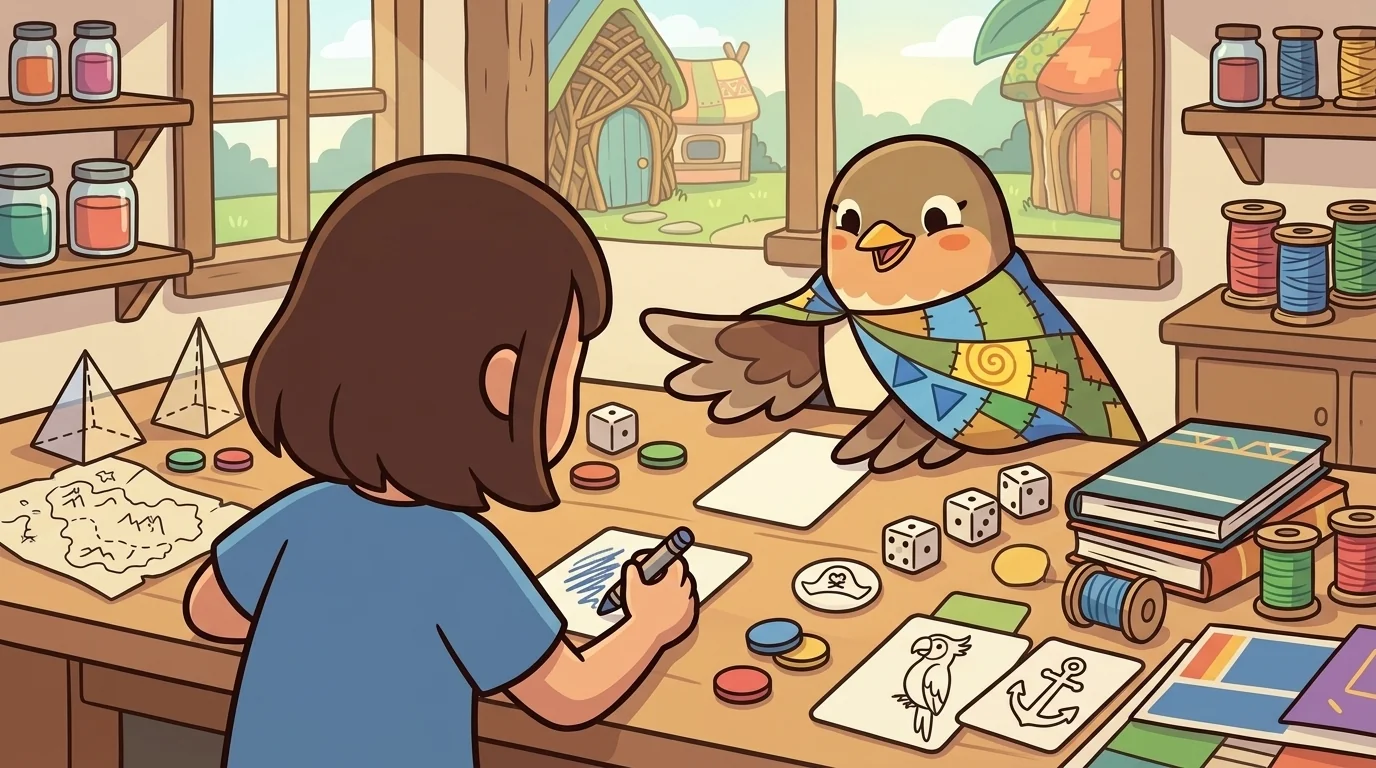
There is a subtle danger, and Theme gave it to Advanced designers.
"Beware theme for its own sake," she said. "A gorgeous story wrapped around a broken mechanic is still a broken game — integration means they serve each other, not that story rescues bad rules. And beware the opposite: a brilliant mechanic with a theme so thin players can't hold onto it. The target is harmony — the mechanic gives the theme something true to do, and the theme gives the mechanic a reason that makes its rules feel inevitable." She tapped the table. "When they're truly one, you get that magic moment where a player guesses the rule correctly before you say it, because the world already told them. That's the summit: a game so integrated it teaches itself."
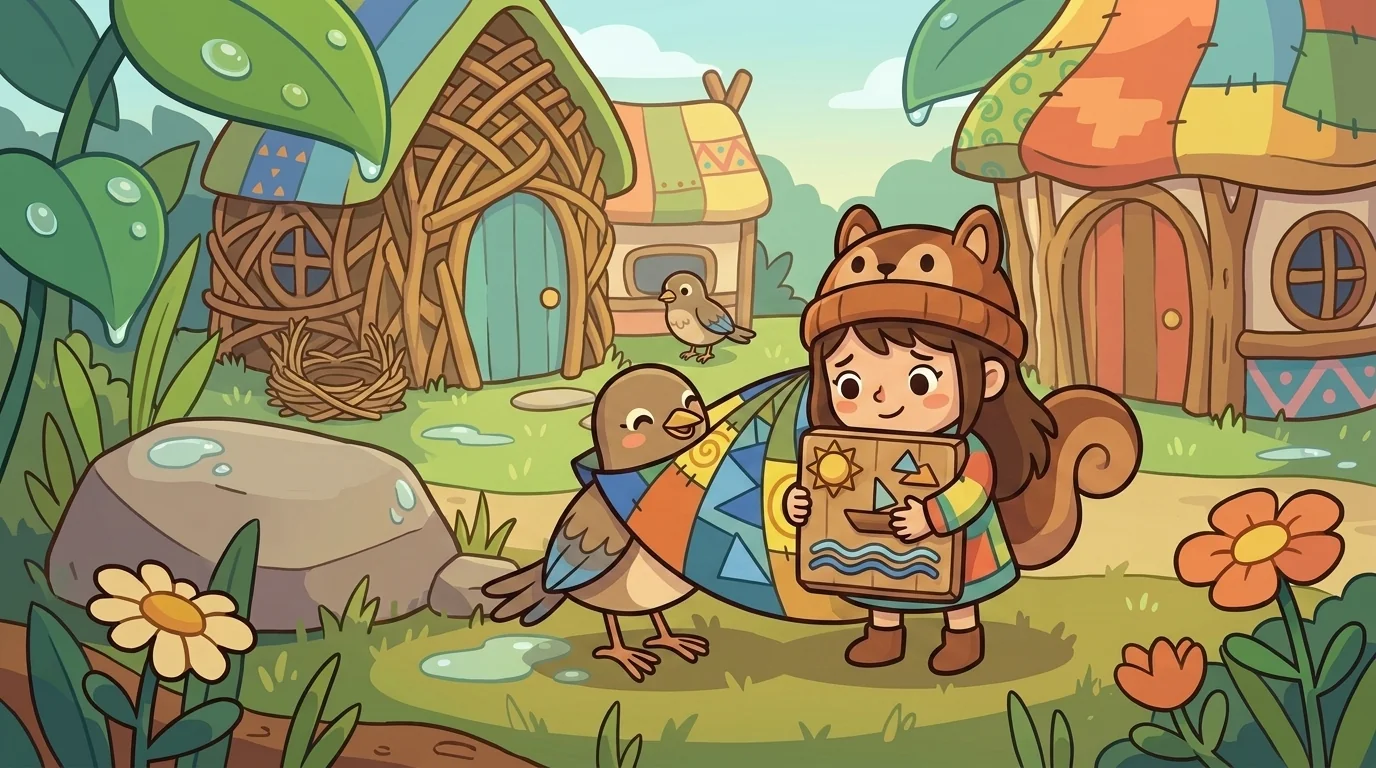
Otis rebuilt his gardener game so growing meant tending — watering, protecting from frost, waiting patiently — and the "attack other players" mechanic became "compete for sunlight and rain," which a garden actually does.
Now his testers stopped asking "why am I fighting?" — because they weren't; they were gardening, and the rules finally matched the world. Several of them guessed a rule before he explained it, because the theme had already told them.
"That's it," said Theme, warm. "Make every part work together as one whole. When the mechanic and the story say the same thing, the rules feel obvious and the game teaches itself. Theme isn't paint. It's the agreement that turns a machine into a world." She smiled. "Design them together, and the game agrees with itself."
The paint-it-on illusion settled into a designer's feel for wholeness. Otis hadn't needed a prettier theme. He'd needed the theme and the rules to mean the same thing.
The TableForge ensemble
Theme is part of TableForge's distributed-narrative cast. Each character embodies a different curricular primitive; together they teach the full subject.
-

Bones
Dice + randomness + probability — chance is design craft, NOT betting; gambling-adjacency gate anchor
-

Hand
Cards + hidden information — what-you-HOLD is information; what-you-SHOW is a different question
-

Move
Turn-structure + action economy — every turn is a question and an answer; turn-as-question framing
-

Trial
Playtest + iteration — what-they-DID matters more than what-they-SAID; first-playtest-supposed-to-fail framing