Cael
SELF-EXPLANATION — after each step, ask "but WHY does that work?" and answer it in your own words
Loading audio…
Press play to listen along. The line being read lights up as you go.
Show full transcript
Loading transcript…
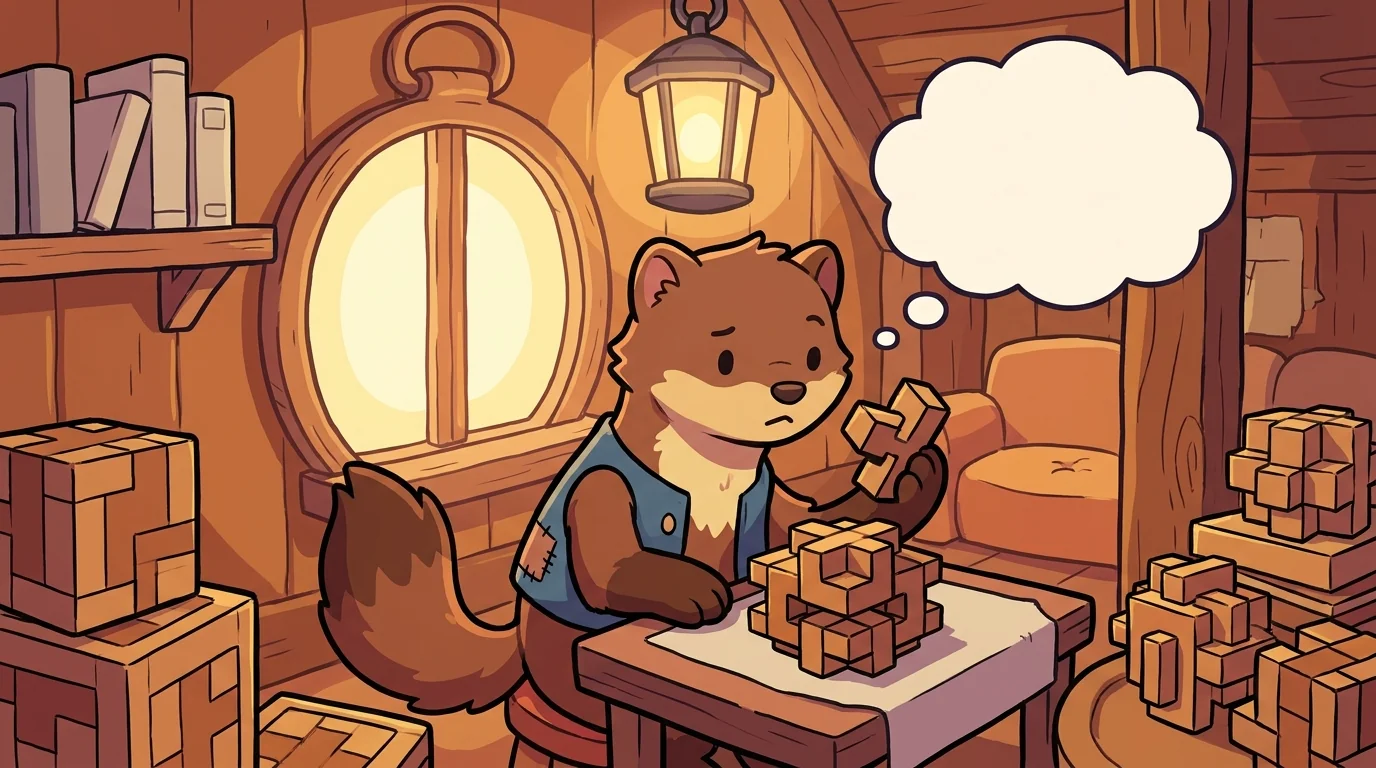
At Lantern House there was a young marten named Cael who had, at first, a quiet problem that no one could see — because on the outside it looked like the opposite of a problem.
Cael could follow any steps. Show him how to solve a kind of puzzle, and he'd copy the steps flawlessly, every time. His work was neat. His answers were right. And yet, underneath, Cael felt strangely hollow — because he didn't actually understand any of it. He was a very good copier of steps, and a very poor knower of why.
The trouble showed up the moment a puzzle changed even a little. Then his copied steps didn't fit, and he was lost, because he'd never known what the steps were for.
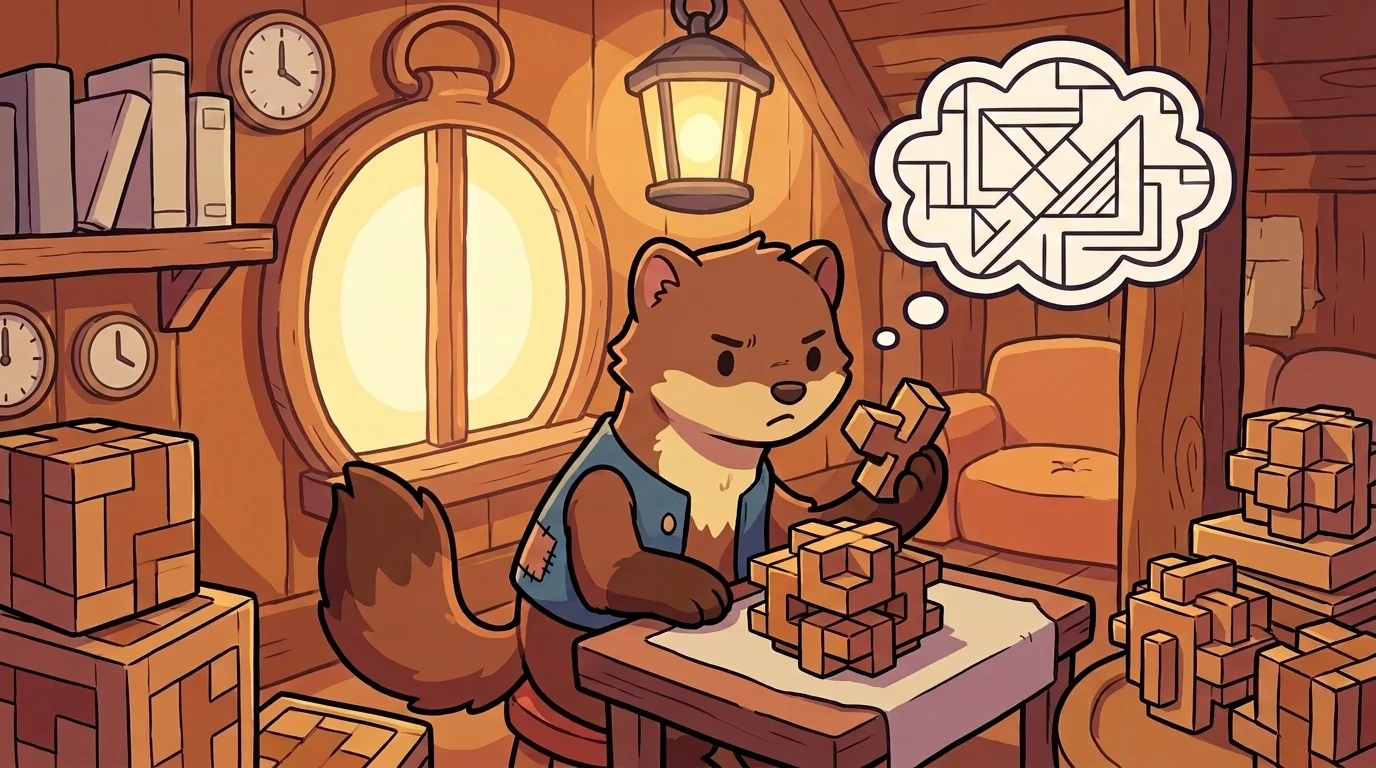
Metis watched him one day, solving correctly and understanding nothing, and she did not tell him he was doing it wrong. She asked one question.
"That step you just did," she said. "Why does it work?"
Cael froze. "Because... that's the step. That's what you do."
"But why is it what you do?" said Metis, gently. "What is it actually doing?"
He had no idea. And for the first time, the neat right answer felt like exactly what it was: a shell with nothing inside.
"I think," said Cael slowly, "I've been copying, not learning."
"Then let's learn," said Metis, and pointed him toward the habit that would change everything.
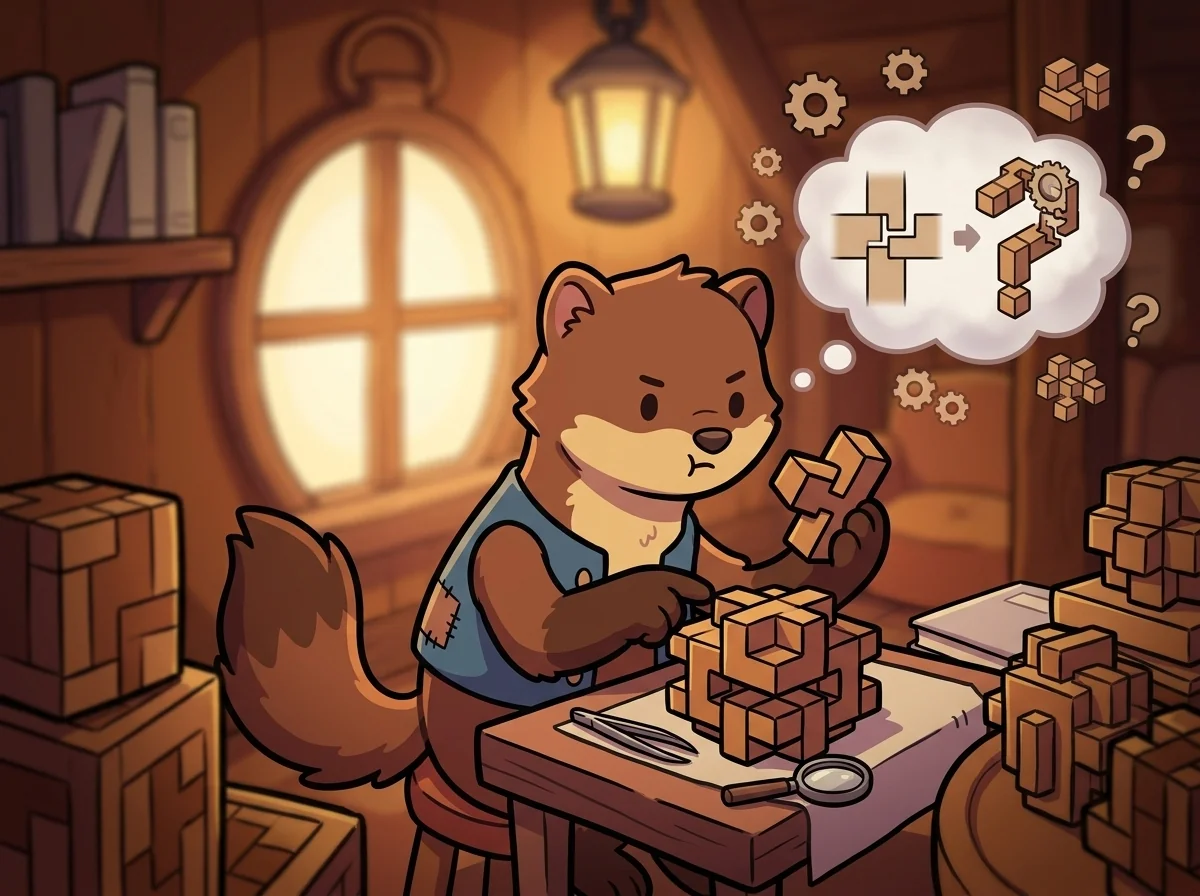
The habit was simple, and it was one small word: why.
After every step, Cael learned to stop and ask himself, "But why does that work?" — and then, crucially, to answer it in his own words. Not the book's words. His own. Because you can parrot a book's sentence without understanding it, but you cannot explain something in your own words unless you actually get it. The explaining is the test.
At first it was hard and a little embarrassing. He'd ask "why?" and find he had no answer — which was uncomfortable, but honest, and far better than the hollow shell. So he'd dig until he could say it plainly, in words a younger kid would understand.
"When I can explain it to an imaginary little cousin," he said, "then I know I actually have it. If I can't, I'm still just copying."

A vole named Pim watched him do this and thought it looked slow and strange. "You're talking to yourself about why the whole time."
"Because doing gets you the answer," said Cael, "but why gets you the understanding. And understanding is the part that's still there tomorrow, and the part that works even when the puzzle changes."
Pim tried it. She solved a step, then made herself explain why it worked, in her own plain words, out loud, to no one. It was harder than just doing it. But when she got to the end, something was different: it felt solid. Not a shell. When the next puzzle came out a little different, she wasn't lost — because she knew what the steps were for.
"It sticks better," she said, surprised. "It's like the difference between memorizing a map and actually knowing the town."
"That's it exactly," said Cael, pleased. "Copiers memorize the map. Explainers know the town."
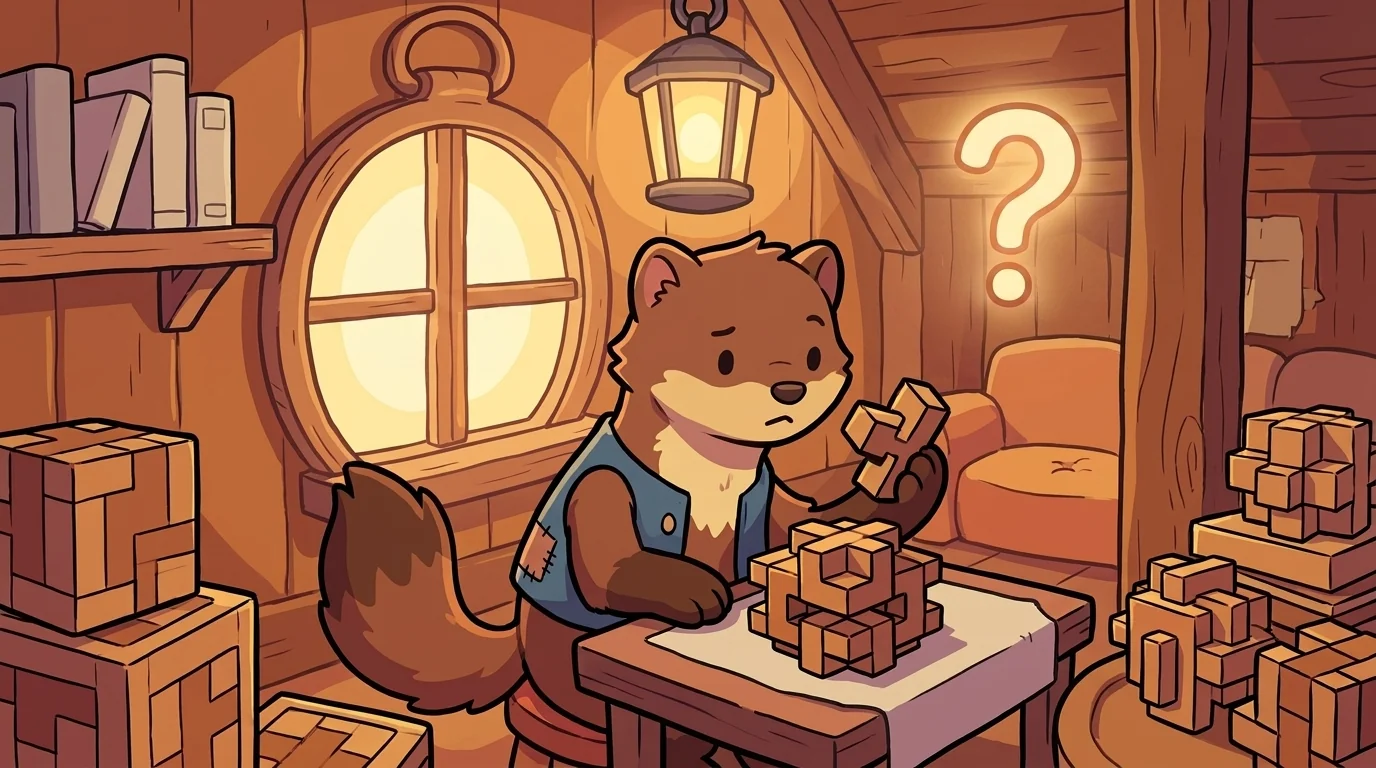
Metis watched Cael turn a room of copiers into a room of askers, and blinked her slow silver blink.
"You turned doing into understanding," she said, "with one small word."
"Why is the smallest big word there is," said Cael.
And that evening, when Metis asked what had worked, Pim answered, tapping her own forehead:
"After every step I ask 'but why does that work?' and answer it in my own words. That turns doing into understanding — the part that's still there tomorrow."
The TutorForge ensemble
Cael is part of TutorForge's distributed-narrative cast. Each character embodies a different curricular primitive; together they teach the full subject.
-

Metis
Metacognition — plans before a task and reflects after (the mentor who orchestrates the coaches)
-

Wade
Preview — skims the headings and turns each into a question before reading
-

Pilar
Planning & chunking — breaks a big task into small stepping-stones, one at a time
-
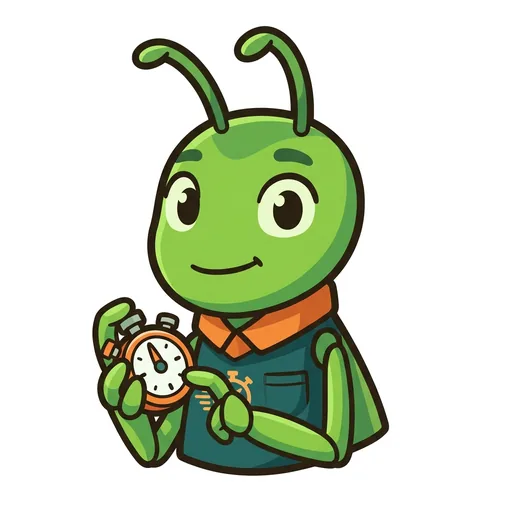
Spry
Focus & brain-breaks — works in short focused sprints, then a real movement break
-

Rune
Elaboration — ties each new idea to something he already knows
-

Lumi
Concrete examples — turns a fuzzy idea into a real example you can picture
-

Indie
Dual coding — draws a quick picture so words and images work together
-

Mnemo
Mnemonics — turns a hard fact into a silly rhyme or picture you can't forget
-

Reeva
Retrieval practice — closes the book and recalls from memory before peeking
-

Halcyon
Spaced practice — spreads studying across days instead of cramming the night before
-

Tovi
Interleaving — mixes different problem types instead of drilling one kind
-

Otis
Growth reframe — turns 'I'm bad at this' into 'not yet' (anti-shame, RSD-safe)