Rune
ELABORATION — tie each new idea to something you already know, drawing a line between them
Loading audio…
Press play to listen along. The line being read lights up as you go.
Show full transcript
Loading transcript…
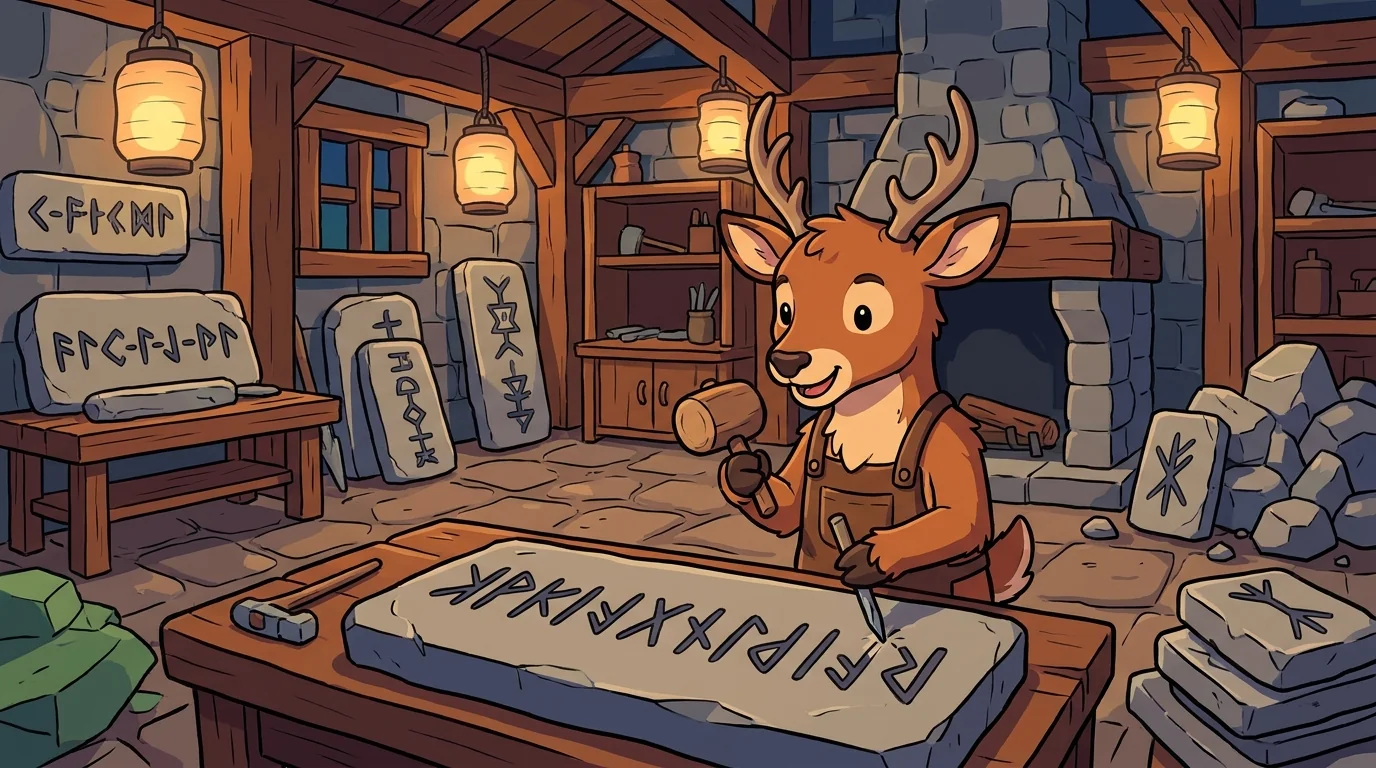
At Lantern House there was a young stag named Rune, and he was named for the little carved marks that old stone-carvers left in rows, each one beside the last, so that no mark ever stood alone.
That was exactly how Rune thought about learning. A single new fact, all by itself, was like a rune carved on a bare rock in the middle of nowhere — lonely, and easy to lose. But a new fact carved beside something you already knew? That one stayed. It had a neighbor. It belonged.
"Nothing sticks when it's alone," Rune liked to say. "Everything sticks when it has a neighbor."
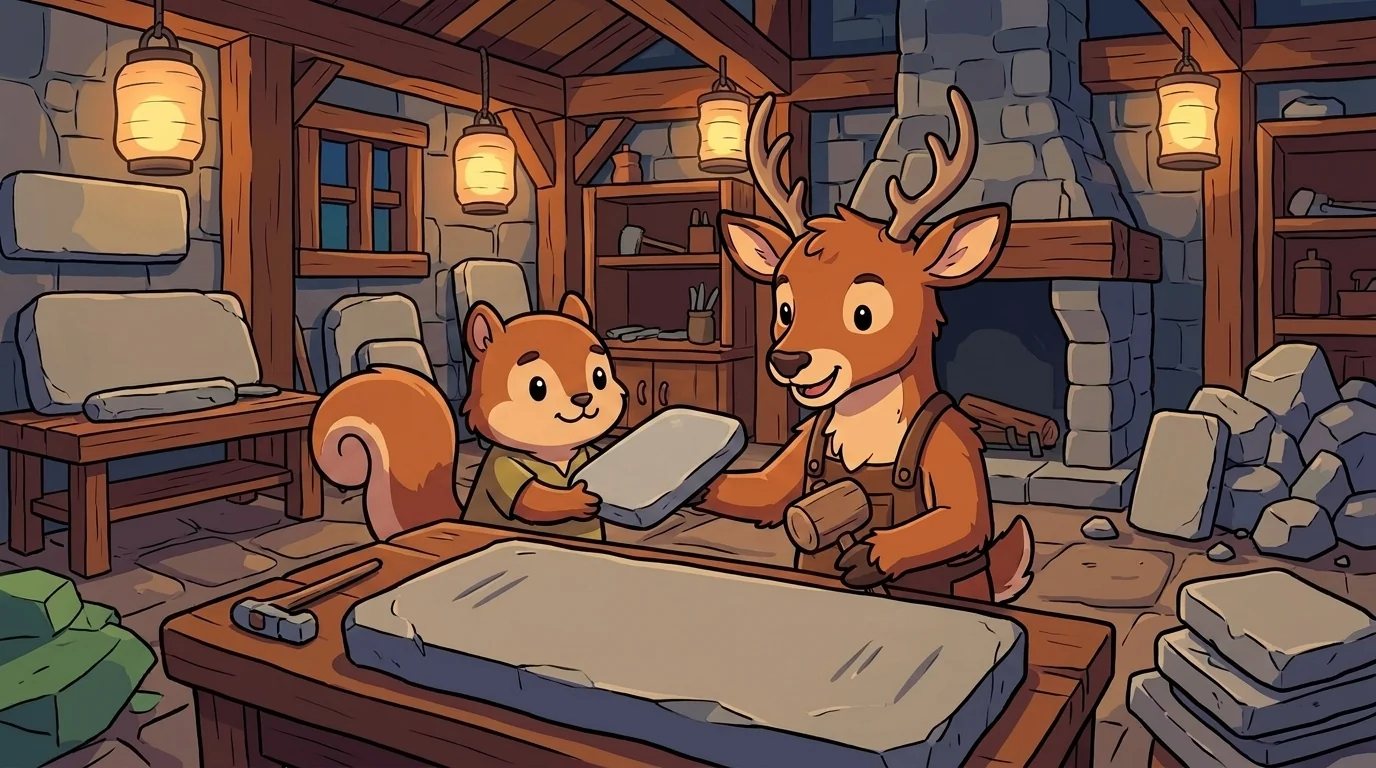
A squirrel named Fenn was fighting a fact that would not stay in her head no matter how many times she read it. It kept sliding out, the way a smooth pebble slides out of a loose fist.
"It just won't stick!" she said. "I read it, and five minutes later it's gone."
"That's because it's lonely," said Rune kindly. "It's a stranger in your head with no one to hold onto. Let's find it a neighbor." He tilted his antlers. "This new thing you're learning — what does it remind you of? What do you already know that's even a little like it?"
Fenn thought. And slowly, a link appeared — the new idea was a little like something from her own life, something she already knew by heart. "Oh," she said. "It's kind of like..." and she said it.
"There," said Rune, warmly. "Now carve them side by side. The new one, right next to the old one you already know. Draw the line between them out loud."
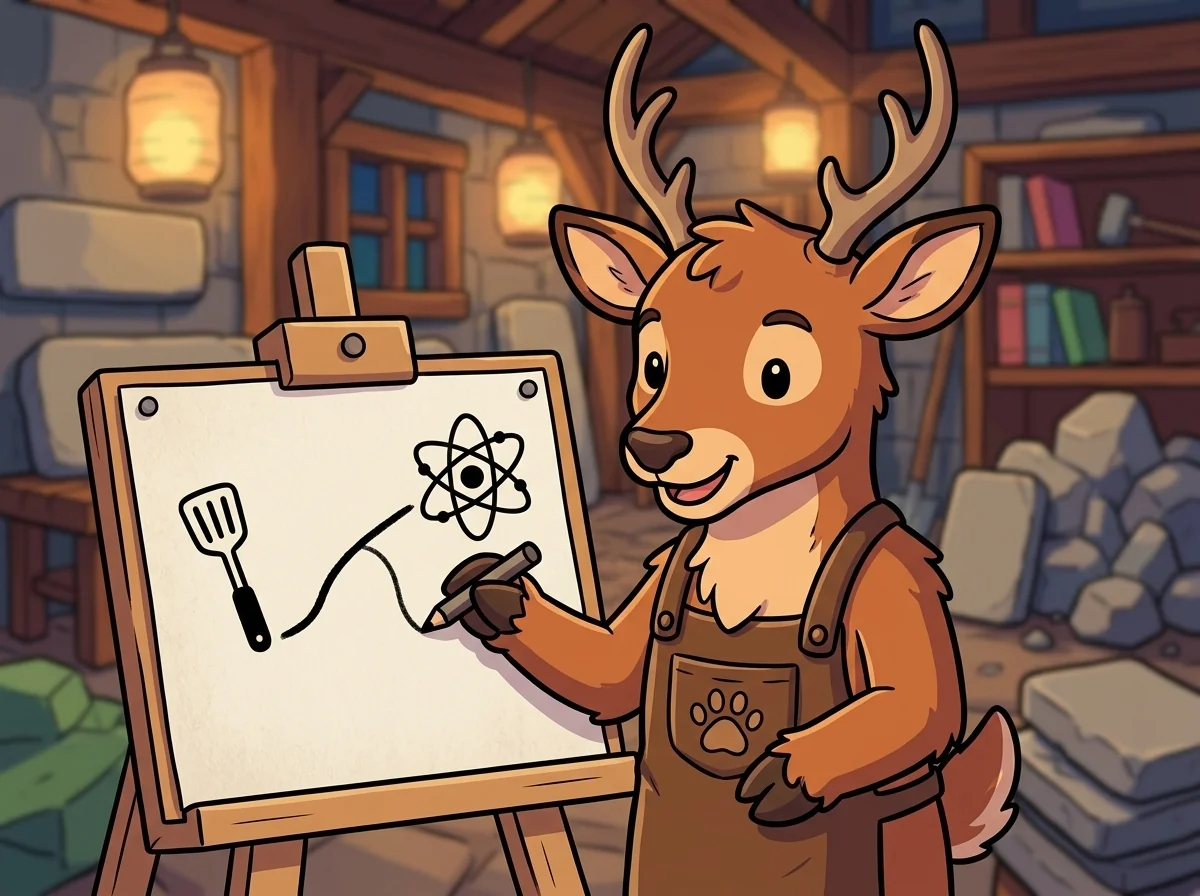
That was Rune's whole habit: for every new idea, ask "what do I already know that this connects to?" — and then say the connection out loud, or draw a line between them on paper. A new science idea tied to something in the kitchen. A history fact tied to a story you already loved. A hard word tied to a word you already knew.
"The line is the glue," Rune explained. "The old thing is already stuck in your memory, deep and solid. When you tie the new thing to it, the new thing borrows that stuckness. It holds on to the old one and stops sliding out."
Fenn drew her line. The lonely fact, now roped to something she'd known forever, suddenly had somewhere to live. When she checked five minutes later — it was still there. It hadn't slid out. It had a neighbor now.
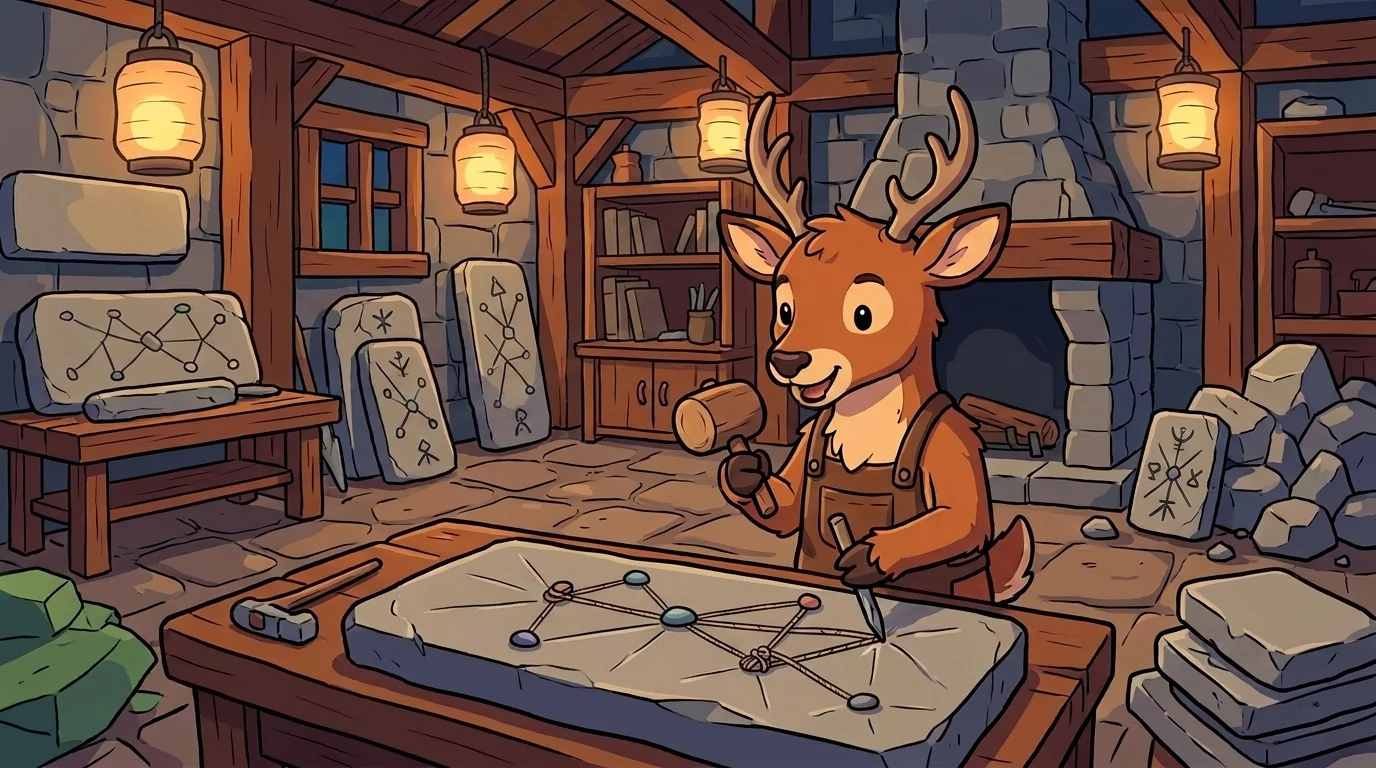
"It's almost like cheating," Fenn said. "I didn't try harder. I just tied it to something."
"That's not cheating, that's how memory works," said Rune. "Your brain isn't a box you drop facts into. It's a web. Everything's connected to something. A fact with no threads to the web just falls through. A fact tied in with a few threads — it hangs there forever." He smiled. "The more you already know, the easier new things are to hold — because there's more web to tie them to."
He was patient with the children who felt they "didn't know anything to connect it to." "You know more than you think," he told them. "It doesn't have to be a big grand link. Even a silly link works. A silly thread still holds."
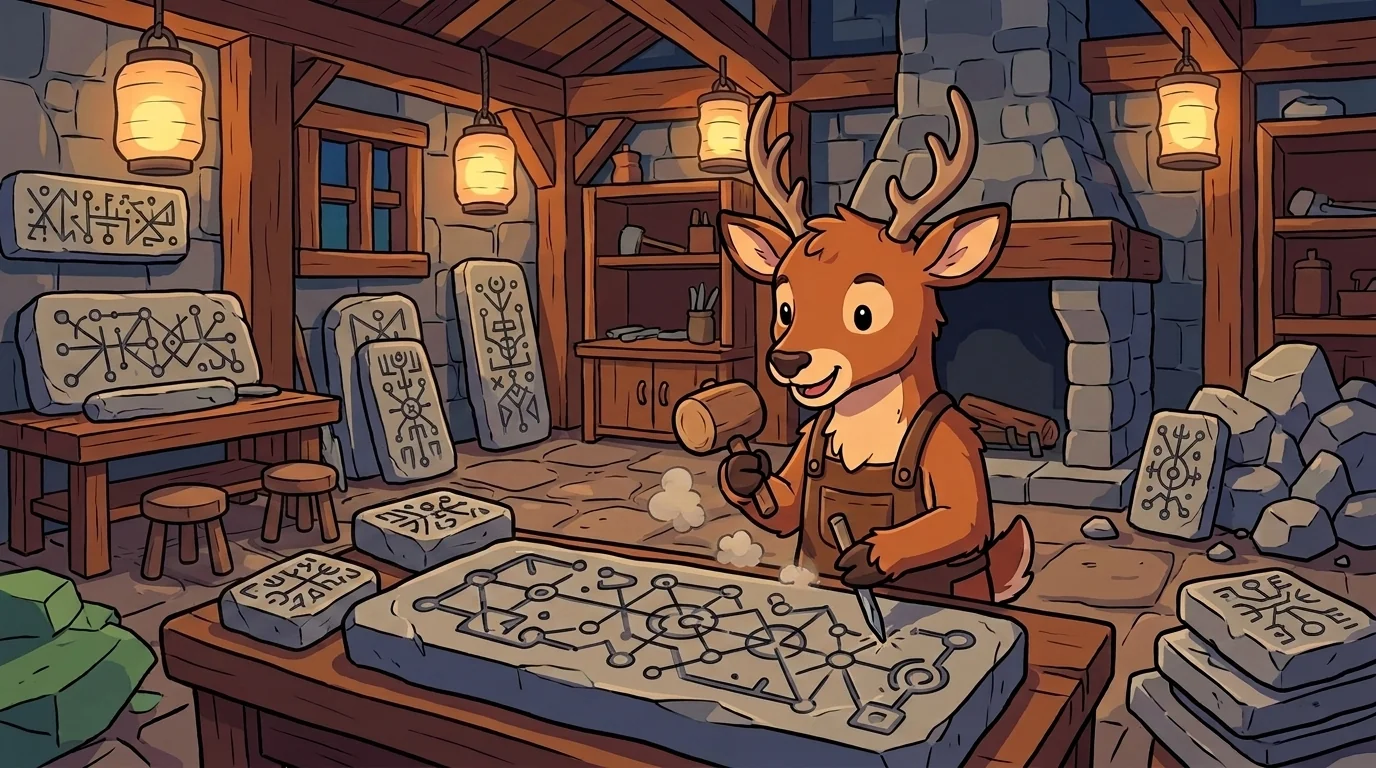
Metis watched Rune rope lonely facts to old solid ones and blinked her slow silver blink.
"You never leave a new idea standing alone," she said.
"An idea alone is an idea lost," said Rune. "An idea with a neighbor is an idea kept."
And that evening, when Metis asked what had worked, Fenn answered, holding up a paper webbed with her own lines:
"I tie every new idea to something I already know, and draw the line between them. New knowledge sticks to old — like a rune carved right beside another."
The TutorForge ensemble
Rune is part of TutorForge's distributed-narrative cast. Each character embodies a different curricular primitive; together they teach the full subject.
-
Metis
Metacognition — plans before a task and reflects after (the mentor who orchestrates the coaches)
-

Wade
Preview — skims the headings and turns each into a question before reading
-

Pilar
Planning & chunking — breaks a big task into small stepping-stones, one at a time
-
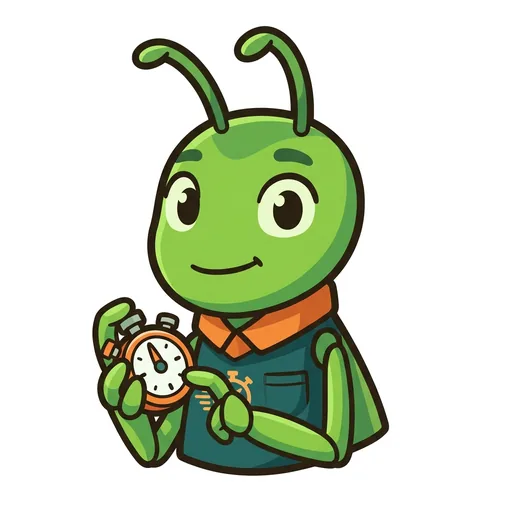
Spry
Focus & brain-breaks — works in short focused sprints, then a real movement break
-

Cael
Self-explanation — asks 'but why does that work?' and answers in his own words
-
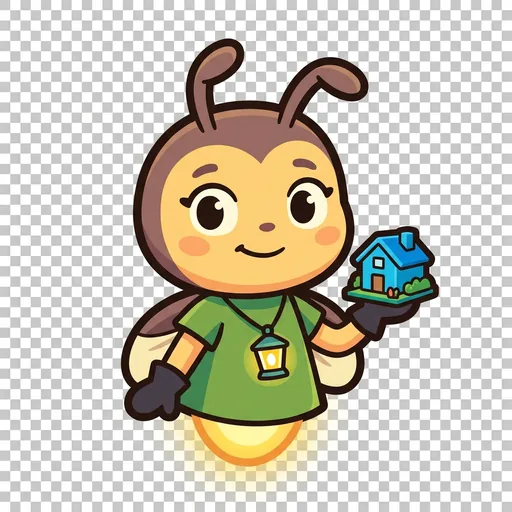
Lumi
Concrete examples — turns a fuzzy idea into a real example you can picture
-
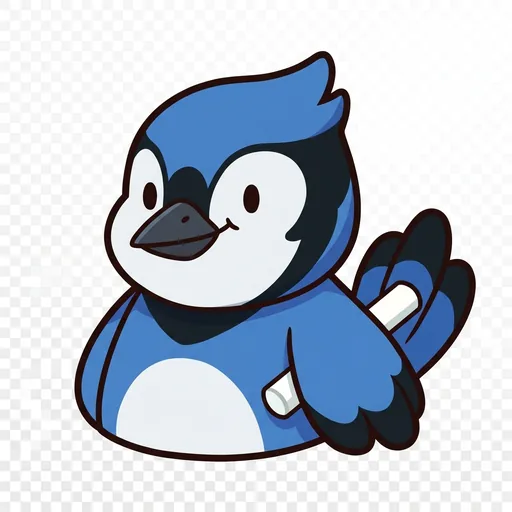
Indie
Dual coding — draws a quick picture so words and images work together
-
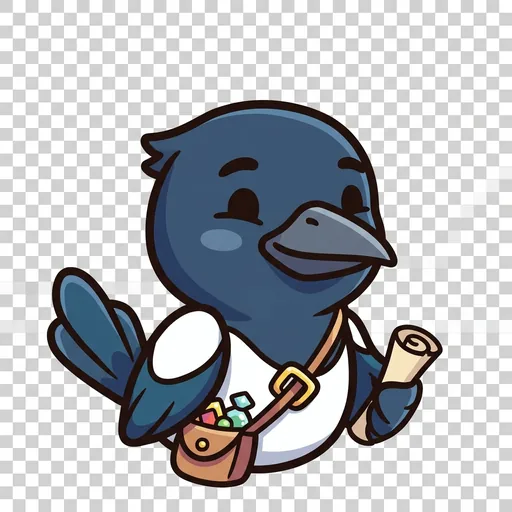
Mnemo
Mnemonics — turns a hard fact into a silly rhyme or picture you can't forget
-
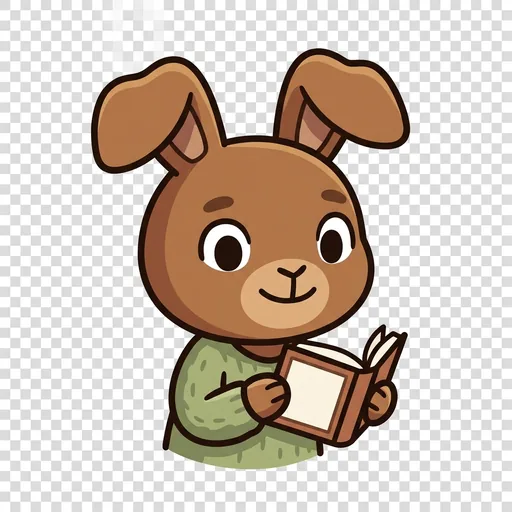
Reeva
Retrieval practice — closes the book and recalls from memory before peeking
-
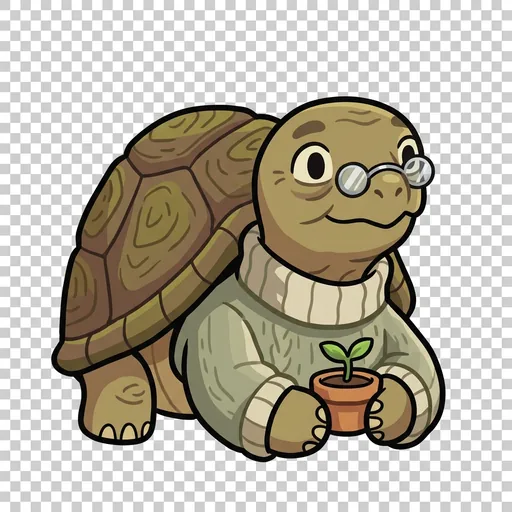
Halcyon
Spaced practice — spreads studying across days instead of cramming the night before
-

Tovi
Interleaving — mixes different problem types instead of drilling one kind
-

Otis
Growth reframe — turns 'I'm bad at this' into 'not yet' (anti-shame, RSD-safe)