Academics
TutorForge
Learn how to learn — a study companion for ages 9–14 built on sixteen research-backed study skills (metacognition, active reading, self-explanation, dual coding, mnemonics, retrieval practice, spaced study, interleaving, focus and test prep). Upload or type what you're studying and get a Socratic tutor, quizzes, flashcards, and a printable study pack — on-device, answer-withholding, ADHD-first.
#5C6BC0 Distributed-narrative cast
Meet the cast
TutorForge's Study Coaches (Lantern House) each embody one evidence-based learning-science primitive through a recurring defining act — the cast IS the curriculum of how to learn. Mentor Metis orchestrates the metacognitive loop; the coaches teach previewing, chunking, focus, self-explanation, elaboration, concrete examples, dual coding, mnemonics, retrieval, spacing, interleaving, and the growth reframe.
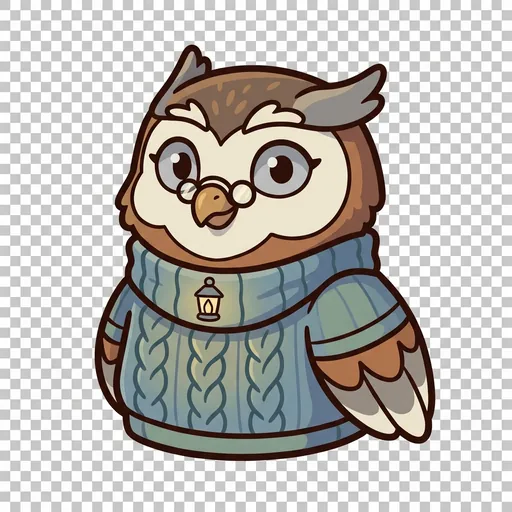
Metis
Metacognition — plans before a task and reflects after (the mentor who orchestrates the coaches)
Read chapter →

Wade
Preview — skims the headings and turns each into a question before reading
Read chapter →

Pilar
Planning & chunking — breaks a big task into small stepping-stones, one at a time
Read chapter →
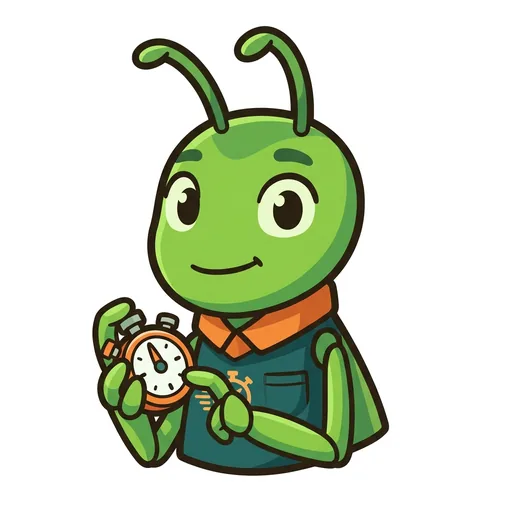
Spry
Focus & brain-breaks — works in short focused sprints, then a real movement break
Read chapter →

Cael
Self-explanation — asks 'but why does that work?' and answers in his own words
Read chapter →

Rune
Elaboration — ties each new idea to something he already knows
Read chapter →

Lumi
Concrete examples — turns a fuzzy idea into a real example you can picture
Read chapter →

Indie
Dual coding — draws a quick picture so words and images work together
Read chapter →
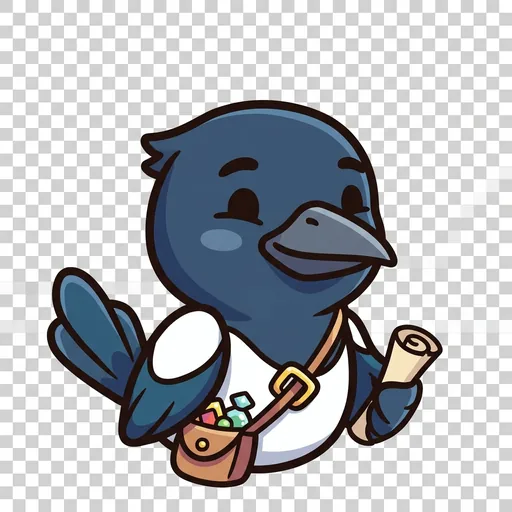
Mnemo
Mnemonics — turns a hard fact into a silly rhyme or picture you can't forget
Read chapter →

Reeva
Retrieval practice — closes the book and recalls from memory before peeking
Read chapter →
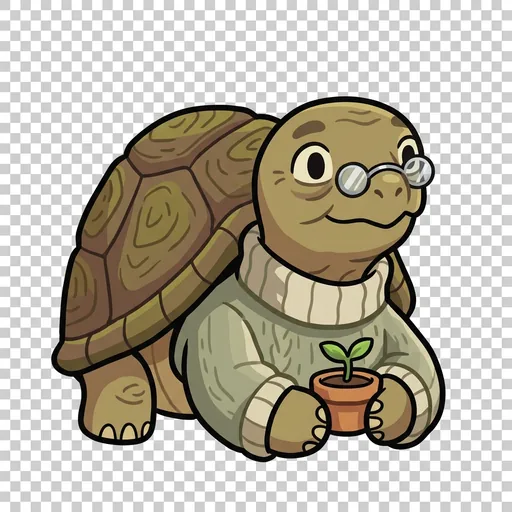
Halcyon
Spaced practice — spreads studying across days instead of cramming the night before
Read chapter →

Tovi
Interleaving — mixes different problem types instead of drilling one kind
Read chapter →

Otis
Growth reframe — turns 'I'm bad at this' into 'not yet' (anti-shame, RSD-safe)
Read chapter →
Browse all chapters → · What's distributed-narrative methodology? →
What's inside
Learning goal
Learn how to learn — a study companion for ages 9–14 built on sixteen research-backed study skills (metacognition, active reading, self-explanation, dual coding, mnemonics, retrieval practice, spaced study, interleaving, focus and test prep). Upload or type what you're studying and get a Socratic tutor, quizzes, flashcards, and a printable study pack — on-device, answer-withholding, ADHD-first.
Question kits
16 curriculum-aligned kits × 25 questions = 400 questions per app, mapped to recognized standards.
On-device AI mentor
FoundationModels-powered hints, feedback, and adaptive difficulty — all running locally.
Mentored by Metis — on-device AI, no data leaves the device.
How TutorForge handles your kid's data
- ✅ All progress, settings, and AI-generated content stays on the device
- ✅ No analytics, no tracking, no third-party SDKs
- ✅ No ads, no in-app purchases — you pay once
- ✅ COPPA compliant under the 2026 FTC amendments
- ✅ Parental controls + session limits + content filters built in
TutorForge runs on ForgeKit — the open-source Swift Package Manager framework that powers every Spark & Anvil app. ForgeKit ensures consistent accessibility, COPPA compliance, and design language across the portfolio, so your kid's progress and preferences feel coherent across every app they touch.
Coming to the App Store
TutorForge is in active development. Email us to hear when it ships — no marketing, no spam, just a one-shot launch announcement.
Email me at launch