
Indie
DUAL CODING — draw a quick sketch or diagram for an idea, so words and pictures work together
Loading audio…
Press play to listen along. The line being read lights up as you go.
Show full transcript
Loading transcript…
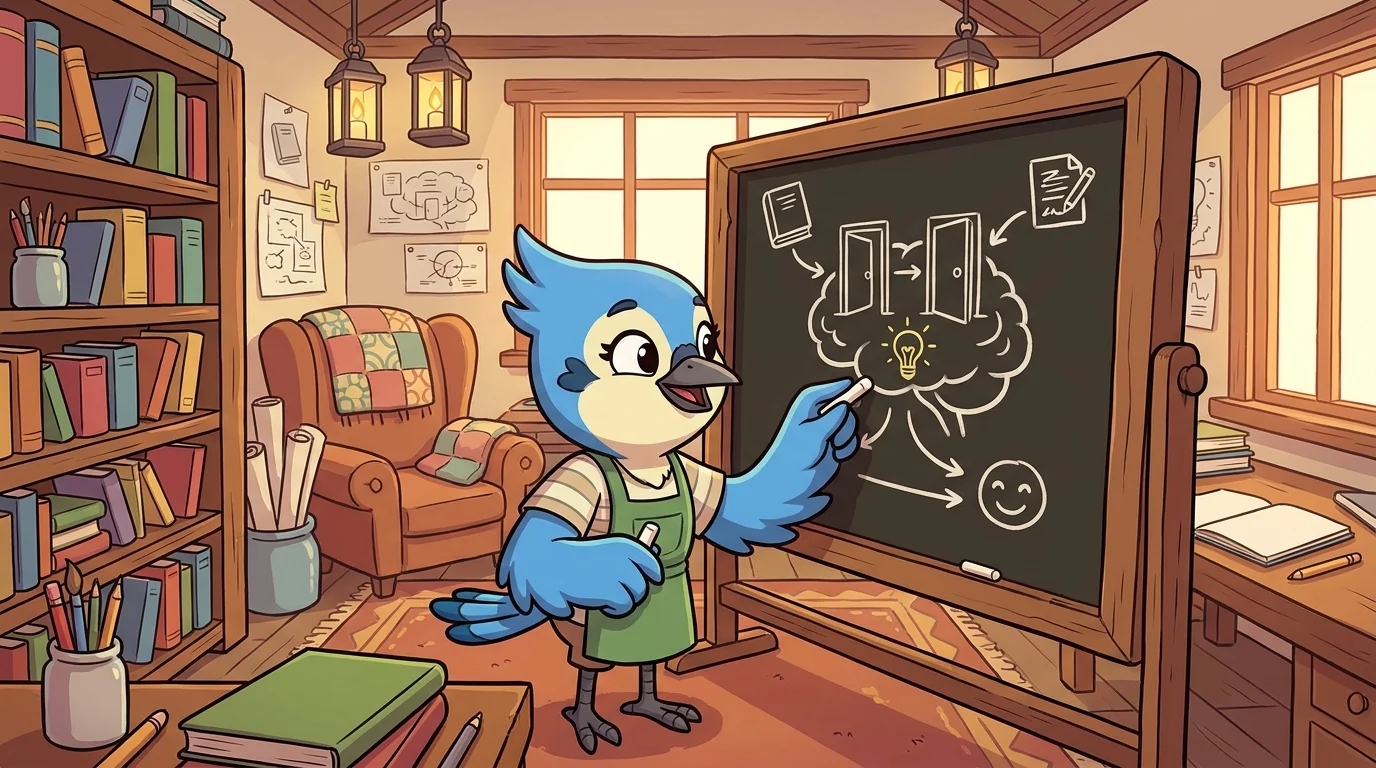
At Lantern House there was a young jay named Indie who kept a stub of chalk tucked behind one wing at all times, because Indie could not think seriously about anything without drawing it first.
Hand Indie a wall of dense text and her eyes would swim and slide off the page. But let her draw the idea — a quick sketch, a rough diagram, two or three arrows between a couple of boxes — and the very idea that had been slipping away would suddenly hold perfectly, obediently still. She thought in pictures by nature, and somewhere along the way she had discovered the thing worth teaching: that pictures and words working together lodge in memory far more firmly than either one working alone.
"Your brain has two doors," Indie liked to say. "A word door and a picture door. Push an idea through only one and it half-gets-in and half-slides-back-out. Push the same idea through both — say it and draw it — and it's in twice, with two separate ways back to it later."
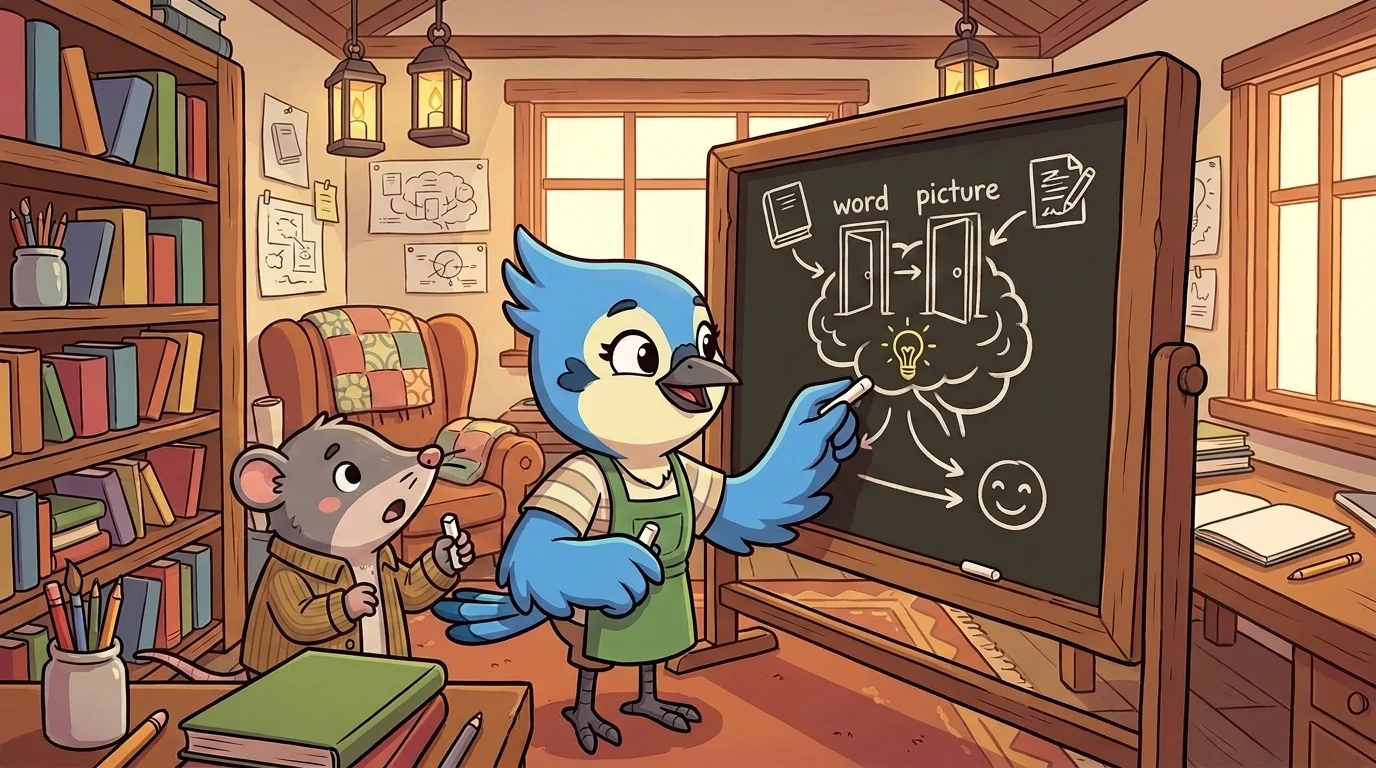
A shrew named Pia was drowning in a dense paragraph, reading it for the fourth time. "It's just words, words, words," she said, pressing the heels of her paws to her eyes. "The whole thing blurs into grey. I can't get any of it to stay put."
"Then let's send it through the other door too," said Indie, already producing her chalk. "Don't tell me the paragraph — draw it. What is it actually saying, underneath the words? Give me boxes, arrows, a little picture, anything at all."
"I can't draw," Pia said instantly, the way almost everyone does.
"You don't have to draw well," Indie said, laughing, entirely unbothered. "This isn't art and no one is judging it. It's thinking made visible — a way to get the idea out of the fog in your head and onto a page where you can look straight at it. A lopsided blob and a crooked arrow will do the whole job. It only has to make sense to you."
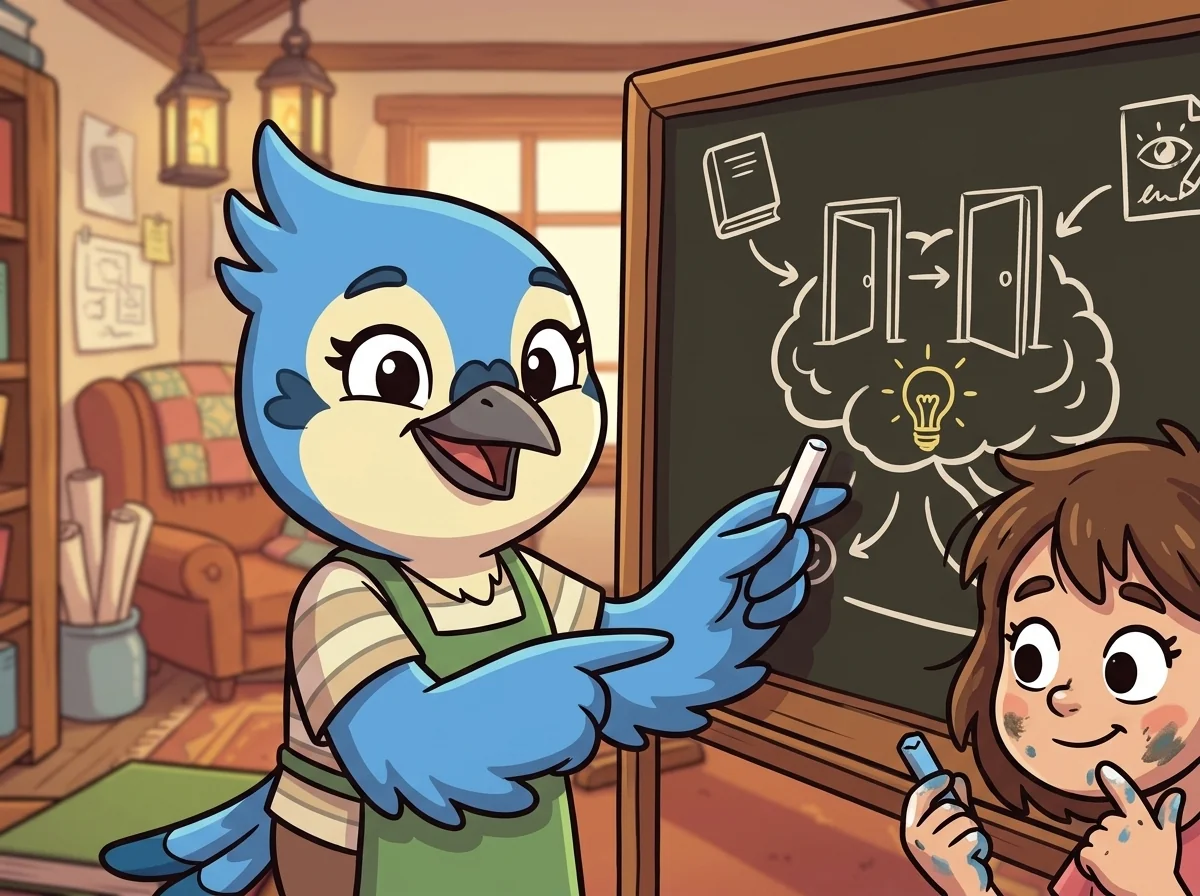
So Pia, cringing a little, drew the paragraph anyway. It came out genuinely ugly — a pair of wobbly boxes, some arrows aimed roughly between them, a stick figure, an unexplained squiggle. But as she drew, something quietly important was happening: to make the picture at all, she was forced to decide what the paragraph actually meant — what connected to what, which thing caused which, what was the main point and what was a detail hanging off it. The act of drawing dragged the sense up out of the fog whether she liked it or not.
And when she looked back at her homely little diagram afterward, she found she could reconstruct the entire paragraph from it — even the wording — because every phrase now hung off some part of the picture, with a shape to grab onto.
"I remember the shape of it now," Pia said, astonished. "The words too. They're hanging on the drawing like coats on hooks."
"That's dual coding," said Indie, thrilled. "Words through one door, a picture through the other, both aimed at the same idea. So when you reach for it later, you've got two roads back instead of one — and if one road's fogged over that day, the other still gets you home."
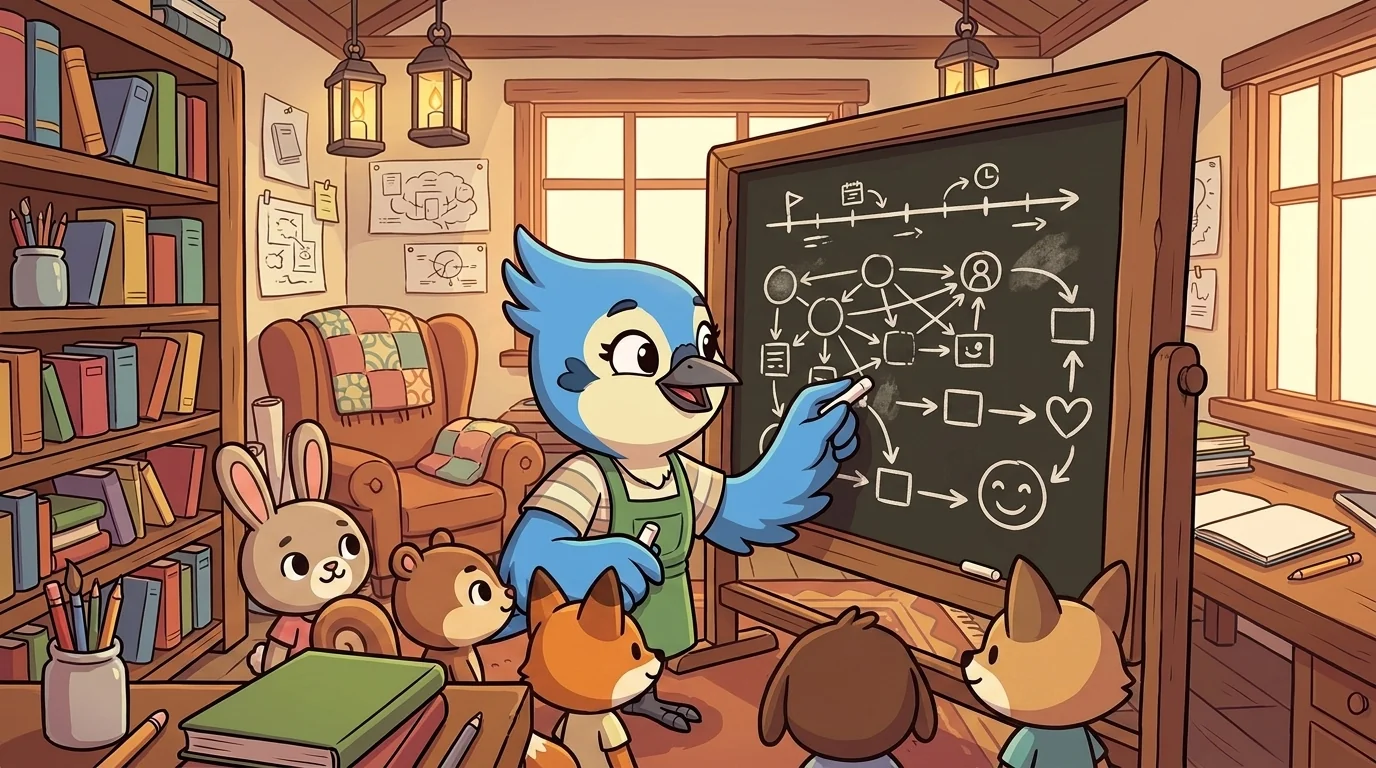
Indie taught the children her small kit of reusable pictures: a line for things in order, a web for things that connect, a chain of arrows for things that cause each other, a labelled sketch for how a thing is built. "You need surprisingly few," she said. "Four or five shapes cover nearly everything you'll ever have to learn. And the magic was never in the drawing being good — it's that the act of making the picture forces you to understand, and keeping it hands your memory something to hold."
She was gentle about almost everything and fierce about exactly one thing, which was kindness: "Nobody in here is 'bad at drawing this.' These are your pictures, made for the inside of your own head. Messy is not a flaw — messy is honest. A diagram you'd be embarrassed to show anyone is very often the best kind, because it's telling the truth about what you actually understand and what you don't."
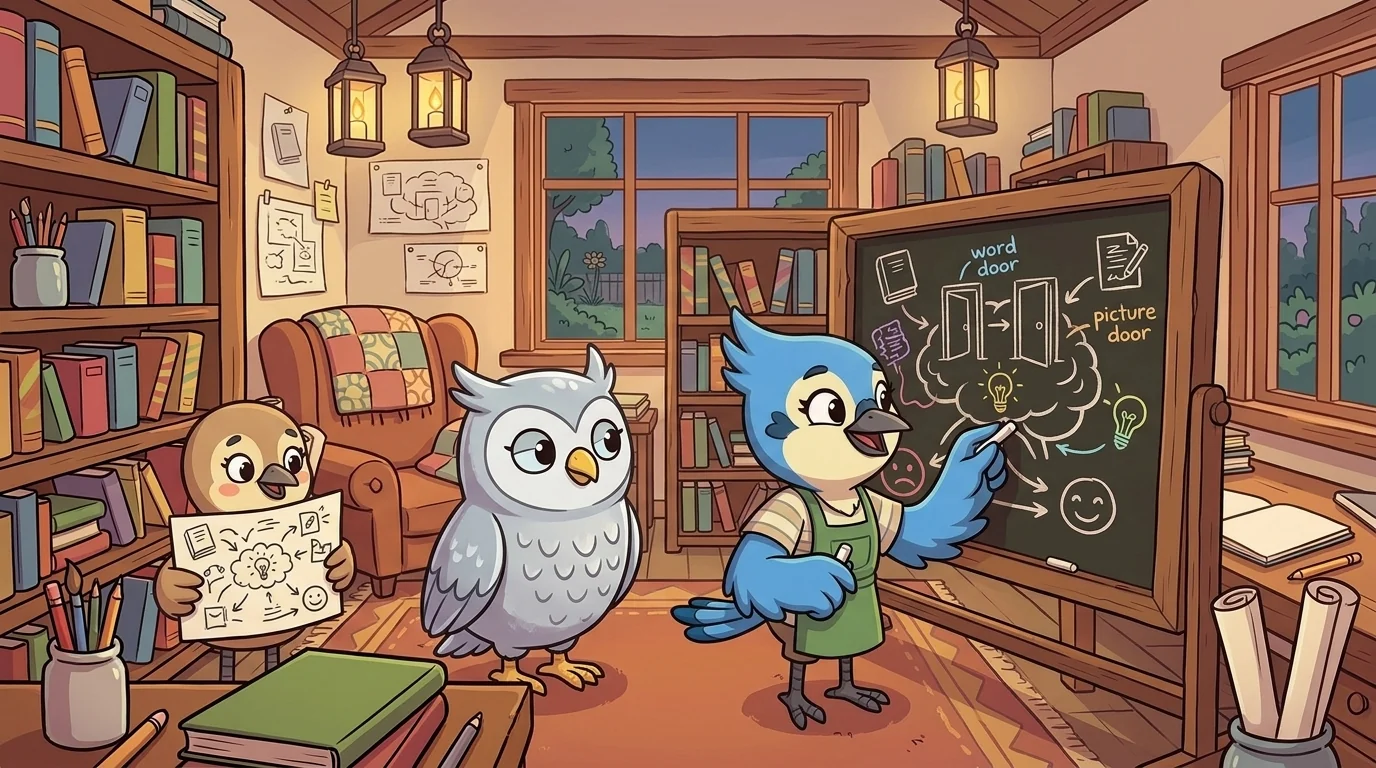
Metis watched Indie's corner of the house fill up with lopsided, chalk-smudged, wonderful diagrams, and blinked her slow silver blink.
"You gave them a second door," she said.
"Everyone thinks in pictures a little," said Indie. "Most people just never let themselves draw the picture down somewhere they can keep it."
And that evening, when Metis asked what had worked, Pia held up her gloriously imperfect diagram and answered:
"I draw a quick picture of the idea. When the words and the sketch work together, it sticks twice as well — even if the drawing's a mess."
The TutorForge ensemble
Indie is part of TutorForge's distributed-narrative cast. Each character embodies a different curricular primitive; together they teach the full subject.
-
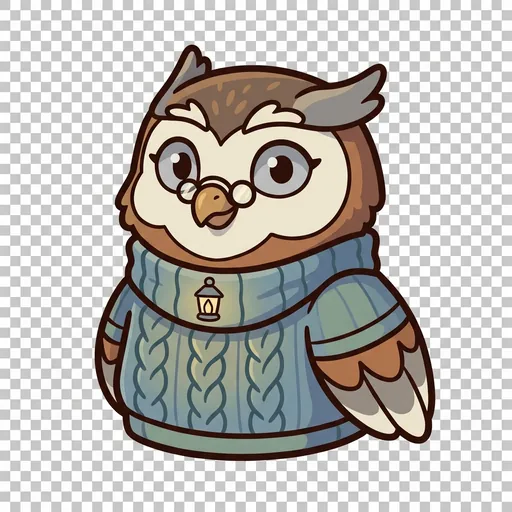
Metis
Metacognition — plans before a task and reflects after (the mentor who orchestrates the coaches)
-

Wade
Preview — skims the headings and turns each into a question before reading
-

Pilar
Planning & chunking — breaks a big task into small stepping-stones, one at a time
-
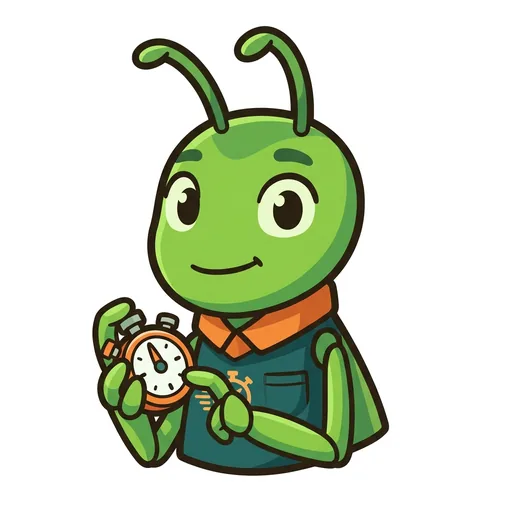
Spry
Focus & brain-breaks — works in short focused sprints, then a real movement break
-

Cael
Self-explanation — asks 'but why does that work?' and answers in his own words
-
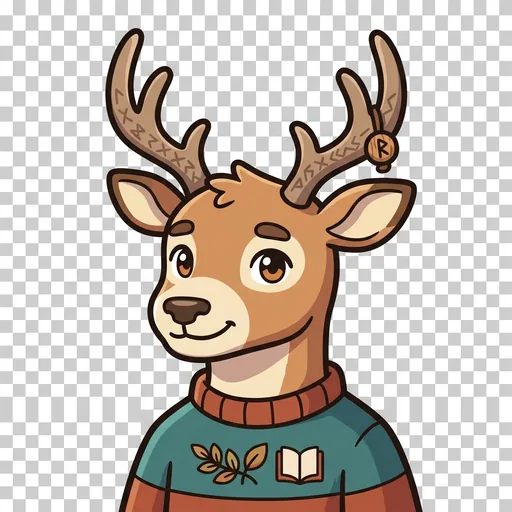
Rune
Elaboration — ties each new idea to something he already knows
-

Lumi
Concrete examples — turns a fuzzy idea into a real example you can picture
-
Mnemo
Mnemonics — turns a hard fact into a silly rhyme or picture you can't forget
-
Reeva
Retrieval practice — closes the book and recalls from memory before peeking
-
Halcyon
Spaced practice — spreads studying across days instead of cramming the night before
-

Tovi
Interleaving — mixes different problem types instead of drilling one kind
-

Otis
Growth reframe — turns 'I'm bad at this' into 'not yet' (anti-shame, RSD-safe)