Skip the menu 
How the numbers work
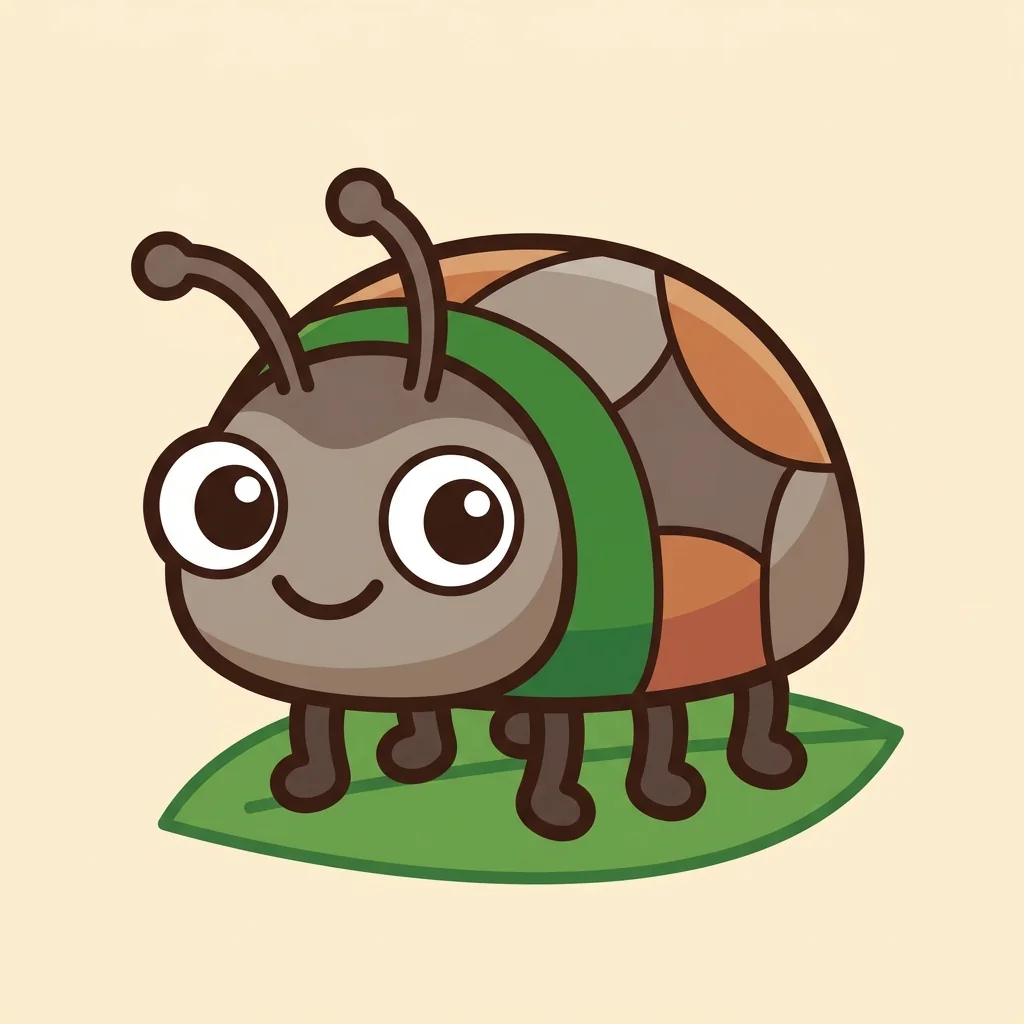
- 🔢 A number counts bugs. A “2” means two sleeping bugs are touching that square — up, down, sideways or corner.
- 🌿 All found? The rest are safe. If a number’s bugs are all found, every other leaf around it is safe to open.
- 🐞 No room left? They’re all bugs. If a number has exactly as many hidden leaves as bugs, every one of them is a bug.
🌻 Two Flags: play with a friend
🌻 Play Two Flags → Meet the cast — the characters who teach this
-
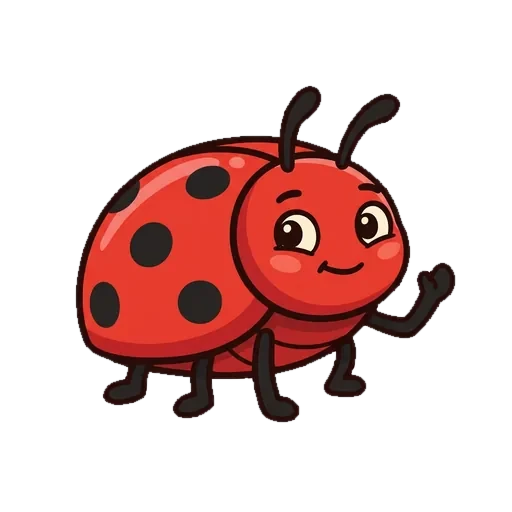 Nibbin Counts the bugs touching a square — a number tells how many sleeping bugs are next to it
-
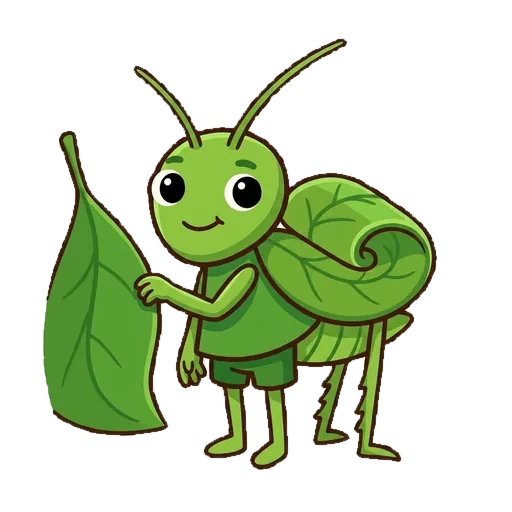 Leafa Opens the rest: when a number's bugs are all found, every other leaf around it is safe
-
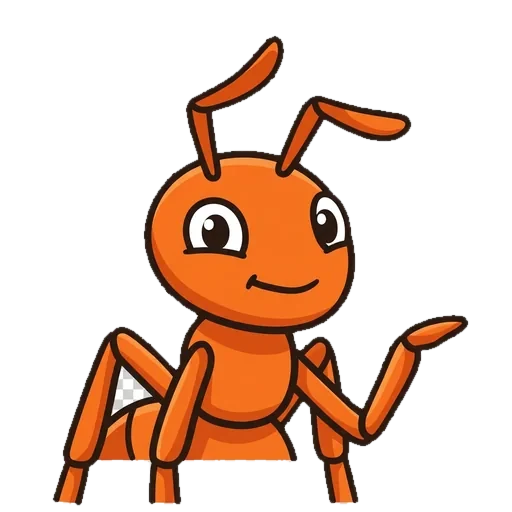 Scuttle Spots when there is no room left: as many hidden leaves as bugs means every one is a bug
-
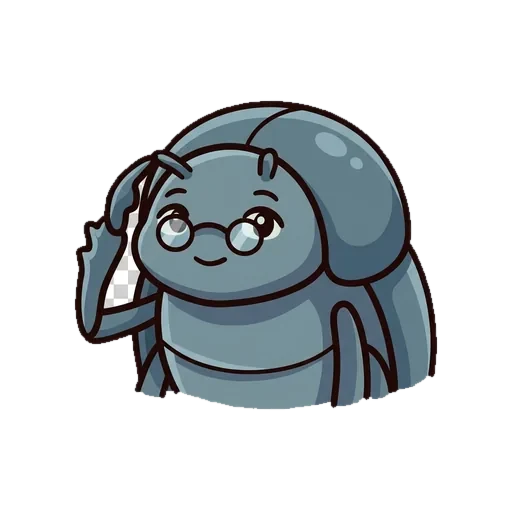 Pebbleback asks which number you can be sure about, then lets you make the move
What next? Pick a door
- More like this GlyphPals Can you crack this secret code? TrickPals Which card wins this trick? StickPals Which one stick makes it true?
- A bit harder PitchPals Which trick is this ad playing? RiddleRealm Can you solve the riddle at the door? WitQuest Can your wits beat the villain?
- Something different ClapPals Can you clap what the music says? VotePals Is the most votes always fair? PulsePals What will jumping do to your heartbeat?
How does your body feel?
Say it to someone. Tell someone how you knew where the first bug was.
Deduce by neighbours, one game that grows up. One rung below: Dozy Patch (ages 3–5). One rung above: Sweep League (ages 9–14). See the whole tree of games.