Before you start
Most popular
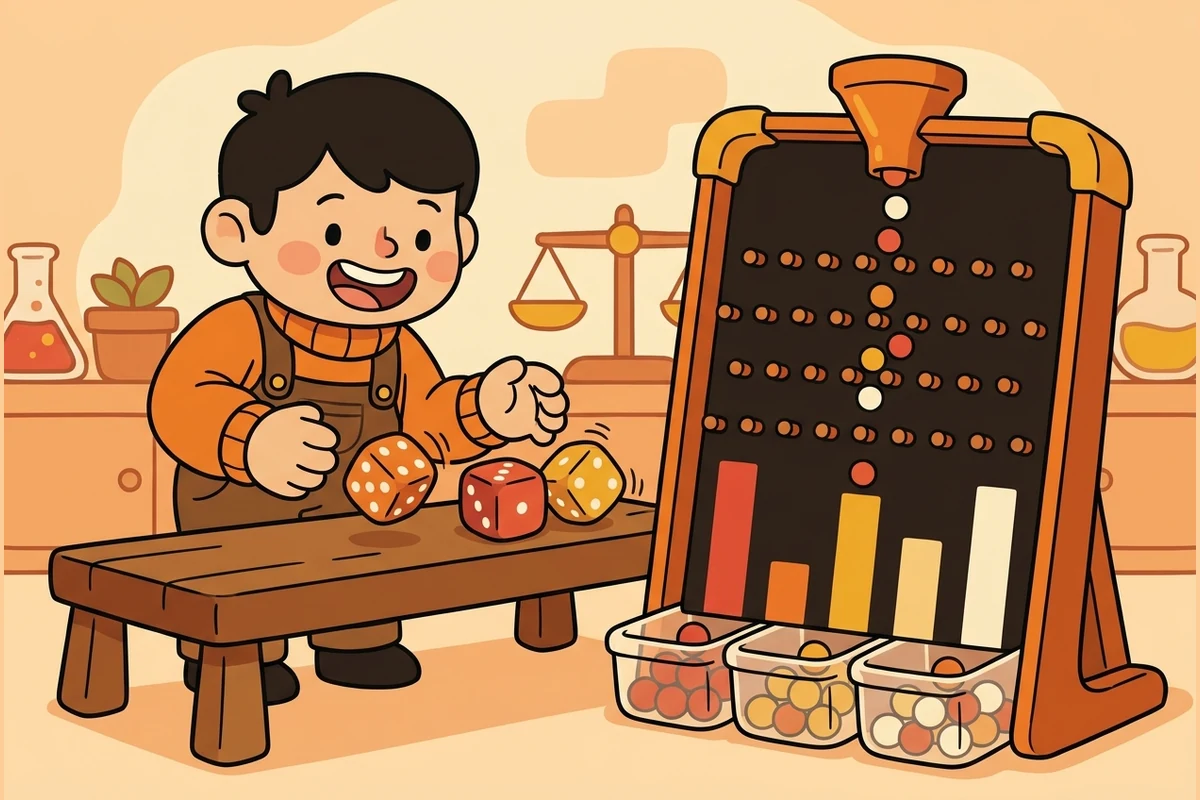 Probability Lab Flip coins and roll dice, and watch the law of large numbers settle the odds toward what theory predicts.
 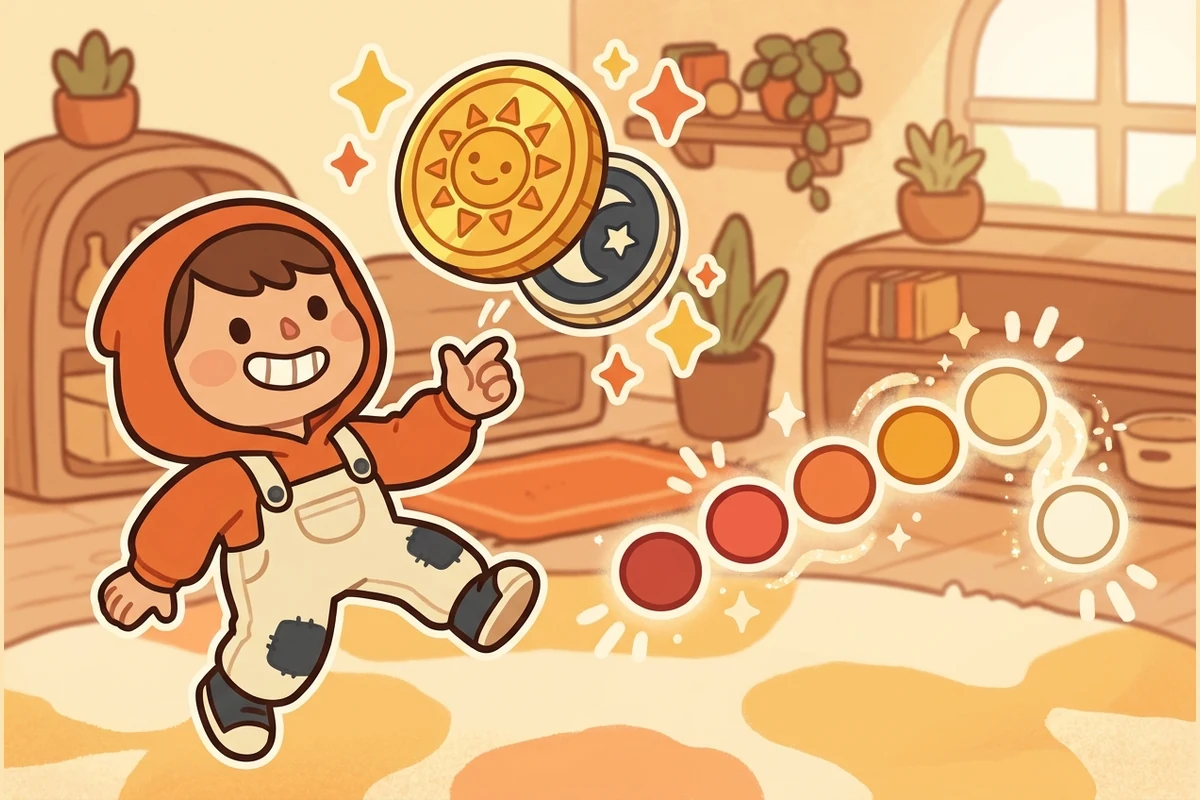 Is It “Due”? Four heads in a row — is tails “due”? Get caught by the gambler’s fallacy, then see each flip is independent.
 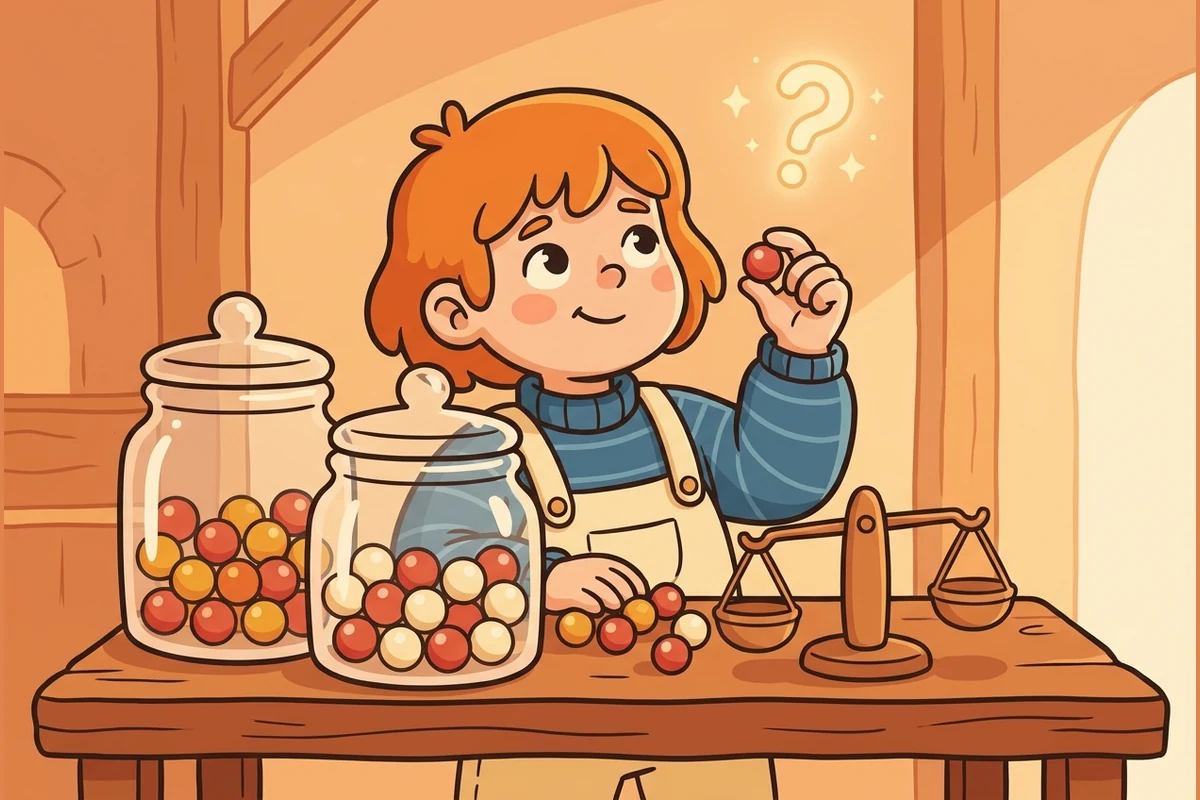 Detective’s Dilemma A good detector still gives false alarms when the thing is rare — base-rate reasoning made visible.
 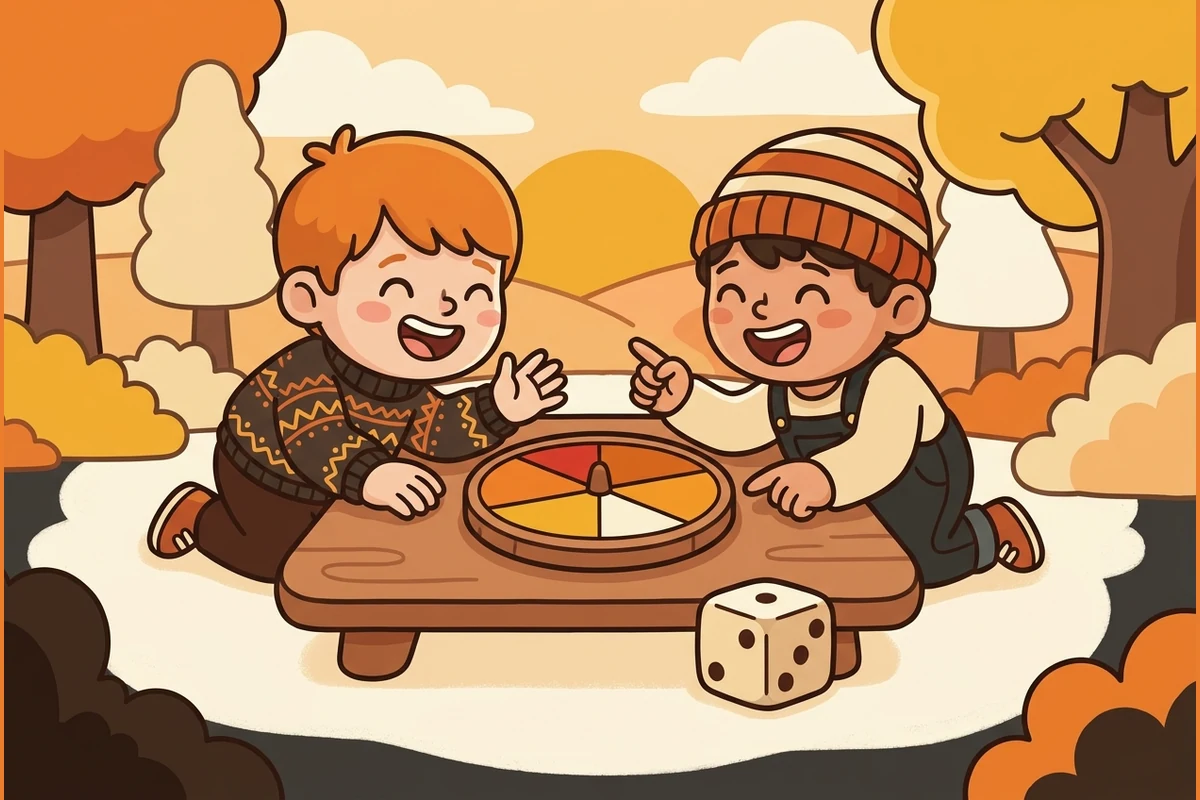 Chance Duel A head-to-head kit round for 2–4 players — one device or an online room by code. Highest first-try score wins.
 All activities
Run experiments
Probability Lab Flip, roll, and watch the law of large numbers settle the odds toward the theory. Is It “Due”? The gambler’s-fallacy drill — the coin has no memory; each try is independent. Sample-Space Grid Shade every outcome of two dice for an event, count them, and watch experiments close in on theory. Probability-Tree Builder Build a two-stage tree branch by branch and learn why you multiply along a path — not add. Detective’s Dilemma Predict how many flags are real, then read the natural-frequency grid — base-rate reasoning made visible. Fair Sample? See how a convenience sample skews the result — why HOW you sample decides if the answer is trustworthy. Read the Box Plot Read the median, the middle half, and the range straight off a box plot.
Practice & play
Practice the concepts
All 16 kits
Kit 1: Data Collection & Organization Kit 2: Graphs & Data Displays Kit 3: Mean, Median, Mode & Range Kit 4: Probability Basics Kit 5: Experimental vs. Theoretical Probability Kit 6: Compound Events & Sample Spaces Kit 7: Statistical Variability & Distributions Kit 8: Statistical Inference & Prediction Kit 9: Experimental Probability Kit 10: Compound Events & Trees Kit 11: Statistical Distributions Kit 12: Data-Driven Decision Making Kit 13: Cross-Topic Connections Kit 14: Real-World Applications Kit 15: Misconceptions & Reasoning Kit 16: Advanced Synthesis
More ways to play
For grown-ups — progress report →
Same idea, another world
The chance of an event is favorable outcomes over the total — that is a fraction, a part compared to the whole. Try FractionForge → Counting favorable outcomes over the total is exactly how a Punnett square predicts which traits an offspring inherits. Try TraitForge → Counting all the outcomes to find a chance is the same fundamental counting principle — multiply the choices at each step. Try DiscreteQuest →
😄 Brain break
Meet the cast — the characters who teach this
-
 Tally the Counter-of-Outcomes Data collection + frequency counting (the foundational "what happened, how often?" move)
 -
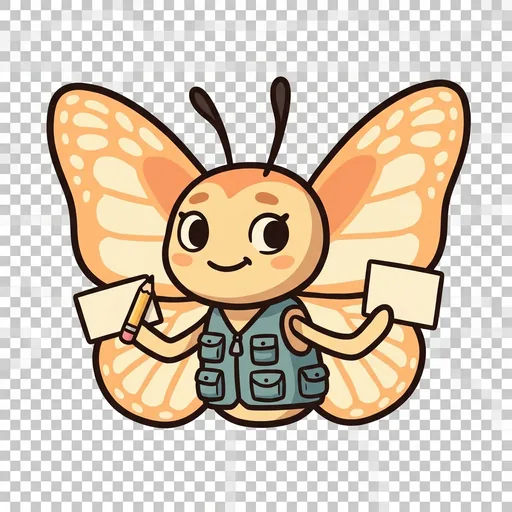 Display the Picture-Maker Graphs and visual displays (bar charts, histograms, dot plots, line graphs — turning numbers into pictures)
 -
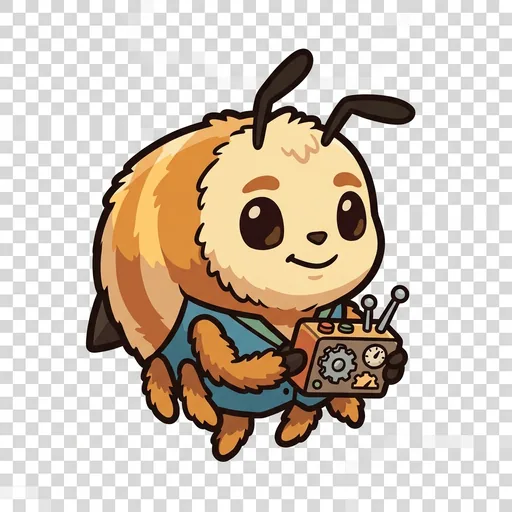 Center the Middle-Finder Central tendency — mean, median, mode (the "what's typical?" question)
 -
 Sample the Estimator Sampling, sampling distributions, inference from sample to population
 -
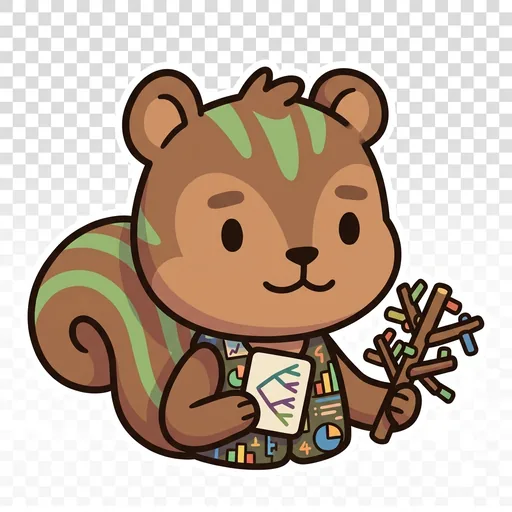 Tree the Compound-Brancher Compound events and probability trees — multiplication rule for independent events, addition for disjoint, conditional dependencies
 -
 Odds the Likelihood-Reader Basic probability — placing a chance on the 0-to-1 scale from impossible to certain
 -
 Scatter the Spread-Reader Spread and variability — how far apart the data is (range), not just the middle
 -
 Flipside the Other-Outcome-Counter The complement rule — find the chance it doesn't happen and subtract from 1
 -
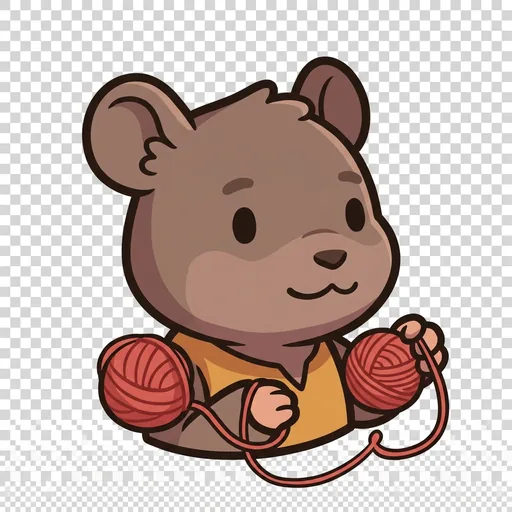 Clew the Clue-Follower Conditional probability — how chances change once you learn a new fact
 -
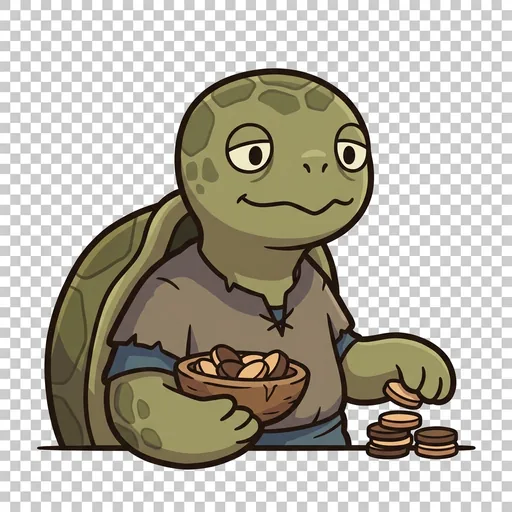 Evens the Long-Run-Settler Expected value and the long run — results settle toward the average over many tries
Ensemble stories — the cast together