How are you feeling?
Start here
 Play MiniBridge The simplest way in — see both hands, count the points, find your fit, pick the contract.
 Predict the Trick Call who wins the trick — or whether the finesse works — BEFORE the reveal, then find out why.
 Card Table — Win the Trick A trick is in progress and you play last. Tap the card that wins — follow suit, trump when you can.
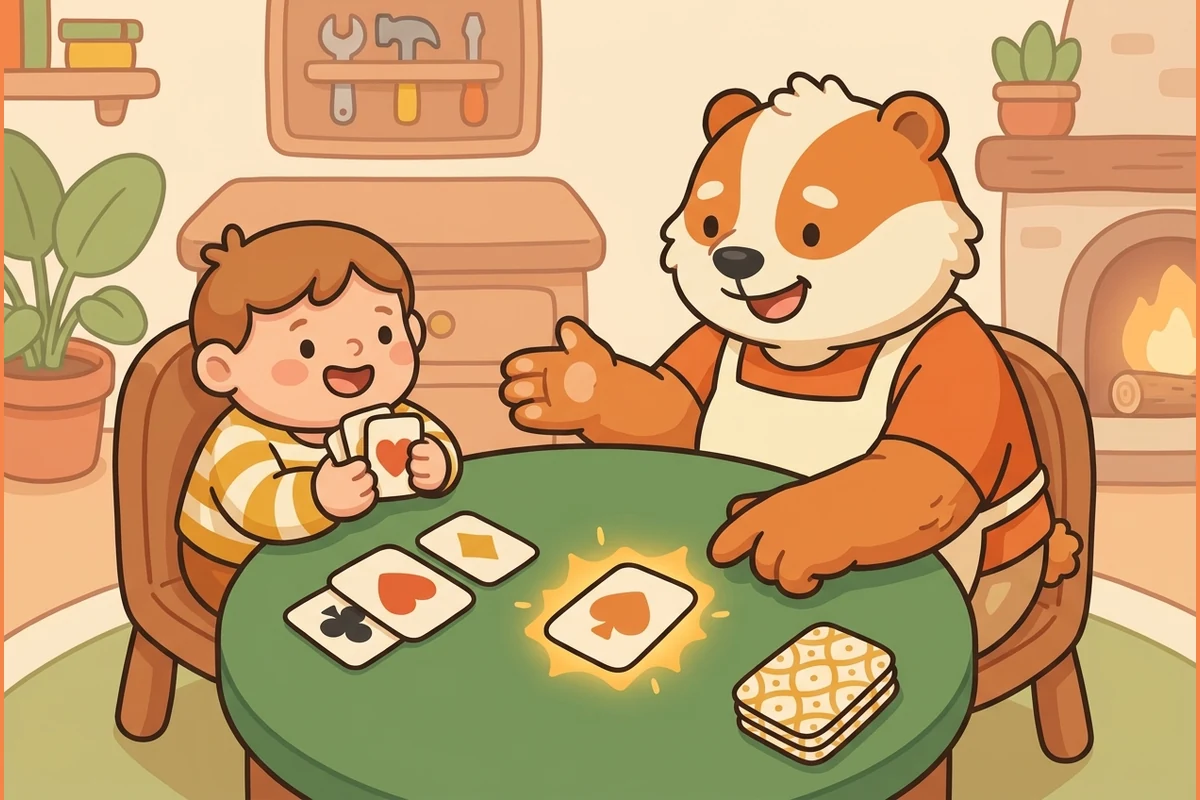 Learn to Play — First Tricks Four short steps on real cards — the trick, following suit, the high card, and trumps. Nothing timed.
All activities
All activities
Play bridge
More card games
Learn & practice
Play together
Concept Kits — 16 kits from the first trick to slam judgment
Cast, stories & more
More ways to play
Where this game comes from
Playing cards
Playing cards reached Europe in the 1370s from the Islamic world. The four suits most of us use now, hearts, diamonds, clubs and spades, were first used in France around 1480, simplified from German suit signs.
One thing to hold: The first European packs had cups, coins, swords and batons as their suits, and Italian and Spanish packs still do. The French shapes were simple enough to print with a stencil, which made packs cheaper.
Why it matters: The French suits grew from German ones, not straight from the cups-and-swords packs, but card players still pair them by tradition: cups with hearts, coins with diamonds, batons with clubs and swords with spades.
What we don’t know: How cards travelled to the Islamic world from China, where paper cards were first made, is not fully known.
Hearts
Hearts is a trick-taking game where you try NOT to take certain cards. It grew from older games of the same kind, such as Reversis; its modern form settled in America in the late 1800s.
One thing to hold: The queen of spades, the one card nobody wants.
Why it matters: Winning a trick is usually good; in Hearts it can be bad. Thinking about which tricks you want is the skill.
Spades
Spades was invented in the United States in the 1930s. For a long time it was little known elsewhere, except in places where American soldiers were stationed.
One thing to hold: The bid: before a card is played, each player says how many tricks they will take, and partners add their bids together.
Why it matters: You promise, then you keep the promise. Counting your likely tricks before you play is the same skill a bridge player uses.
😄 Brain break
Meet the cast — the characters who teach this
-
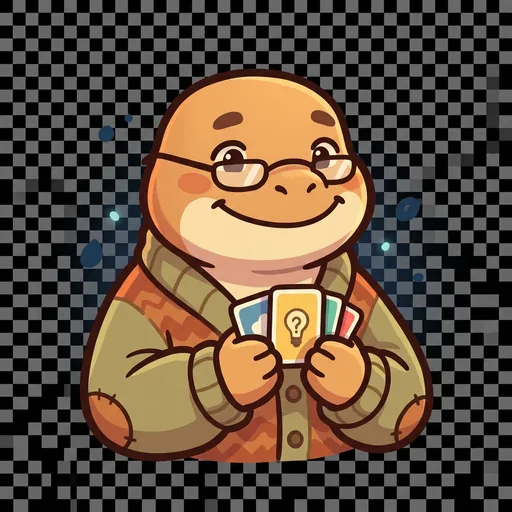 Bram Reading partners
-
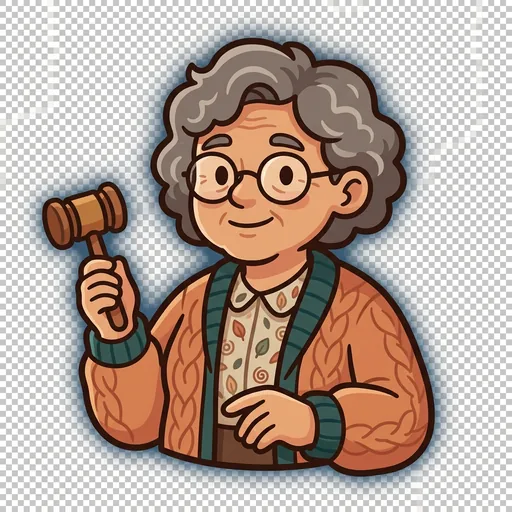 Auntie Audrey Bidding wisdom
-
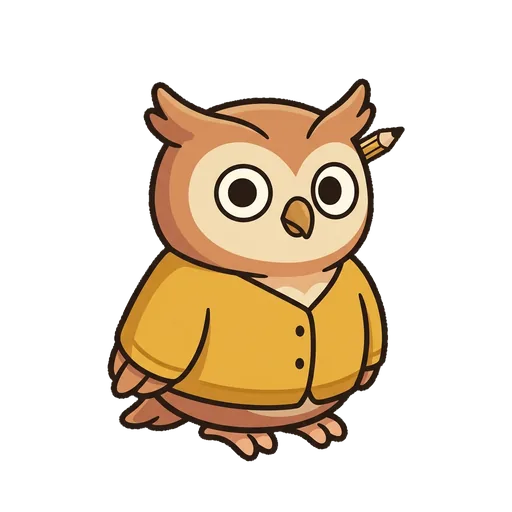 Pointer Owl High-card points; counting the strength of a hand before you bid, ace four, king three, queen two, jack one
-
 Marshal Crane Drawing trumps + counting the cards played
-
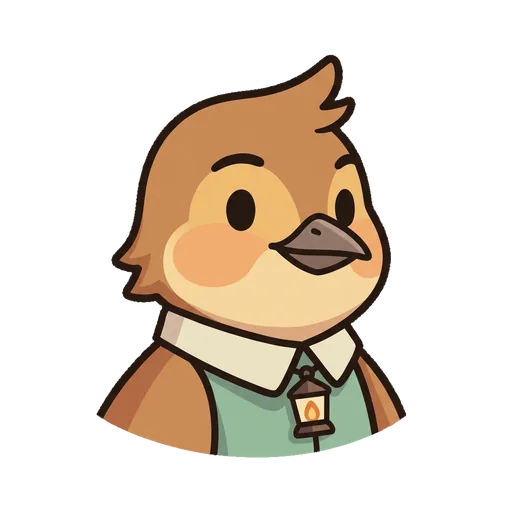 Blind Lark The opening lead; the defender's blind first card that shapes the whole defense
-
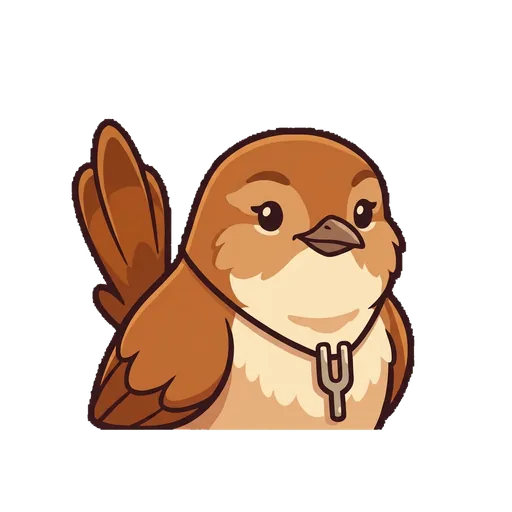 Echo Wren Defensive signals; telling your partner what to do through the order of your cards
-
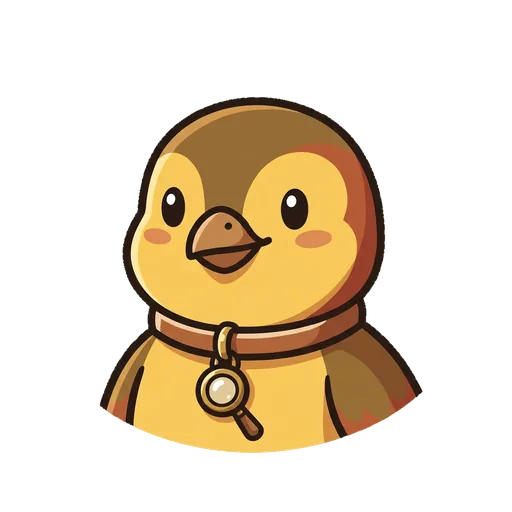 Sly Finch The finesse; winning a trick with a lower card by betting on position
-
 Doubleton Sisters Short-suit play
-
 Gift Badger The end play / throw-in; giving an opponent a trick that costs them two
-
 Cinch the Boa The squeeze; forcing an opponent to discard a guard
-
 The Vanderbilt Bridge legend
Ensemble stories — the cast together
What next? Pick a door
- More like this PipQuest Who is ahead in the pip race? StrategyForge What is the winning move here? StoneSong Does this group have two eyes?
- A bit harder TableForge Is your board game fair? MillSong Can you line up a mill? DeduceQuest What is the hidden code?
- Something different BridgeForge Where does this math show up in life? WordForge Can you climb the word ladder? RootsForge What will you ask your grandparent?