Before you start
Most popular
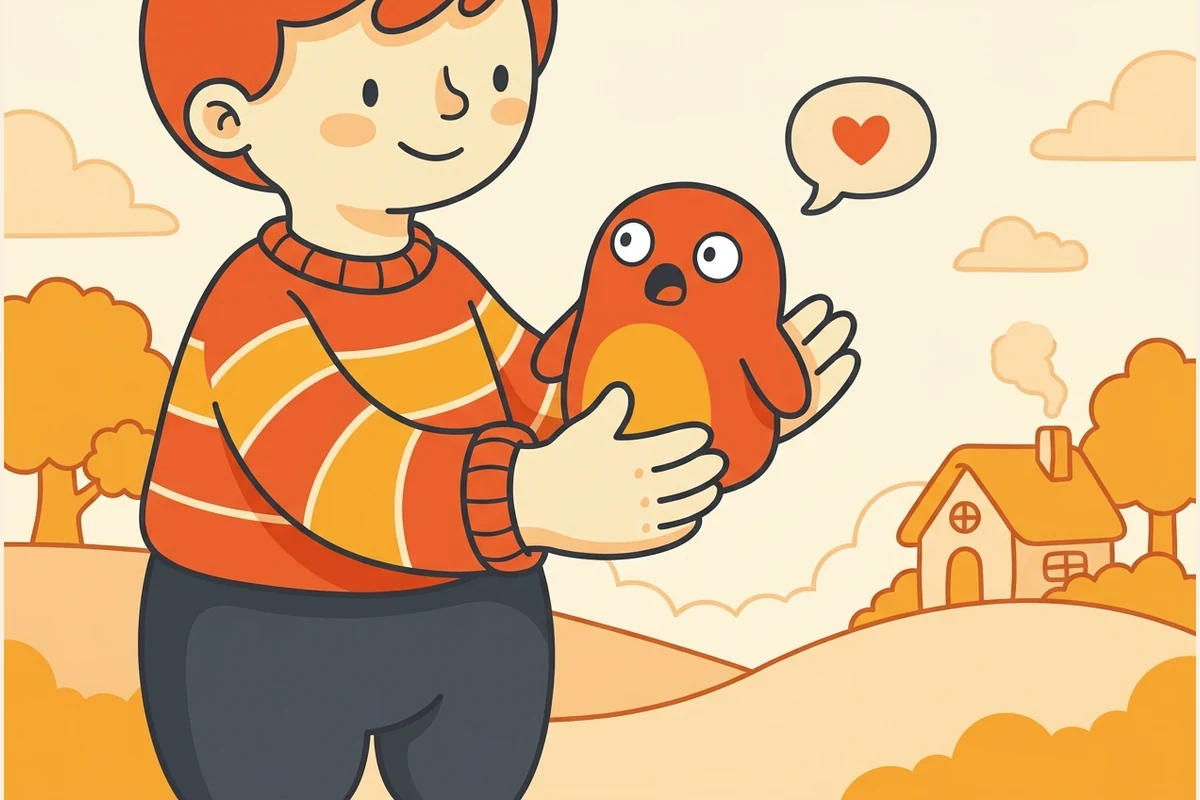 Write in Character Read a character + a moment, then choose the line they would really say — voice and subtext, not a label.
 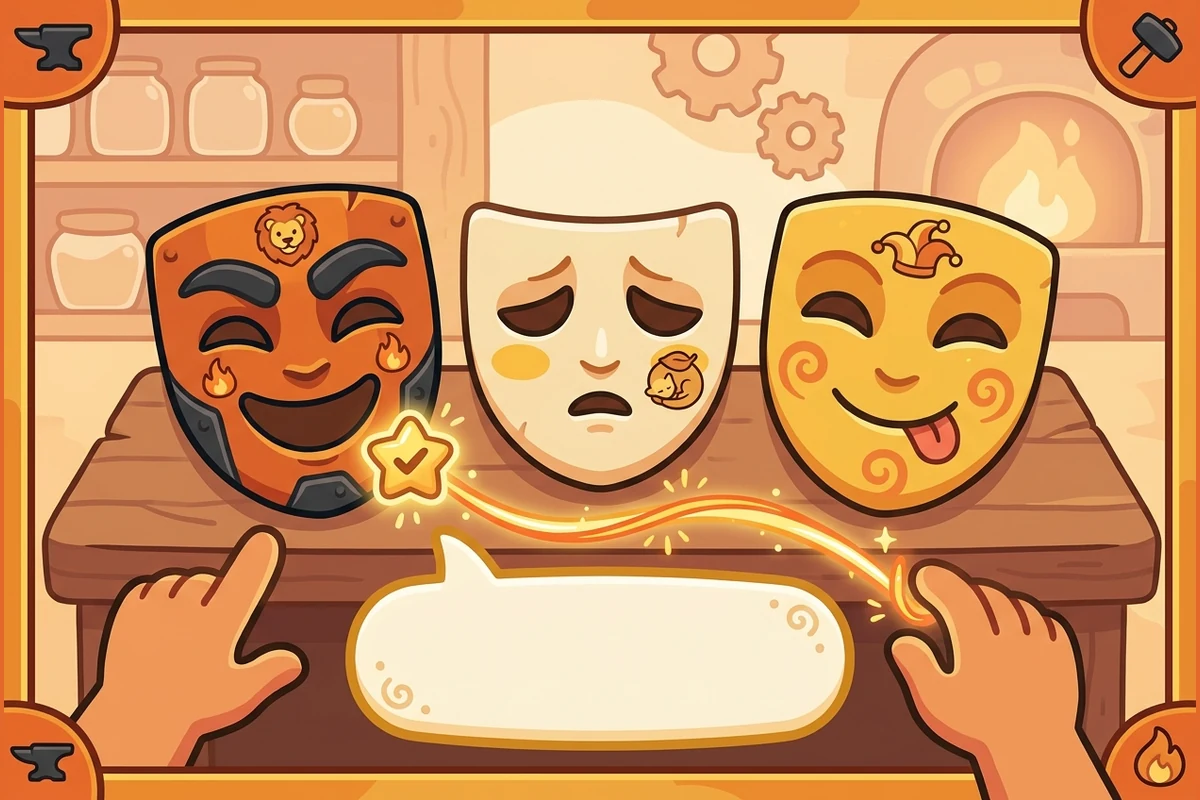 Voice Crucible The gold-standard test: with no name tag, pick the new line that still sounds like the character — the others break their voice.
  Dialogue Studio Hands-on craft drills — punctuate speech, read the subtext, and show feeling through action, not labels.
 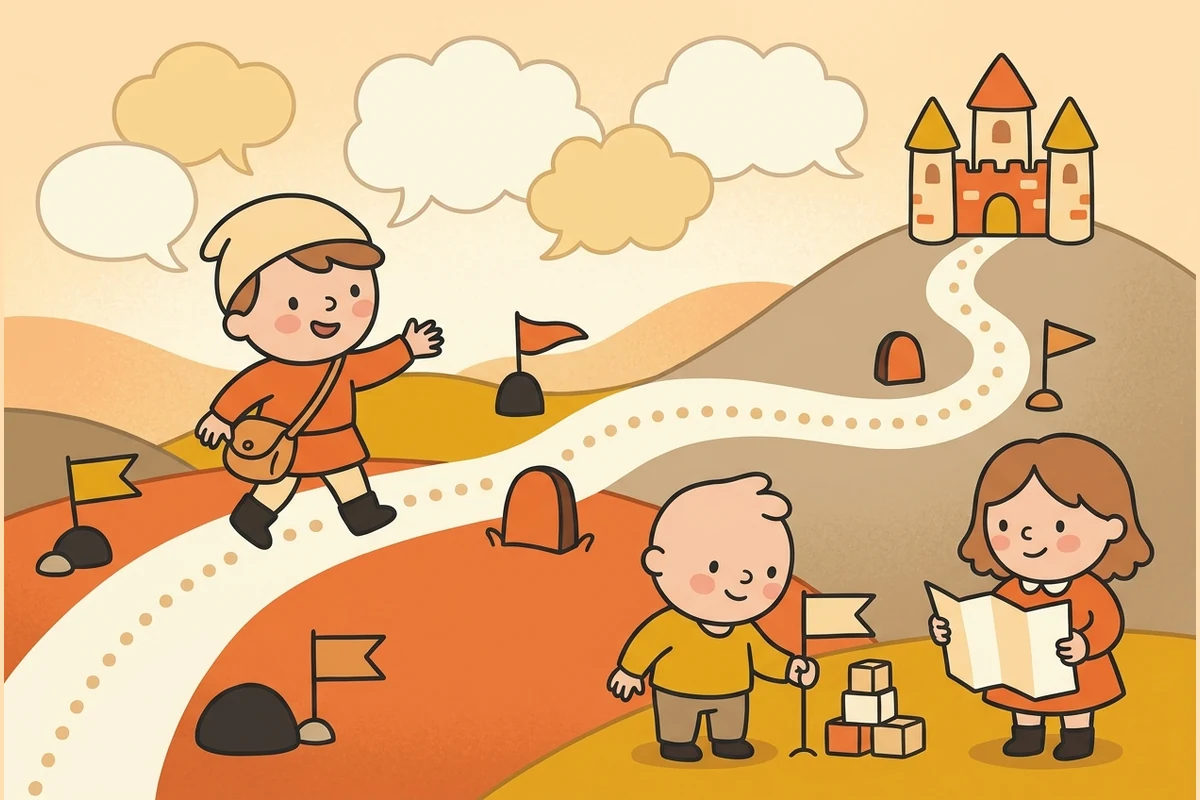 Adventure Map A path through all 16 kits — clear each stop, then move on.
 All activities
Craft the dialogue
Learn & practice
Concept kits Sixteen short rounds across the four crafts of dialogue — a hint after a first miss; every answer explained. Mixed Practice A short round shuffling questions from the kits you have played — spaced out so it sticks. Trick Questions Brain-teasers with a twist — spot why the obvious answer is a trap. Teach the Cast Teach a dialogue idea to a cast member still learning it — teaching makes it stick. Progress Your levels, streak, and how each craft is coming along — saved on this device.
Play together
Concept Kits — the four crafts of dialogue, kit by kit
Kit 1: Whose voice is this? 3 questions Kit 2: What isn't being said? 3 questions Kit 3: Mix up the way they speak 3 questions Kit 4: What does each branch cost? 3 questions Kit 5: Three voices, three shapes 5 questions Kit 6: Voice crucible 5 questions Kit 7: Subtext crucible 5 questions Kit 8: Branch consequences 5 questions Kit 9: Action beats and held silence 5 questions Kit 10: Listen for the register 5 questions Kit 11: Pauses and pacing 5 questions Kit 12: Voice acting choices 5 questions Kit 13: Export your scene as audio 5 questions Kit 14: Bring it all together 5 questions Kit 15: Dialogue craft, across the page 5 questions Kit 16: Drafts, revision, and finishing 5 questions
More ways to play
😄 Brain break
Meet the cast — the characters who teach this
-
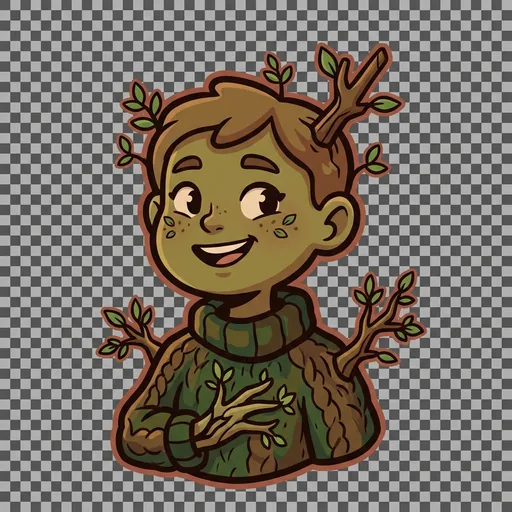 Sprig Branch meaningfulness — sapling-tween whose visible branching skeleton shifts physically when she picks between dialogue options (the choice re-routes her body)
 -
 Glance Subtext — arctic-fox-tween in a thick scarf; speech-bubble visibly half-empty with dotted-line ghost-text floating beside it
 -
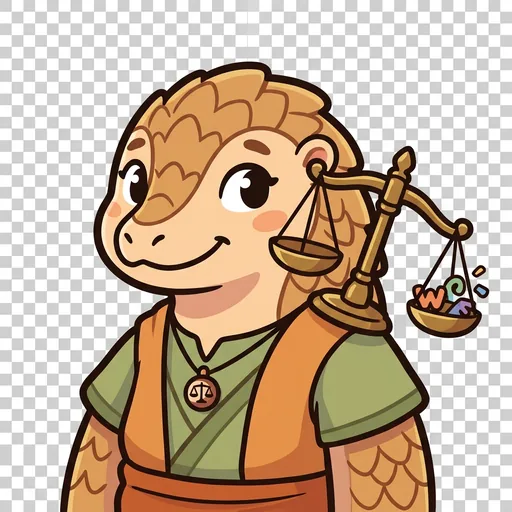 Weigh Tag balance — pangolin-tween with a brass balance-scale on her shoulder; scales tilt visibly as dialogue happens around her
 -
 Brogue Voice consistency — border-collie-elder in a worn flat-cap who uses exactly 4-5 signature words across every appearance (deliberately non-specific old-country accent)
 -
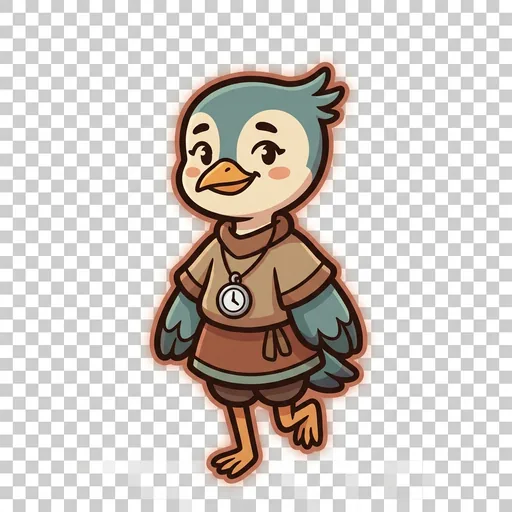 Rest Rhythm + silence — heron-tween with a small silver pocket-watch around her neck; one foot perpetually raised mid-step; treats the pause as a line of dialogue itself
 -
 Prop Action beats — red-squirrel-tween whose paws are always busy with a small acorn; the little actions between lines show feeling and set the rhythm of a talk
 -
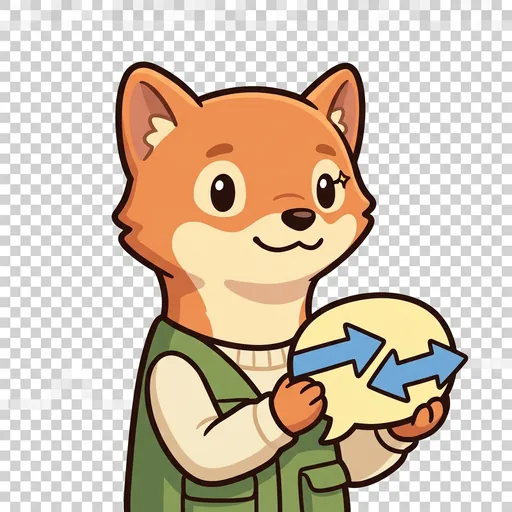 Spar Conflict / friction — pine-marten-tween whose speech bubbles push against the other speaker's; two characters wanting different things is the engine (the push stays kind)
 -
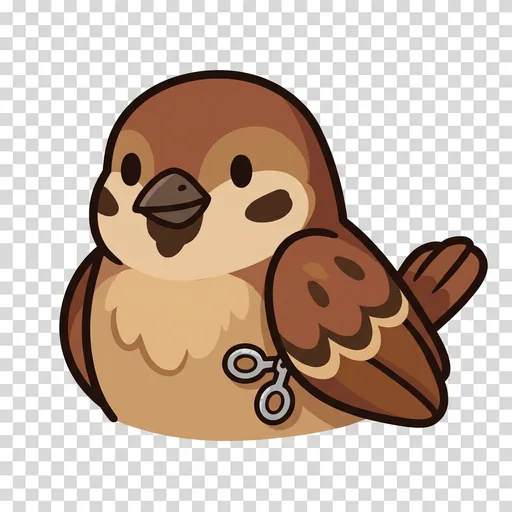 Clip Economy — sparrow-tween with tiny silver scissors who trims the filler ('hello, how are you, fine') and starts scenes late, right where they get interesting
 -
 Dash Interruption / overlap — chipmunk-tween who crashes into the ends of others' lines with a dash when feeling runs too high to wait (used on purpose, sparingly)
 -
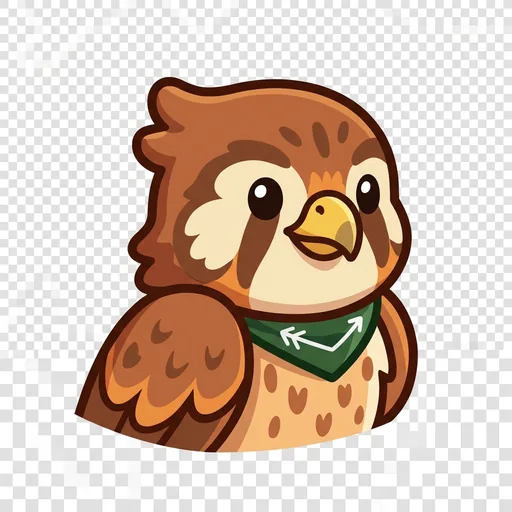 Aim Line purpose — kestrel-tween with arrow-shaped speech bubbles that point at what each line is really trying to DO (ask, dodge, persuade), not just say
Ensemble stories — the cast together