Before you start
Most popular
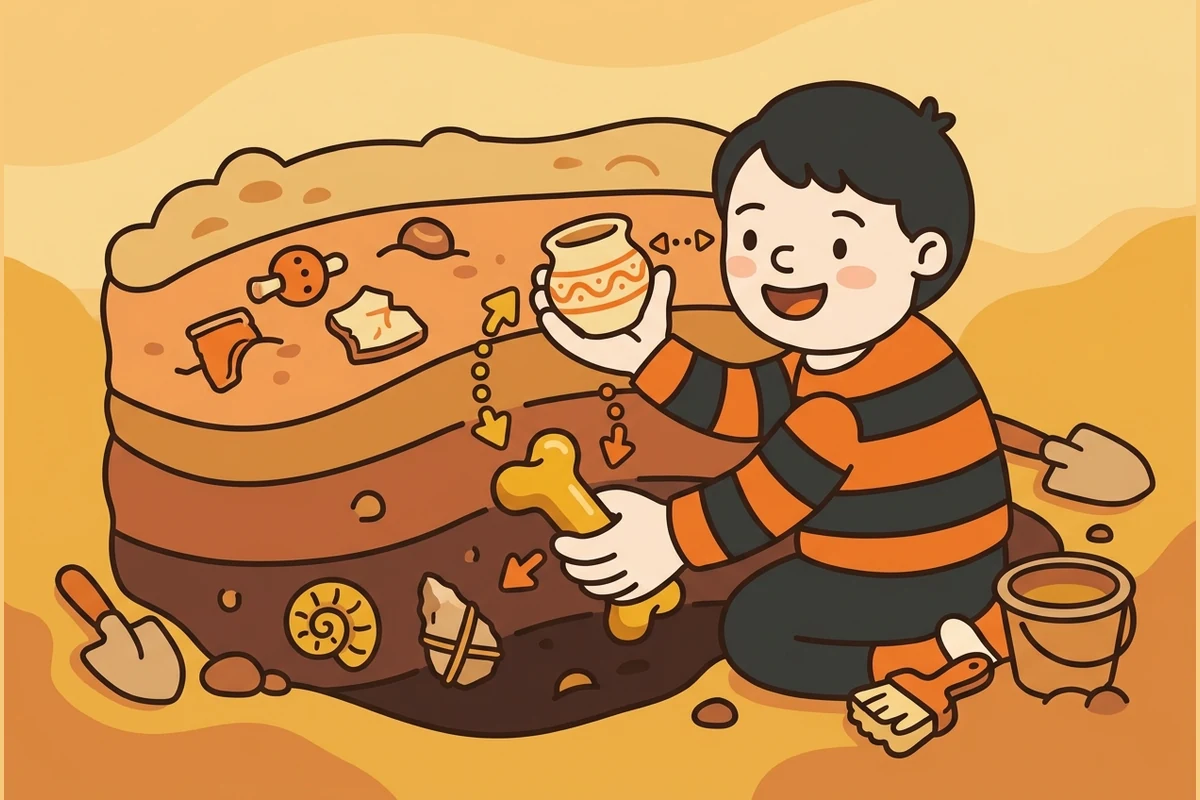 Which is older? Two finds, two layers — predict which one is older by the Law of Superposition, then reveal the layers.
 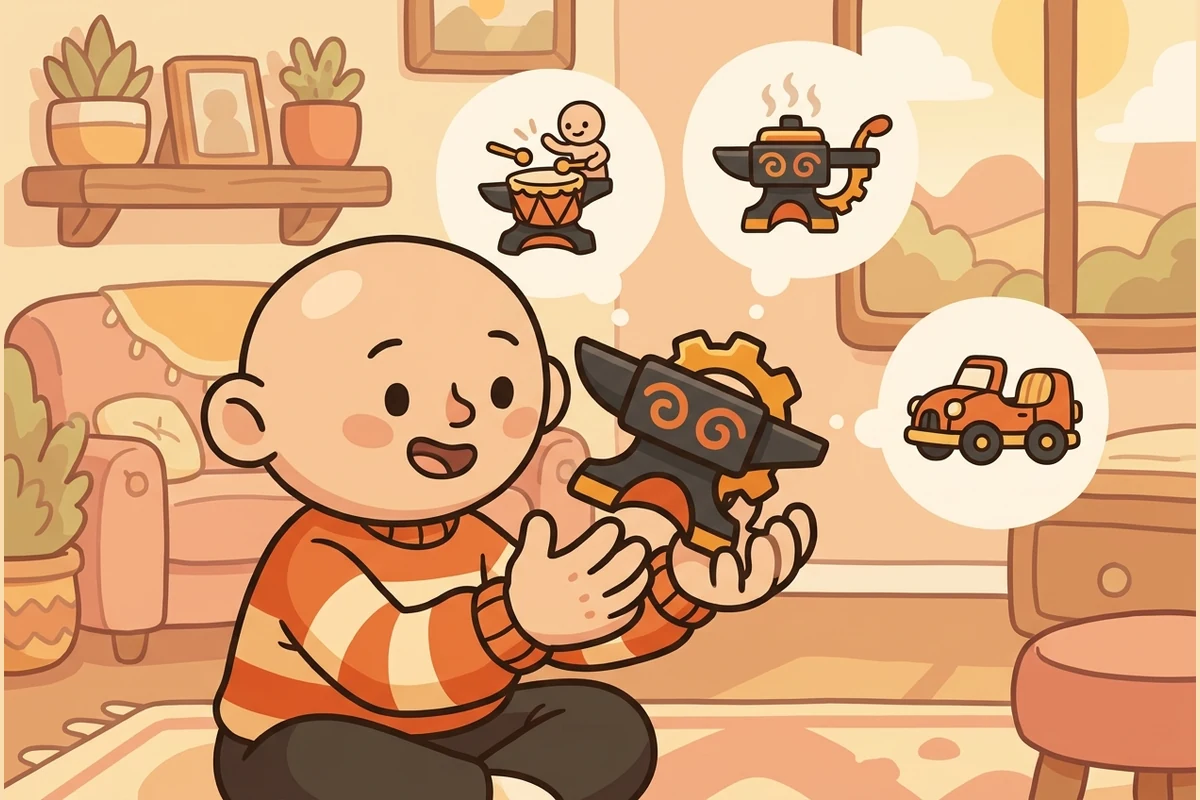 What was it for? Look at what an artifact is made of, how it was made, and where it was found — then use the evidence to reason out its use.
 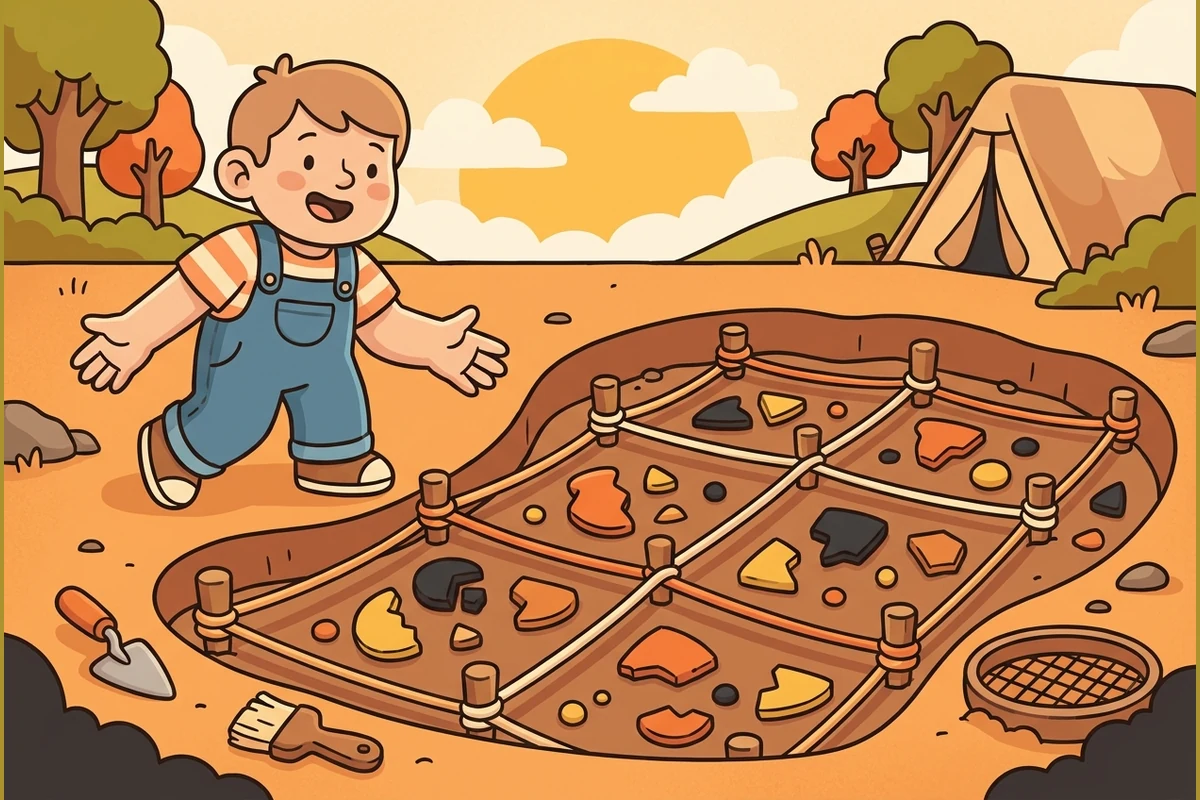 Read the Whole Site Chain superposition + typology + careful interpretation across one excavation, like a real archaeologist.
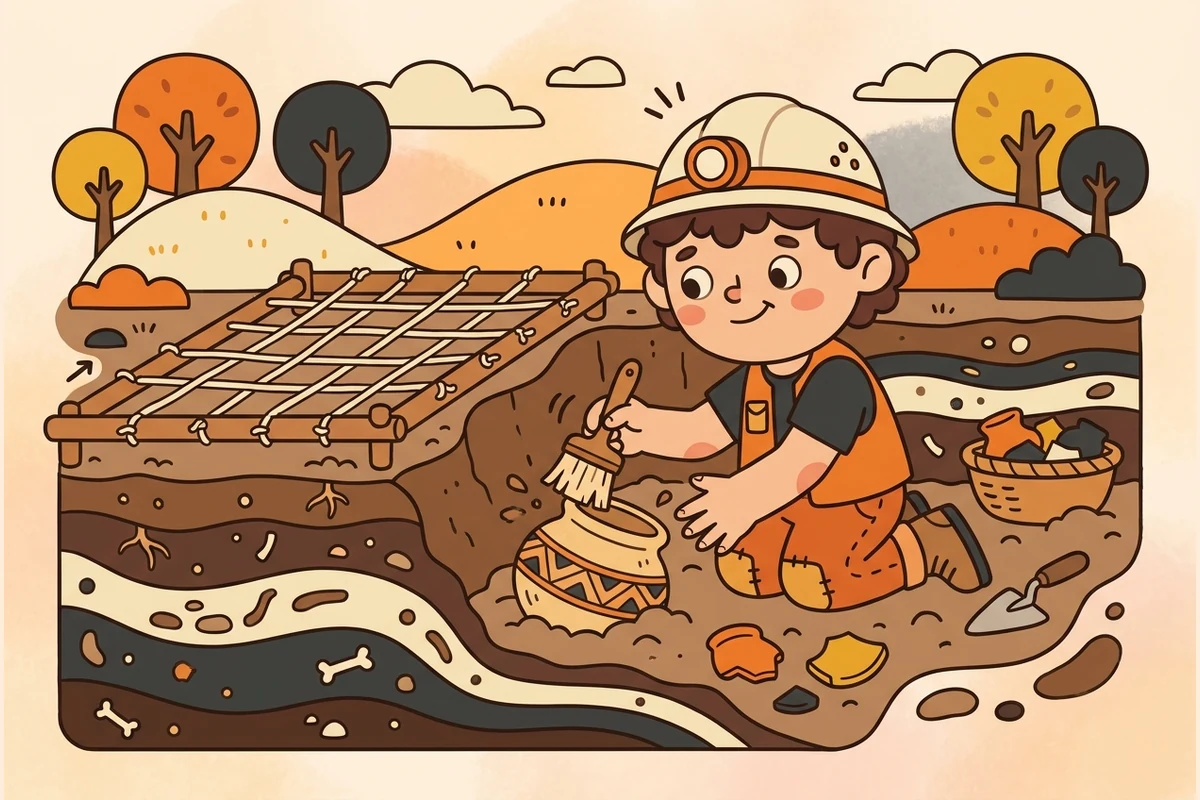
 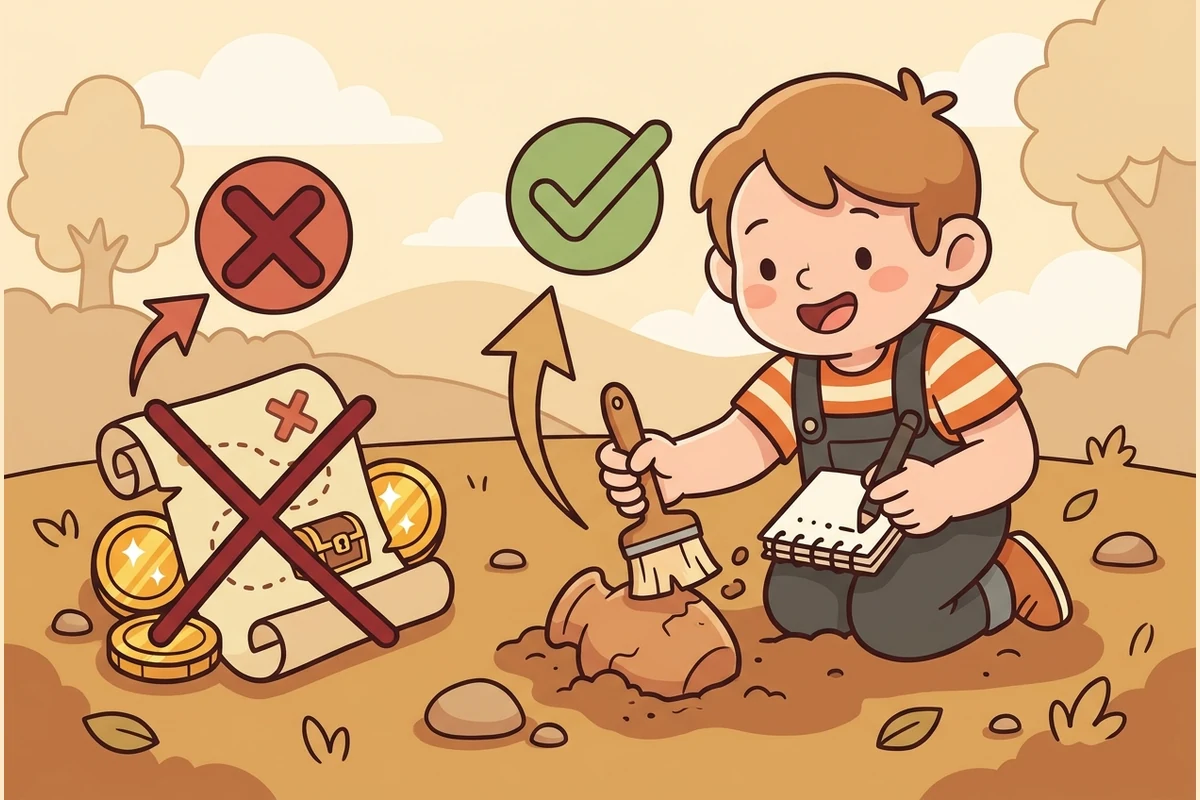 Bust the Archaeology Myths No dinosaurs, no treasure-hunting — predict what archaeology really is, then a reveal shows the reality: context is the real treasure.
 All activities
Excavate & analyze
Bust the Myths Predict what archaeology really is — the human-made past, studied systematically. Which is older? Predict which find is older, then reveal the layers. Order the story Put the finds from oldest to newest by their layer. Read the context When is a deeper find NOT older? Spot disturbed layers. What was it for? Use the evidence to reason out an artifact's use. Who made it? Match features to the civilization that made them. How do we date it? Pick the dating method the evidence supports. Carbon Clock Every 5,730 years half the carbon-14 decays — step the model to match a find, then read off its age. Read the Whole Site Chain superposition + typology + interpretation across one dig.
Learn & practice
Concept kits 16 archaeology kits from foundations to ancient civilizations — a hint whenever you get stuck. Mixed Practice A short round shuffling questions from the kits you have played — spaced so it sticks. DigQuest Sprint Race your OWN best on what you already know. Timer optional, no penalty for a miss. Trick Questions Brain-teasers with a twist — spot why the obvious answer about the past is a trap. Teach the Cast Teach an archaeology idea to a cast member still learning it — teaching makes it stick. Progress Your levels, streak, and how each skill is coming along — saved on this device. Progress report For grown-ups — a private on-device snapshot mapped to the skill areas. Export a CSV or print.
Play together
Concept Kits — archaeology, kit by kit
Kit 1: Introduction to Archaeology & the Historical Record Foundations · grades gr4-5 · 25 questions Kit 2: Ancient Mesopotamia & Egypt Ancient civilizations · grades gr4-5 · 25 questions Kit 3: Ancient Greece & Rome Ancient civilizations · grades gr5-6 · 25 questions Kit 4: Archaeological Methods & Evidence Analysis Methods & dating · grades gr5-6 · 25 questions Kit 5: Ancient Americas: Maya, Aztec, Inca Ancient civilizations · grades gr6-7 · 25 questions Kit 6: Ancient Asia & Africa: China, India, West Africa Ancient civilizations · grades gr6-7 · 25 questions Kit 7: Artifact Analysis & Cultural Interpretation Artifact analysis · grades gr7-8 · 25 questions Kit 8: Capstone: Civilizations Compared & Legacy Putting it together · grades gr7-8 · 25 questions Kit 9: Archaeological Methods Methods & dating · grades 4-8 · 25 questions Kit 10: Ancient Civilizations Ancient civilizations · grades 4-8 · 25 questions Kit 11: Paleontology and Fossils Methods & dating · grades 4-8 · 25 questions Kit 12: Dating Techniques and Stratigraphy Methods & dating · grades 4-8 · 25 questions Kit 13: Cross-Topic Connections Putting it together · grades 5-6 · 25 questions Kit 14: Real-World Applications Putting it together · grades 6-7 · 25 questions Kit 15: Misconceptions & Reasoning Putting it together · grades 6-7 · 25 questions Kit 16: Advanced Synthesis Putting it together · grades 7-8 · 25 questions
Real people, real descendants
More ways to play
😄 Brain break
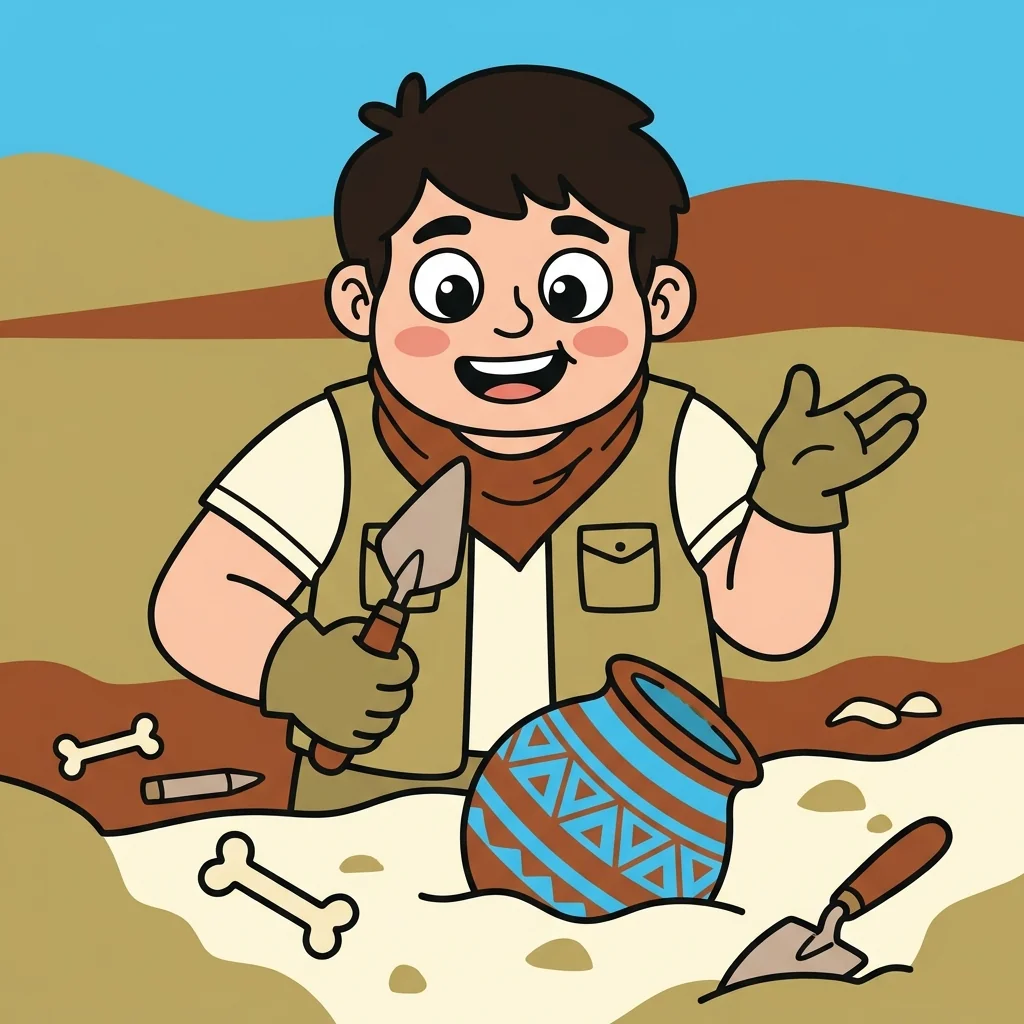
Meet the cast — the characters who teach this
-
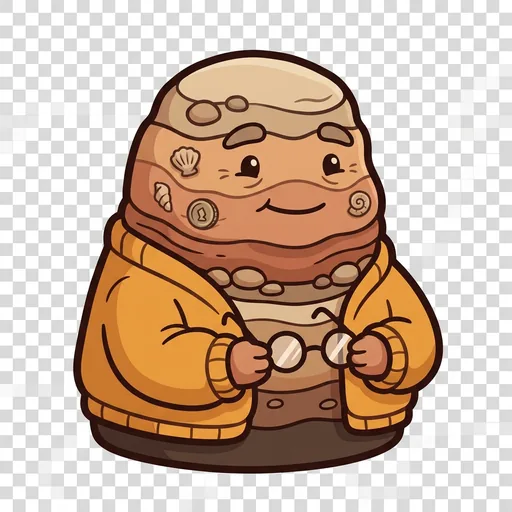 Layer Stratigraphic context — where in the layered earth? (vertical chronology, context integrity)
 -
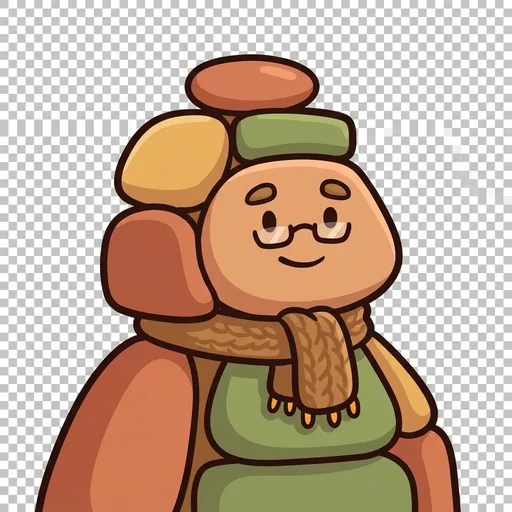 Shape Artifact-typological analysis — what family of object? (comparative typology, craft traditions)
 -
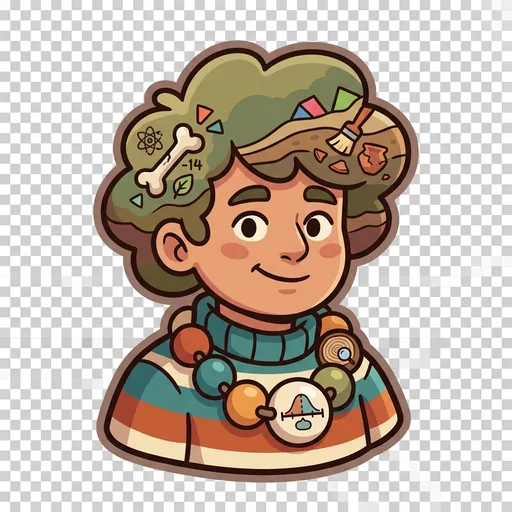 Past Dating techniques — when by which method? (dates as ranges with confidence intervals)
 -
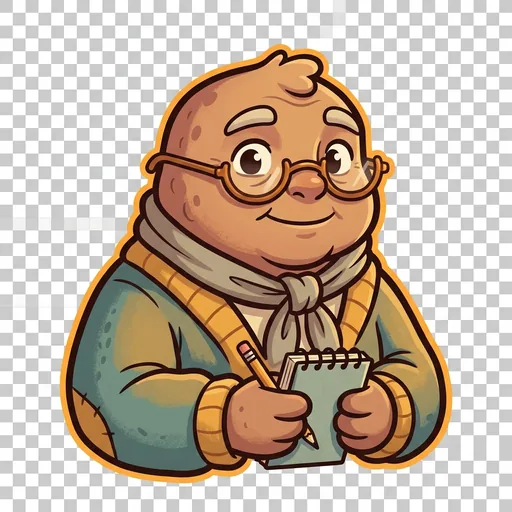 Keep Cultural-context inference — keep-what-people-said, not invent-what-they-must-have-meant
 -
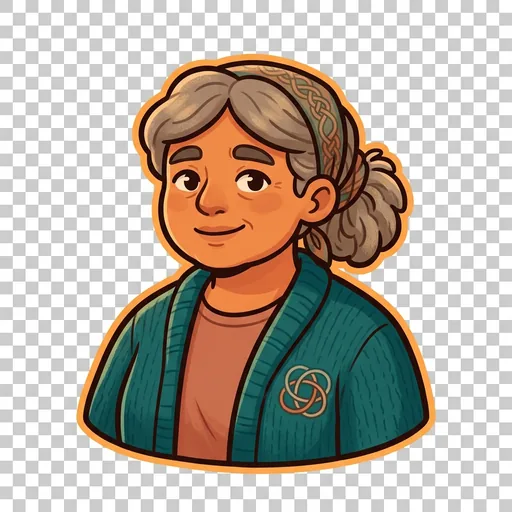 Ask Community-partnership ethics — whose story is this and who gets to tell it? (NAGPRA + UNDRIP-grounded, descendant-community partnership)
 -
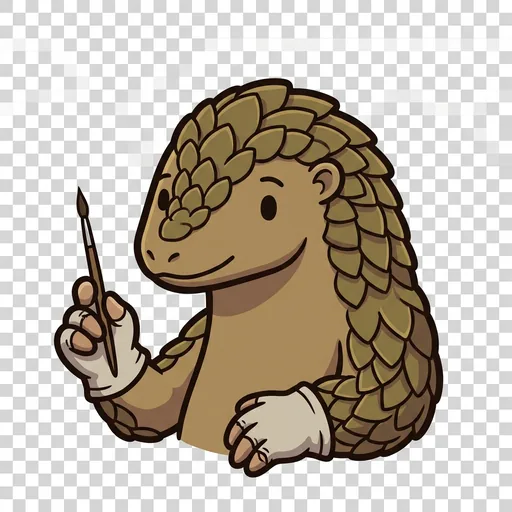 Grit Conservation — keep it, don't fix it; a fragile find is stabilized gently, never scrubbed shiny or restored into something it never was
 -
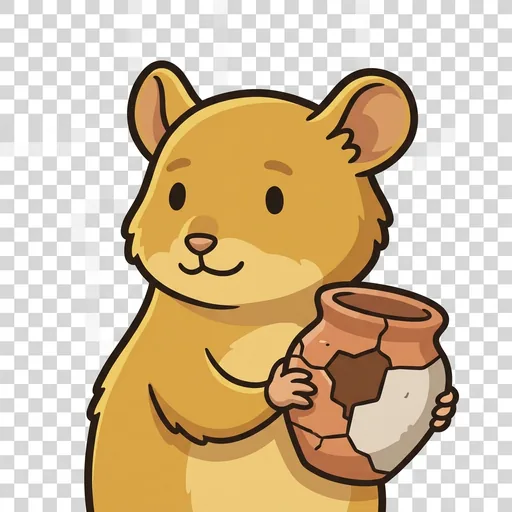 Join Reconstruction — fit the pieces you have, never invent the ones you don't; a rebuilt pot shows its gaps honestly
 -
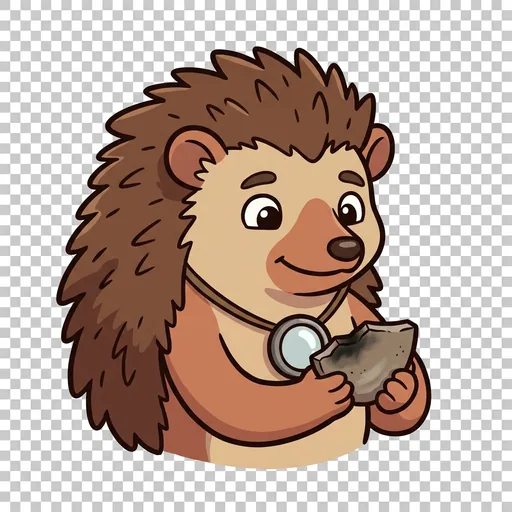 Sherd The ordinary object — the broken cooking pot tells you more than the gold crown; how people lived is written in humble everyday things
 -
 Spare Leave it — you don't dig everything; some of the site stays untouched for future diggers, and some because the people it belongs to want it left
 -
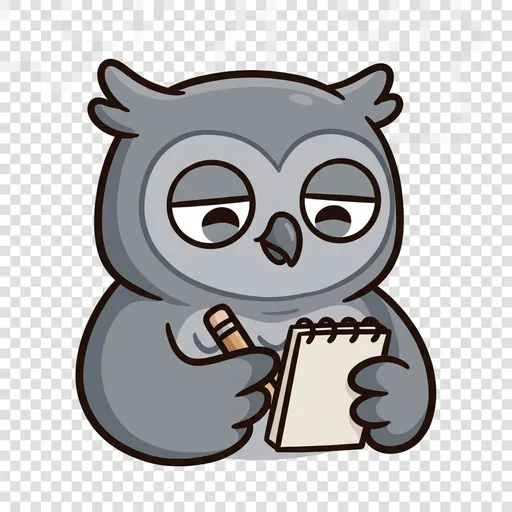 Void Absence — what isn't there can mean three things; never read a gap as a fact too quickly
Ensemble stories — the cast together