
Before you start
Most popular
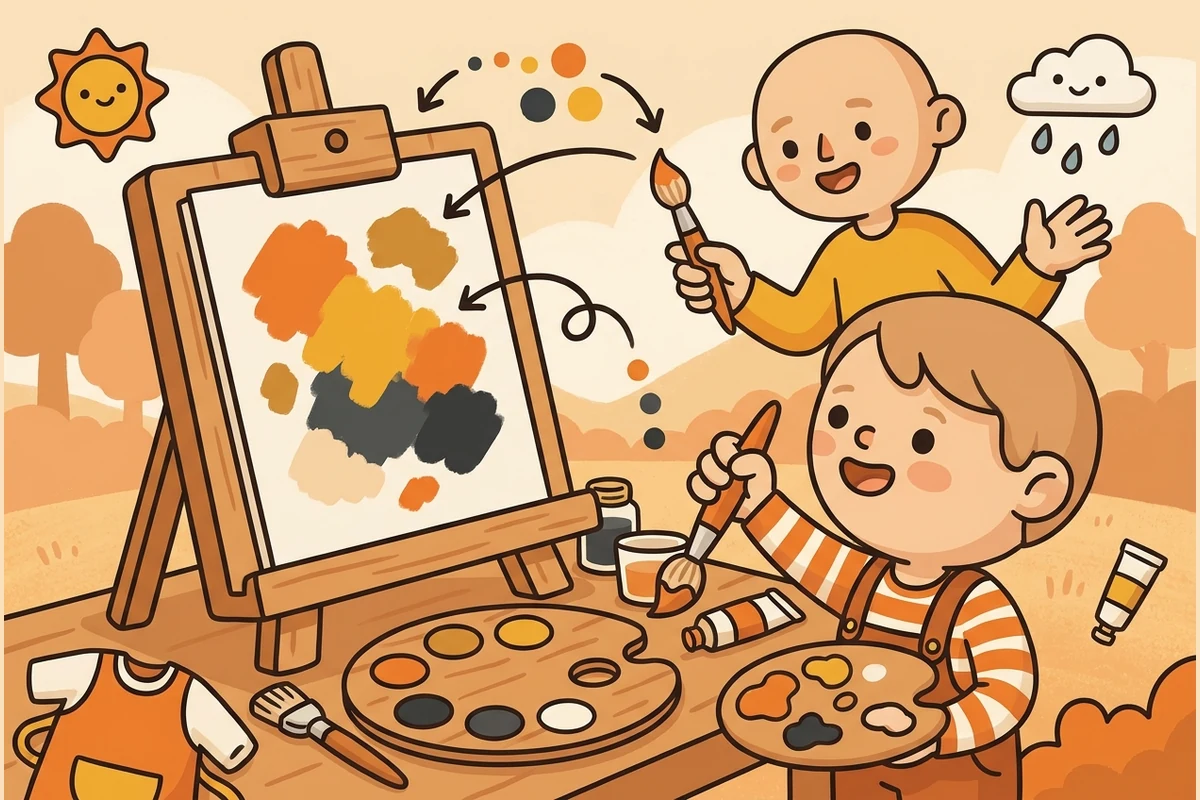 Paint Studio Mix real pigment on the wheel, then paint a shield: basecoat → wash → drybrush → glaze.
 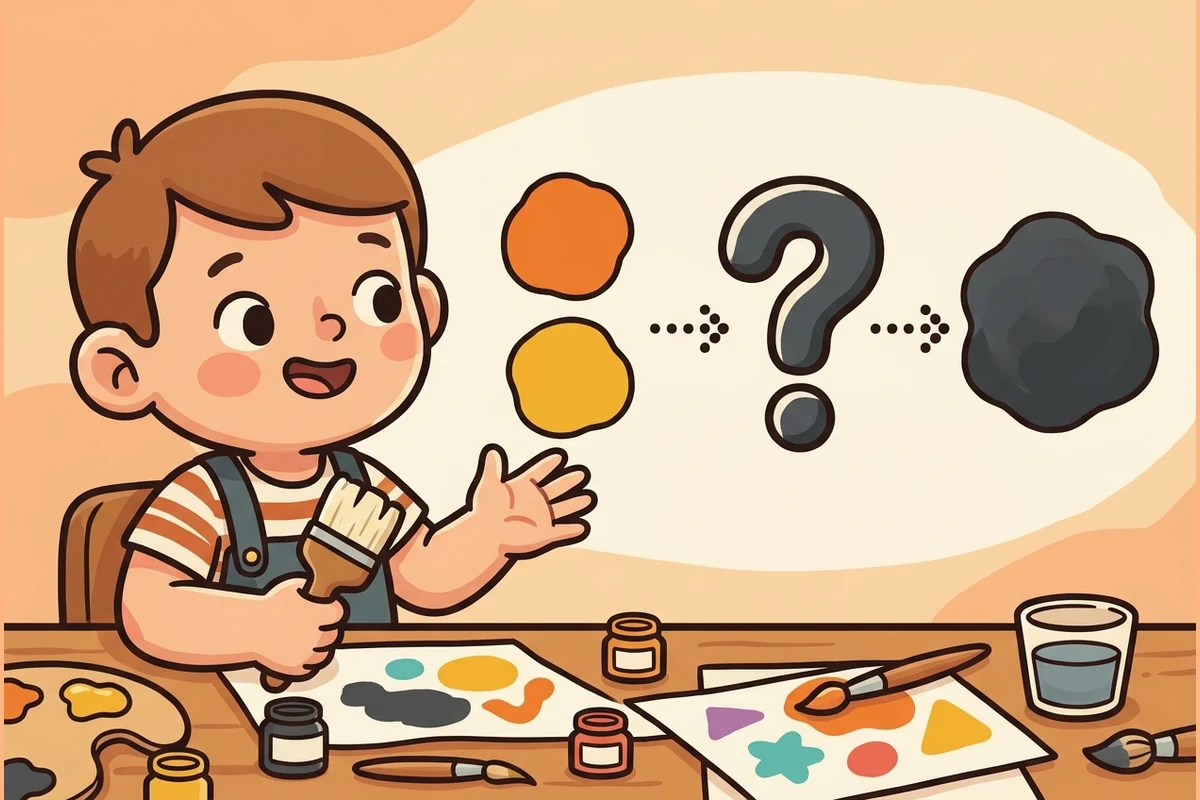 Predict the mix Guess what two paints make — or which technique fits — before the reveal. Guessing first is how it sticks.
 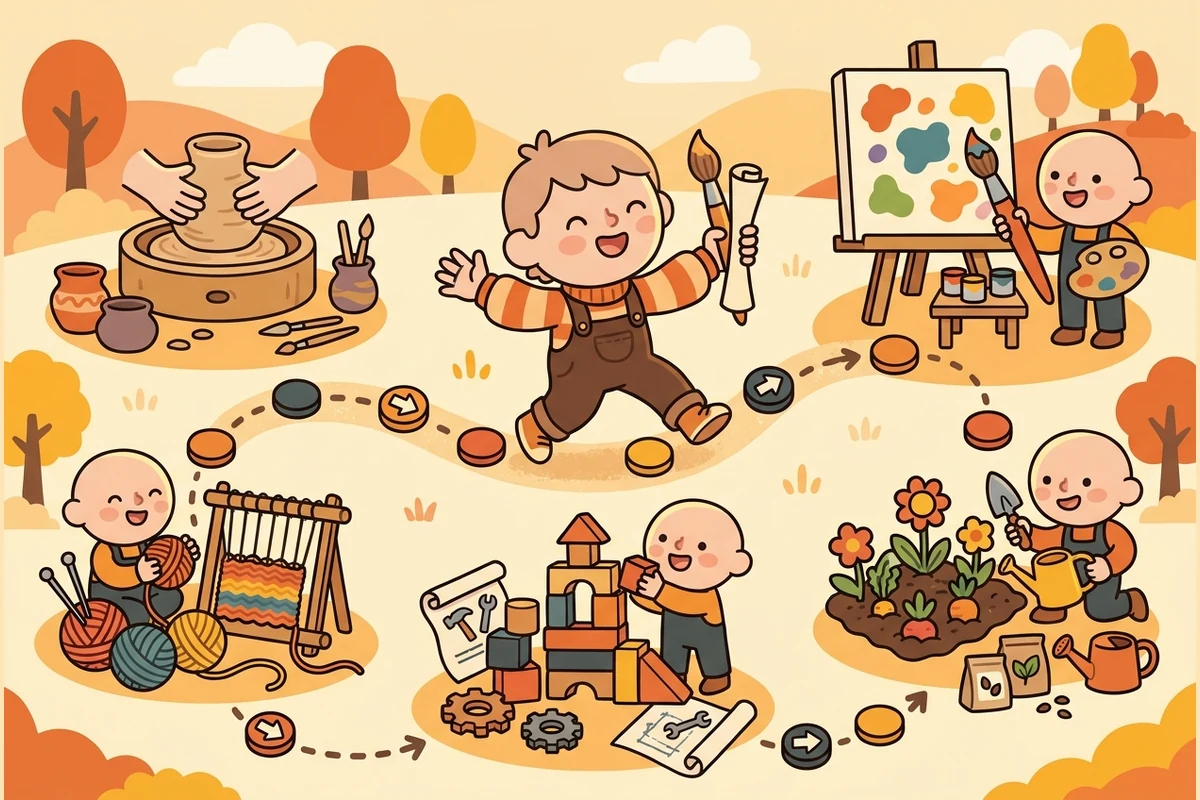 Craft Quest Follow a progression path through all 16 kits — clear each stop, then move on.
 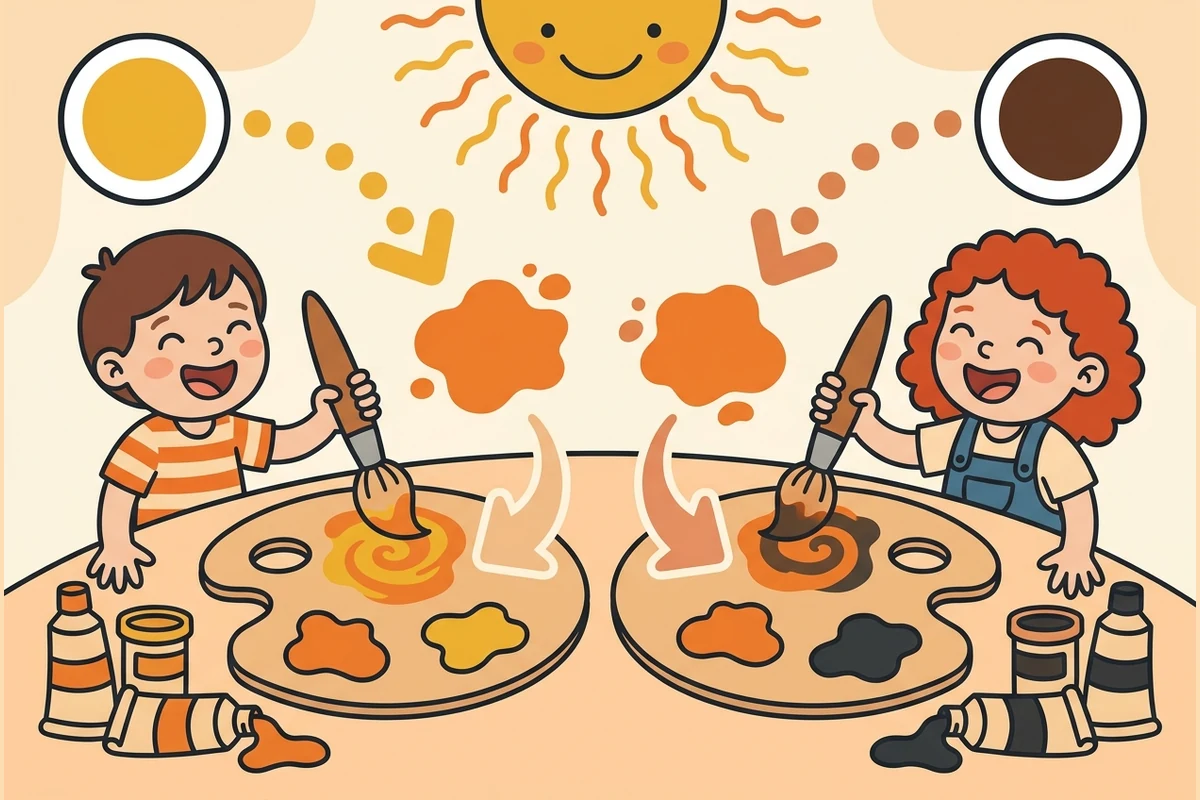 Color Duel 2–4 painters take turns on one device — highest first-try score wins.
 All activities
Get painting
Learn & practice
Mixed practice A short round that shuffles the kits you have played, resurfaced when they are ready to review. CraftForge Sprint Race your OWN best on what you already know. Timer optional, no penalty for a miss. Trick Questions Brain-teasers with a twist — spot why the obvious color or technique is a trap. Progress Your levels, streak, and how each skill area is coming along — saved on this device.
Play together
Concept Kits — 16 kits of color, technique & material
Kit 1: Color Theory and HSB Mixing Color Theory · grades 4-5 · 25 questions Kit 2: Brush Techniques: Basecoat to Drybrush Brush Technique · grades 4-5 · 25 questions Kit 3: Paint Material Science Paint & Material Science · grades 5-6 · 25 questions Kit 4: Layer Workflow and Painting Order Brush Technique · grades 5-6 · 25 questions Kit 5: Surface Preparation and Priming Paint & Material Science · grades 6-7 · 25 questions Kit 6: Pattern Work and Fine Detailing Brush Technique · grades 6-7 · 25 questions Kit 7: Color Composition and Visual Harmony Color Theory · grades 7-8 · 25 questions Kit 8: Varnish, Protective Finishes, and Display Paint & Material Science · grades 7-8 · 25 questions Kit 9: Metallic Effects And Lighting Brush Technique · grades 5-6 · 25 questions Kit 10: Weathering And Texture Techniques Brush Technique · grades 6-7 · 25 questions Kit 11: Freehand Vs Masking Strategy Brush Technique · grades 6-7 · 25 questions Kit 12: Advanced Paint Chemistry Paint & Material Science · grades 7-8 · 25 questions Kit 13: Cross Topic Connections Putting It Together · grades 5-6 · 25 questions Kit 14: Real World Painting Applications Putting It Together · grades 6-7 · 25 questions Kit 15: Misconceptions And Reasoning Putting It Together · grades 6-7 · 25 questions Kit 16: Advanced Synthesis Putting It Together · grades 7-8 · 25 questions
For grown-ups — progress report →
More ways to play
😄 Brain break
Meet the cast — the characters who teach this
-
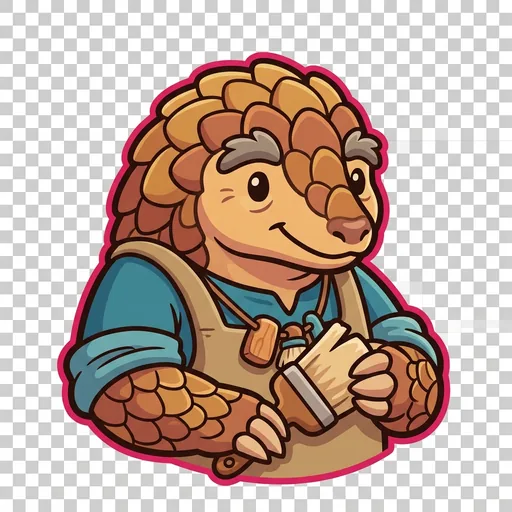 Sand Surface preparation — the patient pangolin-elder who treats priming as the invisible foundation everything else stands on ('ready surface first; the paint listens to the surface')
 -
 Dab Basecoat + wash — the confident vole-tween of broad strokes who treats basecoats as the loud first hello and washes as the quiet shadow-finder ('big shapes first, shadows fall second')
 -
 Blend Color mixing + highlighting — the chameleon-tween of color-vocabulary who treats color theory as language, not rulebook ('two colors meet, a third is born — mix slow; listen to what they're making')
 -
 Coat Layered application + varnish — the steady badger-tween who treats every coat as deliberate next-stratum patience ('layer waits for layer; patience is the secret pigment')
 -
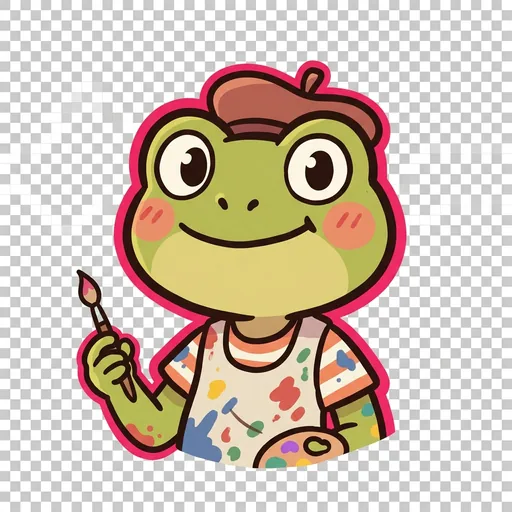 Tip Fine detail + freehand — the relaxed treefrog-tween of fearless small-brush play who carries the cluster's perfectionism-gate anchor ('tiny brushes, loose wrist — wobbly is fine; the eye fixes it from arm's length')
 -
 Bristle Dry-brushing — take the paint away, then the little that's left catches the raised edges
 -
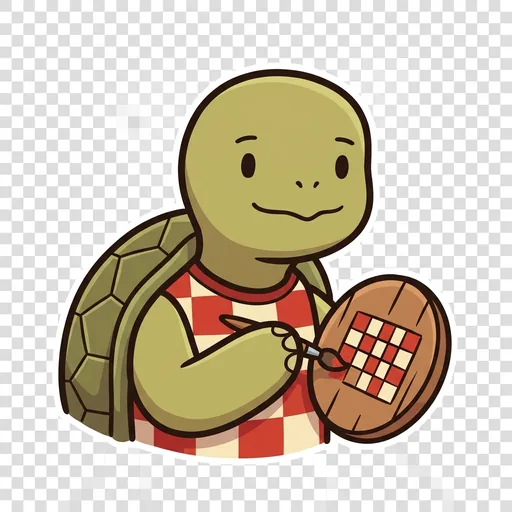 Chequer Pattern work — find the one small unit, then repeat it faithfully; the pattern lives in the repeat, not the piece
 -
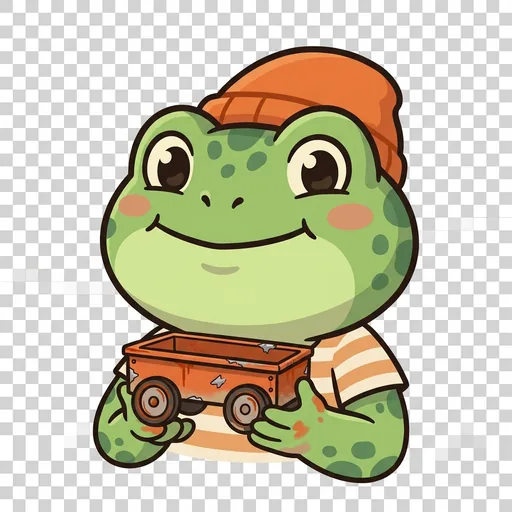 Patina Weathering — a too-clean model looks fake; add the marks of use (rust, chips, dust, wear) and it earns a history
 -
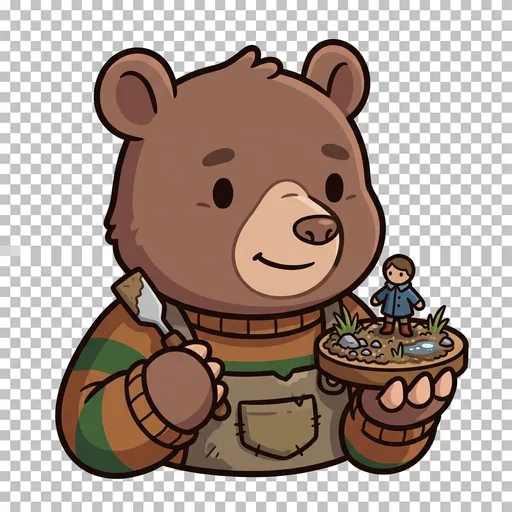 Plinth Basing — a model needs a place to stand; build the little ground and the figure gains a world, a scale, and a story
 -
 Prism Color harmony — colors don't work alone; put opposites side by side and both catch fire, keep the family warm or cool so it sings
Ensemble stories — the cast together