
Before you start
Most popular
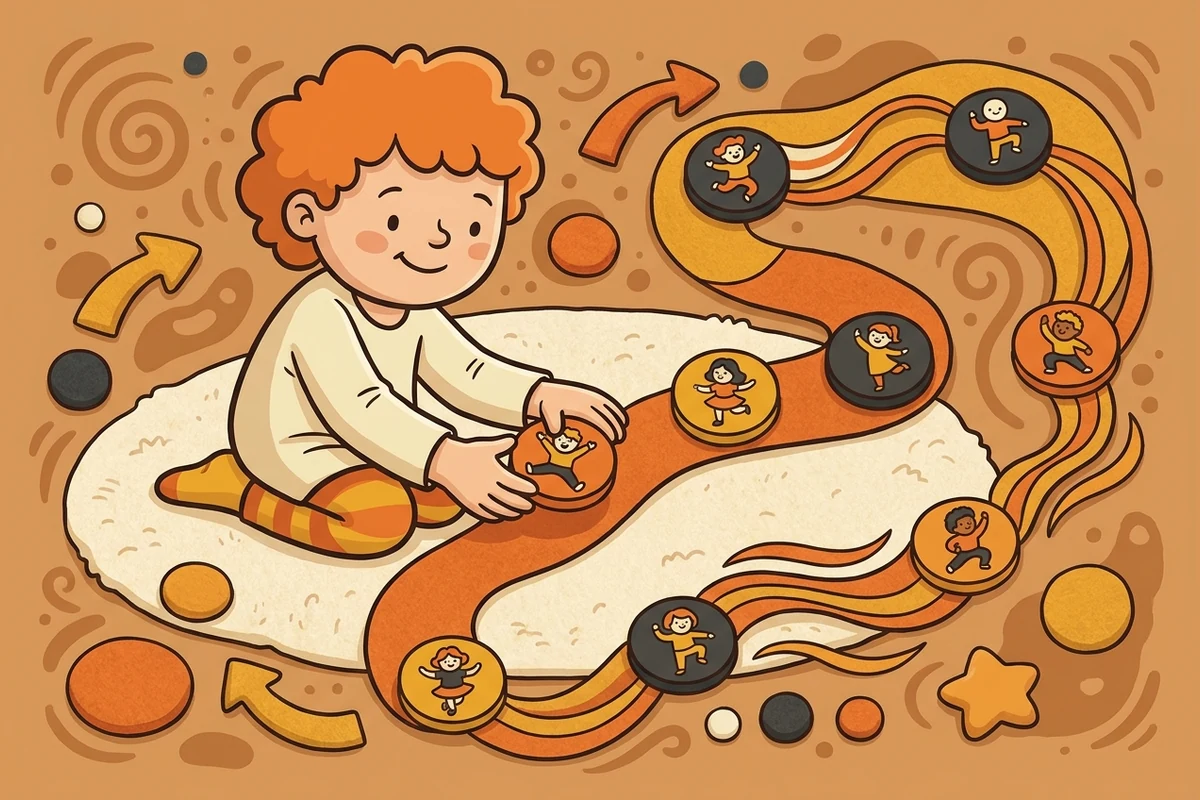 Choreography Composer Tap moves into a phrase and fill the counts — one 8-count at a time.
 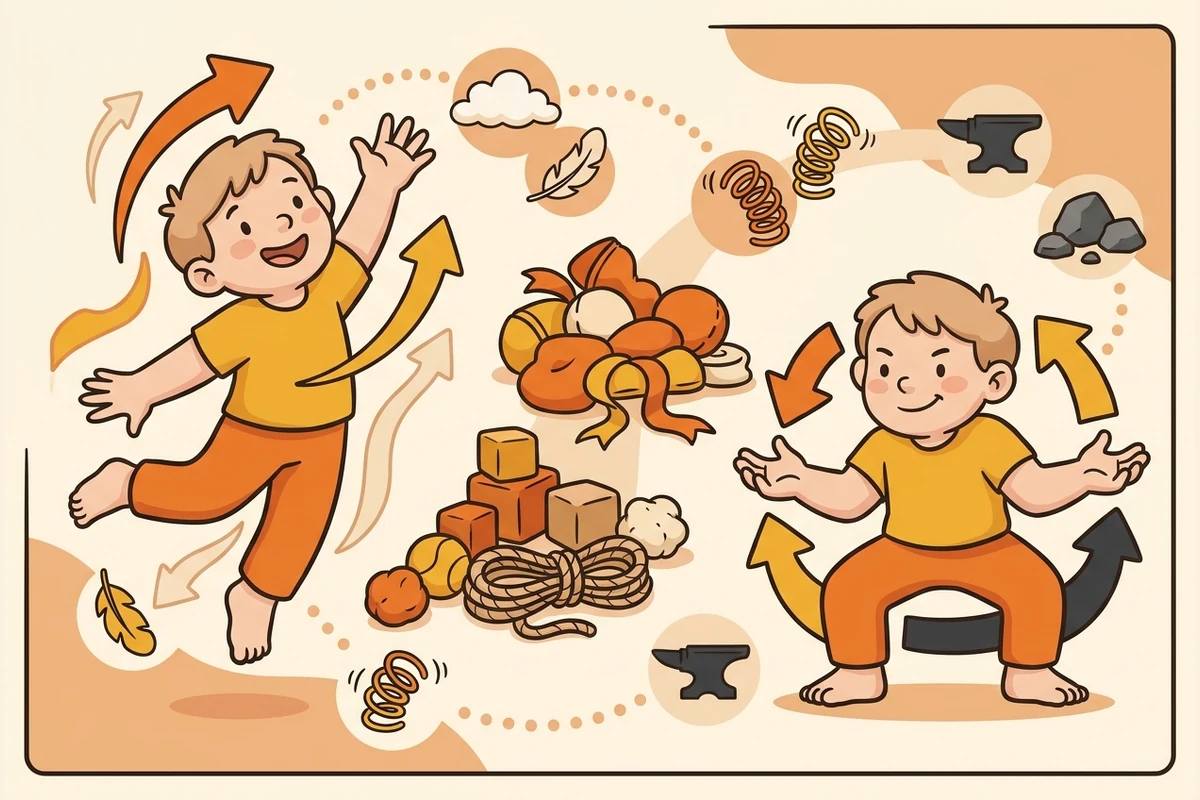 Laban Effort Lab Predict a movement’s effort quality — Dab, Glide, Punch, Float — then see why.
 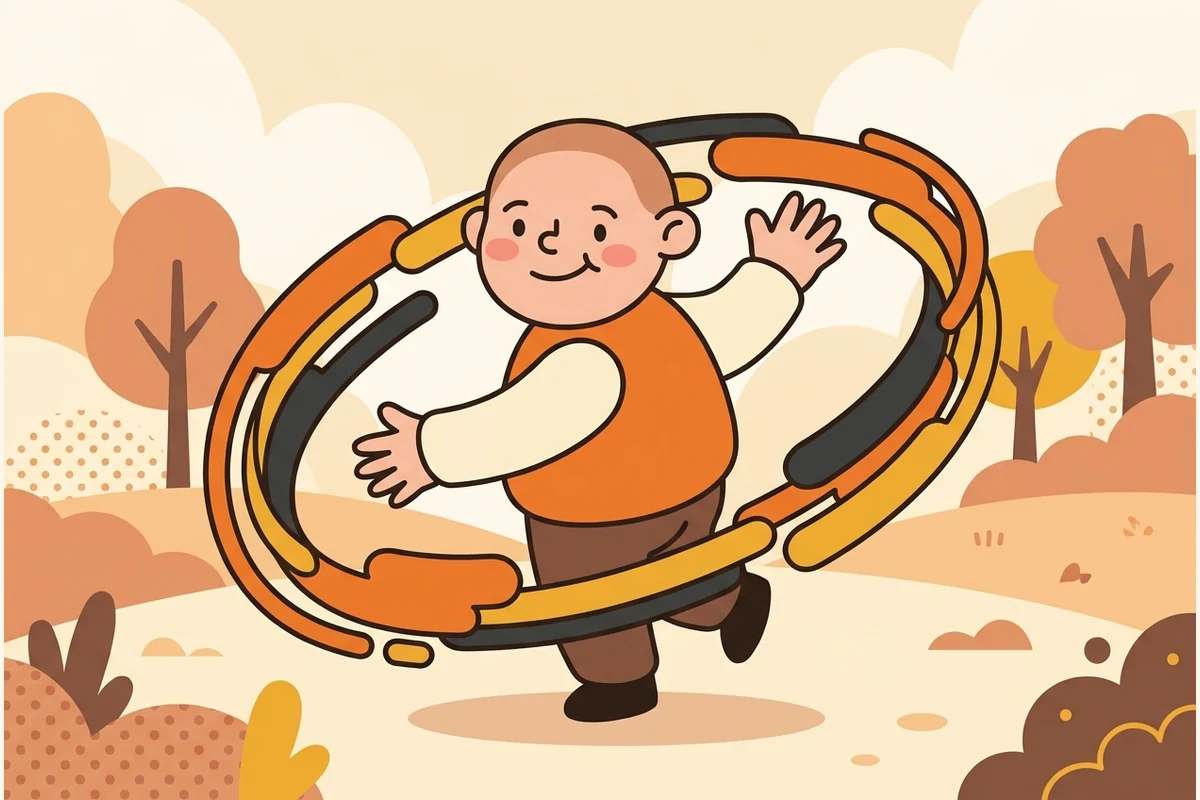 Spin & Momentum Arms in or arms out — predict if the spin speeds up, then see the physics.
 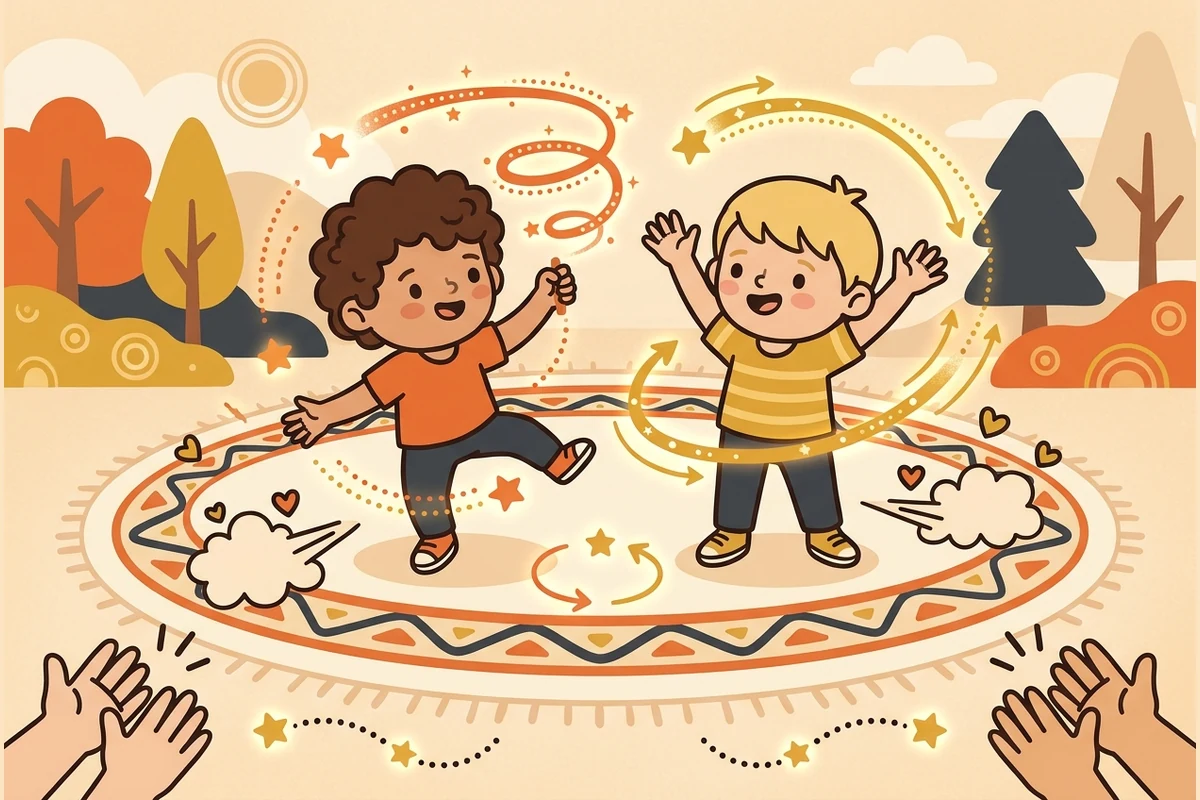 Dance Duel 2–4 players take turns on one device — highest first-try score wins.
 All activities
Create & explore movement
Choreography Composer Vary levels, travel and stay, add dynamic contrast — build choreographic structure one 8-count at a time. Laban Effort Lab Read a described movement and predict its effort quality, then see the three qualities that make it. (Predict → observe → explain.) Spin & Momentumnew A skater pulls their arms in — predict whether the spin speeds up, slows, or stays. Then see the physics of a spinning body.
Practice & play
Dance Duel 2–4 players take turns on one device, or open a room to play a friend (no chat, just the game). Dance Quest — the map A path through all the kits — clear each stop, then move on. Mixed Practice A short round across the kits you have played — brought back to make it stick. Trick Questions Brain-teasers with a twist — spot why the obvious answer is a trap. For grown-ups — progress report A private, on-device snapshot mapped to the skill areas practiced. Export a CSV or print — nothing leaves this device.
Concept Kits — dance genres, rhythm & choreography
Kit 1: Dance Elements & Body Awareness Dance Elements & Body Awareness · grades 4-5 · 25 questions Kit 2: Dance Genres & Cultural Traditions Dance Genres & Cultural Traditions · grades 4-5 · 25 questions Kit 3: Rhythm, Musicality & Movement Dynamics Rhythm, Musicality & Movement Dynamics · grades 5-6 · 25 questions Kit 4: Choreographic Structures & Composition Choreographic Structures & Composition · grades 5-6 · 25 questions Kit 5: Performance Skills & Stage Presence Performance Skills & Stage Presence · grades 6-7 · 25 questions Kit 6: Dance Analysis & Critical Response Dance Analysis & Critical Response · grades 6-7 · 25 questions Kit 7: Dance History & Cultural Connections Dance History & Cultural Connections · grades 7-8 · 25 questions Kit 8: Creative Expression & Choreography Capstone Creative Expression & Choreography Capstone · grades 7-8 · 25 questions Kit 9: Dance History & Cultural Traditions Dance & Movement · grades 6-8 · 25 questions Kit 10: Choreography & Composition Dance & Movement · grades 6-8 · 25 questions Kit 11: Dance Science & Body Mechanics Dance & Movement · grades 6-8 · 25 questions Kit 12: Dance Production & Performance Dance & Movement · grades 6-8 · 25 questions Kit 13: Cross-Topic Connections Movement Types · grades 5-6 · 25 questions Kit 14: Real-World Applications Movement Types · grades 6-7 · 25 questions Kit 15: Misconceptions & Reasoning Movement Types · grades 6-7 · 25 questions Kit 16: Advanced Synthesis Movement Types · grades 7-8 · 25 questions
More ways to play
😄 Brain break
Meet the cast — the characters who teach this
-
 Pose Body-awareness + position — listening to your own shape
 -
 Trail Space + pathways — the floor-pattern shapes you draw moving through space
 -
 Phrase Time + tempo — how movement is organized in musical counts
 -
 Lift Energy + effort + dynamics — quality of movement, not aesthetic judgment
 -
 Glide Locomotion — the craft of going from here to there with whole attention
 -
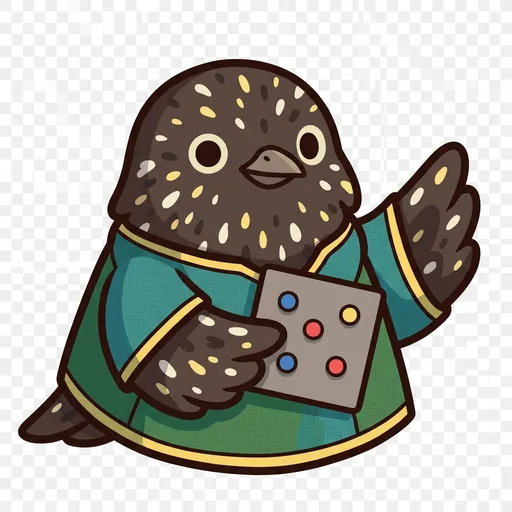 Flock Formation — how a group of dancers arranges itself in space (lines, circles, clusters, wedges) and how that shape flows and changes; the group as one moving picture
 -
 Storey Level — dancing in the vertical space: low on the floor, mid at standing, high in reaches and jumps; every height belongs to dance, no height better than another
 -
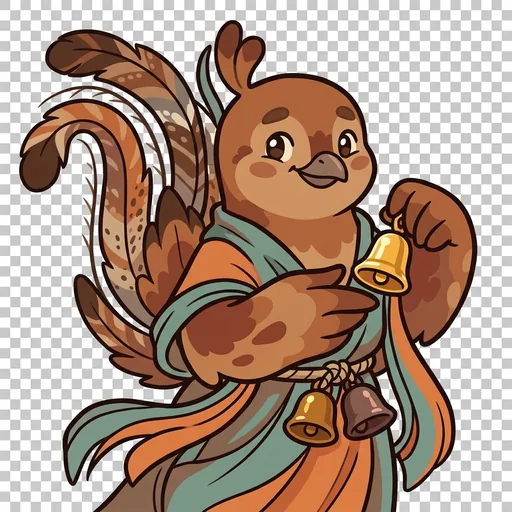 Beckon Call-and-response — one dancer or group makes a movement and another answers it; a movement conversation built on truly listening before you reply
 -
 Canon Unison and canon — unison is everyone moving together as one; canon is the same move staggered one after another, rolling across the group like a wave
 -
 Bide Stillness and the hold — the held, alive, motionless moment inside a dance; negative space made of time; a strong chosen pause, not tiredness or absence
 -
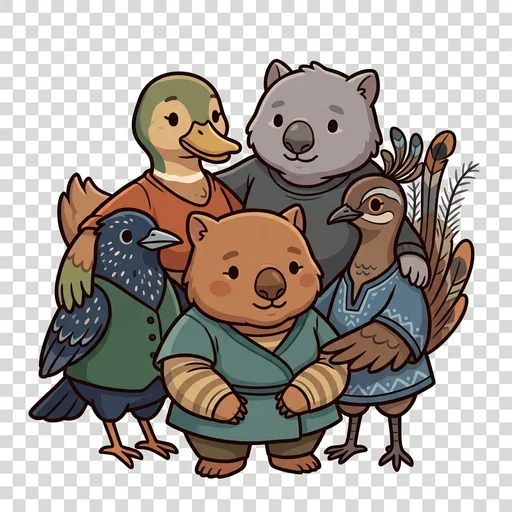 The Company The whole group dancing as one — how formation, level, call-and-response, unison and canon, and stillness weave together so a group of dancers moves as a single living thing
Ensemble stories — the cast together