
Before you start
Most popular
 Soundscape Studio Layer and mask sounds like a sound designer — Masking Lab, Recipes, Sound Properties.
 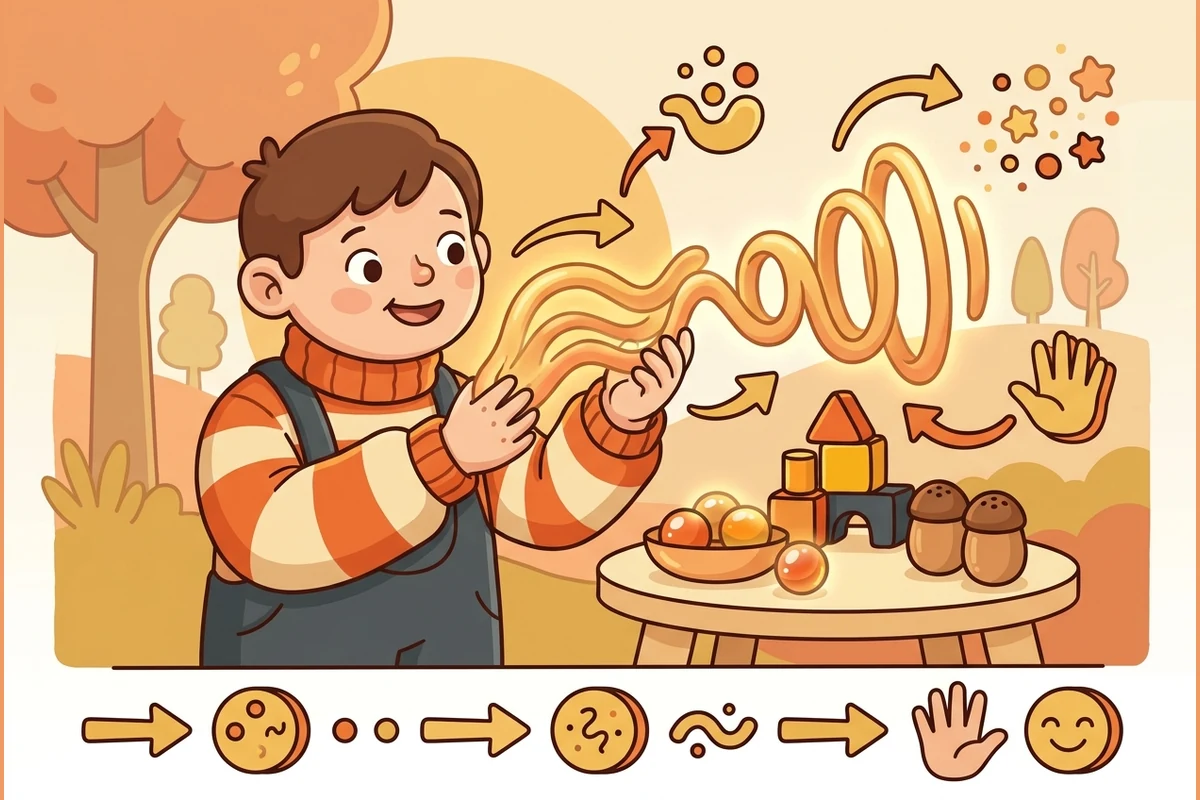 Wave Lab See sound as a wave — predict what a change does, then watch the wave change to check.
 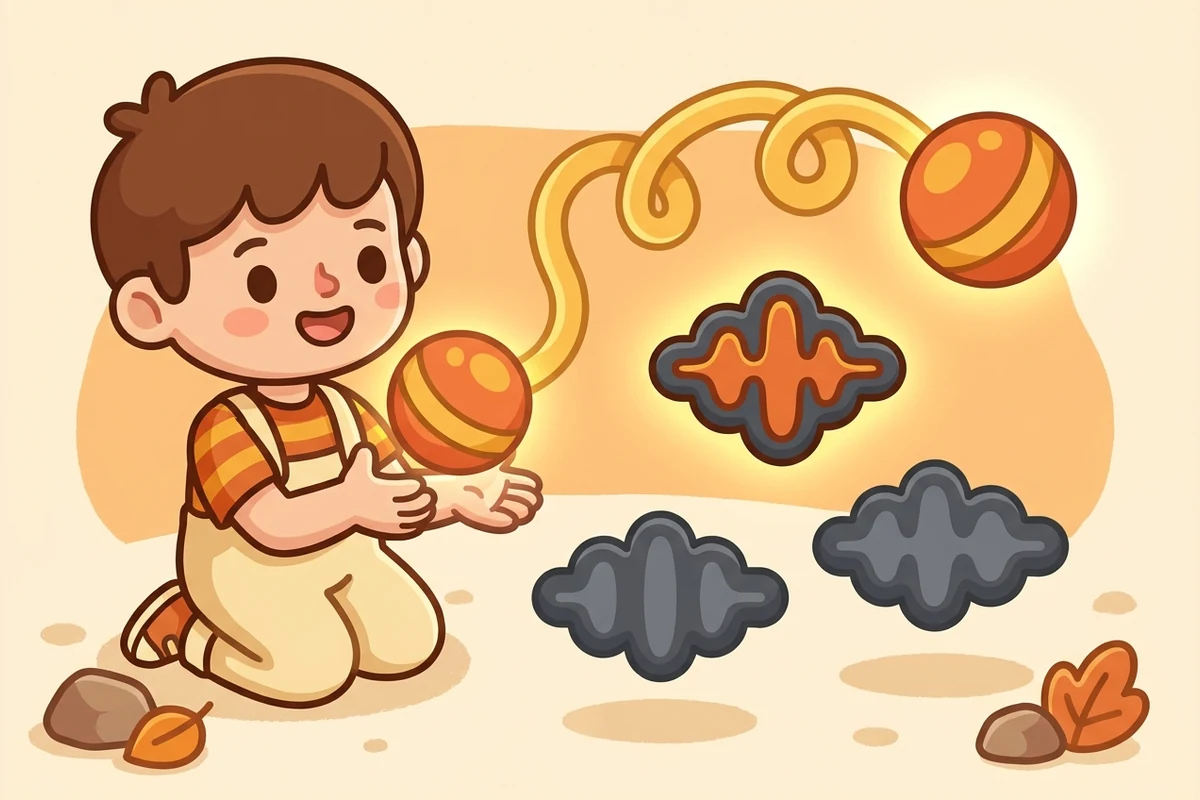 Match the Sound Hear a sound described, then build the wave that matches its pitch and loudness.
 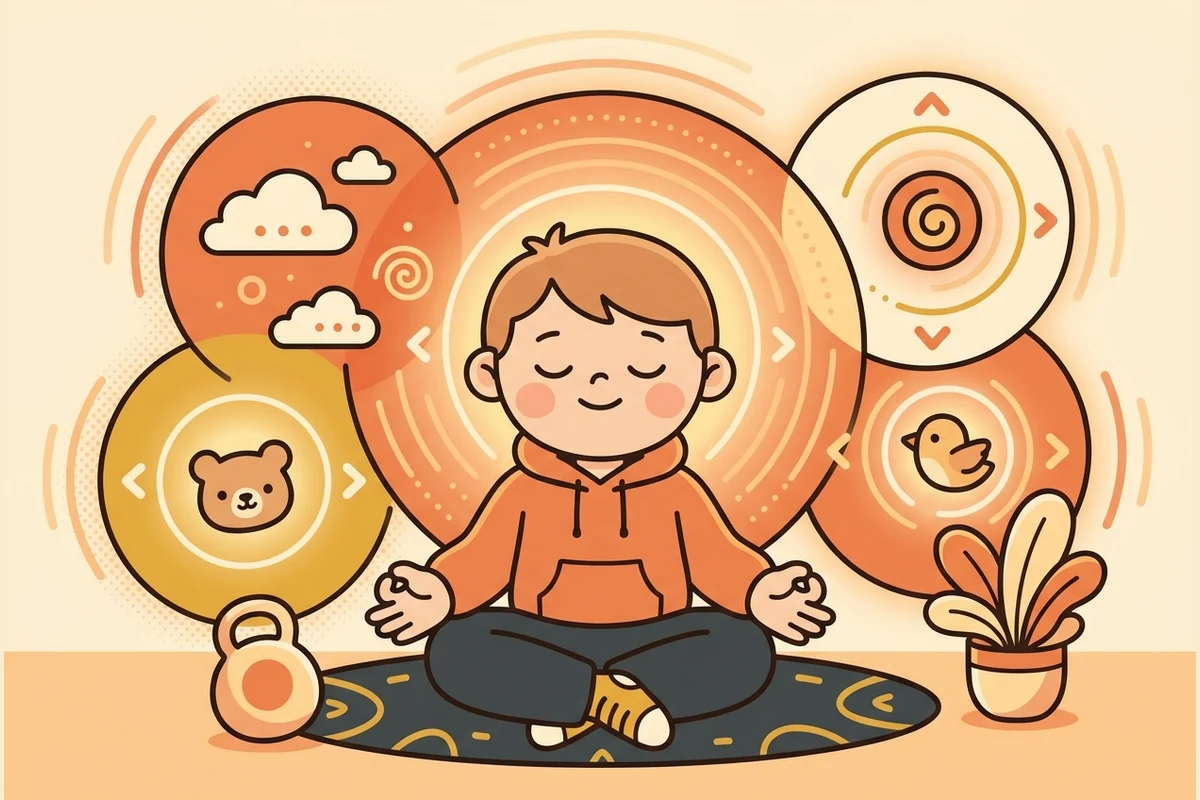 Regulation Zones Notice how you’re running and what helps — the Zones of Regulation. There’s no bad zone.
 All activities
Make & explore sound
Soundscape Studio Masking Lab (read a sound’s frequency fingerprint and cover it), Soundscape Recipes, and Sound Properties. Wave Lab How tightly a wave repeats sets the pitch, how tall it is sets the loudness. Predict, then watch the wave. Match the Sound Hear a low quiet hum or a high loud whistle, and build the wave that matches — pitch and loudness.
Steady yourself
Practice & play
Sound Duel 2–4 players take turns on one device, or open a room to play a friend (no chat, just the game). Sound Quest — the map A path through all the kits — clear each stop, then move on. Mixed Practice A short round across the kits you have played — brought back to make it stick. SoundSphere Sprint Race your OWN best on what you already know. Timer optional, no penalty. Trick Questions Brain-teasers with a twist — spot why the obvious answer is a trap. For grown-ups — progress report A private, on-device snapshot mapped to the skill areas practiced. Export a CSV or print — nothing leaves this device.
Concept Kits — 16 kits about sound & regulation
Kit 1: Understanding Your Sensory World Sensory Regulation · grades 4-5 · 25 questions Kit 2: The Zones of Regulation Sensory Regulation · grades 4-5 · 25 questions Kit 3: Sound Science and Properties Sound Science · grades 5-6 · 25 questions Kit 4: Soundscape Design Fundamentals Soundscape Design · grades 5-6 · 25 questions Kit 5: Self-Regulation Strategies Sensory Regulation · grades 6-7 · 25 questions Kit 6: Sensory Communication and Self-Advocacy Sensory Regulation · grades 6-7 · 25 questions Kit 7: Advanced Sound and Emotion Sensory Regulation · grades 7-8 · 25 questions Kit 8: Master Sound Regulation Capstone Reasoning & Synthesis · grades 7-8 · 25 questions Kit 9: Digital Audio & Recording Acoustics & Audio · grades 6-8 · 25 questions Kit 10: Acoustics & Architecture Acoustics & Audio · grades 6-8 · 25 questions Kit 11: Animal Communication & Bioacoustics Acoustics & Audio · grades 6-8 · 25 questions Kit 12: Music Technology & Sound Design Soundscape Design · grades 6-8 · 25 questions Kit 13: Cross-Topic Connections Reasoning & Synthesis · grades 5-6 · 25 questions Kit 14: Real-World Applications Reasoning & Synthesis · grades 6-7 · 25 questions Kit 15: Misconceptions & Reasoning Reasoning & Synthesis · grades 6-7 · 25 questions Kit 16: Advanced Synthesis Reasoning & Synthesis · grades 7-8 · 25 questions
More ways to play
Meet the cast — the characters who teach this
-
 Wave Frequency — the pitch axis; high-frequency sounds vibrate fast, low-frequency sounds vibrate slow
 -
 Bloom Envelope — the attack / sustain / decay / release shape of a sound (how it begins, holds, and fades)
 -
 Layer Timbre — the overtone fingerprint that makes a violin sound like a violin and a flute sound like a flute (even at the same pitch)
 -
 Ring Space — reverb, echo, and room ambience (how the same sound feels different in a bathroom vs a stadium vs a forest)
 -
 Tune Synthesis — how primitive sound-elements (frequencies + envelopes + layers + space) combine to build entirely new sounds