STEAM
CommandForge
Build block worlds by TYPING commands (ages 9-14). Type a plain command - set, move, repeat, define - and a real interpreter runs it on your device and builds the scene. A friendly text-command language between drag-blocks and full code, with 10 short labs graded against a goal. Meet the crew who each ARE one idea: Tacker places one block exactly, Nimble counts from where she stands, Seeker calls a whole group at once, Whendle waits for the WHEN, Rondo repeats a steady move, and Namer wraps many steps into one word. On-device, no accounts, no ads.
#b45309 Distributed-narrative cast
Meet the cast
CommandForge is a little crew who each show ONE idea of building a block world by typing commands - the cast IS the curriculum. Type a plain command and a real interpreter runs it right on your device. Each friend embodies one primitive of the language, so learning to command a computer is learning to know the crew.
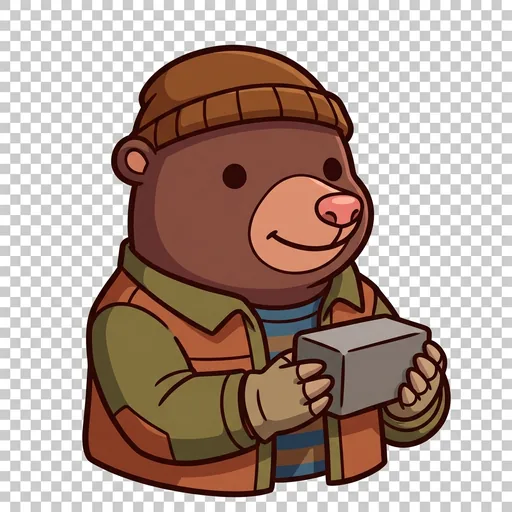
Tacker
The set command - a precise mole who places exactly ONE block at exactly ONE named spot (no more, no less); naming the exact place is how a build stays true
Read chapter →

Nimble
Relative coordinates (~ and ^) - a fast squirrel who counts from where she stands, never from the far corner of the world; 'one step from here' beats a giant number every time
Read chapter →
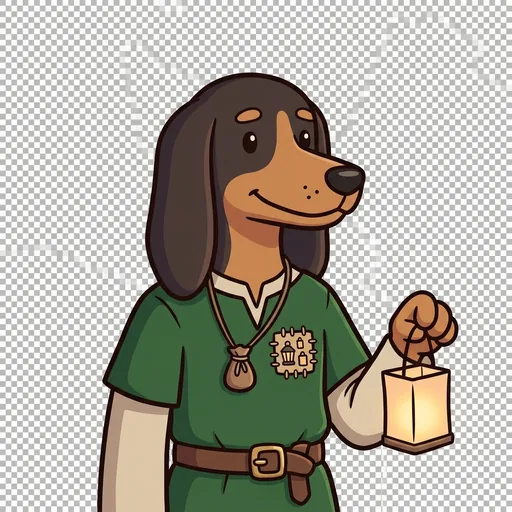
Seeker
Selectors (@kind[within=N]) - a long-eared dog who acts on EVERY thing that matches a description, all at once, instead of chasing them one by one
Read chapter →
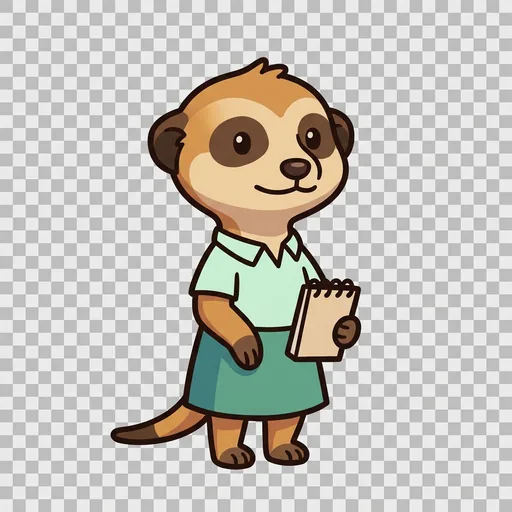
Whendle
The conditional (when...do) - a watchful meerkat who names the moment first and only lets the action fire WHEN the condition is true
Read chapter →
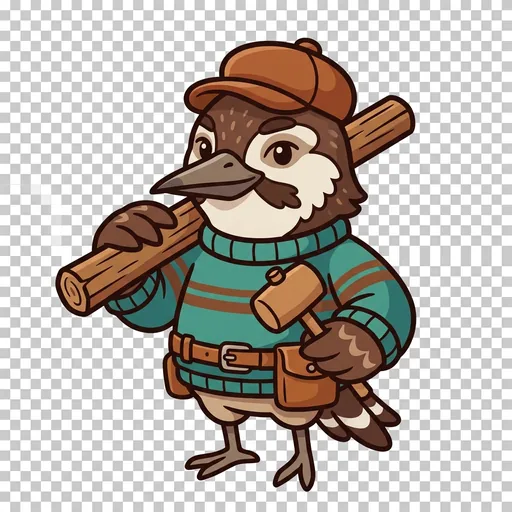
Rondo
The loop (repeat N) - a steady woodpecker who does the same small move exactly as many times as you count, and trusts the count to carry him
Read chapter →
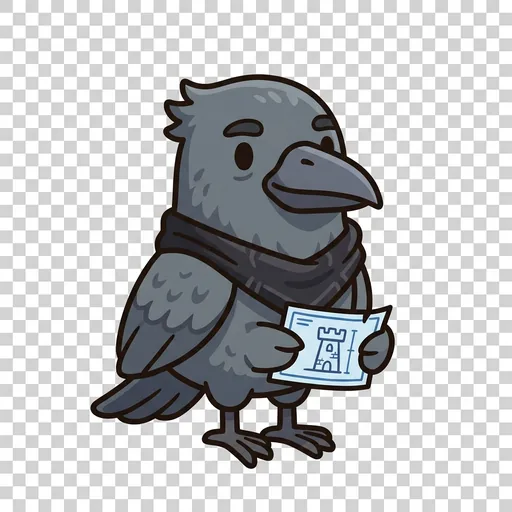
Namer
define - a wise crow who bundles a whole sequence of steps into ONE new named move, so nobody ever has to list them all again
Read chapter →
Browse all chapters → · What's distributed-narrative methodology? →
What's inside
Learning goal
Build block worlds by TYPING commands (ages 9-14). Type a plain command - set, move, repeat, define - and a real interpreter runs it on your device and builds the scene. A friendly text-command language between drag-blocks and full code, with 10 short labs graded against a goal. Meet the crew who each ARE one idea: Tacker places one block exactly, Nimble counts from where she stands, Seeker calls a whole group at once, Whendle waits for the WHEN, Rondo repeats a steady move, and Namer wraps many steps into one word. On-device, no accounts, no ads.
Question kits
16 curriculum-aligned kits × 25 questions = 400 questions per app, mapped to recognized standards.
On-device AI mentor
FoundationModels-powered hints, feedback, and adaptive difficulty — all running locally.
How CommandForge handles your kid's data
- ✅ All progress, settings, and AI-generated content stays on the device
- ✅ No analytics, no tracking, no third-party SDKs
- ✅ No ads, no in-app purchases — you pay once
- ✅ COPPA compliant under the 2026 FTC amendments
- ✅ Parental controls + session limits + content filters built in
CommandForge runs on ForgeKit — the open-source Swift Package Manager framework that powers every Spark & Anvil app. ForgeKit ensures consistent accessibility, COPPA compliance, and design language across the portfolio, so your kid's progress and preferences feel coherent across every app they touch.
Coming to the App Store
CommandForge is in active development. Email us to hear when it ships — no marketing, no spam, just a one-shot launch announcement.
Email me at launch